Managing Noise, Vibration, and Heat in Midstream Compression Facilities
Compressors are the workhorses of midstream gas operations. These powerful machines move products through pipelines, restore pressure as products travel long distances, and enable operations that would be impossible without compression. Yet operating compressors create extraordinary challenges: noise levels exceeding 100 decibels, vibration transmitting throughout structures, heat generation requiring cooling systems, and operational hazards requiring protection.
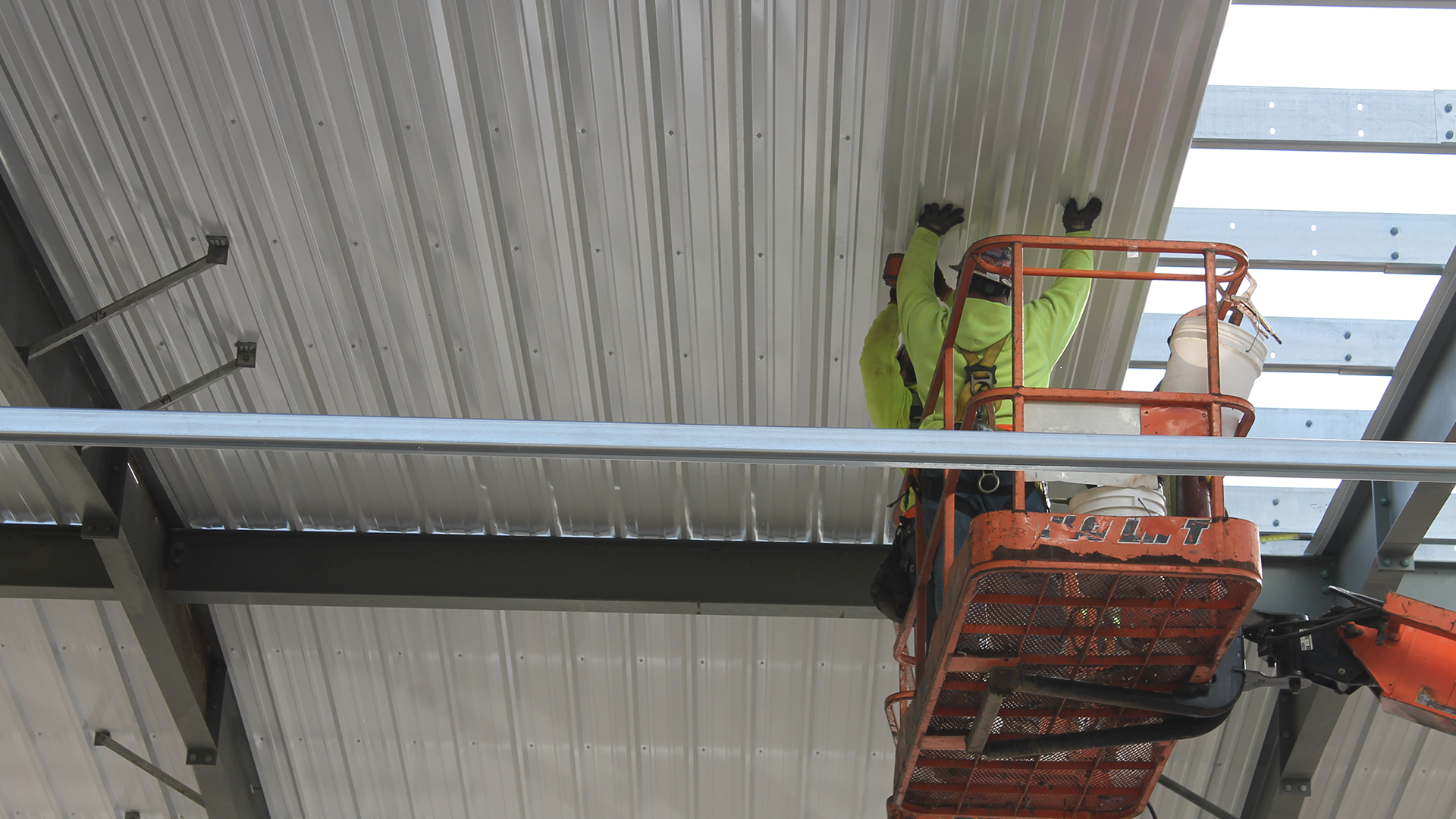
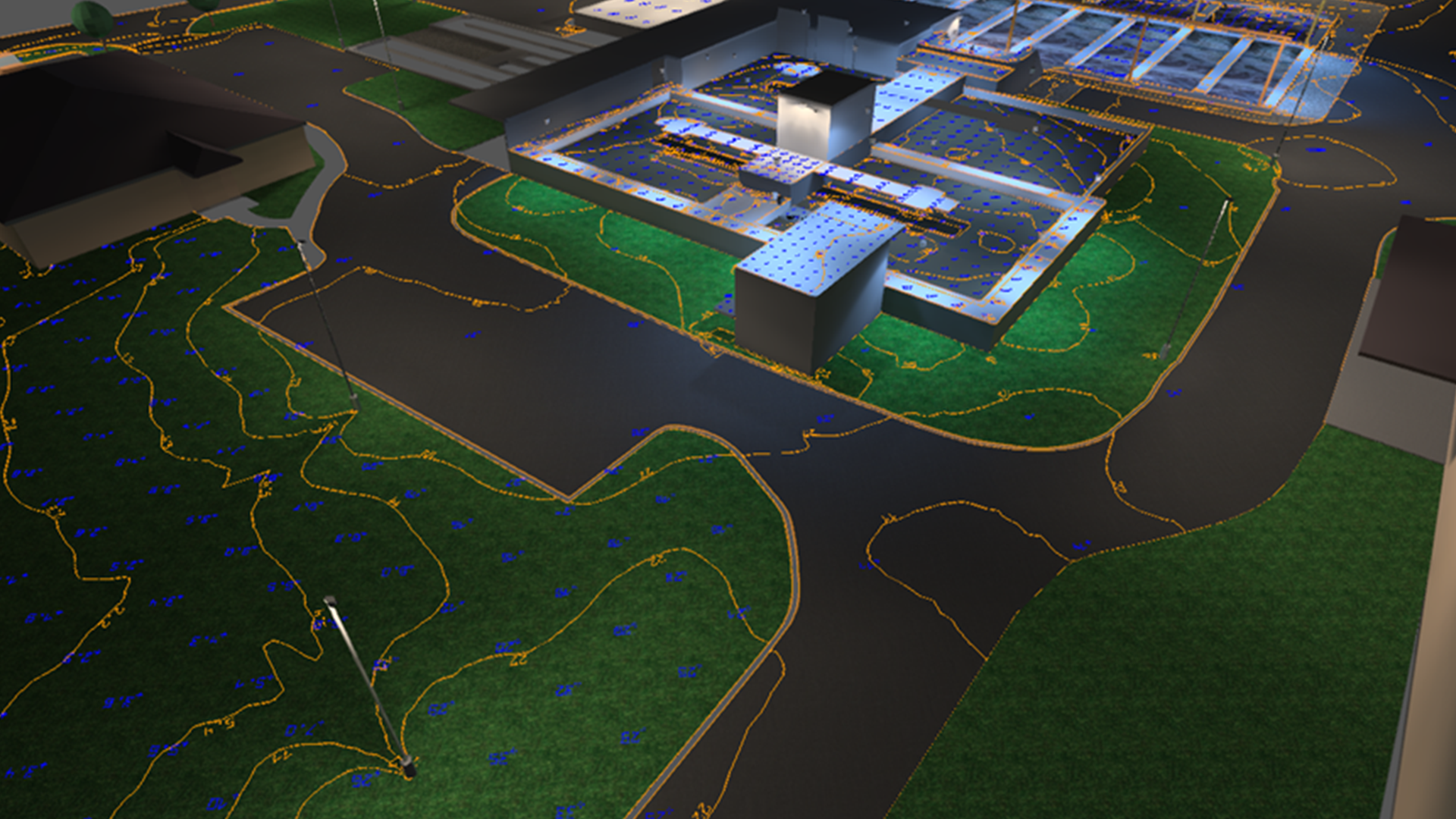
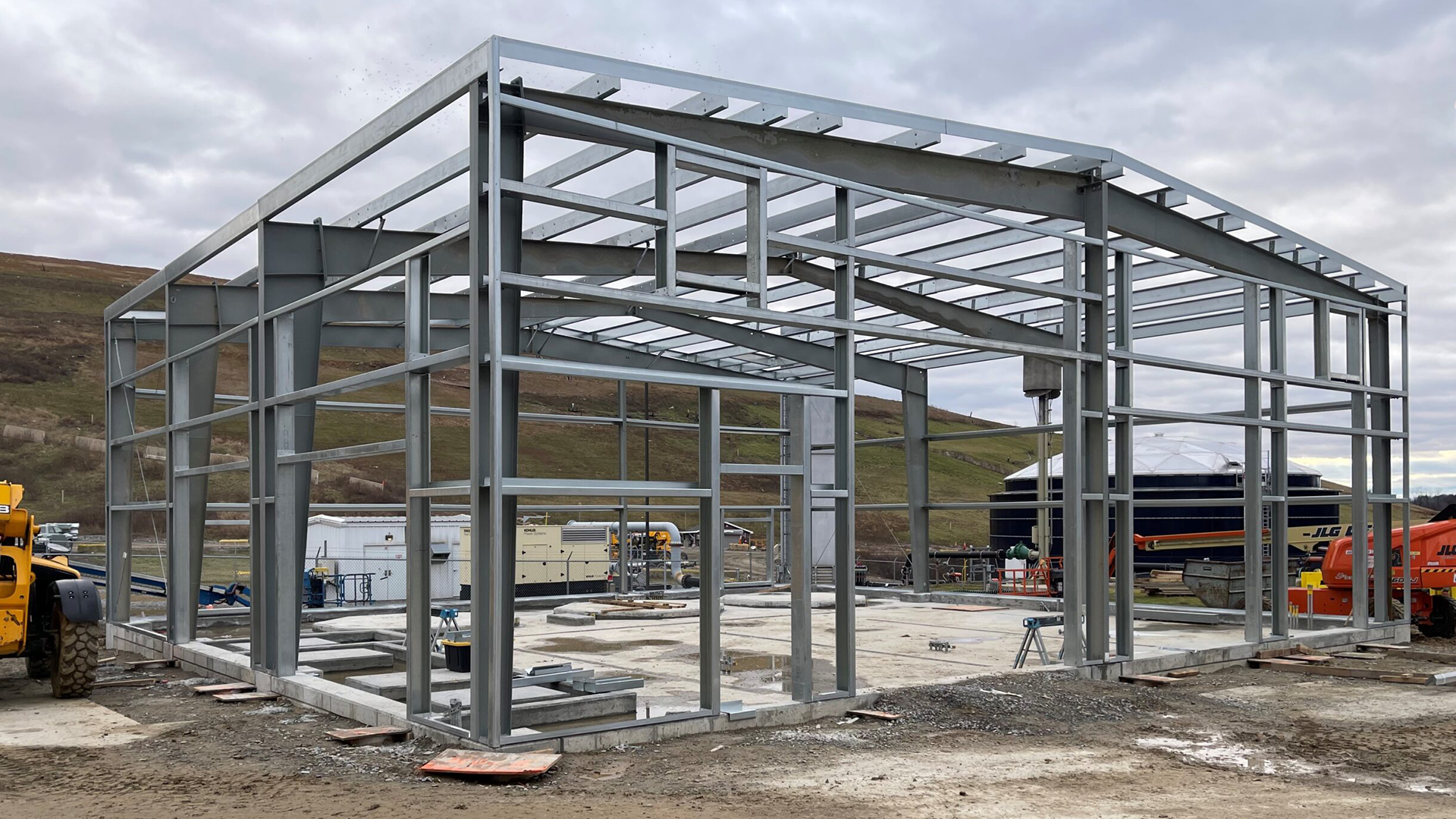
Steel compressor enclosures address these challenges providing controlled environments where compressors operate efficiently while managing noise, vibration, heat, and operational risks. These specialized structures aren’t simple buildings—they’re engineered systems where acoustics, structural isolation, ventilation, and equipment support work together enabling compressor operations that meet environmental regulations, operational requirements, and safety standards.
Midstream operators worldwide have recognized that investing in quality steel compressor enclosures is investing in operational efficiency, regulatory compliance, environmental responsibility, and community relations. This comprehensive guide explores compressor operation challenges, how steel enclosures solve these challenges, and why modern compressor facilities depend on specialized steel construction.
The Critical Role of Compressors in Midstream Operations
Natural gas and other pipeline products must maintain pressure as they travel through transmission systems. Friction, elevation changes, and product expansion reduce pressure throughout pipeline networks. Without compression restoring pressure, products would slow and eventually stop flowing.
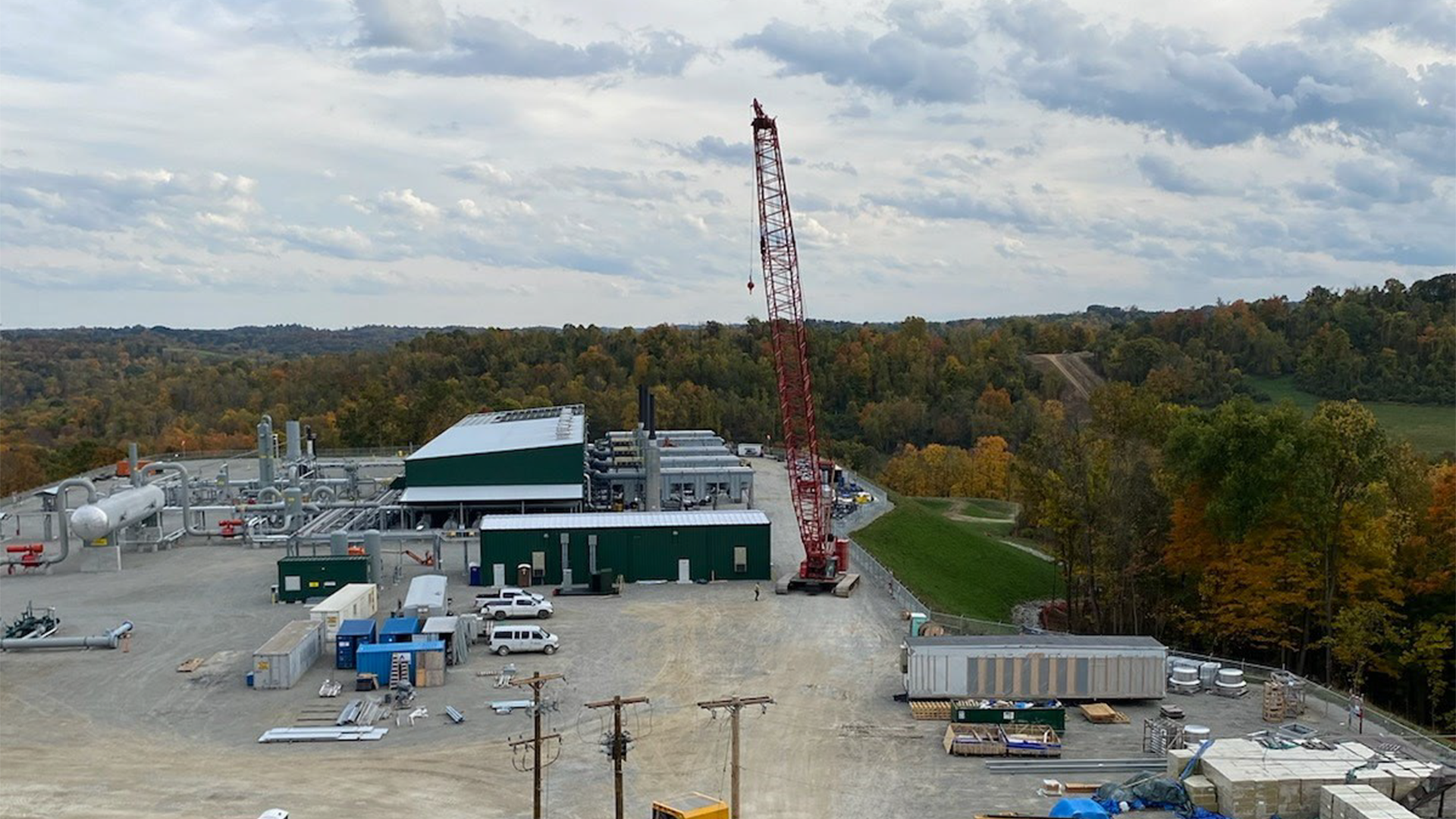
Compressor stations positioned at strategic points along pipelines restore pressure enabling continued flow. Compressor size and capability vary based on pipeline requirements: some stations might require a single small compressor, while major stations operate multiple large compressors simultaneously.
Compressor station operations create specific challenges:
Operational noise from rotating equipment, intake air, and discharge systems. Compressors operating at full load generate noise exceeding 100 decibels—equivalent to jackhammer operation or jet aircraft flyover. This noise propagates through structures and into surrounding communities potentially exceeding environmental regulations and affecting neighbors.
Vibration from rotating equipment transmitting through foundations and structures. Vibration can damage surrounding structures, create fatigue failures in equipment, and generate acoustic noise as structures vibrate. Vibration isolation becomes critical protecting equipment and facilities.
Heat generation from compression and equipment operation. Compressors can generate tremendous heat requiring cooling systems managing thermal load preventing equipment overheating.
Operational hazards including rotating equipment, high pressure systems, and flammable gases. Enclosures must provide protection against these hazards.
Environmental emissions from compressor exhaust and operational processes. Enclosures with proper ventilation systems manage emissions meeting environmental regulations.
Compressor enclosures address all these challenges simultaneously, enabling efficient, safe, compliant compressor operations.
Understanding Compressor Enclosure Requirements
Compressor enclosures serve multiple critical functions beyond simple weather protection. These specialized structures must:
Control Noise and Vibration
Noise control is the primary function of many compressor enclosures. Uncontrolled compressor noise can exceed 100 dB at short distances. Community noise regulations might limit operation to 75 dB or less at property lines. This dramatic reduction requires comprehensive noise control strategy.
Noise control mechanisms in steel enclosures:
Enclosure walls and roofs dampen noise preventing direct radiation from escaping. Acoustic linings absorb sound energy converting it to heat rather than allowing it to radiate outward. Vibration isolation systems decouple equipment vibration from building structure preventing structural vibration that would radiate noise. Mufflers and silencers on compressor intake and discharge reduce noise at sources. Flexible connections between equipment and fixed structures prevent vibration transmission.
Effective noise control requires coordinated design of structural systems, acoustic materials, vibration isolation, and equipment arrangement.
Support and Align Equipment
Compressors must be supported by robust structures accommodating equipment weight and dynamic loads from operation. Vibration isolation systems decouple equipment vibration from building structure yet still support equipment loads reliably.
Equipment support requirements:
Foundation systems designed for dynamic loads and vibration. Equipment weight combined with forces from rotation and operation creates loads far exceeding static weight. Equipment alignment and balance critical to reliable operation. Even small misalignment increases vibration and noise. Access for equipment maintenance and inspection. Equipment must be accessible for inspections, adjustments, and eventual replacement. Structural redundancy preventing single-point failures. If one support element fails, other elements prevent equipment collapse.
Professional equipment engineering ensures that structural support systems maintain equipment alignment and reliability throughout operational life.
Manage Thermal Load
Compressor operation generates significant heat. Heat management systems must dissipate this heat preventing equipment overheating while minimizing energy costs of cooling systems.
Thermal management in enclosures:
Ventilation systems providing cooling airflow through enclosures. Proper airflow patterns cool equipment while minimizing energy consumption. Heat exchangers transferring heat from equipment coolant to outside air. System sizing balances cooling capacity against operating costs. Insulation minimizing external heat gain in hot climates. Thermal design considering ambient temperature and climate conditions. Radiator systems and other cooling equipment support integration.
Proper thermal design ensures that equipment operates within design temperature ranges maintaining performance and reliability.
Enable Safe Operation
Compressor stations contain high-pressure equipment and rotating machinery presenting operational hazards. Enclosures must provide protection against these hazards.
Safety features in compressor enclosures:
Structural barriers protecting personnel from rotating equipment and high-pressure systems. Guarding preventing accidental contact with dangerous equipment. Emergency stop systems accessible enabling immediate shutdown if problems develop. Access control limiting facility access to authorized personnel. Proper lighting enabling safe operation and emergency response. Ventilation systems preventing dangerous gas accumulation.
Safety integration into structural design provides more effective protection than systems added afterward.
Facilitate Maintenance
Compressor equipment requires routine maintenance and periodic major overhauls. Enclosures must enable this work efficiently.
Maintenance access requirements:
Large doors enabling equipment removal if needed. Overhead crane support or space for mobile equipment supporting equipment removal. Adequate workspace around equipment for technician access. Work platforms and access systems enabling safe work at height. Utility access allowing maintenance personnel to monitor and service equipment systems.
Proper design for maintainability reduces maintenance time and costs while improving safety.
Steel’s Unique Advantages for Compressor Enclosures
Steel construction offers specific advantages for compressor enclosures that alternative materials cannot match.
Structural Strength and Vibration Isolation
Steel’s strength enables enclosures supporting heavy equipment while incorporating vibration isolation systems. Vibration isolators with appropriate stiffness decouple equipment vibration from building structure. Steel’s strength accommodates isolation systems while supporting dynamic loads.
Acoustic Performance
Steel combined with acoustic linings provides excellent noise control. Steel mass helps contain noise. Acoustic linings absorb sound energy. Combination of mass and absorption achieves noise reduction traditional buildings cannot match.
Thermal Performance
Steel structures accommodate extensive cooling systems including large radiators and ductwork. Steel strength enables mounting of large heat rejection equipment. Thermal design flexibility addresses diverse climate conditions.
Durability and Corrosion Resistance
Compressor stations often operate in harsh environments. Coastal facilities face salt spray. High-altitude locations face weather extremes. Steel with appropriate coatings resists corrosion maintaining structural integrity for decades.
Operational Flexibility
Steel’s flexibility accommodates equipment modifications, upgrades, and replacements. Compressor equipment evolves as technology advances. Steel structures can accommodate larger, more efficient equipment without reconstruction.
Design Considerations for Steel Compressor Enclosures
Creating high-performance compressor enclosures requires specialized engineering addressing noise, vibration, thermal management, and operational requirements simultaneously.
Vibration Isolation System Design
Vibration isolation systems prevent equipment vibration from transmitting to building structure.
Vibration isolation system design must:
Establish natural frequency lower than equipment operating frequencies. This ensures that vibration is isolated rather than amplified. Calculate equipment loads including weight and dynamic forces. Isolation system stiffness must support these loads while achieving required isolation.
Select appropriate isolation method: spring isolators, elastomeric mounts, or active isolation systems depending on requirements. Design multiple load paths ensuring system robustness.
Professional vibration engineering prevents problems before they occur.
Acoustic Design and Material Selection
Noise control requires coordinated approach addressing noise sources, transmission paths, and radiation.
Source control at equipment—mufflers, silencers, and equipment selection reduce noise generation. Transmission control within enclosures—vibration isolation, acoustic absorption, and structure damping reduce noise transmission. Radiation control from enclosures—mass, absorption, and design features reduce noise radiation outward.
Acoustic material selection includes:
Steel structural materials—steel selected for acoustic properties not just strength. Wall and roof systems—mass and absorption designed for noise control. Acoustic linings—materials selected for absorption characteristics at frequencies requiring control. Sealants and damping materials—reduce vibration and structural transmission.
Acoustic design requires coordination with structural and mechanical engineering ensuring that all systems work together.
Ventilation System Design
Cooling compressor equipment requires substantial airflow.
Gas compressor ventilation design must:
Provide adequate cooling airflow through enclosures. Flow calculations account for equipment heat generation and ambient conditions. Minimize energy consumption of ventilation systems. Proper design reduces operating costs. Direct airflow efficiently. Baffles and design guide air through equipment areas maximizing cooling efficiency. Manage noise from ventilation. Air intake and discharge can generate noise requiring acoustic treatment. Prevent short-circuiting where cool intake air bypasses equipment going directly to exhaust.
Mechanical engineering ensures that ventilation systems efficiently cool equipment while minimizing operating costs.
Structural Design for Dynamic Loads
Compressor support structures experience dynamic loads from rotating equipment. Static design is insufficient—dynamic analysis must verify that structures remain stable under operating loads.
Dynamic design considerations:
Equipment unbalance creating rotating forces. Foundation design accommodates these forces. Operating frequency and structural natural frequencies must be controlled preventing resonance. Transient loads from equipment startup and shutdown. These temporary loads must not exceed equipment or structure capacity. Fatigue analysis confirming that repeated loading doesn’t cause structural failure. Material selection and connection design address fatigue requirements.
Professional structural analysis ensures that equipment support structures maintain integrity throughout operational life.
Applications of Steel Compressor Enclosures
Steel compressor enclosures serve diverse applications in midstream gas operations.
Large Compressor Station Enclosures
Major compressor stations operating multiple large compressors require substantial structures. These enclosures house primary compressors, auxiliary equipment, cooling systems, control systems, and personnel facilities.
Steel construction enables clear-span structures accommodating diverse equipment while maintaining noise and vibration control. Modular design enables phased construction as additional compressors are added.
Satellite Compressor Stations
Remote pipeline locations require smaller compressor stations operating single compressors. Steel enclosures protect equipment while controlling noise and maintaining performance in remote, harsh environments.
Modular design enables remote installation without requiring extensive on-site construction. Integrated systems provide complete functionality in compact structures.
Skid-Mounted Compressor Systems
Some compressor applications use complete compressor skids combining compressor, motor, cooling system, and control systems in integrated units. Steel enclosures enclose these skids providing noise control and weather protection while maintaining easy access for operation and maintenance.
Portable and Temporary Compressor Enclosures
Temporary compression requirements benefit from portable steel enclosures providing noise control and weather protection without permanent facility investment. These structures can be relocated enabling use at multiple sites.
Regulatory Compliance and Environmental Requirements
Compressor facilities must comply with environmental noise regulations and operational standards. Steel enclosures designed for noise control help achieve regulatory compliance.
Noise regulations typically limit operation to 70-85 dB at property lines depending on location and time. Enclosures must reduce equipment noise from potentially 100+ dB to within regulatory limits.
Operational standards address compressor operation, maintenance, and safety. Equipment must be properly maintained and operated safely. Facilities must support these standards.
Environmental regulations address emissions and other environmental impacts. Proper enclosure design and ventilation support regulatory compliance.
Operational Benefits and Return on Investment
Quality steel compressor enclosures provide operational benefits justifying their investment:
Noise compliance enabling operation in noise-regulated areas. Without proper enclosures, regulatory violations could force facility closure.
Equipment protection extending equipment service life through vibration isolation and environmental protection. Equipment lasting 5-10 years longer provides excellent return on enclosure investment.
Regulatory compliance reducing risk of regulatory violations and fines. Proper enclosures enable trouble-free operation.
Community relations reducing noise impacts on neighboring properties. Good neighbor relations protect operating licenses and community support.
Operational efficiency through proper thermal management and equipment support. Efficient cooling systems reduce operating costs.
Workforce safety providing protected environment for personnel. Safe facilities reduce injuries and associated costs.
These benefits combine creating positive return on investment for quality enclosure construction.
Selecting a Partner for Steel Compressor Enclosure Design
Steel compressor enclosure design requires specialized expertise in:
Compressor operations understanding equipment, performance requirements, and operational challenges. Design professionals must comprehend compressor function and operational demands.
Vibration and acoustic engineering designing vibration isolation and noise control systems. Specialized analysis predicts performance before construction.
Structural design creating structures supporting heavy equipment and dynamic loads. Professional engineering ensures reliability.
Thermal management designing cooling systems managing equipment heat load efficiently. System optimization reduces operating costs.
Project management coordinating design, equipment procurement, construction, and testing. Proper management ensures successful project completion.
Building Quieter, More Reliable Compressor Stations
Steel compressor enclosures do far more than protect equipment from the elements. They create controlled operating environments that improve equipment reliability, reduce maintenance demands, minimize environmental impacts, and help operators meet increasingly stringent safety and noise regulations. As compressor technology continues to evolve, properly engineered steel enclosures provide the flexibility needed to support future upgrades while maintaining operational efficiency.
Whether supporting a major compressor station, a remote pipeline installation, or a portable compression system, investing in a well-designed enclosure contributes directly to long-term operational performance and community confidence. By integrating structural engineering, acoustic control, thermal management, and safety into one cohesive solution, steel compressor enclosures continue to play a critical role in modern midstream infrastructure.
Optimize Compressor Performance with a Custom Steel Enclosure
Don’t let excessive noise, vibration, or harsh operating conditions limit your compressor station’s performance. Red Direct designs and constructs custom steel compressor enclosures engineered for durability, efficiency, and long-term reliability.