Supporting the Facilities Behind Reliable Energy Distribution
Across North America, thousands of miles of pipelines carry natural gas, crude oil, and refined products to communities and industries that depend on them. These pipelines represent critical infrastructure—systems that keep homes heated, power plants operating, and manufacturing facilities producing. Yet pipelines themselves are only part of the infrastructure equation. Supporting the pipelines are hundreds of specialized facilities where operators control systems, monitor conditions, compress products, regulate flows, and maintain equipment. These support facilities are the operational backbone of midstream infrastructure.
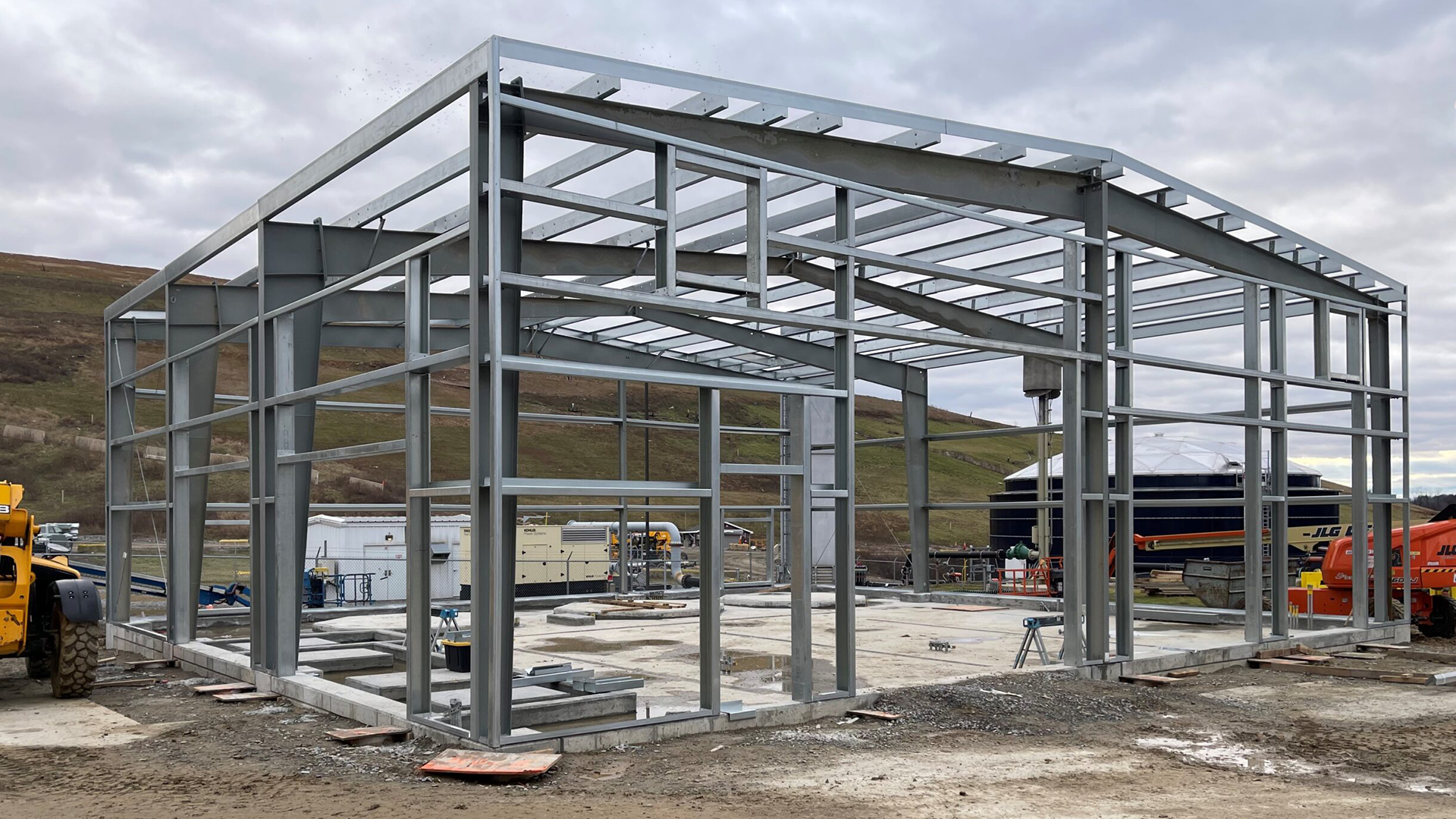
Steel pipeline support buildings provide the structural foundation for these essential midstream operations. From compressor stations managing flow to control centers monitoring systems, from storage facilities protecting equipment to maintenance buildings supporting field operations, steel construction delivers the strength, durability, and operational flexibility that pipeline infrastructure requires.
This comprehensive guide explores the critical role of steel pipeline support buildings in midstream infrastructure, the unique requirements these facilities must meet, and how steel construction enables the operational excellence that energy infrastructure demands.
The Midstream Challenge: Supporting Critical Energy Infrastructure
Midstream infrastructure operates in a unique context. Unlike upstream operations extracting products or downstream operations delivering to consumers, midstream manages the movement and processing of products between these endpoints.
Pipeline systems face physical and operational challenges that support buildings must address:
- Geographic dispersion. Pipelines extend across vast distances through varied terrain, climates, and environments. Support facilities must operate reliably in locations ranging from remote mountainous regions to coastal areas to urban centers.
- Continuous operation requirements. Pipelines operate 24/7 without seasonal shutdowns or maintenance windows. Support buildings must shelter equipment and personnel supporting operations that never stop.
- Remote locations. Many pipeline support facilities operate in isolated areas far from urban infrastructure, requiring facilities that are self-sufficient and reliable without nearby support services.
- Harsh environmental conditions. Support buildings withstand extreme temperatures, high winds, heavy snow loads, and environmental stresses that damage conventional structures. Coastal facilities face salt spray corrosion. Mountain facilities endure temperature swings exceeding 100°F.
- Specialized operational requirements. Different facility types require unique structural and mechanical characteristics. Compressor stations need heavy-duty foundations supporting vibrating equipment. Control centers need secure, climate-controlled environments. Storage facilities need protection from elements and environmental exposure.
Steel pipeline support buildings meet these diverse challenges through material properties and construction methods specifically suited to midstream infrastructure demands.
The Architecture of Steel Pipeline Support Buildings
Steel pipeline support buildings encompass various facility types, each serving critical functions within the midstream network.
Compressor Stations
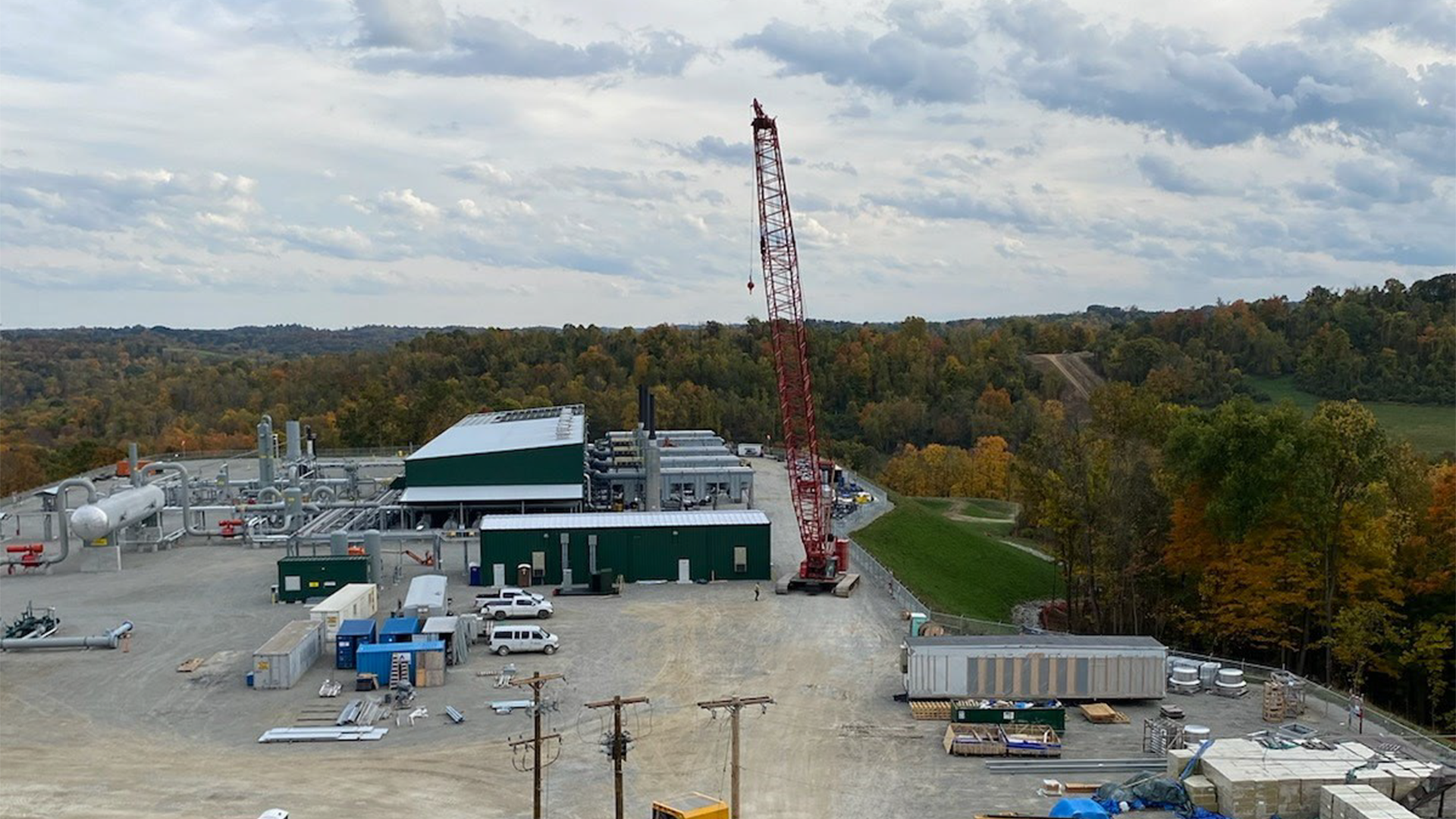
Compressor stations boost pressure maintaining product flow through pipelines. As products travel long distances, friction and elevation changes reduce pressure. Compressors restore pressure enabling continued flow. Multiple compressor stations spaced along pipelines work together maintaining system pressure and throughput.
Steel pipeline support buildings at compressor stations:
- Provide structural support for massive compressors weighing 50+ tons. These pieces of equipment generate significant vibration during operation requiring robust foundations and isolation systems minimizing vibration transmission to surrounding structures.
- House compressor drivers—engines or turbines powering compressors. These require protective enclosures, ventilation systems, and fuel supply infrastructure.
- Shelter auxiliary equipment including motors, transmissions, and control systems. Mechanical rooms house equipment protecting it from environmental exposure.
- Provide office and control room spaces where operators monitor system performance and control compressor operation.
- Accommodate water systems cooling compressors and equipment. Water treatment, storage, and circulation systems require dedicated space.
Dehydration and Processing Facilities
Natural gas extracted from wells contains water vapor. Water must be removed before transmission through pipelines (water-saturated gas can form damaging ice crystals in expansion equipment). Dehydration facilities remove moisture from gas before it enters transmission pipelines.
Steel pipeline support buildings supporting dehydration:
- House dehydration equipment including absorbers, regenerators, and heat exchangers. These systems require protection from weather and controlled operating environments.
- Protect chemical supplies used in dehydration processes. Proper storage, ventilation, and handling systems ensure safety and regulatory compliance.
- Provide control centers where operators manage dehydration processes and monitor equipment performance.
- Accommodate maintenance facilities and parts storage supporting equipment operation and routine maintenance.
Measurement and Custody Transfer Stations
Pipeline systems require precise measurement of product volumes and properties for custody transfer—the point where responsibility (and ownership) of product transfers between entities. Measurement stations include sophisticated instrumentation determining product volume, pressure, temperature, and composition.
Steel pipeline support buildings at measurement stations:
- Protect precision measurement equipment from environmental damage. Temperature and humidity control maintains measurement accuracy.
- House control systems managing measurement processes and collecting data supporting billing and regulatory reporting.
- Provide secure environments protecting against tampering or fraud. Access control systems limit who can enter measurement facilities.
- Accommodate redundant systems ensuring that measurement continues operating even if primary systems fail.
Storage and Inventory Facilities
Midstream operations sometimes require temporary storage of products. Storage facilities allow operators to balance supply and demand, manage seasonal variations, and respond to operational changes.
Steel pipeline support buildings supporting storage:
- Protect aboveground storage tanks from environmental exposure and corrosion. Structural systems support massive tanks containing thousands of barrels of product.
- Provide pump stations, transfer equipment, and piping infrastructure moving products into and out of storage.
- House control systems managing storage operations and monitoring product conditions.
- Provide safety infrastructure including fire suppression systems and emergency shutdown equipment.
Maintenance Facilities and Operational Bases
Pipeline companies require facilities supporting field operations including equipment storage, personnel facilities, and maintenance operations.
Steel pipeline support buildings as maintenance facilities:
- Provide covered storage protecting tools, equipment, and spare parts from weather and environmental exposure.
- Accommodate personnel facilities including offices, break rooms, and restroom facilities supporting field crews.
- House maintenance equipment and systems supporting pipeline repairs, inspections, and routine maintenance.
- Provide security features protecting valuable tools and equipment from theft or unauthorized access.
Design Requirements for Steel Pipeline Support Buildings
Steel pipeline support buildings must satisfy demanding requirements specific to midstream operations and the equipment they shelter.
Vibration Control and Equipment Isolation
Compressors and other rotating equipment generate vibration that can damage structures, reduce equipment service life, and create safety concerns. Proper vibration control requires specialized design approaches.
Vibration management strategies:
- Isolation systems decoupling equipment vibration from building structure. Spring isolators, elastomeric pads, and mechanical systems absorb vibration preventing transmission to structural systems.
- Reinforced foundations designed for dynamic loading. Equipment doesn’t sit on standard building floors—dedicated foundations support equipment ensuring forces transfer properly into ground.
- Vibration analysis during design identifying potential resonance conditions that would amplify vibration. Design modifications eliminate or control these resonance frequencies.
- Flexible connections between equipment and supporting structures allowing slight movement without affecting overall building integrity.
Professional vibration engineering ensures that buildings can reliably support equipment throughout its operational life without structural degradation or operational issues.
Environmental Durability in Challenging Climates
Pipeline support buildings operate in environments ranging from arctic extremes to tropical humidity. Structural systems must survive decades of environmental stress without excessive maintenance or degradation.
Environmental durability requirements:
- Corrosion-resistant materials and coatings protecting steel from rust. Coastal facilities face salt spray. High-humidity facilities face moisture-driven corrosion. Advanced coating systems protect steel in all environments.
- Proper drainage systems preventing water accumulation in structural cavities. Standing water promotes corrosion and structural deterioration.
- Ventilation systems managing moisture in buildings. Humidity control prevents condensation and moisture accumulation.
- Foundation design accounting for freeze-thaw cycles in cold climates. Proper drainage and foundation depth prevent damage from ground movement.
- Wind-resistant design appropriate to facility location. Coastal and mountain facilities experience high winds requiring robust structural design.
Regulatory Compliance and Safety Integration
Pipeline support buildings must meet federal pipeline safety standards (PHMSA regulations), OSHA occupational safety requirements, building codes, and industry standards. Safety features must be integrated into structural design, not added afterward.
Safety integration in structural design:
- Adequate egress and emergency exit provisions. Personnel must be able to evacuate quickly in emergencies.
- Properly sized and protected electrical systems meeting code requirements. Equipment protection and grounding systems ensure safe operations.
- Fire-resistant design where applicable. Some facilities require fire ratings protecting building contents and allowing personnel evacuation.
- Blast-resistant design for facilities handling hazardous materials. Structural resilience in case of accidental release or fire protects personnel and surrounding infrastructure.
- Structural robustness preventing progressive collapse if individual components are damaged. Multiple load paths ensure stability even under extraordinary conditions.
Operational Flexibility and Future Adaptability
Pipeline operations evolve. Equipment upgrades require facility modifications. Operational changes demand new capabilities. Steel pipeline support buildings must accommodate these changes without complete reconstruction.
Flexibility in structural design:
- Column placement allowing internal reconfiguration without structural modification. Open floor plans permit equipment rearrangement.
- Adequate ceiling heights accommodating future equipment installations. Equipment taller than original installations can be accommodated.
- Over-designed foundations providing capacity for heavier equipment than originally installed. Future upgrades don’t require foundation replacement.
- Utility systems sized with future capacity margins. Power, water, and other utilities can support additional loads without system replacement.
This operational flexibility means that steel pipeline support buildings can evolve with pipeline operations, accommodating changes throughout their service life.
Specialized Considerations for Pipeline Support Buildings
Beyond standard structural design, steel pipeline support buildings must address specialized considerations unique to midstream operations.
Pressure Equipment Integration
Many pipeline support buildings contain pressurized vessels and equipment. Structural systems must safely support this equipment while accommodating the unique loads it creates.
Pressure equipment considerations:
- Heavy equipment support requiring reinforced structural frames. Pressure vessels containing liquids or gases under pressure weigh significantly more than empty equipment.
- Expansion and contraction accommodation. Equipment expands and contracts as temperature and pressure change. Structural design must allow this movement without creating excessive stress.
- Access provisions for equipment inspection, maintenance, and repair. Structural design must allow inspectors and maintenance personnel to access equipment safely.
- Vibration isolation protecting against resonance conditions that could damage pressure vessels or connections.
Hazardous Material Storage and Handling
Some facilities store or handle hazardous materials including flammable liquids, toxic chemicals, or compressed gases. Structural design must integrate safety systems protecting against accidental release or fire.
Hazardous material considerations:
- Secondary containment systems preventing environmental contamination if containers leak. Structural design accommodates containment systems.
- Ventilation systems managing vapors or gases preventing accumulation to hazardous concentrations.
- Fire suppression systems and structural fire protection where applicable.
- Emergency response infrastructure and access for emergency personnel.
Remote Operation and Automation
Many pipeline support facilities operate remotely with minimal on-site personnel. Automation systems control operations while remote operators monitor performance. Structural design must accommodate automation equipment and remote monitoring systems.
Remote operation requirements:
- Control systems and instrumentation suitable for remote monitoring. Structural systems must protect sensitive electronics from environmental damage.
- Redundant systems ensuring continued operation even if primary systems fail. Backup power, backup controls, and alternative operational methods maintain pipeline integrity.
- Communication systems supporting remote operation. Antenna systems, cable routing, and communication equipment require structural support and integration.
Advanced Technologies in Modern Steel Pipeline Support Buildings
Modern pipeline support buildings increasingly incorporate advanced technologies enhancing operational capability and efficiency.
Integrated Monitoring Systems
Sensors throughout facilities monitor equipment performance, structural integrity, environmental conditions, and operational parameters. Real-time data informs operational decisions and alerts operators to potential problems.
These monitoring systems must integrate with building structure requiring planning during design phase for sensor placement, data transmission, and power supply.
Predictive Maintenance Systems
Advanced analytics identify equipment condition allowing maintenance planning before failures occur. This approach reduces unplanned outages and extends equipment service life.
Structural systems must accommodate monitoring equipment supporting predictive maintenance programs.
Renewable Energy Integration
Many pipeline support buildings incorporate solar panels or wind turbines generating supplemental power. Structural systems must support these renewable systems while accommodating future expansion or modification.
Efficiency Improvements
LED lighting, efficient HVAC systems, and advanced controls reduce operating costs. Modern steel pipeline support buildings increasingly incorporate efficiency features reducing lifetime operating expenses.
Regulatory Framework and Compliance
Steel pipeline support buildings must meet multiple layers of regulatory requirements specific to pipeline operations.
PHMSA Regulations
The Pipeline and Hazardous Materials Safety Administration (PHMSA) establishes federal standards for pipeline facility design, construction, and operation. These standards address structural design, safety systems, inspection procedures, and maintenance requirements.
Compliance with PHMSA standards is mandatory for facilities involved in product transportation, compression, or measurement.
OSHA Standards
Occupational Safety and Health Administration standards protect personnel working at facilities. These standards address facility design, equipment protection, hazard communication, and emergency response procedures.
Industry Standards
The American Petroleum Institute (API) and American Society of Mechanical Engineers (ASME) establish industry standards for pipeline operations and equipment. These standards guide facility design and construction practices.
The Financial Case for Quality Steel Construction
While quality steel pipeline support buildings represent significant capital investment, the financial case supporting this investment is compelling.
Long-term cost effectiveness through:
- Durability and extended service life reducing lifecycle costs. Steel buildings operating reliably for 50+ years distribute capital costs across decades of operation.
- Reduced maintenance requirements and extended equipment service life. Quality construction minimizes disruptions and maintenance costs.
- Operational reliability reducing unplanned outages and associated costs. Reliable facilities maintain pipeline operations without costly disruptions.
- Flexibility supporting future modifications without complete reconstruction. Adaptable facilities accommodate operational changes at lower cost than facility replacement.
- Energy efficiency reducing ongoing operating expenses. Efficient systems lower costs throughout facility lifetime.
Selecting a Partner for Steel Pipeline Support Buildings
Steel pipeline support buildings require specialized expertise in pipeline operations, equipment integration, regulatory compliance, and structural design. The right partner brings deep understanding of pipeline operations and equipment requirements, experience with PHMSA regulations and industry standards, structural engineering expertise for complex load conditions and vibration control, project management capability for geographically dispersed facilities, and a proven track record of successful pipeline support facility projects.
RedDirect brings extensive experience designing and constructing steel pipeline support buildings for midstream operators nationwide.