Design a Steel Building That’s Built Around Your Needs
Make Your Building Work for You
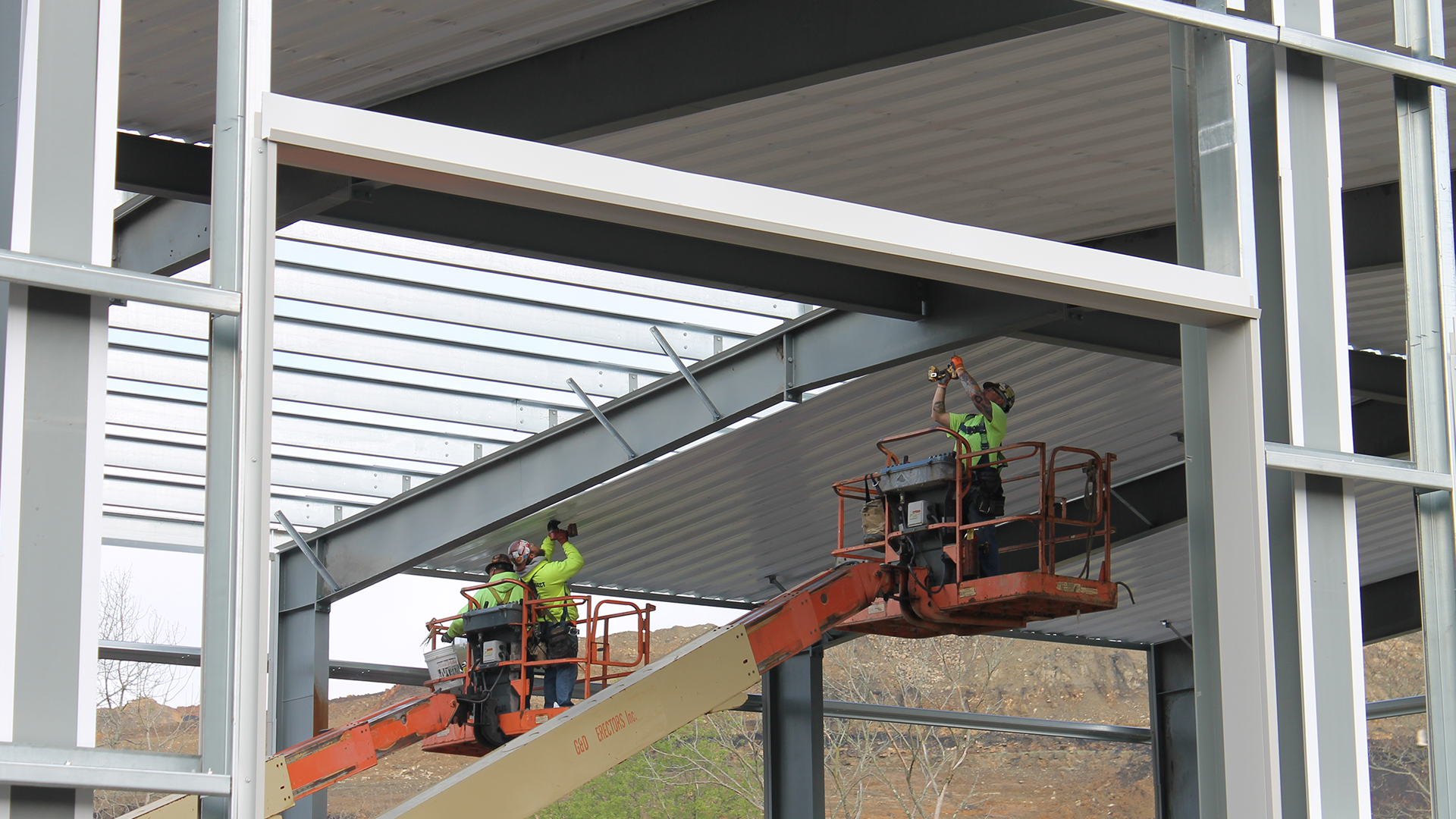
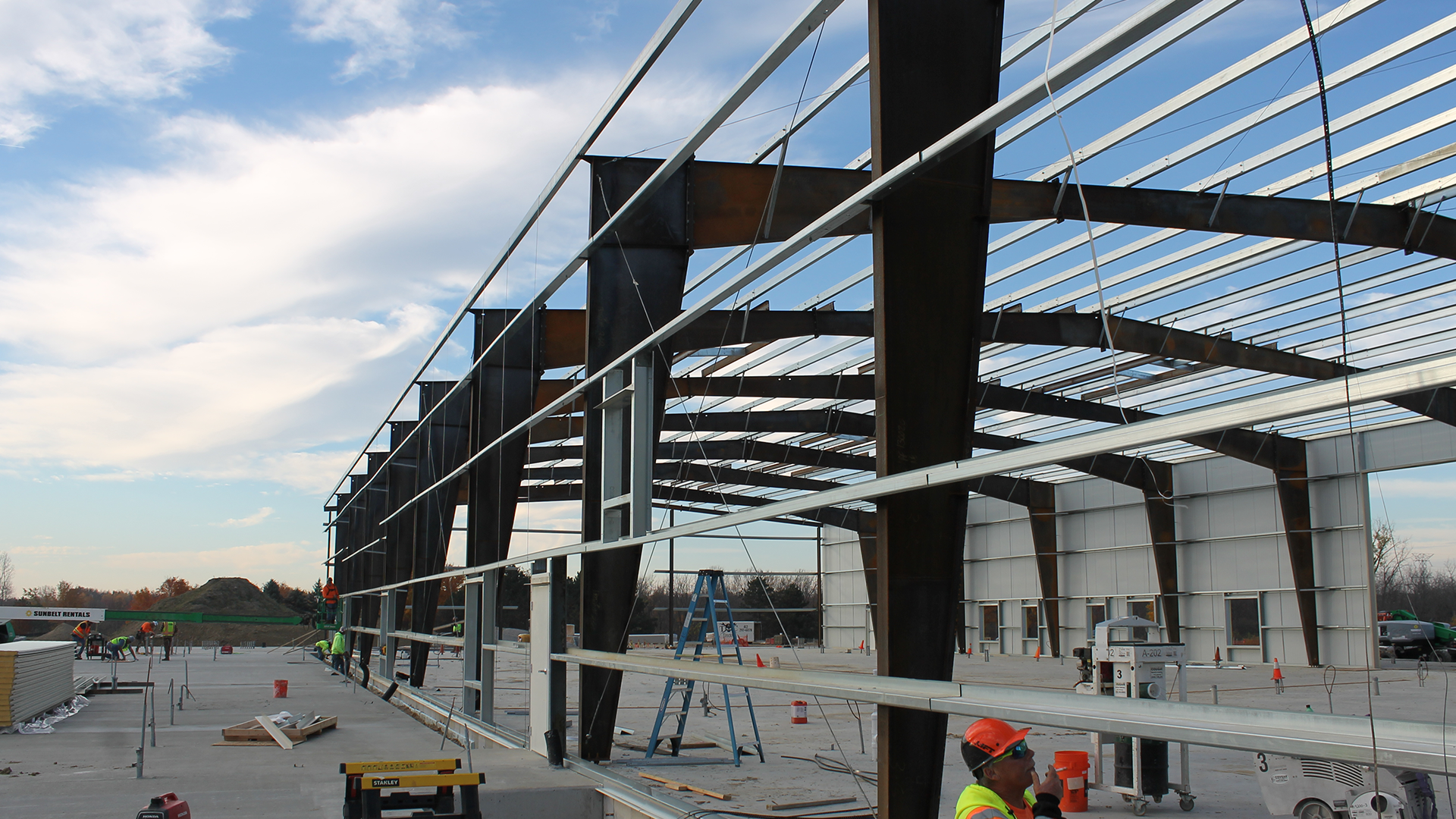
Steel buildings are known for their strength, efficient construction, and design flexibility—but that doesn’t mean they have to be one-size-fits-all. One of the biggest advantages of pre-engineered metal buildings (PEMBs) is the ability to coordinate dimensions, layouts, finishes, building-envelope systems, and specialized features around the intended use.
Whether you’re planning a warehouse, self-storage facility, manufacturing space, or retail storefront, customization can help create a structure that fits your current needs while preserving practical options for future growth.
This article explores popular steel-building options and features and explains how these decisions can influence performance, functionality, and appearance.
Start with a Strong Foundation—Then Make It Yours
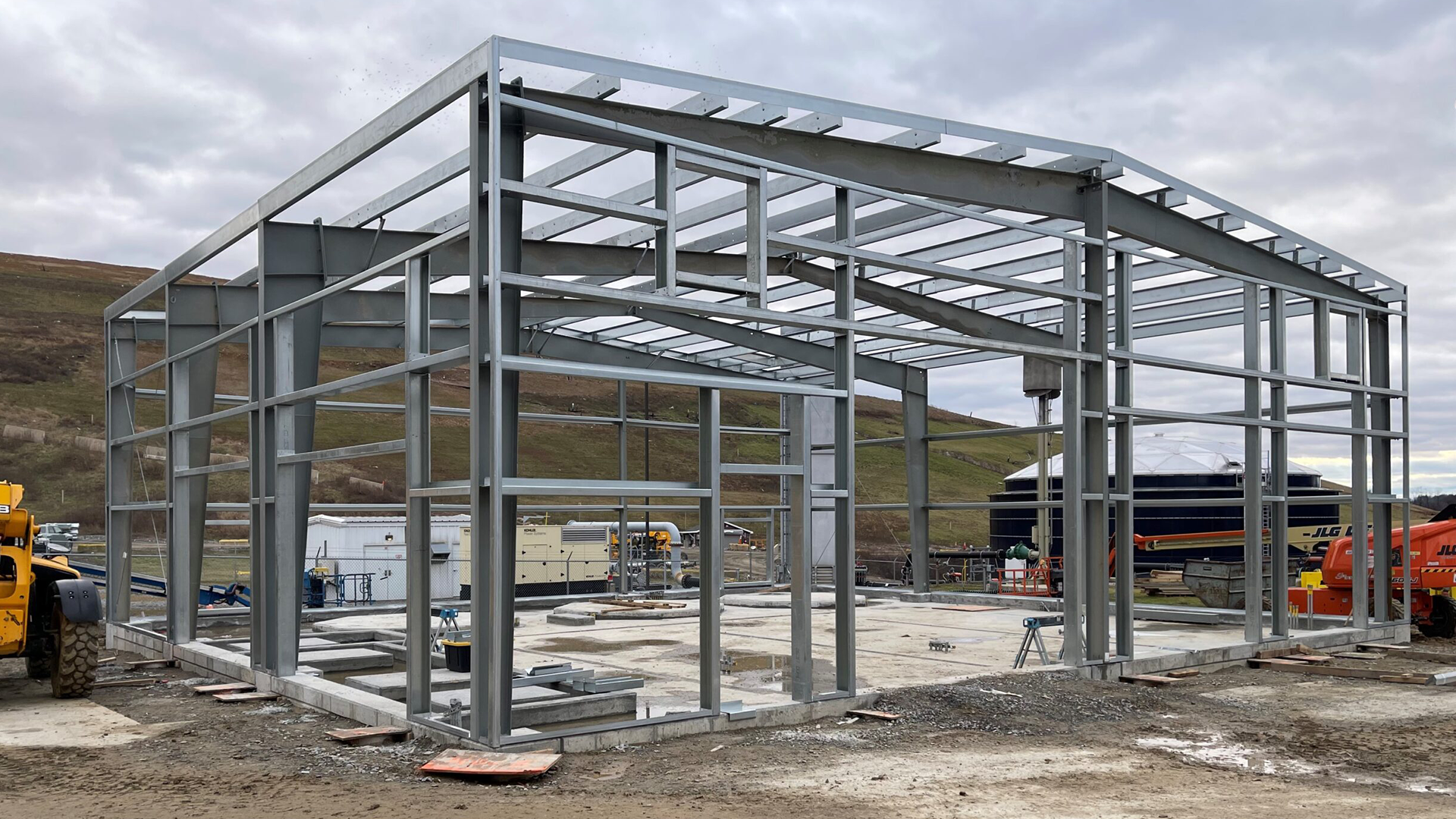
A successful steel-building project begins with understanding the operation, site, equipment, occupancy, code requirements, and future plans. Those requirements guide the engineering of the frame, foundation, openings, envelope, and other building systems.
Many PEMB elements can be customized, but the decisions must be coordinated before fabrication. Moving a door, adding rooftop equipment, changing insulation, or increasing structural loads can affect engineering, foundations, approvals, cost, and delivery. Red Direct’s overview of steel building project management explains why early coordination matters.
From exterior finishes to interior layouts, a steel building provider can help create a space that reflects your operational requirements, brand identity, and long-term goals.
Let’s look at some of the most popular options.
1. Exterior Finishes & Architectural Features
- Stucco, stone, brick, wood, or other compatible façade systems
- Paint colors and brand-aligned palettes
- Custom trim and architectural accents
- Parapet walls and awnings
- Glass storefronts and windows
These features can elevate curb appeal and help bring the building into alignment with surrounding architecture, brand standards, or local zoning requirements. Façade materials and attachments must be coordinated with the structural frame, moisture management, insulation, fire requirements, and applicable codes.
2. Roofing Styles and Performance Options
- Gable, single-slope, or multi-span roof configurations
- Standing-seam or exposed-fastener metal panels
- Skylights or translucent panels for natural lighting
- Roof-insulation systems selected for the climate and building use
- Solar-ready structural design
Reflective roof finishes can reduce solar heat absorption, particularly in cooling-dominated climates. Actual energy performance depends on climate, roof color and condition, insulation, air sealing, HVAC systems, occupancy, and building operation. Red Direct’s resource on sustainable roofing options for steel buildings examines these decisions in greater detail.
3. Doors, Windows, and Entry Points
- Overhead doors sized around vehicles, equipment, and workflow
- Personnel doors and emergency exits
- Glass entryways or double-door configurations
- Security-rated doors and reinforced frames where appropriate
- Window placement coordinated for daylight, visibility, privacy, and interior use
Openings can improve circulation, accessibility, daylight, and visibility, but they also affect structural framing, energy performance, weather protection, security, and egress. Their sizes and locations should be established before the building is released for fabrication.
4. Insulation and Energy Efficiency
- Blanket, rigid-board, insulated-panel, or other project-appropriate insulation systems
- Air and vapor-control layers selected for the climate and wall or roof assembly
- Roof and wall assemblies designed to satisfy applicable energy-code requirements
- Insulated metal wall and roof panels
- Reflective roof finishes where appropriate
Energy performance depends on the complete building envelope and mechanical system—not steel or insulation alone. Insulation continuity, thermal bridging, air sealing, moisture control, glazing, HVAC sizing, controls, commissioning, occupancy, and operating schedules all influence the result.
Owners pursuing broader sustainability goals can also review how steel buildings can support a coordinated LEED strategy. Certification and energy savings are based on the complete project and are not guaranteed by one material or feature.
5. Mezzanines and Multi-Level Layouts
- Mezzanine levels for approved office, production, or storage uses
- Interior stairways and code-required guards or handrails
- Engineered second-floor systems
- Overhead catwalks or maintenance platforms
These options can help operations use vertical space for offices, product assembly, equipment access, or storage above retail space. Structural loads, headroom, accessibility, egress, fire protection, utilities, and the intended occupancy must be coordinated during design.
6. Interior Layouts & Wall Systems
- Partition walls for separate rooms or operational zones
- Acoustic wall and ceiling systems
- Listed fire-resistance-rated assemblies where required
- Preplanned spaces for restrooms, kitchens, offices, or break rooms
- Open floor plans for warehousing, manufacturing, recreation, or other uses
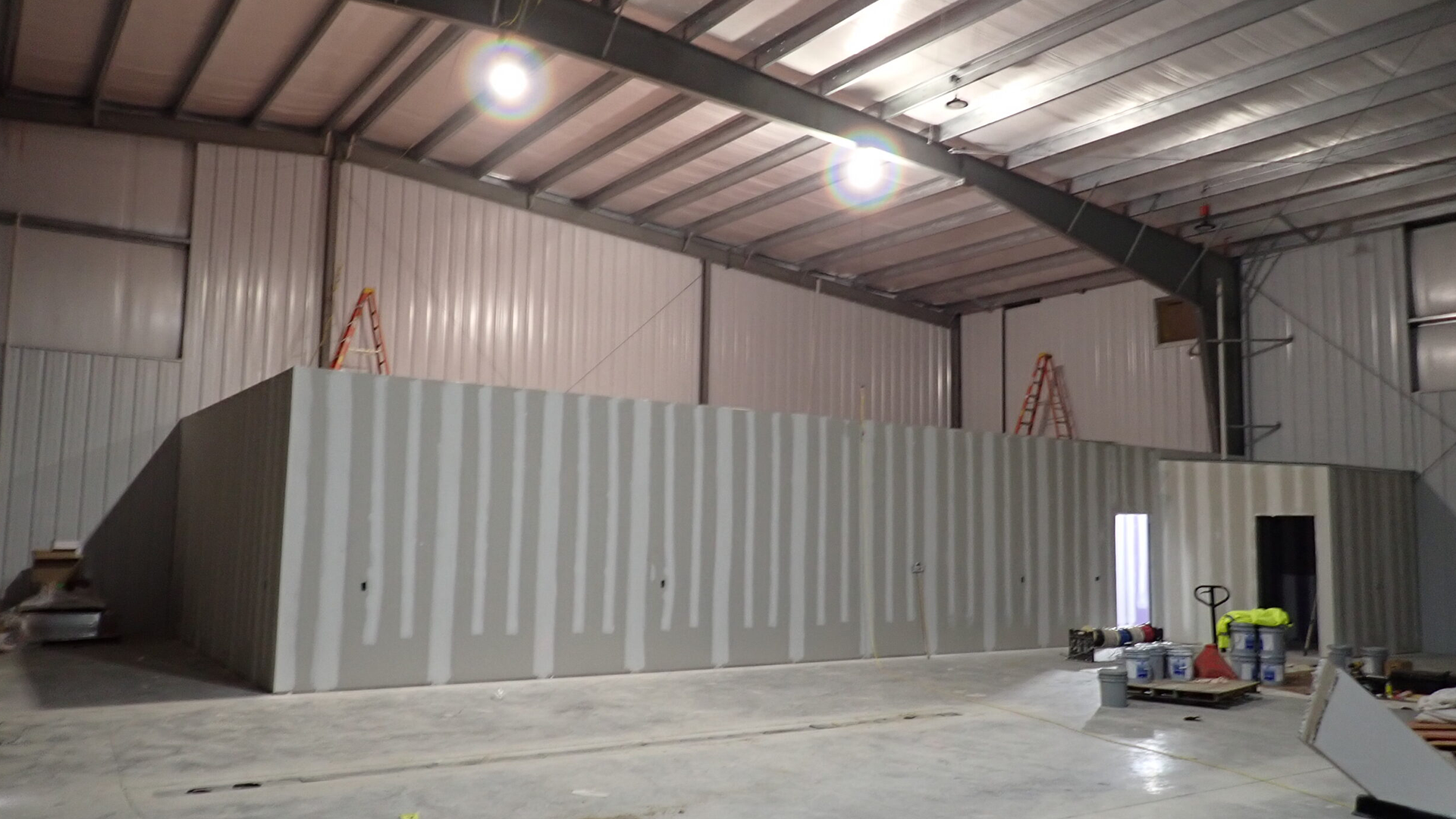
Interior finishes may include drywall, metal panels, tile, or composite systems based on the occupancy, environment, maintenance requirements, and desired appearance. Interior walls must also be coordinated with utilities, equipment, egress, accessibility, fire protection, and structural elements.
7. Climate-Controlled or Specialized Spaces
- Temperature-regulated rooms or operational zones
- Insulated cold rooms and freezer spaces
- Dust-, humidity-, or pressure-controlled environments
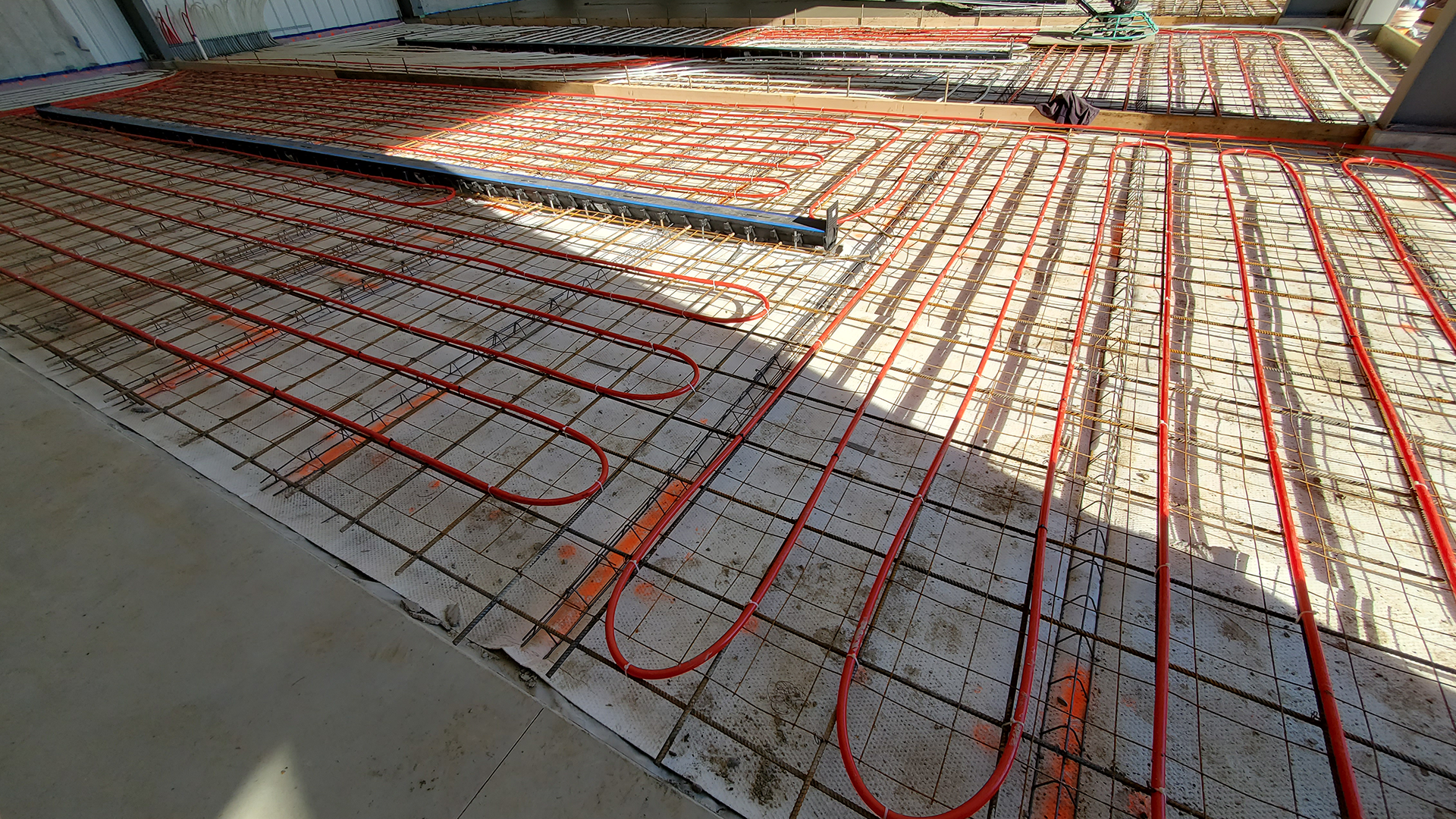
- Coordinated HVAC and ventilation systems
- Appropriate air-filtration systems for the intended operation
Specialized environments require coordinated architectural, structural, mechanical, electrical, plumbing, fire-protection, monitoring, and control systems. These features can help businesses satisfy applicable operational or customer requirements when designed, installed, commissioned, and maintained correctly.
For temperature-sensitive operations, Red Direct’s resource on steel cold-chain logistics facilities explains why the structure, insulation, refrigeration, moisture control, monitoring, and operating procedures must work together.
8. Lighting, Electrical, and Technology Integration
- Electrical service and distribution coordinated with equipment requirements
- Lighting layouts designed around the building’s tasks and occupancy
- Sensors, controls, automation, and building-management technology
- Integrated security, access-control, and alarm systems
- Exterior lighting and motion-responsive controls
Steel buildings can accommodate modern electrical and technology systems, but capacity, pathways, mounting locations, equipment loads, cybersecurity considerations, and future replacement access should be planned before installation. Electrical work must be designed and completed by qualified professionals under the applicable codes and project requirements.
9. Exterior Site Features and Add-Ons
- Canopies, loading docks, and protected entrances
- Covered parking or vehicle bays
- Fencing and gates for site security
- Building and directional signage
- Landscaping, pavement, sidewalks, and hardscape coordination
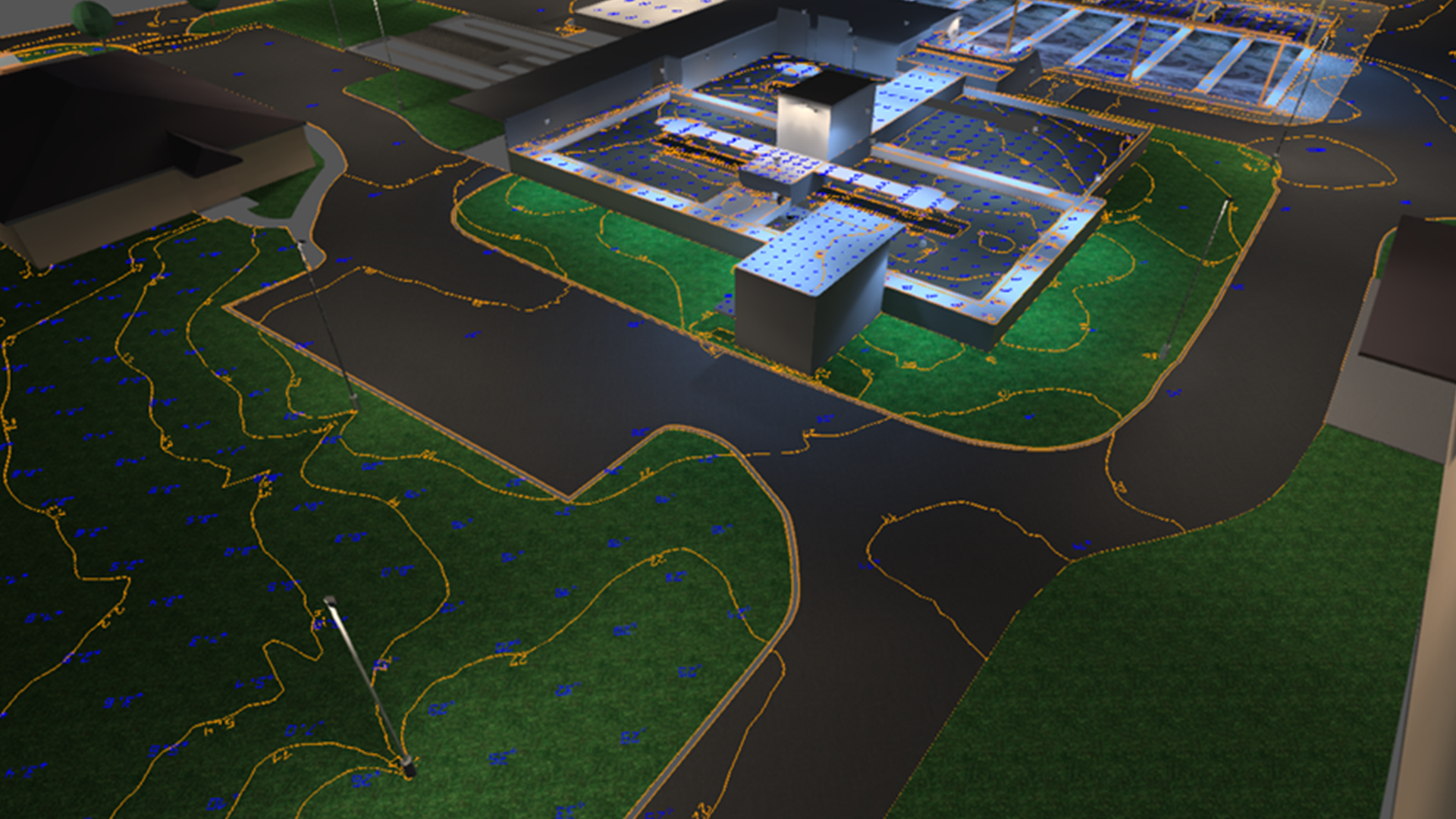
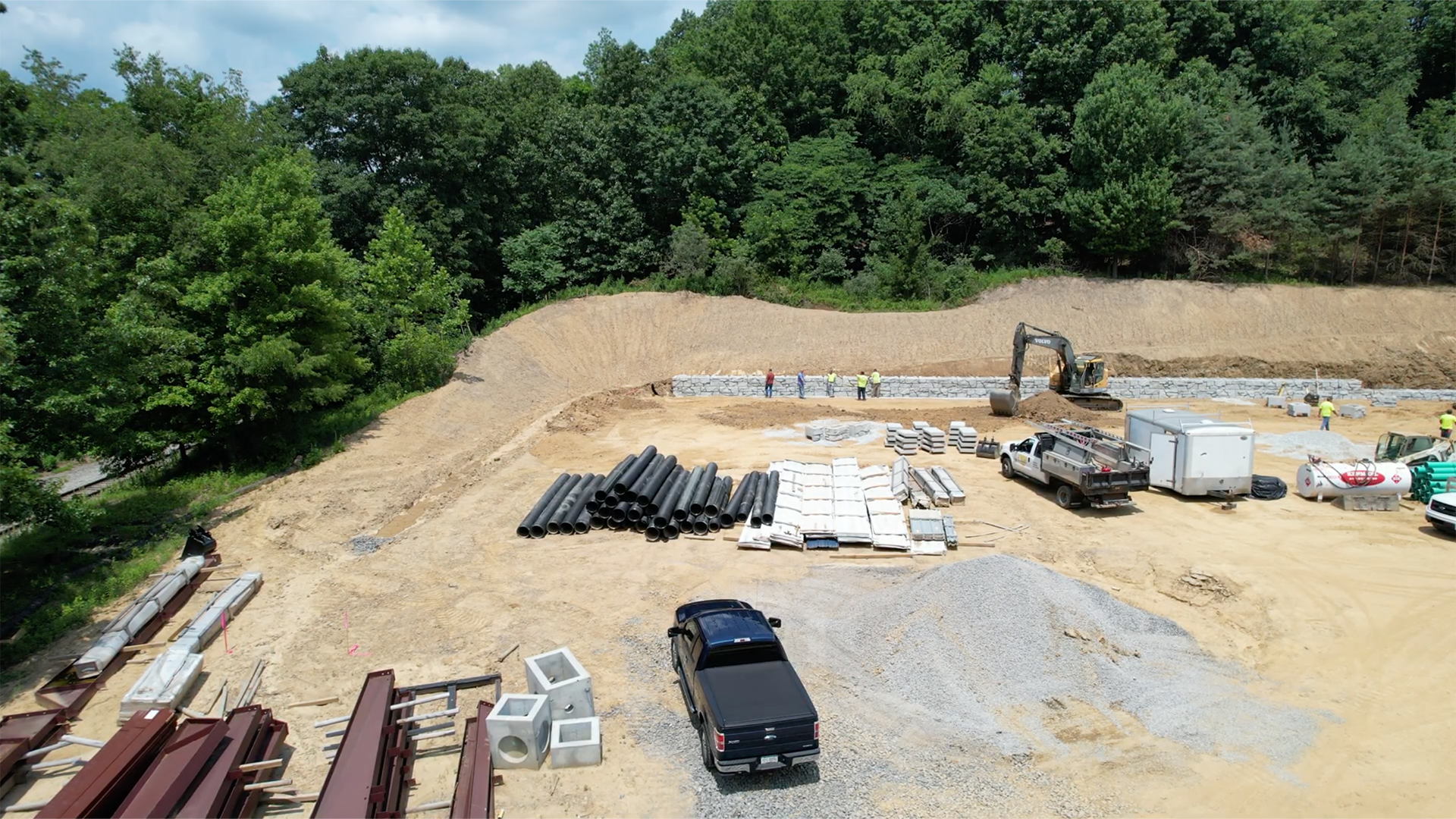
Exterior features should support the movement of employees, customers, delivery vehicles, emergency responders, and equipment. They must also be coordinated with property boundaries, setbacks, utilities, drainage, stormwater management, accessibility, security, and permitting.
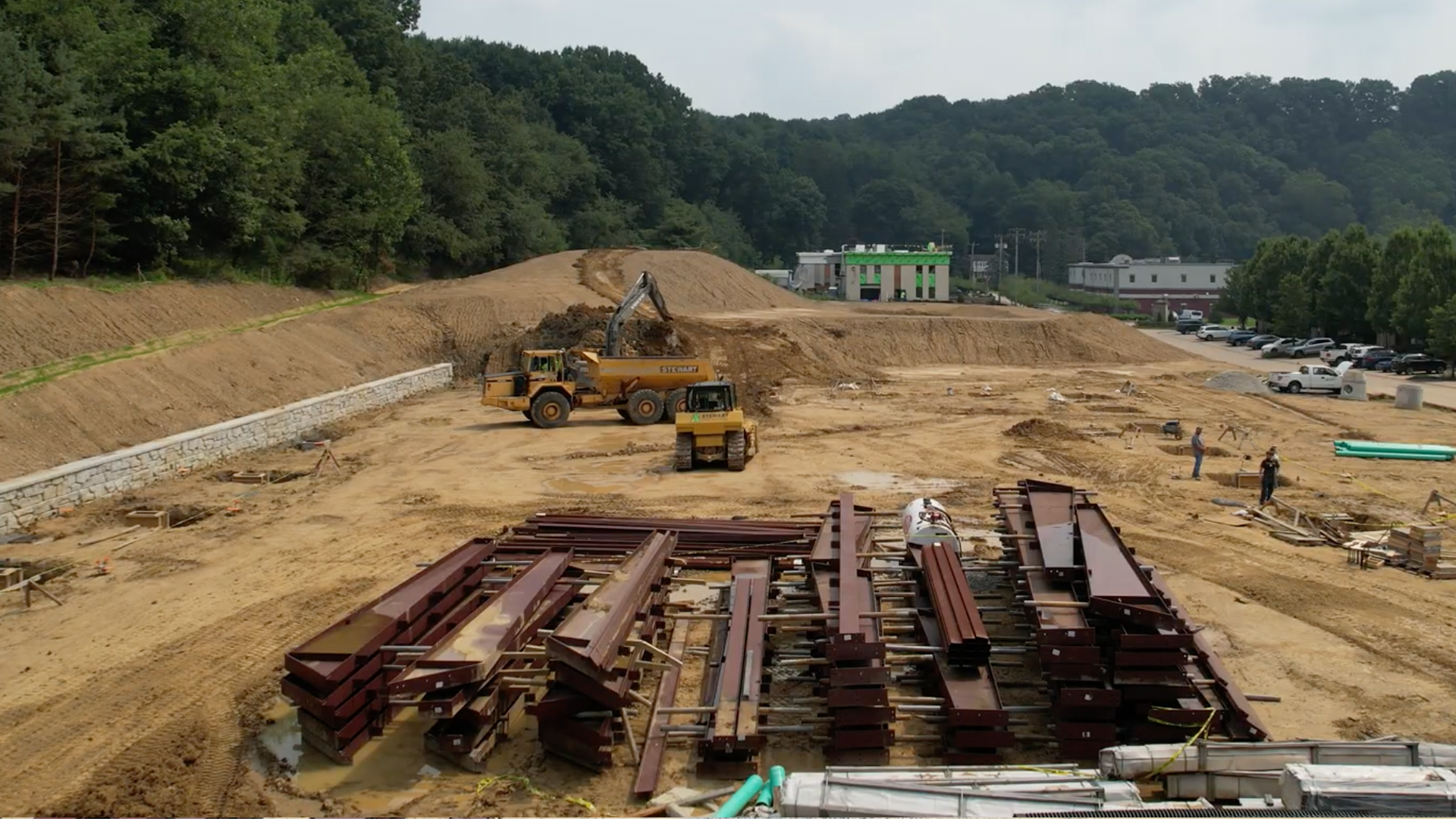
Red Direct’s overview of site development and grading for steel buildings covers many of the site-level decisions that should be evaluated alongside the building itself.
10. Future-Ready Design for Expansion
- Designating an end wall or building elevation for a potential addition
- Planning structural framing and connections around credible expansion scenarios
- Coordinating rooflines, drainage, utilities, access, and site circulation with future growth in mind
- Reserving adequate site area for additional building sections, parking, loading, or stormwater needs
Whether you’re considering a second warehouse or additional square footage, PEMBs can be planned with expansion in mind. Expansion is not automatic, however. It depends on the original engineering, site capacity, utilities, codes, operational constraints, and the condition of the existing structure.
Businesses planning future growth can explore Red Direct’s resource on modular steel building additions for industrial facilities.
Customization Is the Key to a Better-Fit Build
No two businesses operate exactly the same way, and their buildings should reflect those differences. Steel construction can provide an adaptable structural platform tailored to workflow, equipment, brand identity, site conditions, and long-term goals.
Effective customization is more than selecting colors or accessories. It means coordinating the structure, envelope, openings, interiors, building systems, site, and future plans before decisions become difficult or expensive to change.