WHY MODERN PROJECTS ARE CHOOSING STEEL FOR ENERGY INFRASTRUCTURE DESIGN
Energy infrastructure projects demand buildings and facilities capable of supporting heavy equipment, operating continuously, and withstanding challenging environmental conditions. Whether the project involves midstream natural gas facilities, energy processing plants, technology infrastructure, or large-scale industrial operations, the structural materials used in construction play a critical role in determining long-term reliability.
For decades, traditional building materials such as concrete, masonry, and wood framing were widely used in commercial and industrial construction. While these materials still serve certain applications, modern energy infrastructure projects are increasingly turning to steel construction as a preferred structural solution.
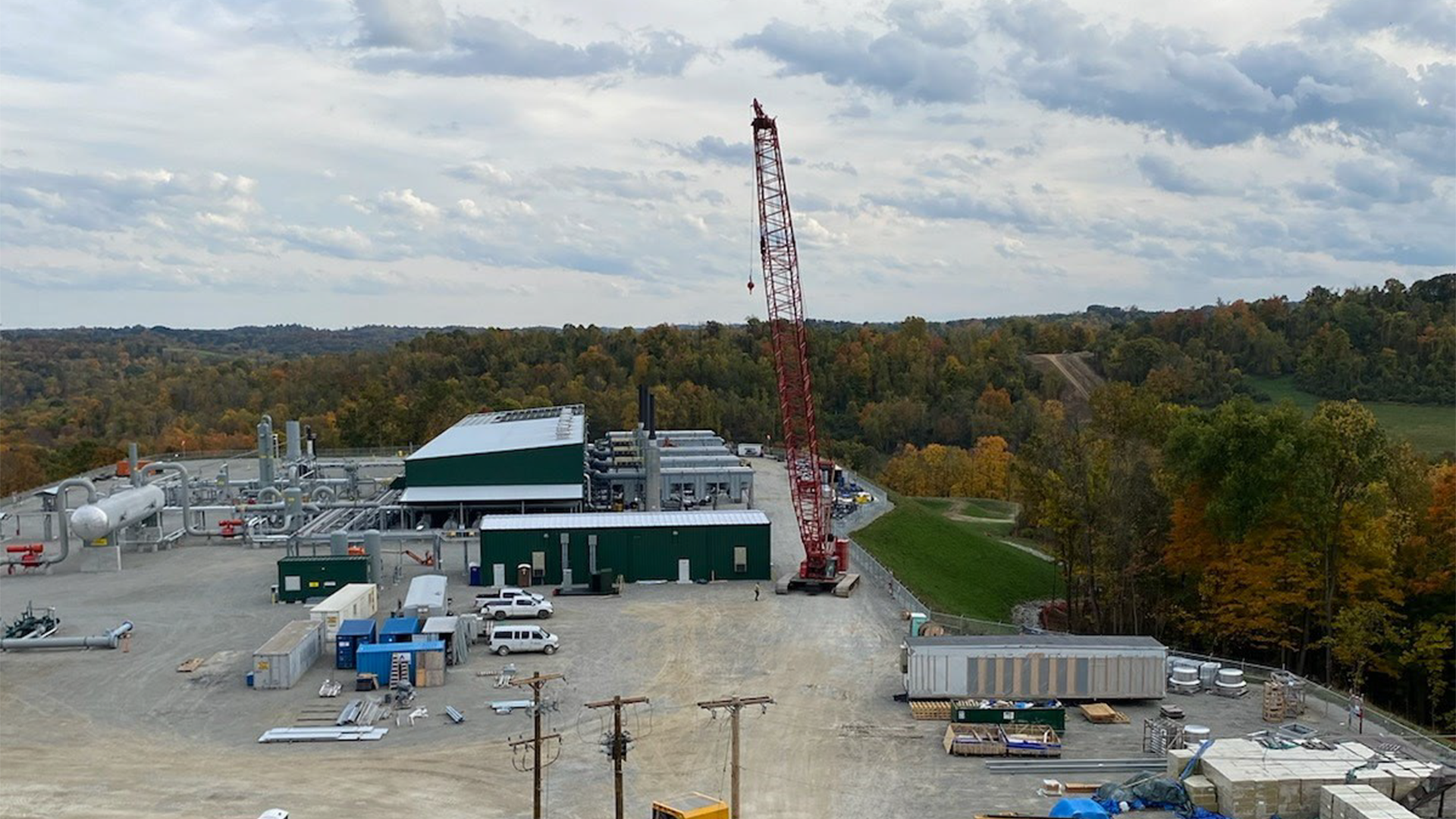
Steel buildings offer a combination of strength, flexibility, and long-term durability that aligns with the demanding requirements of energy infrastructure. From pipeline compressor stations to AI data centers and processing plants, steel structures provide the structural reliability needed to support complex industrial operations.
Understanding how steel compares to traditional construction materials helps developers, engineers, and infrastructure planners make informed decisions when designing new facilities.
UNDERSTANDING THE DEMANDS OF MODERN ENERGY INFRASTRUCTURE
Energy infrastructure facilities must operate under conditions that place significant stress on building systems and structural materials.
Facilities supporting energy operations often include:
- heavy industrial equipment
- large mechanical systems
- high electrical loads
- continuous operating schedules
- exposure to harsh environmental conditions
These operational demands require buildings capable of maintaining structural stability while supporting critical infrastructure systems.
When selecting materials for these facilities, engineers must evaluate several key performance factors.
Structural strength
Energy facilities often house compressors, turbines, processing equipment, and storage systems that place significant loads on building structures.
Durability in industrial environments
Infrastructure projects may operate in remote regions where buildings must withstand temperature fluctuations, moisture exposure, and wind conditions.
Maintenance requirements
Facilities designed for long-term operation must minimize maintenance demands that could interrupt operations.
Construction efficiency
Energy projects often operate on strict development timelines, making construction speed an important consideration.
Steel construction has proven capable of addressing many of these challenges more effectively than traditional building materials.
STRUCTURAL STRENGTH: HOW STEEL SUPPORTS HEAVY INFRASTRUCTURE
One of the most important considerations in energy infrastructure design is structural strength. Facilities must support heavy equipment installations that can place concentrated loads on building systems.
Steel framing systems offer several structural advantages that make them particularly well suited for industrial environments.
High load-bearing capacity
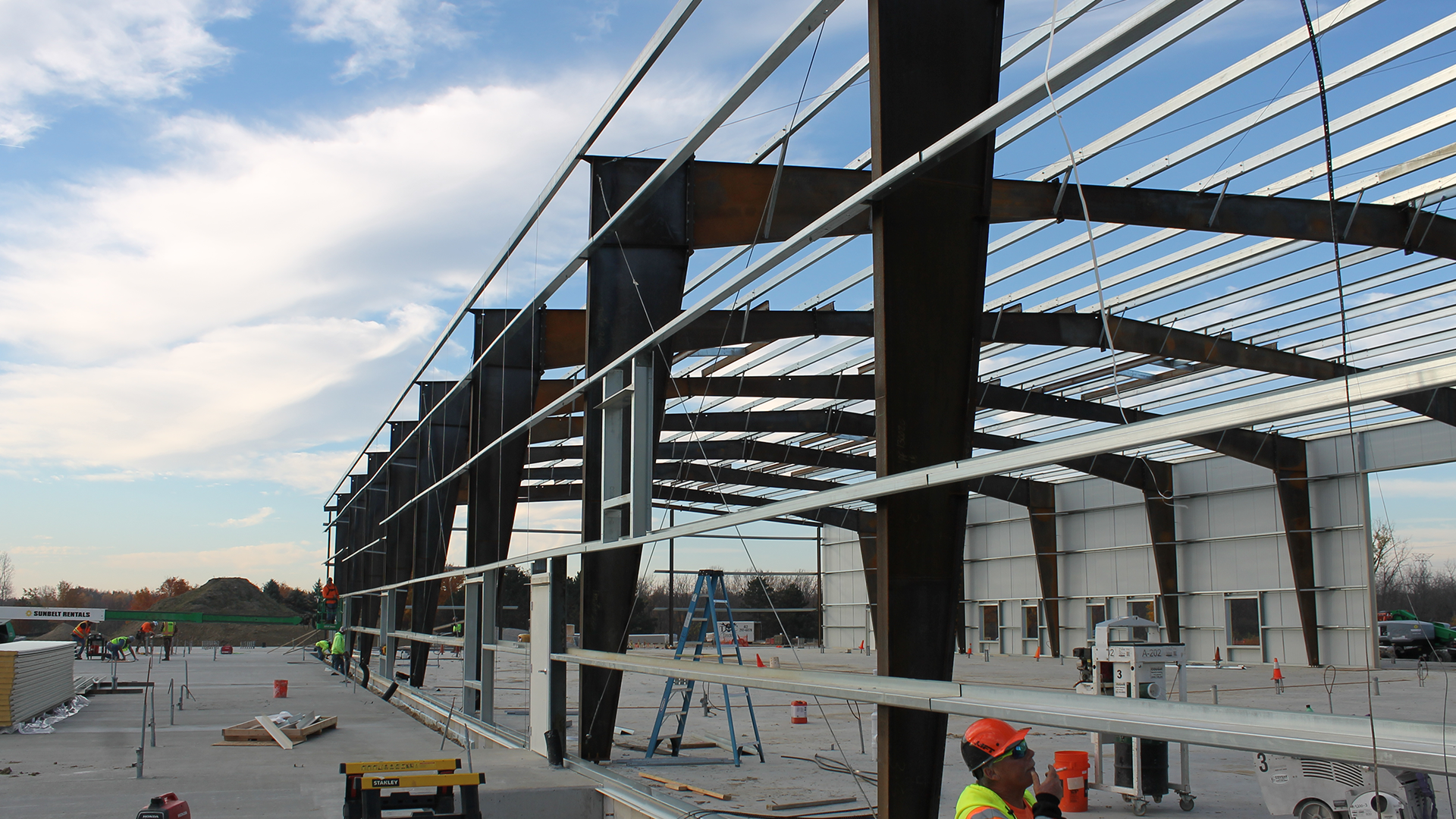
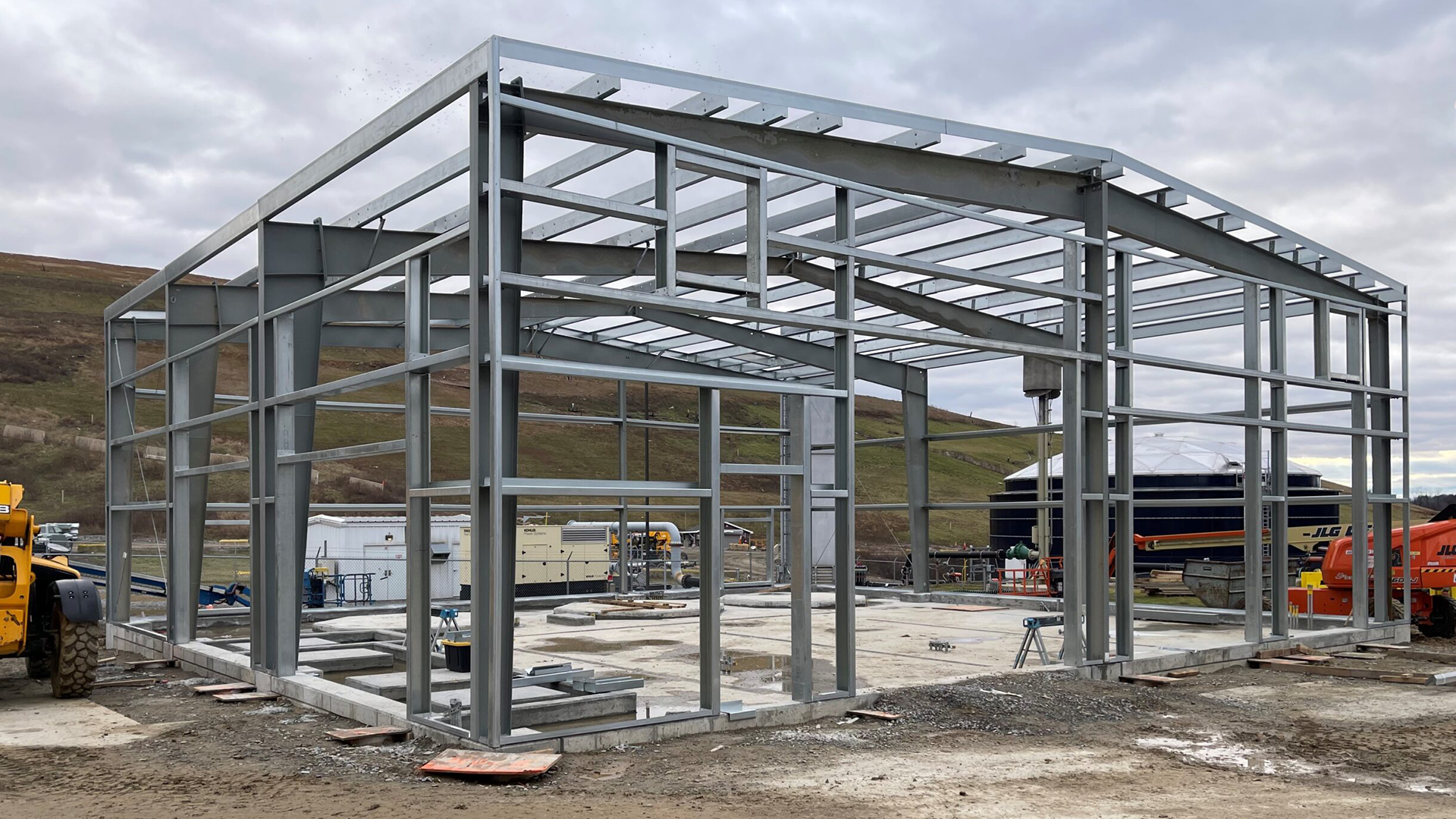
Steel beams and columns can support significant structural loads while maintaining stability across large spans. This allows engineers to design facilities that accommodate heavy mechanical systems without compromising structural performance.
Large clear-span interiors
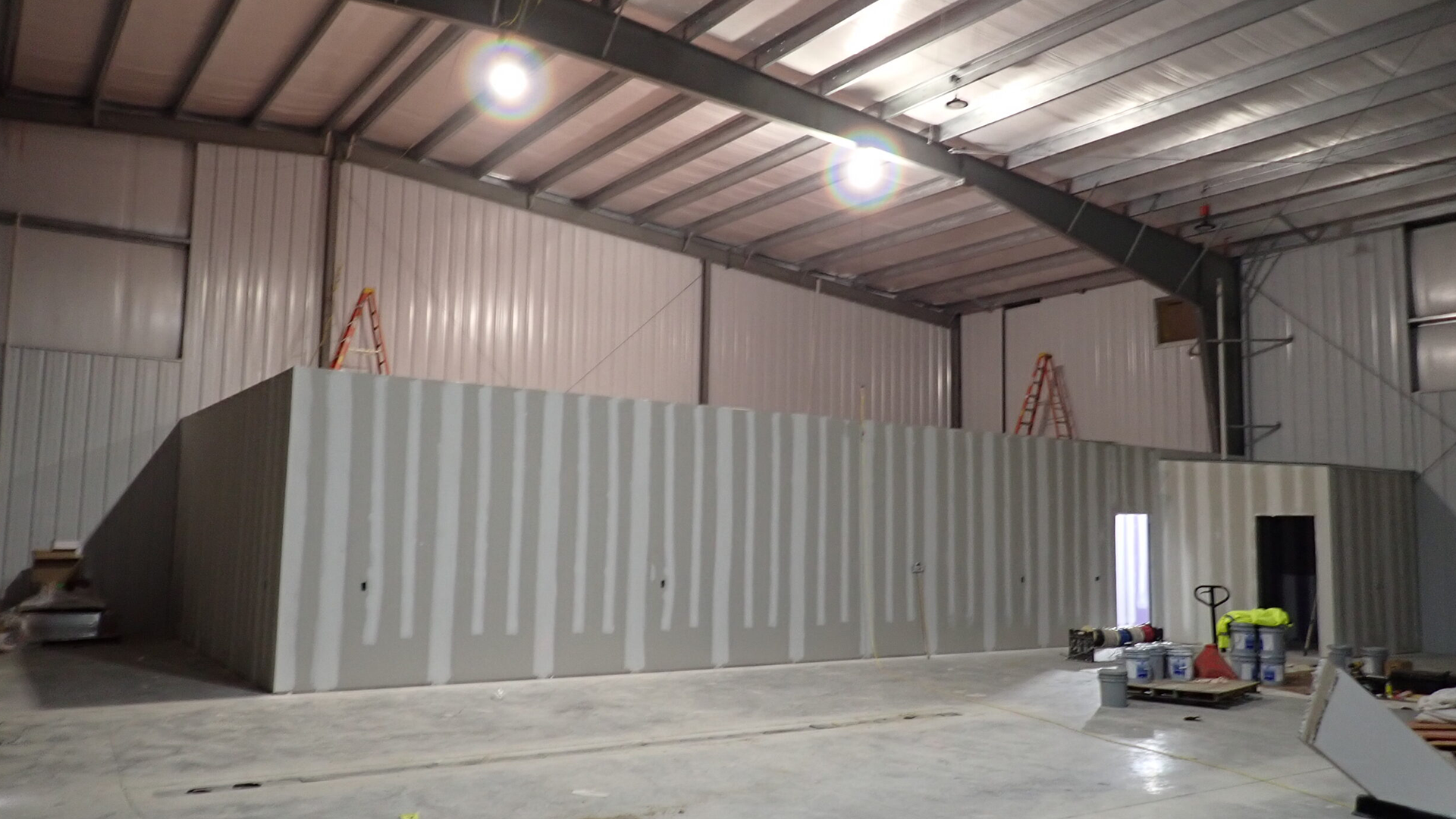
Steel buildings can be designed with wide clear spans that eliminate interior support columns. This feature allows infrastructure operators to install large equipment while maintaining open interior layouts.
These open spaces are especially valuable in facilities housing:
- compressor equipment
- processing units
- large storage vessels
- server infrastructure in technology facilities
Traditional construction methods may require additional structural supports that limit interior space and equipment layout flexibility.
DURABILITY IN CHALLENGING ENVIRONMENTS
Energy infrastructure facilities often operate in locations where environmental conditions can vary dramatically.
Buildings may be exposed to:
- extreme temperatures
- high winds
- heavy snow loads
- humidity and moisture
- industrial chemicals
Steel construction provides durability that helps facilities withstand these conditions.
Steel structural components are designed to resist warping, cracking, and other structural degradation that may occur with some traditional materials.
With proper protective coatings and corrosion-resistant finishes, steel buildings can maintain structural performance for decades while requiring minimal maintenance.
CONSTRUCTION TIMELINES AND PROJECT EFFICIENCY
Infrastructure development projects often operate under tight construction schedules. Energy companies may need facilities operational quickly to support pipeline expansions, processing capacity increases, or technology deployments.
Steel construction offers advantages that can help reduce project timelines.
Prefabricated components
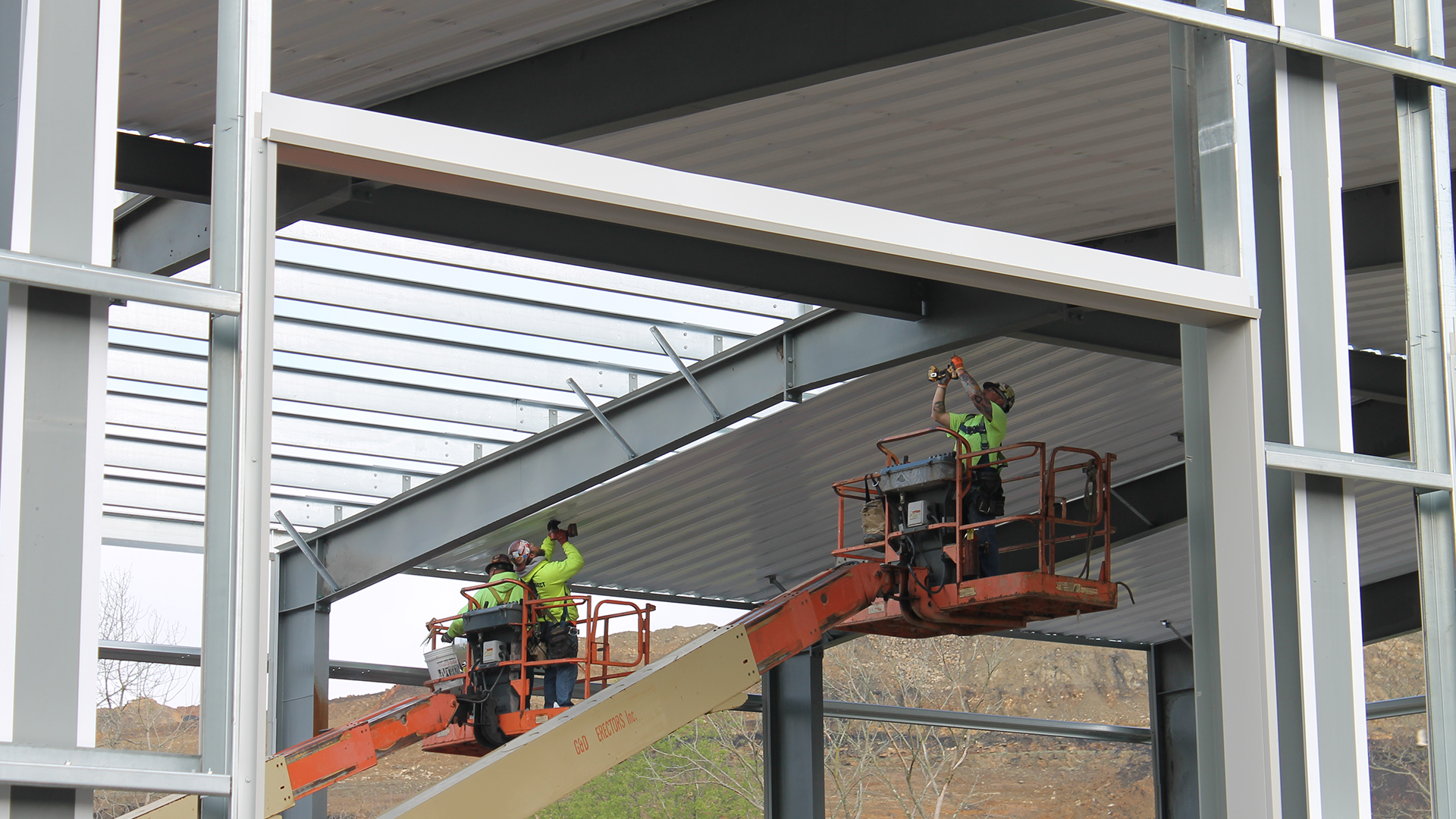
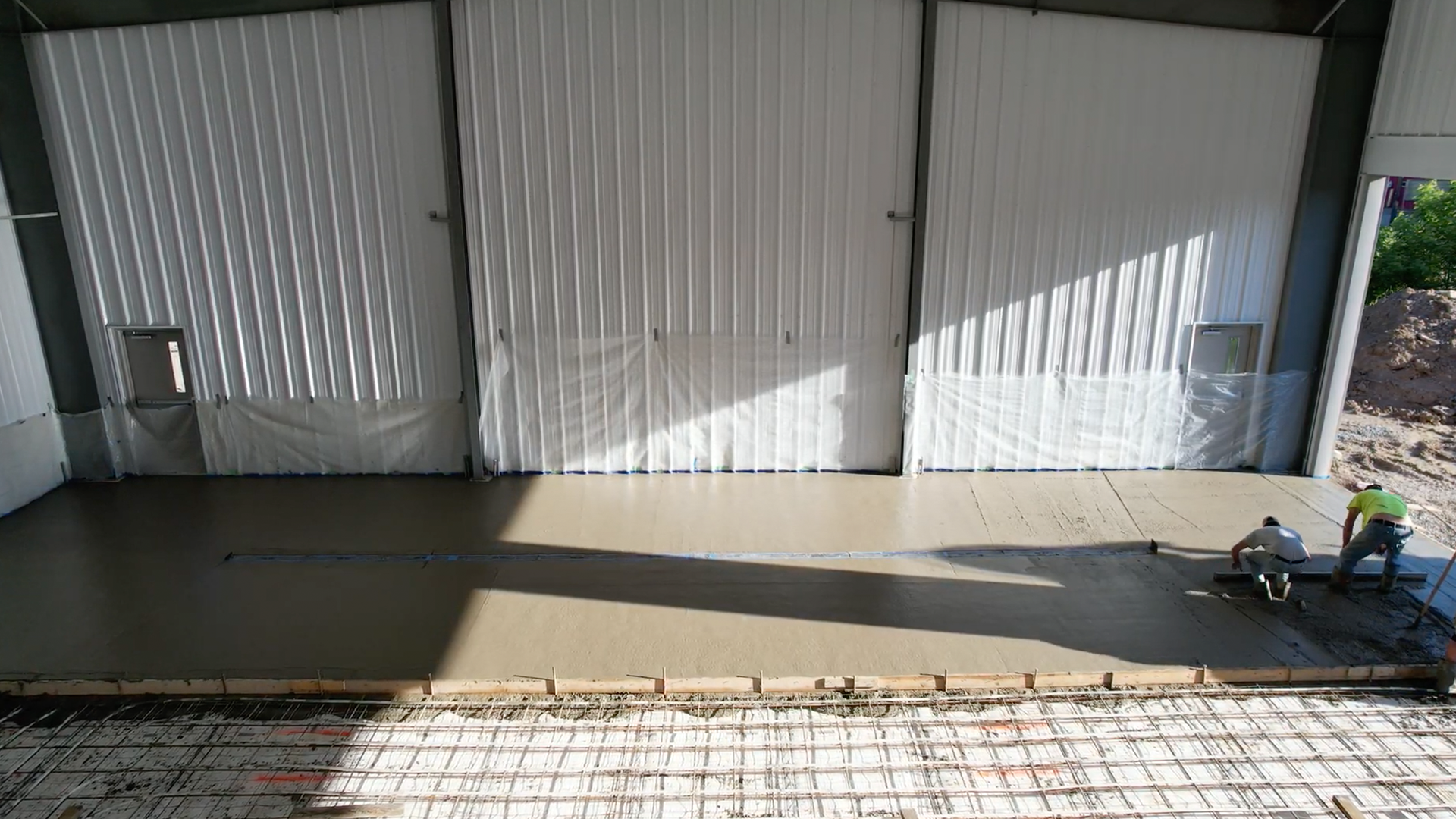
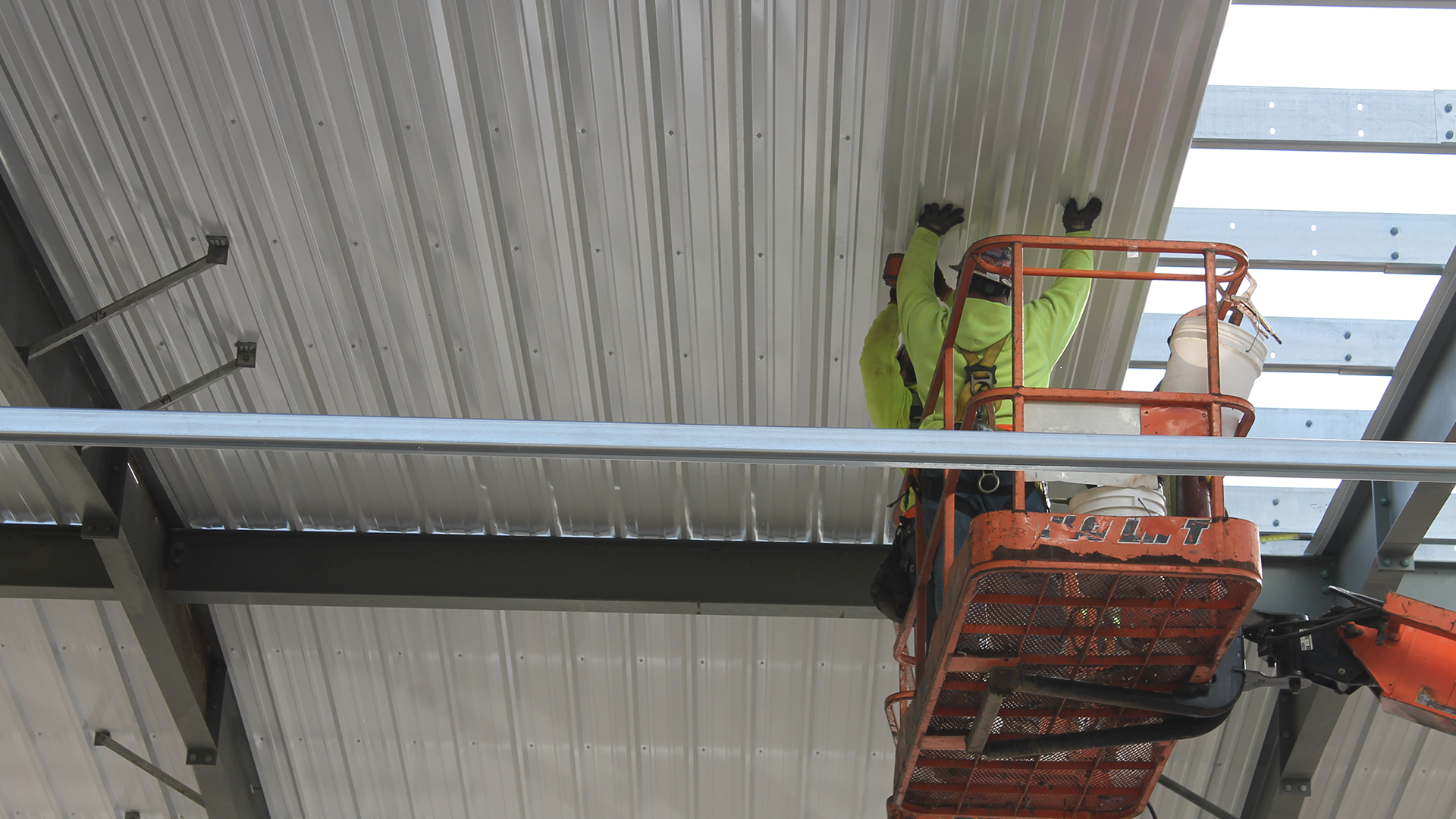
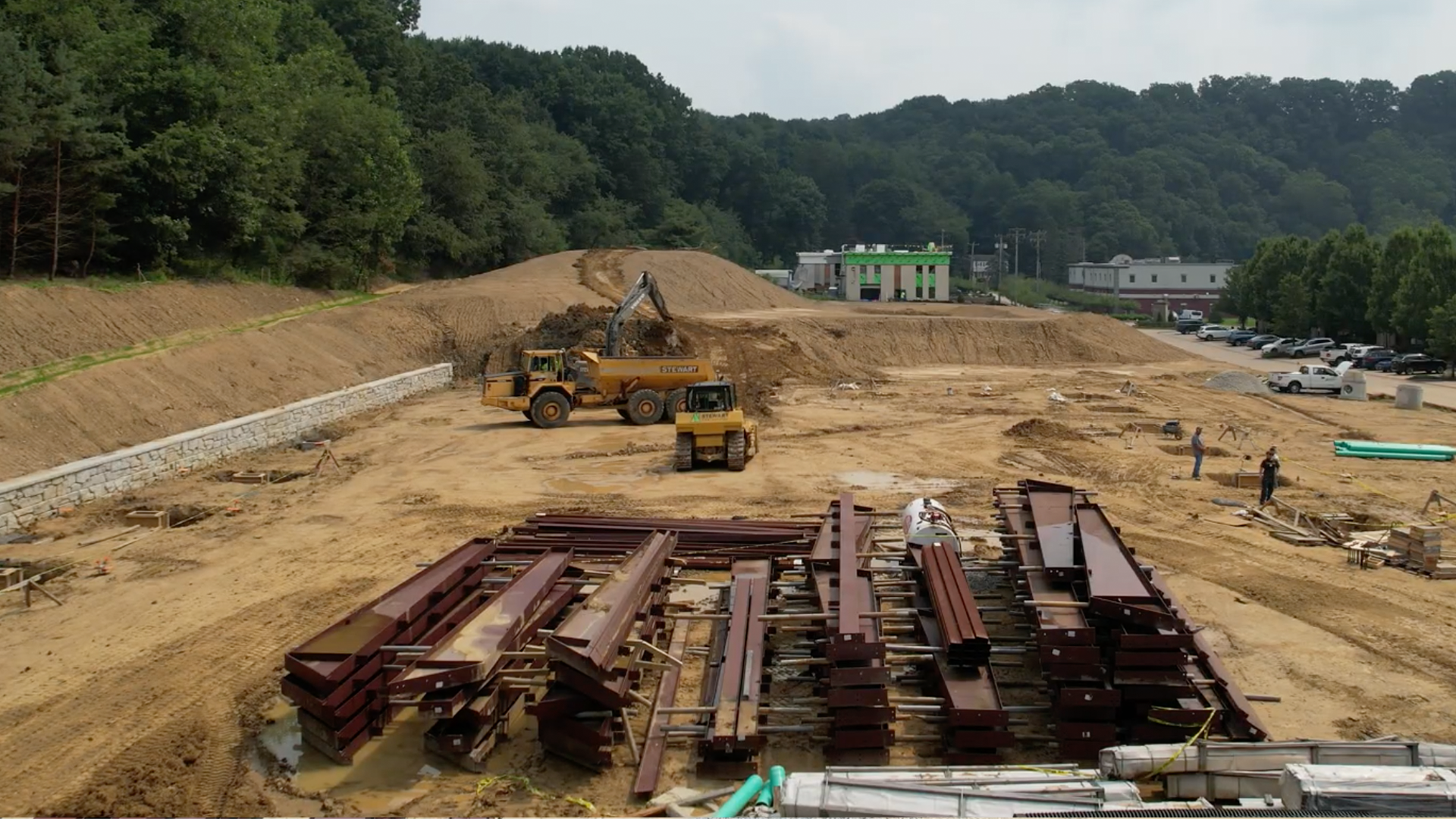
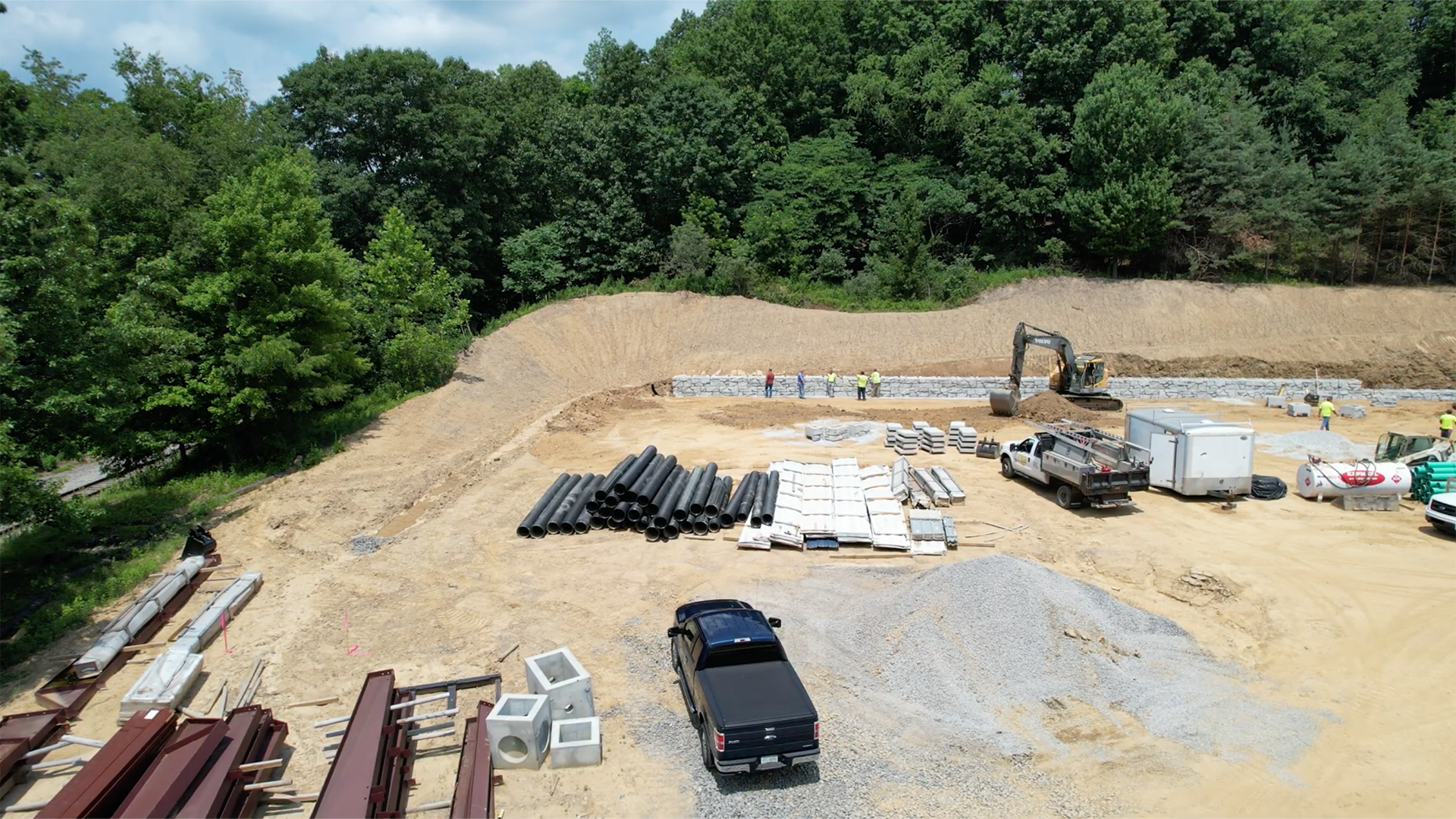
Many steel building systems are manufactured off-site in controlled environments before being transported to the construction site. These prefabricated components can then be assembled efficiently once foundations are prepared.
Reduced construction delays
Because many structural components arrive ready for installation, steel construction can help reduce delays associated with on-site material preparation.
This approach often allows infrastructure developers to complete projects faster than traditional construction methods.
SCALABILITY FOR FUTURE INFRASTRUCTURE EXPANSION
Energy infrastructure networks often expand over time as demand increases and new technologies emerge.
Facilities supporting these networks must be designed with flexibility that allows future expansion.
Steel buildings provide a structural framework that supports scalable infrastructure development.
Common expansion scenarios may include:
- adding new compressor units to pipeline facilities
- expanding processing plant capacity
- increasing server infrastructure in data centers
- adding storage or equipment bays
Steel structures can often be extended or modified more easily than buildings constructed with certain traditional materials.
This flexibility allows infrastructure developers to adapt facilities as operational needs evolve.
COMPARING STEEL WITH TRADITIONAL BUILDING MATERIALS
Steel vs Concrete
Concrete has long been used in large industrial projects due to its compressive strength. However, concrete structures often require longer construction timelines and may be more difficult to modify once construction is complete.
Steel buildings typically allow faster construction and easier future expansion.
Steel vs Masonry
Masonry construction is commonly used in commercial buildings but may not provide the same structural flexibility required for large industrial facilities.
Steel framing allows wider interior spans and greater design flexibility.
Steel vs Wood Framing
Wood framing is generally unsuitable for large industrial infrastructure projects due to its limited load capacity and vulnerability to environmental factors.
Steel provides significantly greater structural strength and durability for heavy industrial environments.
THE FUTURE OF INFRASTRUCTURE CONSTRUCTION
As energy infrastructure continues evolving to support new technologies and growing energy demand, construction methods must adapt to meet these changing requirements.
Steel construction offers a combination of structural strength, design flexibility, and construction efficiency that aligns with the needs of modern infrastructure development.
Facilities supporting natural gas transmission, energy processing, and advanced computing environments increasingly rely on steel structural systems to maintain long-term operational reliability.
By enabling durable infrastructure capable of supporting complex industrial systems, steel buildings help ensure that energy facilities remain reliable for decades.
As infrastructure projects grow in scale and complexity, steel construction will continue playing a key role in shaping the future of industrial and energy facility design.