Structural and Operational Demands of Natural Gas Compressor Stations
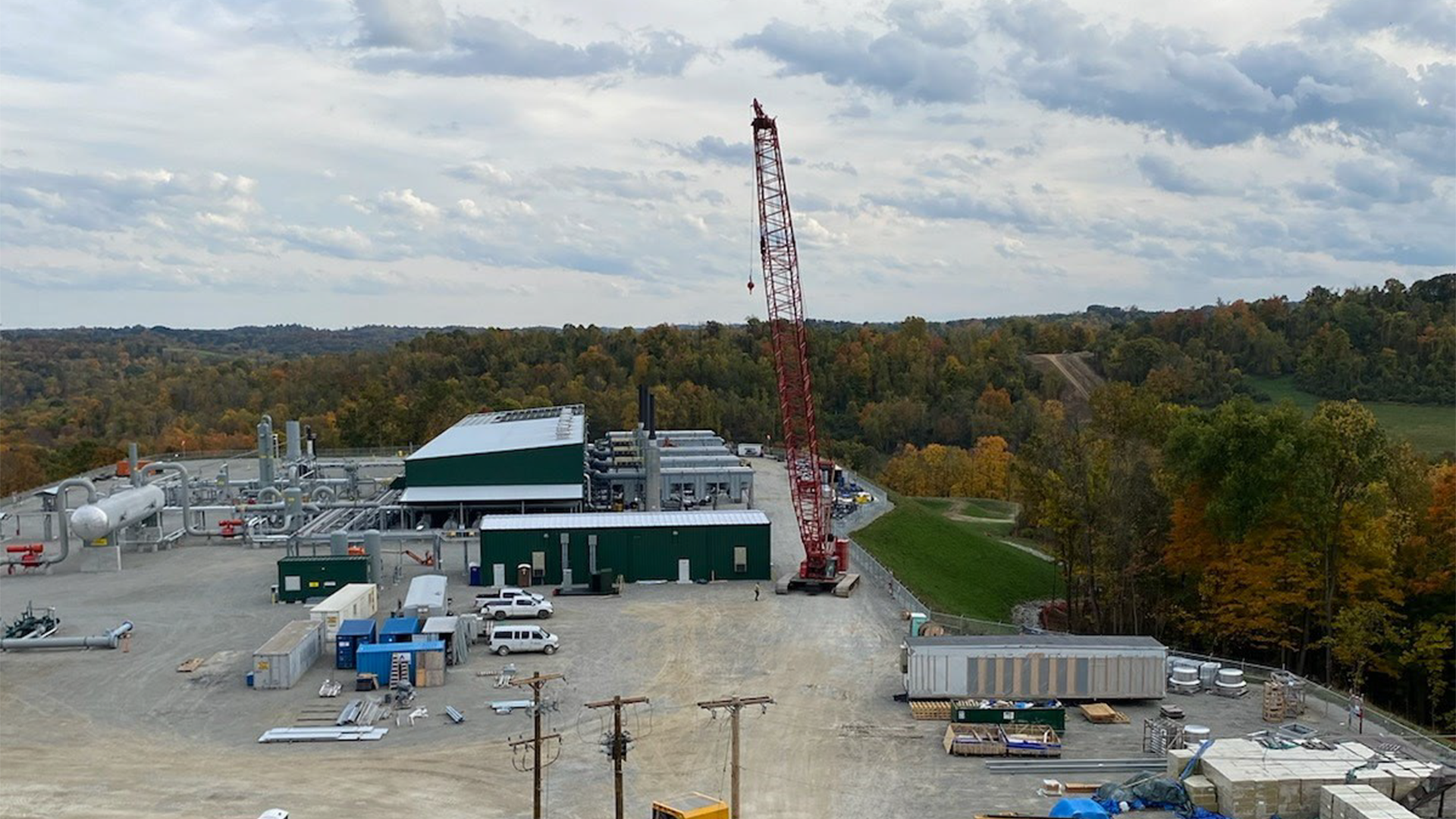
Natural gas compressor stations play a critical role in maintaining pressure, flow, and reliability across pipeline systems. Because these facilities house heavy equipment, often operate continuously, and must meet applicable safety and regulatory requirements, the design of the steel building itself is just as important as the equipment inside it.
Designing steel buildings for natural gas compressor stations requires a careful balance of structural strength, operational efficiency, environmental considerations, and long-term durability—all tailored to the demands of the energy sector.
What Makes Compressor Station Buildings Different From Other Steel Structures
Compressor station buildings are not typical industrial facilities. Unlike warehouses or general-purpose structures, these buildings must support constant mechanical activity, specialized systems, and demanding operational loads.
Key factors that differentiate compressor station buildings include:
- Continuous vibration from rotating equipment
- Heavy static and dynamic equipment loads
- Elevated noise and heat generation
- Strict safety and clearance requirements
These conditions demand a steel building design that is purpose-built, not adapted after the fact. Red Direct’s overview of steel pipeline support buildings explores how these specialized facilities support broader midstream operations.
Structural Requirements for Natural Gas Compressor Buildings
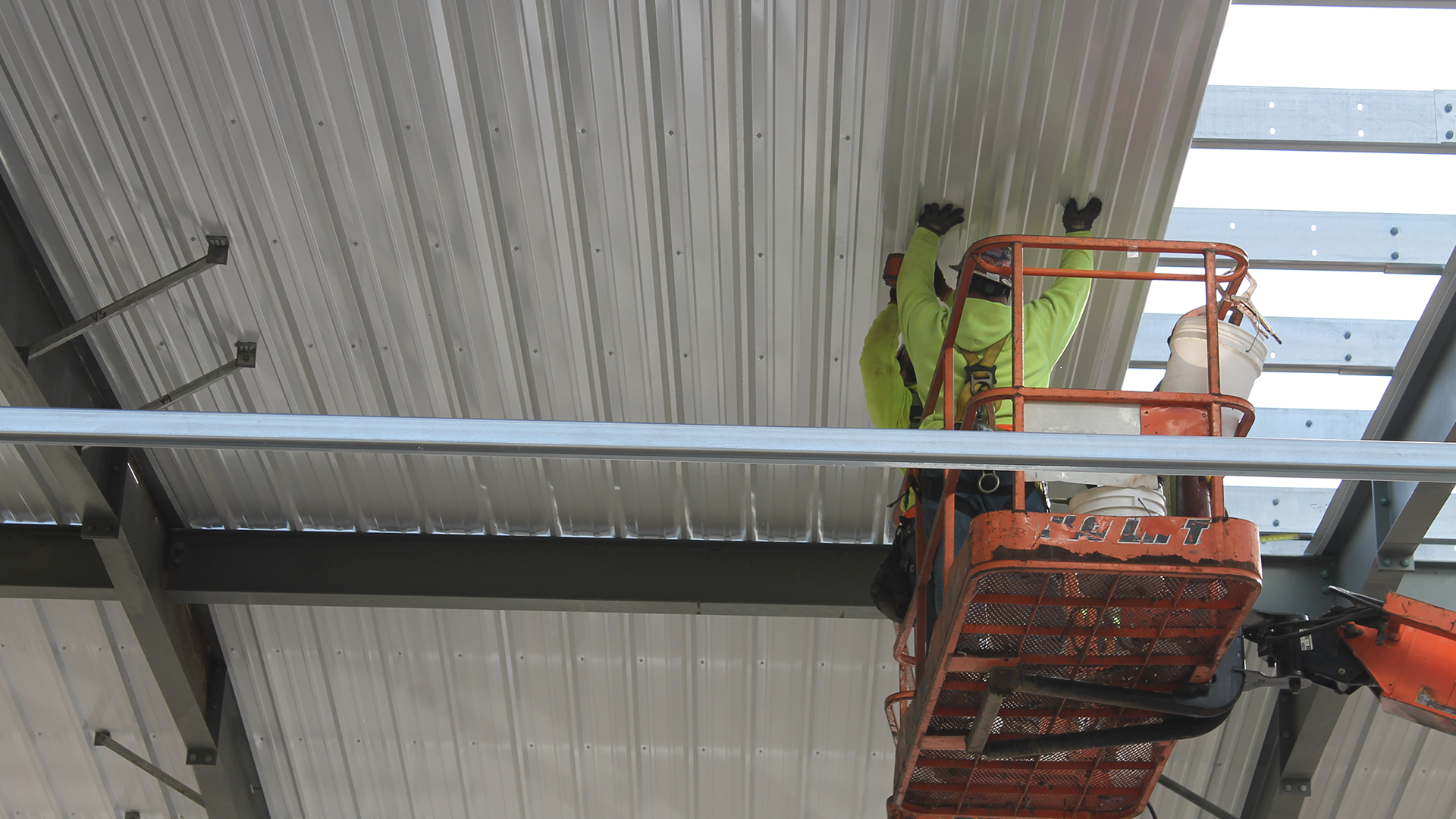
The structural design of compressor station buildings must account for both the weight of the equipment and the forces generated during operation. Steel framing systems are often selected for their strength, flexibility, and ability to accommodate large open spans.
Critical structural considerations include:
- Load paths designed to support compressors, motors, and auxiliary systems
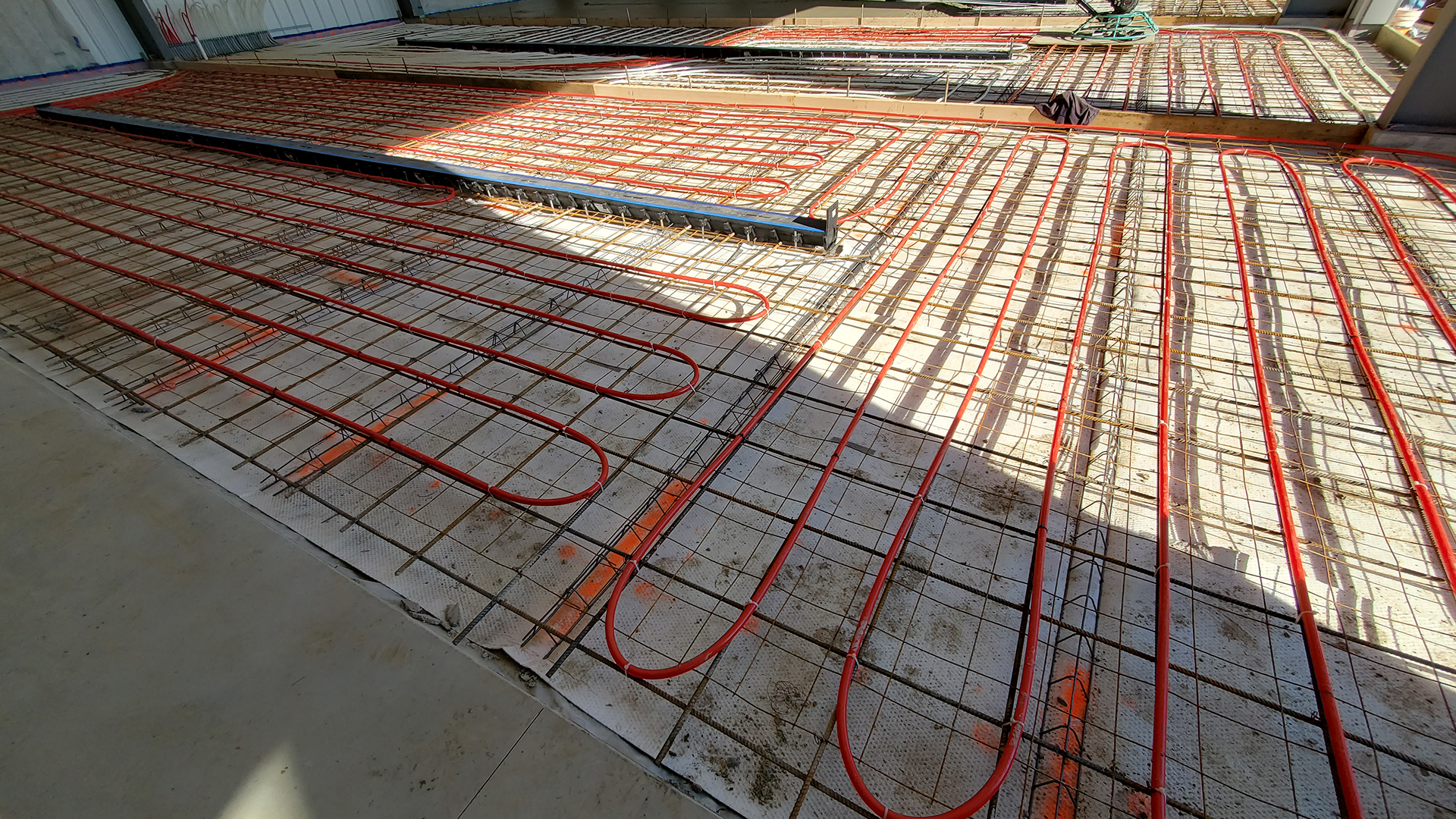
- Foundations engineered to manage static and dynamic equipment loads
- Framing systems that allow for future equipment replacement or upgrades
- Integration with crane systems or overhead access points
A well-engineered steel structure helps support safe operation while reducing avoidable structural and maintenance concerns. Equipment foundations, vibration-isolation systems, and the building foundation must be coordinated by qualified professionals around the specific compressor configuration and site conditions.
Environmental and Operational Challenges in the Energy Sector
Natural gas compressor stations are frequently located in remote or exposed environments, which introduces additional design challenges. Steel buildings must be capable of performing reliably under varying environmental conditions while protecting sensitive equipment.
Design considerations often include:
- Wind, seismic, snow, and other weather-related forces specific to the site
- Ventilation systems designed to manage heat, airflow, and potential gas accumulation
- Noise mitigation based on applicable regulatory and community requirements
- Corrosion protection selected for the climate and environmental exposure
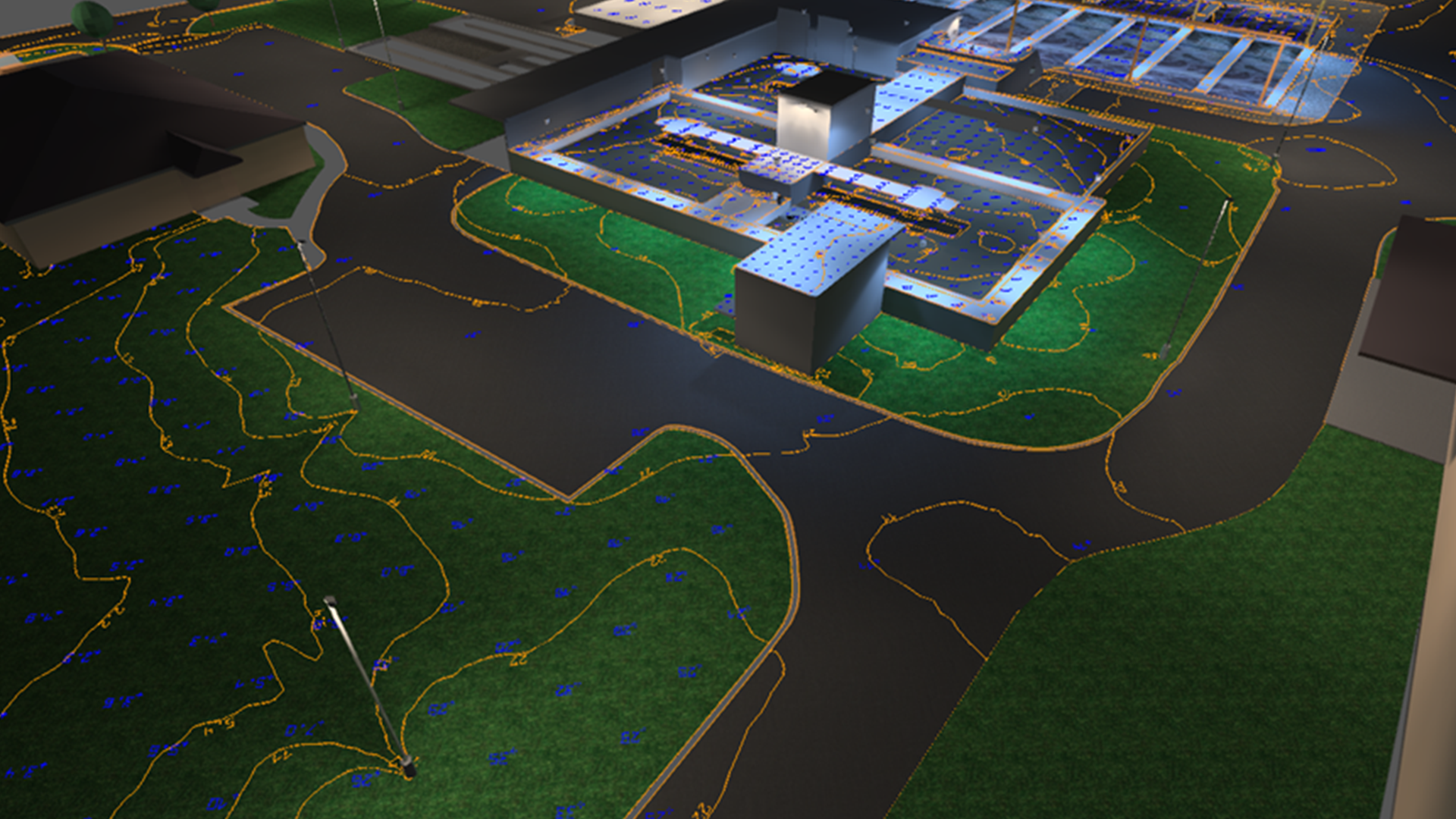
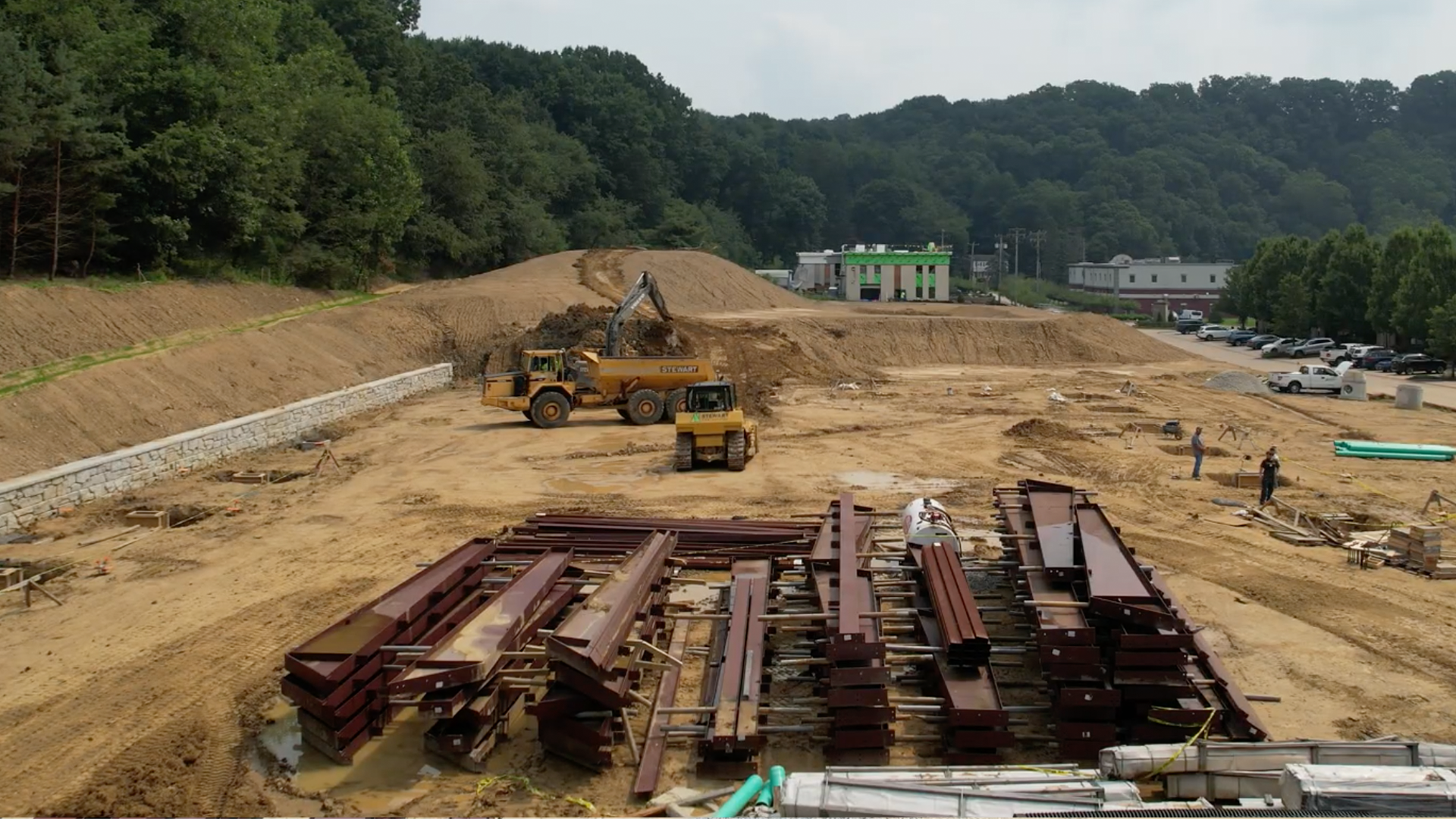
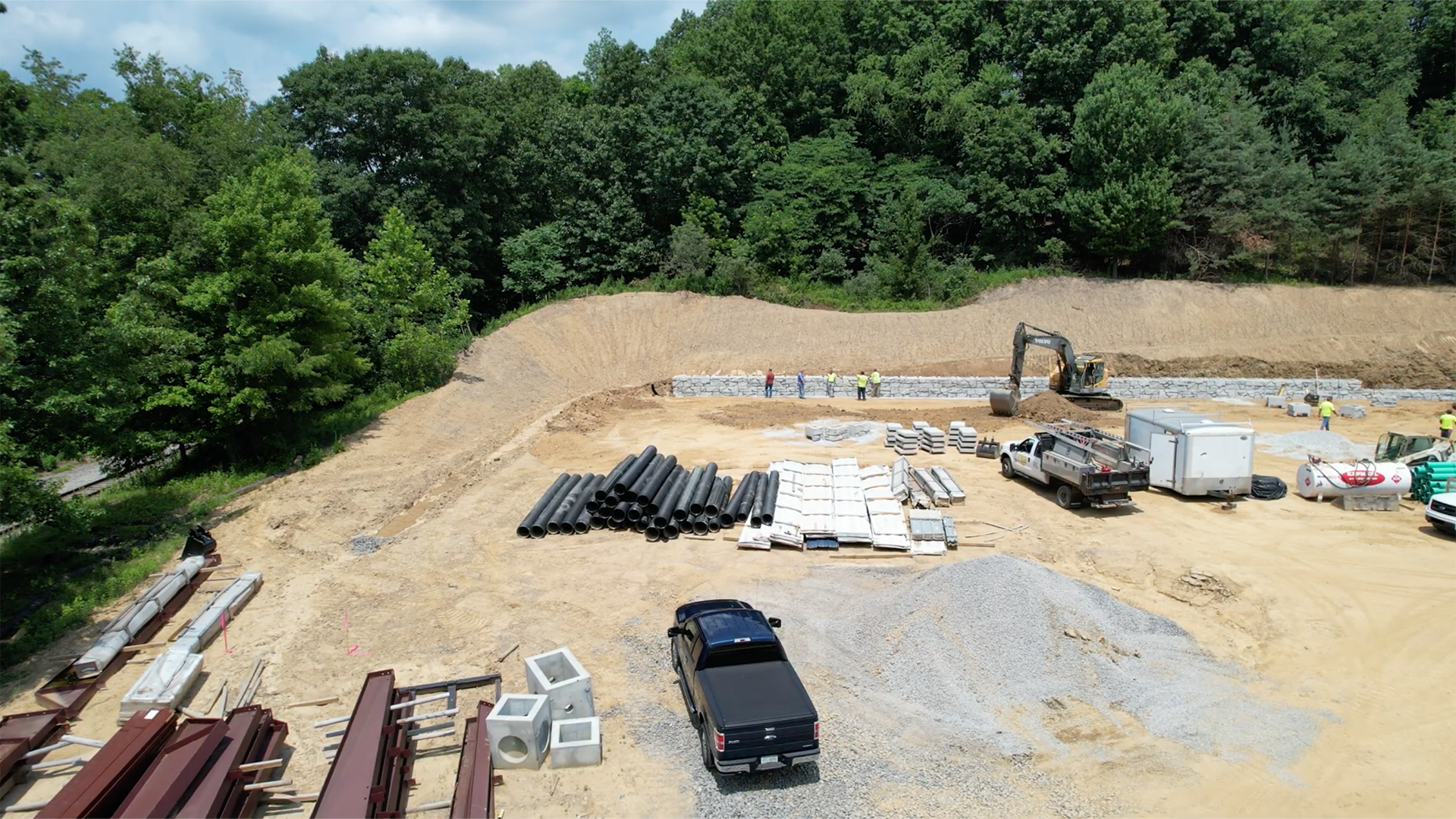
Early site-development and grading planning also helps coordinate soils, drainage, access, utilities, foundations, and equipment-delivery routes. Addressing these factors during design can help reduce operational disruptions and support the facility’s long-term service life.
Safety, Compliance, and Code Considerations
Safety is a top priority in natural gas infrastructure, and building design plays a direct role in meeting regulatory expectations. Steel buildings for compressor stations must align with the codes, standards, and regulatory requirements applicable to the facility, jurisdiction, equipment, and scope of work.
Proper design supports:
- Clear equipment access and maintenance pathways
- Required ventilation, gas detection, safety systems, and emergency exits
- Coordination with applicable federal, state, and local requirements
- More organized permitting and inspection processes
When safety and compliance are incorporated into the structure from the start, facilities are better positioned for safe, reliable, and maintainable long-term operation.
Why Purpose-Built Steel Design Matters for Compressor Stations
Attempting to retrofit or repurpose a generic steel building for a compressor station can introduce unnecessary limitations and coordination problems. Purpose-built steel structures allow for precise coordination between the building, equipment layout, and operational workflows.
Benefits of purpose-built design include:
- Improved equipment accessibility and more efficient use of space
- Reduced disruption during maintenance or planned upgrades
- Greater adaptability for future system expansion
- Enhanced durability under demanding operating conditions
These advantages are especially valuable in the energy sector, where reliability is essential. Additional planning considerations for compressor stations, processing facilities, and related operations are covered in Red Direct’s overview of steel construction for midstream natural gas infrastructure.
How Red Direct Supports Energy Sector Building Projects
Red Direct designs and delivers steel buildings tailored to the unique demands of energy infrastructure projects, including natural gas compressor stations. Each project is approached with a focus on structural integrity, operational efficiency, and long-term performance.
Red Direct’s project portfolio reflects experience across industrial and energy-sector applications. Its engineering, permitting, fabrication, construction management, and construction services help coordinate steel structures with equipment requirements, site conditions, and applicable project requirements.
Building Steel Structures That Support Reliable Energy Infrastructure
Compressor stations are essential to the performance of natural gas systems, and the buildings that house them must be engineered with equal precision. From structural design and equipment access to ventilation and environmental resilience, steel buildings play a vital role in supporting safe and efficient operations.
When steel structures are designed specifically for compressor station demands, they can become an asset—not a limitation—in maintaining reliable energy infrastructure.