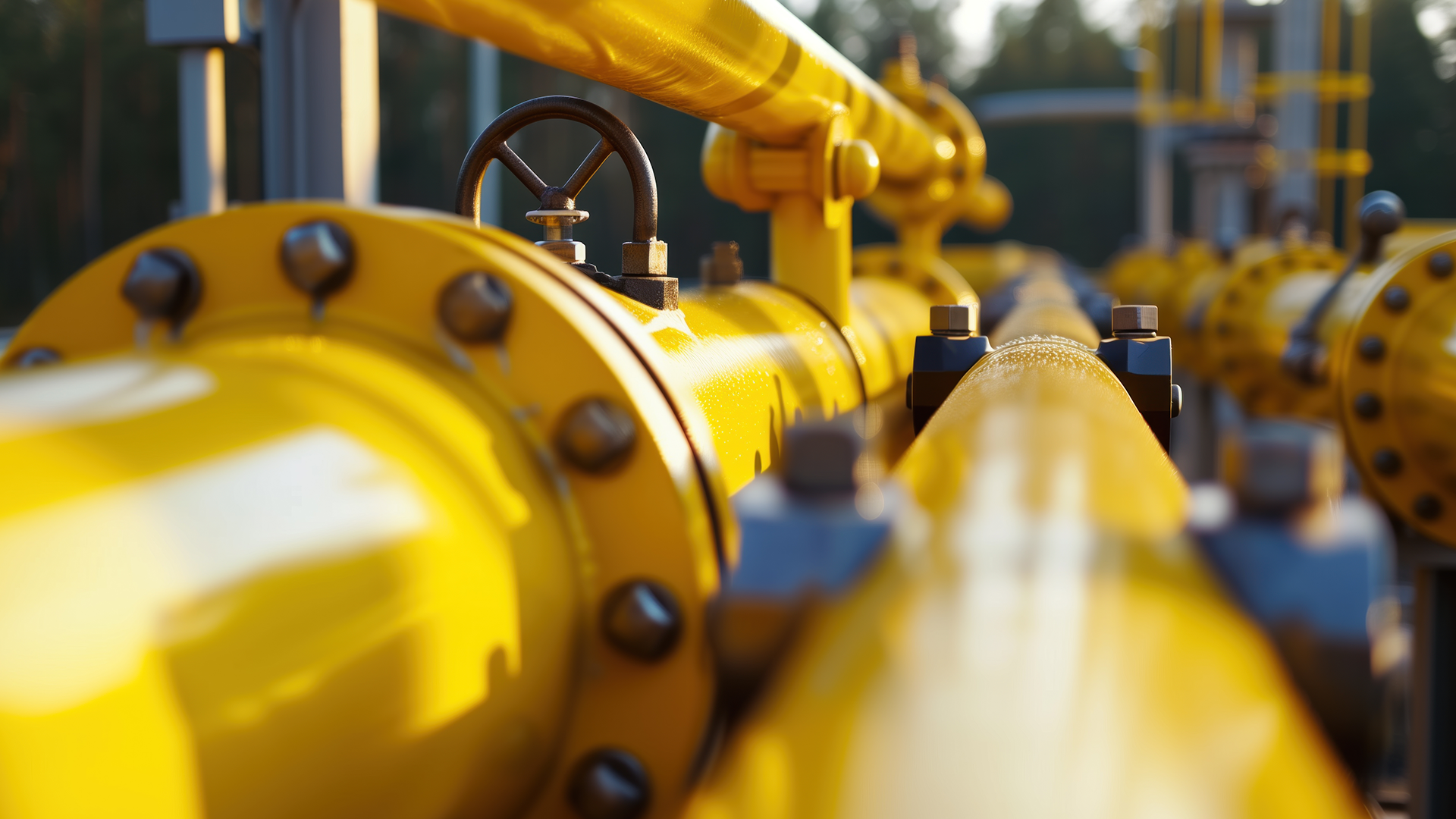
Building Steel Facilities for Long-Term Energy Reliability
The modern energy landscape demands sophisticated infrastructure solutions, and at the heart of natural gas distribution and storage lies a critical component that often goes unnoticed: steel storage facilities. Natural gas steel storage buildings form the backbone of the energy infrastructure that powers homes, businesses, and entire communities across North America. These specialized structures must meet stringent safety standards, withstand extreme weather conditions, and support heavy equipment while maintaining the integrity of the natural gas systems they protect.
For energy companies, industrial operators, and infrastructure developers, understanding the role and importance of natural gas steel storage buildings is essential to making informed decisions about facility development and maintenance. This comprehensive guide explores how steel storage facilities support natural gas infrastructure, the design considerations that make them effective, and why quality construction matters.
Understanding Natural Gas Infrastructure and Storage Needs
Natural gas plays a vital role in the American energy portfolio. According to the U.S. Energy Information Administration, natural gas accounts for approximately 32% of U.S. electricity generation and heats millions of homes nationwide. The journey from extraction to consumer consumption requires a complex network of infrastructure, including pipelines, processing facilities, compression stations, and storage solutions.
The role of storage in natural gas systems:
- Peak demand management – Steel storage facilities allow operators to maintain steady supply during periods of high demand
- Supply reliability – Stored reserves ensure continuous availability even during supply disruptions
- Price stabilization – Storage capacity helps moderate price volatility in natural gas markets
- Seasonal balancing – Underground and above-ground storage accommodates seasonal fluctuations in demand
Natural gas infrastructure requires specialized facilities to support operations at every stage of the supply chain. From the wellhead to the distribution network, storage facilities serve as critical nodes that ensure reliable, efficient delivery of this essential energy resource.
The Critical Role of Steel Storage Facilities in Natural Gas Operations
Steel storage facilities supporting natural gas infrastructure serve multiple essential functions in modern energy operations. These buildings house equipment, protect sensitive infrastructure, and provide secure environments for operations that are fundamental to keeping natural gas flowing reliably to consumers.
Equipment Protection and Storage
Natural gas facilities require extensive equipment to operate effectively. Compressors, regulators, meters, and control systems represent significant investments that must be protected from environmental elements and potential damage.
Equipment commonly housed in natural gas steel storage buildings:
- Compression equipment for pipeline systems
- Regulating and metering apparatus
- Safety shut-off systems and control valves
- Piping connections and manifolds
- Electrical systems and backup generators
- Monitoring and communication equipment
- Maintenance tools and spare parts
Steel storage facilities provide climate-controlled, secure environments where this equipment operates at optimal efficiency. The durability and strength of steel construction ensures that these buildings can withstand vibration from operating equipment, temperature fluctuations, and the demands of industrial use.
Operational Headquarters and Control Centers
Many natural gas operations require on-site control centers where operators monitor system performance, respond to emergencies, and coordinate activities. Natural gas steel storage buildings often incorporate office space, control rooms, and facilities for operational staff.
These facilities must support:
- Real-time monitoring systems
- Emergency response capabilities
- Staff facilities and break areas
- Record-keeping and documentation
- Communication systems with other facilities
The structural integrity and security features of steel buildings make them ideal for housing mission-critical operations that require uninterrupted functionality.
Safety and Compliance Infrastructure
Natural gas infrastructure operates under strict regulatory requirements. The Pipeline and Hazardous Materials Safety Administration (PHMSA) establishes comprehensive standards for facility design, operation, and maintenance. Steel storage facilities designed specifically for natural gas applications help operators meet these regulatory requirements.
Key safety features typically incorporated:
- Proper ventilation systems to prevent gas accumulation
- Fire suppression systems
- Emergency exit pathways and safety signage
- Secondary containment for hazardous materials
- Access controls and security monitoring
- Lightning protection systems
Design Considerations for Natural Gas Steel Storage Buildings
Creating effective natural gas steel storage buildings requires careful attention to numerous design factors that balance operational needs with safety, durability, and regulatory compliance.
Material Selection and Steel Specifications
The type of steel used in natural gas storage facility construction directly impacts the building’s performance and longevity. Facilities must use steel that meets or exceeds applicable codes and standards.
Important material considerations:
- Grade and strength – Steel must provide sufficient load capacity for equipment and operational demands
- Corrosion resistance – Exposure to weather and natural gas environments requires appropriate corrosion protection
- Weldability – Connections must be reliable and maintain structural integrity over decades of use
- Temperature performance – Steel must perform reliably across the temperature ranges encountered at the facility location
Steel used in natural gas infrastructure is typically specified to meet ASTM standards that ensure consistent quality and predictable performance. The selection process considers both the immediate operational needs and the long-term durability requirements of facilities that may operate for 50 years or more.
Structural Design for Equipment Loads
Natural gas operations equipment can be exceptionally heavy. Compressors, for example, may weigh tens of thousands of pounds and generate significant vibration during operation. Natural gas steel storage buildings must incorporate structural designs that safely support these loads without deflection, noise, or vibration that could damage equipment or reduce operational efficiency.
Load considerations in facility design:
- Dead loads from building materials and equipment
- Live loads from personnel and maintenance activities
- Dynamic loads from operating equipment and machinery
- Environmental loads including snow, wind, and seismic forces
- Future load provisions for equipment upgrades or additions
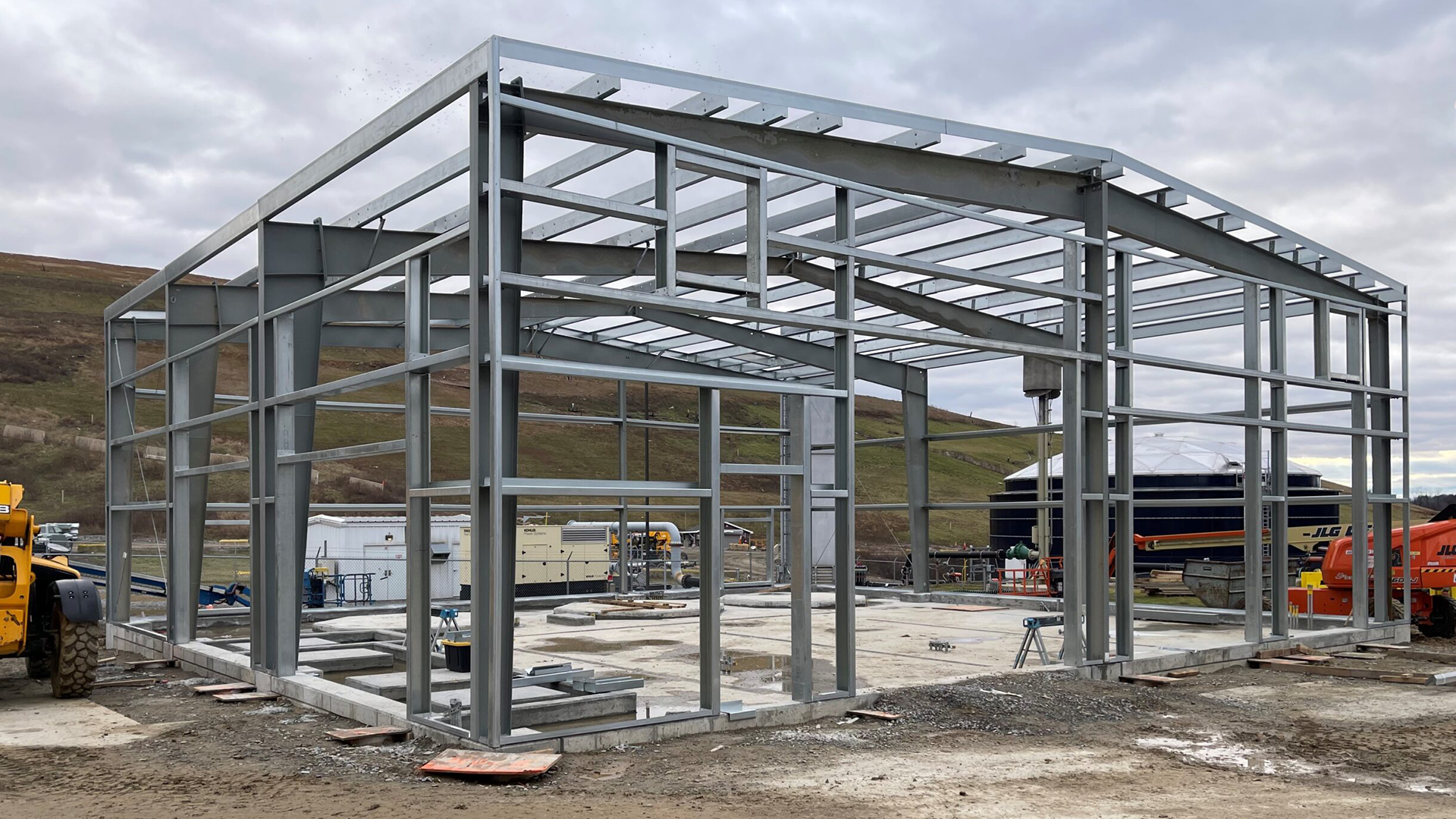
Advanced structural analysis ensures that every component of the building—from foundation to roof—can safely accommodate the maximum loads that may be encountered during the facility’s operational life.
Ventilation and Environmental Control
Natural gas, while odorless in its natural state, can present safety concerns if allowed to accumulate in enclosed spaces. Proper ventilation is essential in natural gas steel storage buildings to ensure worker safety and prevent hazardous conditions.
Ventilation considerations:
- Natural airflow through properly sized openings
- Mechanical ventilation systems for areas with minimal natural airflow
- Separation of air intakes from potential odor sources
- Emergency ventilation provisions
- Monitoring systems to detect potential gas accumulation
The design of ventilation systems in natural gas steel storage buildings must balance the need for safety with the requirement to maintain climate control for sensitive equipment and operational effectiveness.
Foundation and Site Preparation
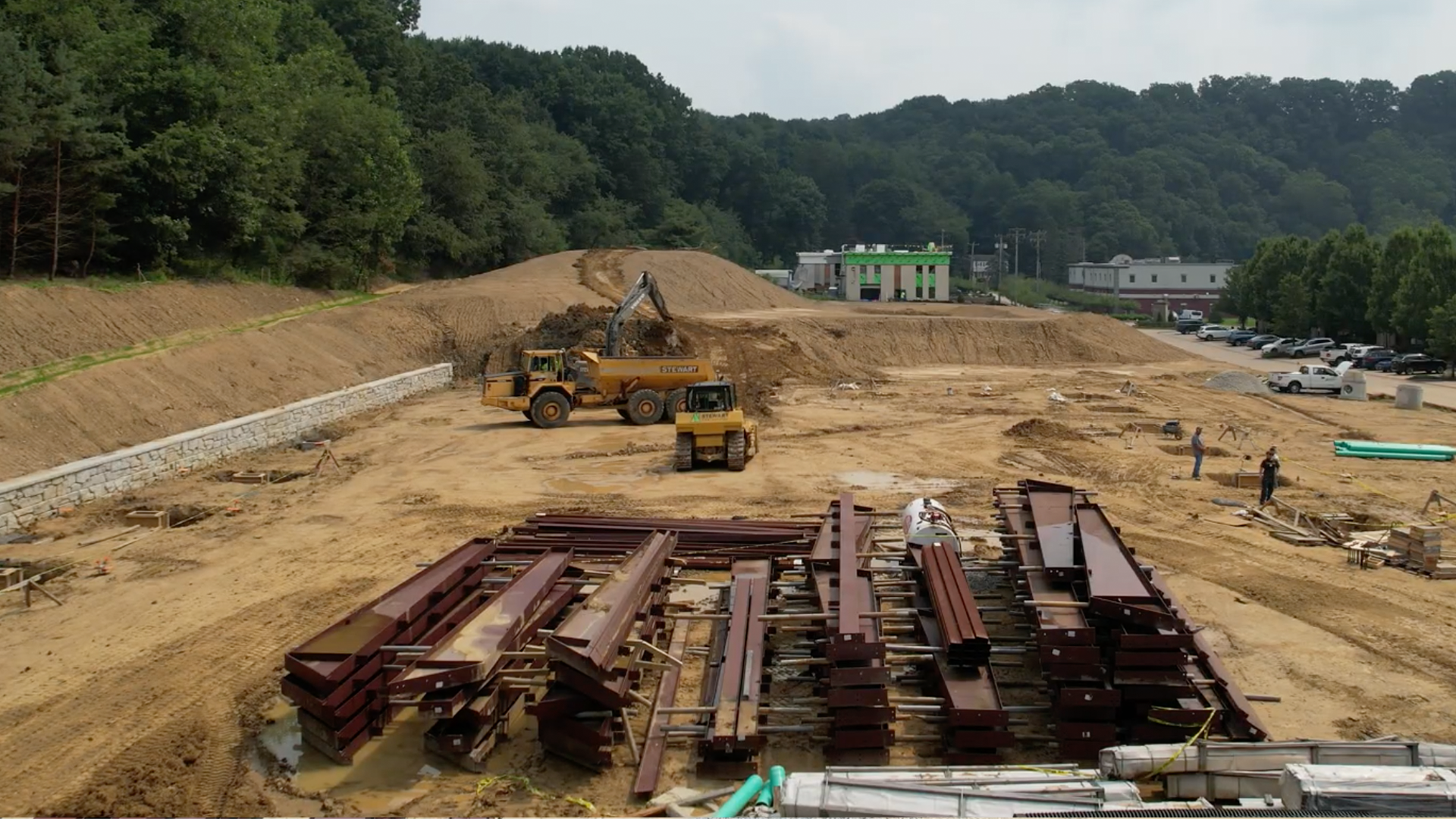
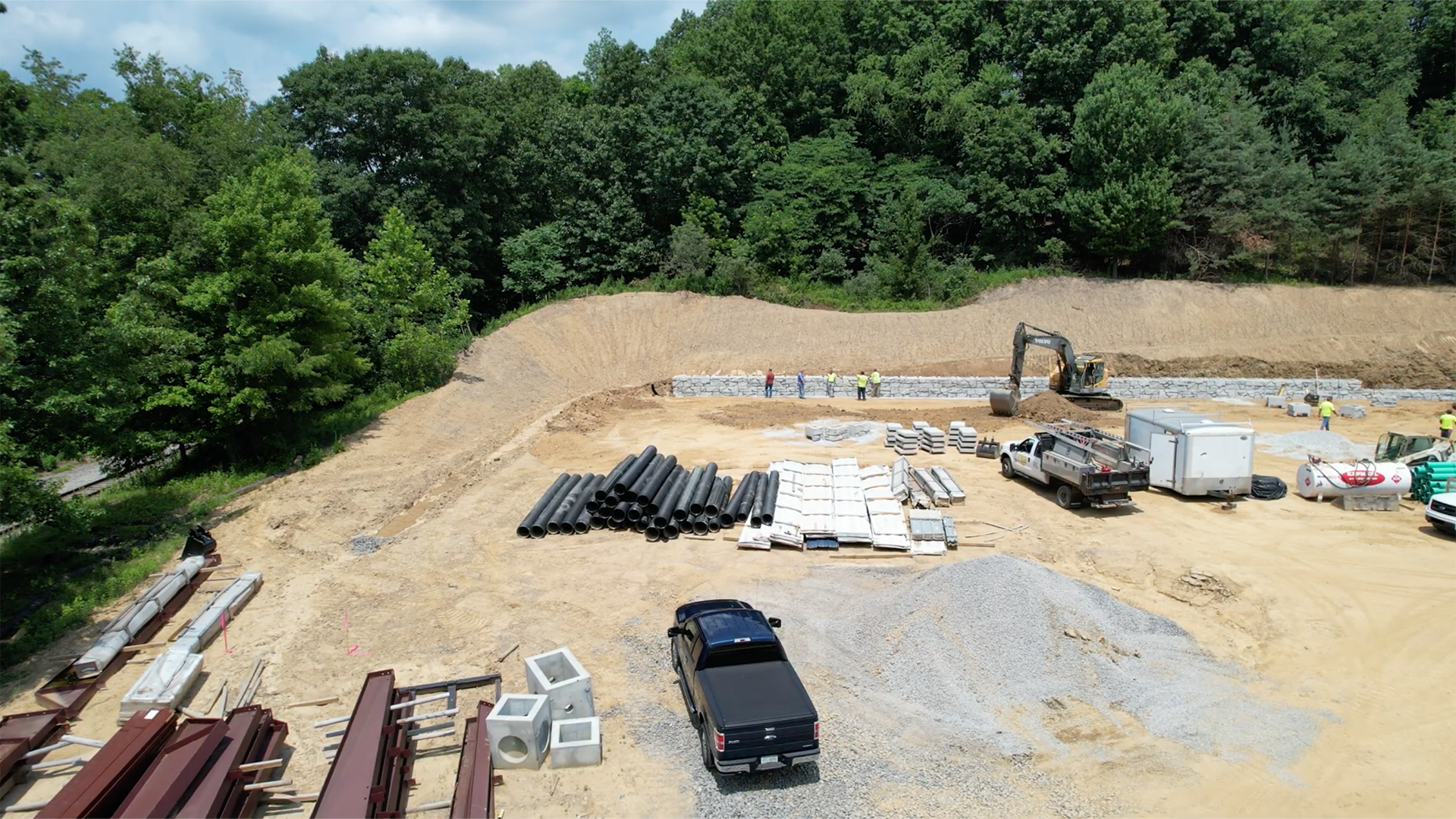
The foundation of a natural gas steel storage building must be designed to support both the structural loads and the unique demands of natural gas operations. Factors such as soil conditions, drainage, and potential ground movement must be carefully evaluated.
Foundation design considerations:
- Soil testing and analysis
- Proper drainage to prevent water accumulation
- Frost depth requirements for the specific location
- Potential subsidence or ground movement
- Utility routing and access provisions
- Future expansion capabilities
Professional site evaluation and foundation engineering ensure that natural gas steel storage buildings maintain their structural integrity and operational effectiveness throughout their service life.
Construction Standards and Regulatory Compliance
The construction of natural gas steel storage buildings must adhere to numerous standards and regulations established by federal, state, and local authorities.
Federal Standards and Guidelines
The Pipeline and Hazardous Materials Safety Administration (PHMSA) establishes the baseline requirements for natural gas infrastructure facilities. These standards, found in Title 49 of the Code of Federal Regulations, address facility design, construction, operation, and maintenance.
Key federal requirements affecting steel storage facility construction:
- Pressure equipment standards and testing requirements
- Safety device specifications and installation
- Inspection and maintenance protocols
- Emergency response procedures
- Record-keeping and reporting
- Personnel qualification requirements
Compliance with PHMSA standards is mandatory for any facility involved in natural gas transmission or distribution, making federal regulations a fundamental consideration in natural gas steel storage building design.
Industry Standards and Best Practices
Beyond federal requirements, the natural gas industry has established comprehensive standards through organizations such as the American Society of Mechanical Engineers (ASME) and the American Petroleum Institute (API).
Industry standards commonly applied to natural gas storage facilities:
- ASME B31.8 – Gas Transmission and Distribution Piping Systems
- API RP 571 – Damage Mechanisms Affecting Fixed Equipment in the Refining Industry
- NFPA 70 – National Electrical Code
- NFPA 55 – Standard on the Storage, Use, and Handling of Compressed Gases
These standards provide detailed guidance on materials selection, design methodology, construction practices, and inspection procedures that ensure natural gas steel storage buildings meet the highest industry expectations for safety and reliability.
Local Building Codes and Permitting
While federal standards establish baseline requirements, local building codes may impose additional requirements based on regional conditions and municipal preferences. Natural gas steel storage building projects must typically obtain permits and pass inspections verifying compliance with applicable local codes.
Typical local code considerations:
- Building design standards specific to the region
- Snow load and wind speed requirements
- Seismic design standards if applicable
- Setback and property line requirements
- Access and egress standards
- Utility coordination requirements
Working with experienced engineers and contractors who understand both federal standards and local code requirements ensures smooth permitting and construction processes.
The Impact of Quality Steel Construction on Operations
The quality of natural gas steel storage building construction directly affects facility operations, safety, and long-term cost of ownership.
Operational Reliability and Uptime
A well-constructed natural gas steel storage building provides a stable environment where equipment operates reliably without interruption. Poor construction quality can lead to:
- Misalignment of equipment due to building deflection
- Increased maintenance requirements and downtime
- Reduced equipment lifespan
- Operational inefficiencies and higher operating costs
- Safety concerns from structural movement or instability
High-quality construction using appropriate steel specifications and professional engineering practices minimizes operational disruptions and maximizes the return on investment in equipment and facilities.
Safety and Risk Management
The safety implications of substandard construction in natural gas facilities extend beyond the immediate facility to surrounding communities and personnel. A building that fails or deteriorates can create hazardous situations involving natural gas exposure, equipment damage, or personnel injury.
Quality construction in natural gas steel storage buildings protects:
- Facility personnel through safe, reliable structures
- Equipment through proper support and environmental control
- Communities through reduced risk of gas-related incidents
- Operators through reduced liability and regulatory compliance
Long-Term Cost Effectiveness
While quality construction may require higher initial investment, the long-term cost benefits are substantial. Natural gas steel storage buildings that are properly designed and constructed:
- Require less frequent maintenance and repairs
- Experience longer equipment service life
- Maintain stable operating conditions reducing energy waste
- Avoid costly emergency repairs and downtime
- Better withstand environmental stresses and age
Over the 50+ year operational life of many natural gas facilities, the investment in quality construction yields significant returns through reduced operating costs and improved reliability.
Modern Innovations in Natural Gas Storage Facility Design
The natural gas industry continues to evolve, and modern innovations are improving the functionality and efficiency of natural gas steel storage buildings.
Advanced Materials and Coatings
New steel alloys and protective coating systems offer improved corrosion resistance and durability. High-performance coatings protect steel from environmental degradation while maintaining aesthetic appearance.
Modular and Prefabricated Construction
Prefabrication of building components in controlled factory environments improves quality, reduces on-site construction time, and allows for comprehensive quality verification before assembly.
Integrated Monitoring Systems
Modern facilities increasingly incorporate sensor networks and real-time monitoring systems that track building performance, equipment status, and environmental conditions. Integration of these systems into the building structure requires careful planning during the design phase.
Energy Efficiency Improvements
While not primary design drivers, modern natural gas steel storage buildings increasingly incorporate energy-efficient features including:
- Improved insulation
- LED lighting systems
- Smart HVAC controls
- Solar power integration
These improvements reduce operational costs while maintaining the primary focus on safety and reliability.
Choosing a Partner for Natural Gas Steel Storage Building Development
The development and construction of natural gas steel storage buildings requires expertise across multiple disciplines including civil engineering, mechanical engineering, structural design, and natural gas operations knowledge.
Key qualifications to evaluate in a construction partner:
- Experience with natural gas facilities – Understanding of industry standards and regulatory requirements
- Structural engineering expertise – Ability to design buildings that safely support operational loads
- Quality management systems – Processes that ensure consistent quality and compliance
- Regulatory knowledge – Understanding of PHMSA, local codes, and industry standards
- Safety record – Demonstrated commitment to construction site safety and final product safety
- Project management capability – Ability to manage complex projects on schedule and budget
- References – Successful completion of comparable natural gas infrastructure projects
RedDirect brings decades of experience in designing and constructing steel buildings for industrial applications including natural gas infrastructure. Our expertise in steel construction, combined with deep understanding of natural gas operational requirements, positions us to deliver facilities that meet the highest standards for safety, reliability, and performance.
The Foundation of Reliable Natural Gas Infrastructure
Natural gas steel storage buildings represent far more than simple structures—they are critical components of the infrastructure that delivers this vital energy resource to millions of Americans. These facilities house expensive equipment, support essential operations, protect the environment, and ensure the safety of personnel and communities.
The quality of construction in natural gas steel storage buildings directly impacts facility safety, operational reliability, equipment longevity, and overall cost of ownership. By investing in properly designed, professionally constructed facilities that exceed industry standards and regulatory requirements, natural gas operators can ensure decades of reliable service while maintaining the highest standards for safety and performance.
Whether you’re developing a new natural gas facility, expanding existing infrastructure, or replacing aging structures, selecting a construction partner with proven expertise in natural gas operations and steel building construction is essential. The right partnership ensures that your natural gas steel storage buildings provide the reliable, safe foundation that modern natural gas infrastructure demands.