Understanding the Permit & Compliance Process for Steel Construction
Steel buildings offer unmatched strength, speed, and efficiency, but before you can start construction, you’ll need to navigate an essential step: permitting and compliance. Understanding the legal and regulatory side of your steel structure project is just as critical as choosing the right building system.
From zoning to inspections, building codes to site approvals, the rules can be complex. In this guide, we’ll break down the permitting process and regulatory considerations to help you stay on track and avoid costly delays.
Why Permits Matter for Steel Buildings
Permits are not just paperwork—they ensure that your building is safe, compliant with local laws, and aligned with your land’s usage rights. For steel buildings, which are often used for commercial, industrial, agricultural, and even residential purposes, permits verify:
- Structural integrity
- Fire safety
- Land use compliance
- Accessibility
- Environmental impact
- Local code adherence
Skipping this step can result in project shutdowns, fines, or having to tear down and rebuild sections that don’t meet code.
Step 1: Understand Local Zoning and Land Use Laws
Before planning your steel building, research the local zoning ordinances. Zoning laws dictate what you can build on your land and where.
Key things to check:
- Is the property zoned for your intended use (e.g., warehouse, office, agricultural)?
- Are there restrictions on building size, height, or setbacks?
- Will your building impact neighboring properties?
- Are conditional use permits or variances required?
Working with a local planning department early in the process can clarify these rules and prevent missteps.
Step 2: Submit Your Site Plan for Approval
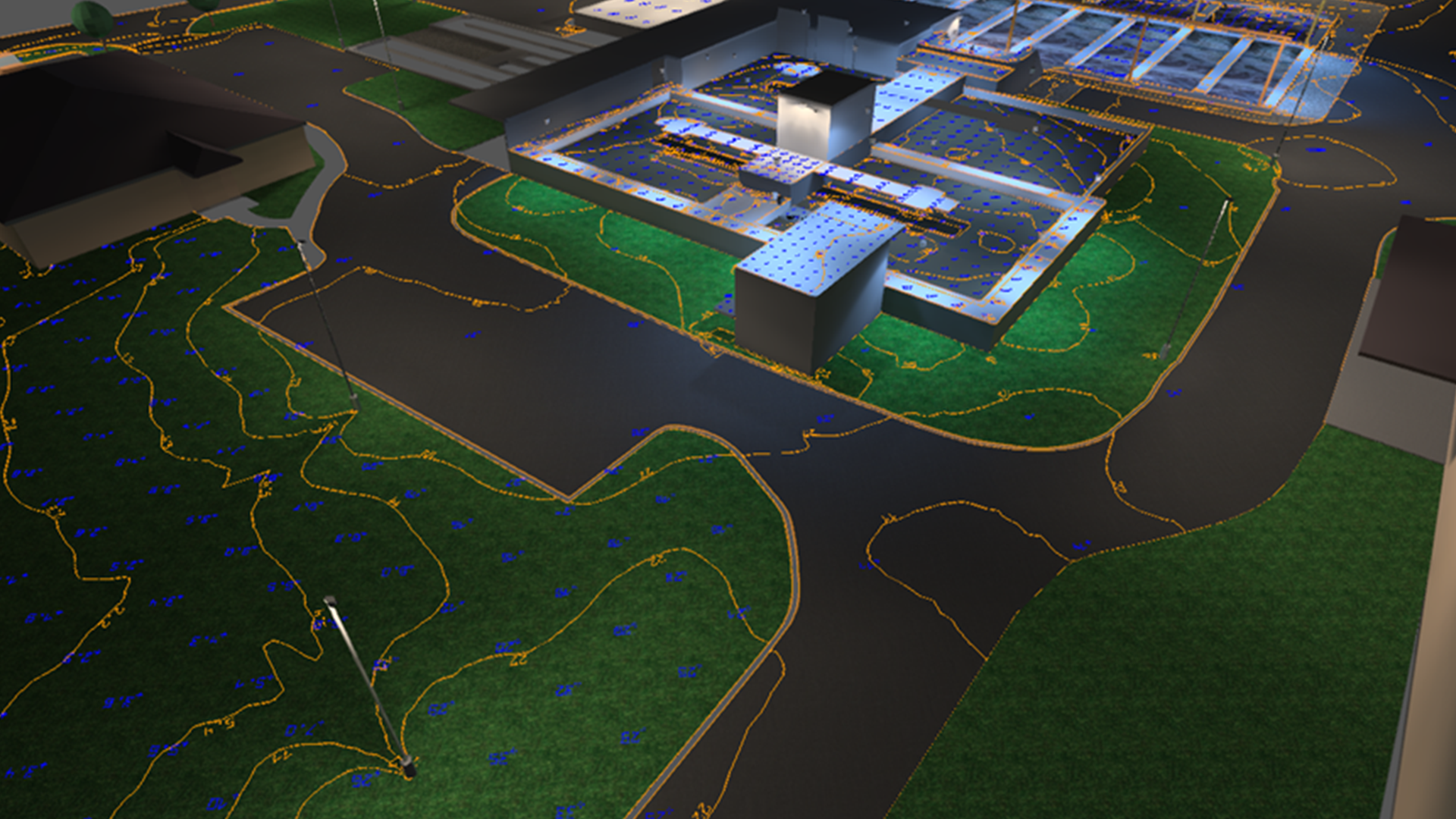
Many municipalities require a site plan review before issuing building permits. This step ensures that your steel building fits into the overall community plan and doesn’t violate environmental or utility constraints.
Site plan requirements may include:
- Building dimensions and placement
- Access roads, driveways, and parking
- Stormwater drainage systems
- Landscape or fencing plans
- Utility connections
An architect or civil engineer can help develop a compliant plan for submission.
Step 3: Obtain the Building Permit
Once your site plan is approved, you can apply for a building permit. This is typically handled through the local building department.
You’ll need to submit:
- Structural engineering drawings stamped by a licensed engineer
- Foundation design details
- Material specifications (including steel gauge and insulation)
- Energy compliance documents (for commercial buildings)
- Any required approvals from fire or health departments
Expect the review process to take anywhere from a few weeks to a couple of months depending on your jurisdiction.
Step 4: Comply with National and Local Building Codes
Steel buildings must meet both the International Building Code (IBC) and any applicable local amendments. These codes cover everything from wind resistance to snow loads to fireproofing.
Some key areas of compliance:
- Seismic requirements
- Snow load ratings
- Fire-rated walls and roofing materials
- ADA accessibility
- Insulation and energy codes
Step 5: Schedule Inspections Throughout the Build
Inspections are part of the permitting process. They ensure that each phase of construction follows approved plans.
Common inspections include:
- Foundation inspection before pouring concrete
- Framing and steel erection inspection
- Final building inspection prior to occupancy
Other Regulatory Considerations
- Environmental permits
- Fire marshal approval
- Health department review
- Utility provider coordination
Navigating Delays and Common Mistakes
- Submitting incomplete documents
- Misunderstanding zoning restrictions
- Not accounting for state-level codes
- Starting construction before full approval
- Not scheduling inspections properly
The Role of Your Steel Building Supplier
When you work with a reputable supplier like Red Direct, you’re not alone in the permitting process. We provide:
- Detailed architectural and engineering drawings
- Code-compliant designs
- Material specs tailored for your region
- Coordination with your builder
Build With Confidence Using Red Direct
Need help navigating local regulations for your steel building? Red Direct supports you at every stage of the permitting process—from zoning and site plans to engineered drawings and code compliance.