HOW STEEL BUILDINGS ARE TRANSFORMING MIDSTREAM ENERGY INFRASTRUCTURE
Natural gas infrastructure plays a critical role in delivering energy from production regions to markets around the world. Pipelines, compressor stations, metering facilities, and processing plants form the backbone of the midstream energy sector, ensuring that natural gas can move efficiently and safely across vast distances.
As energy networks expand and modernize, the facilities supporting this infrastructure must be designed to meet increasingly demanding operational requirements. Midstream facilities must support heavy mechanical systems, operate continuously under industrial conditions, and withstand environmental exposure across a wide range of geographic locations.
Traditional construction materials have long been used to build industrial infrastructure, but modern energy projects are increasingly turning to steel construction as a more adaptable and durable solution.
Steel buildings offer structural strength, faster construction timelines, and flexible facility designs that support the evolving needs of midstream natural gas infrastructure.
From compressor stations to gas processing plants, steel buildings provide the foundation for facilities designed to support long-term energy operations.
THE INFRASTRUCTURE CHALLENGES FACING MIDSTREAM ENERGY PROJECTS
Midstream natural gas facilities operate in demanding environments that place significant stress on buildings and equipment.
These facilities must maintain safe operations while supporting complex mechanical systems and continuous processing activities.
Several major challenges influence how midstream facilities are designed and constructed.
Remote Facility Locations
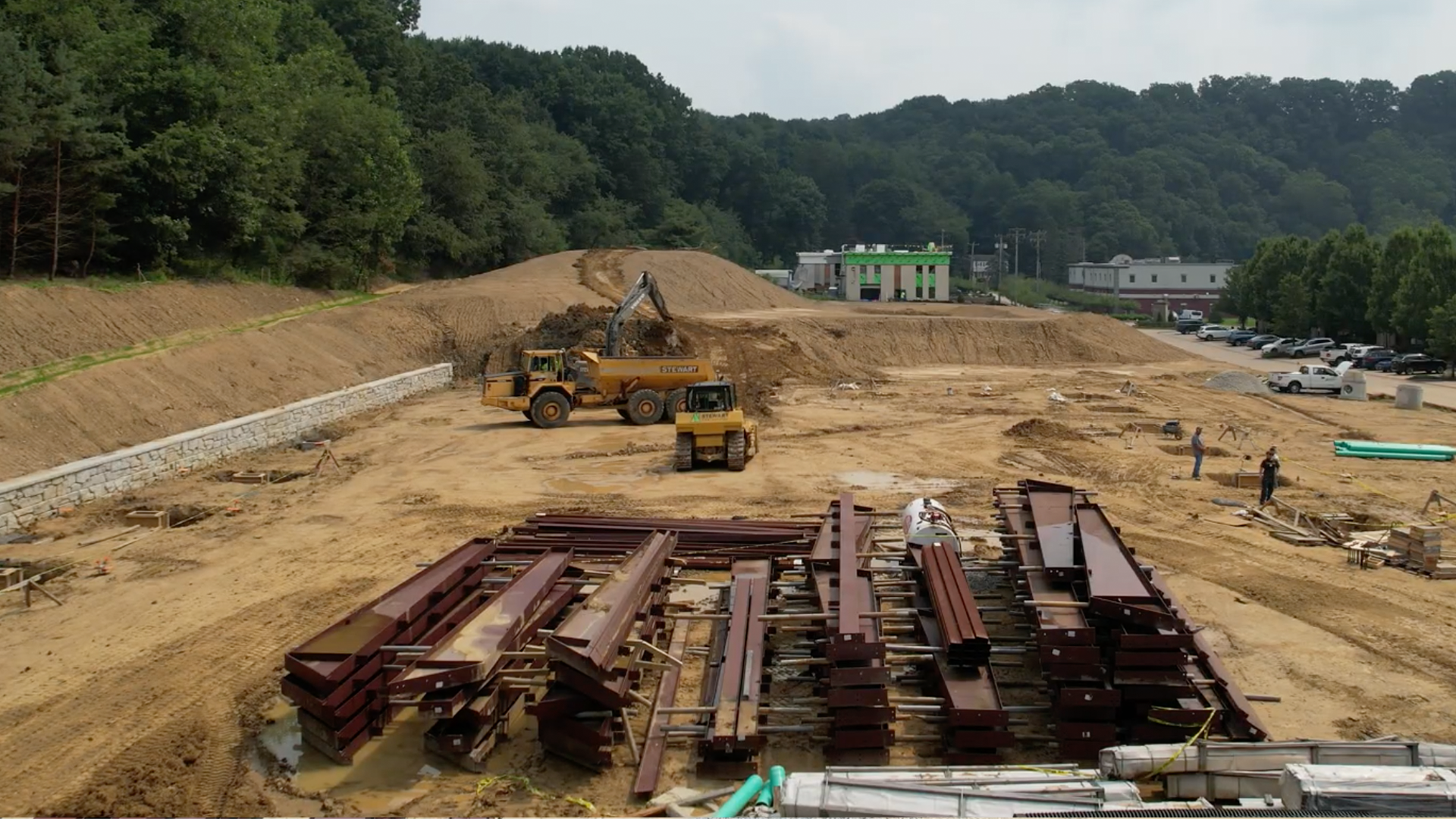
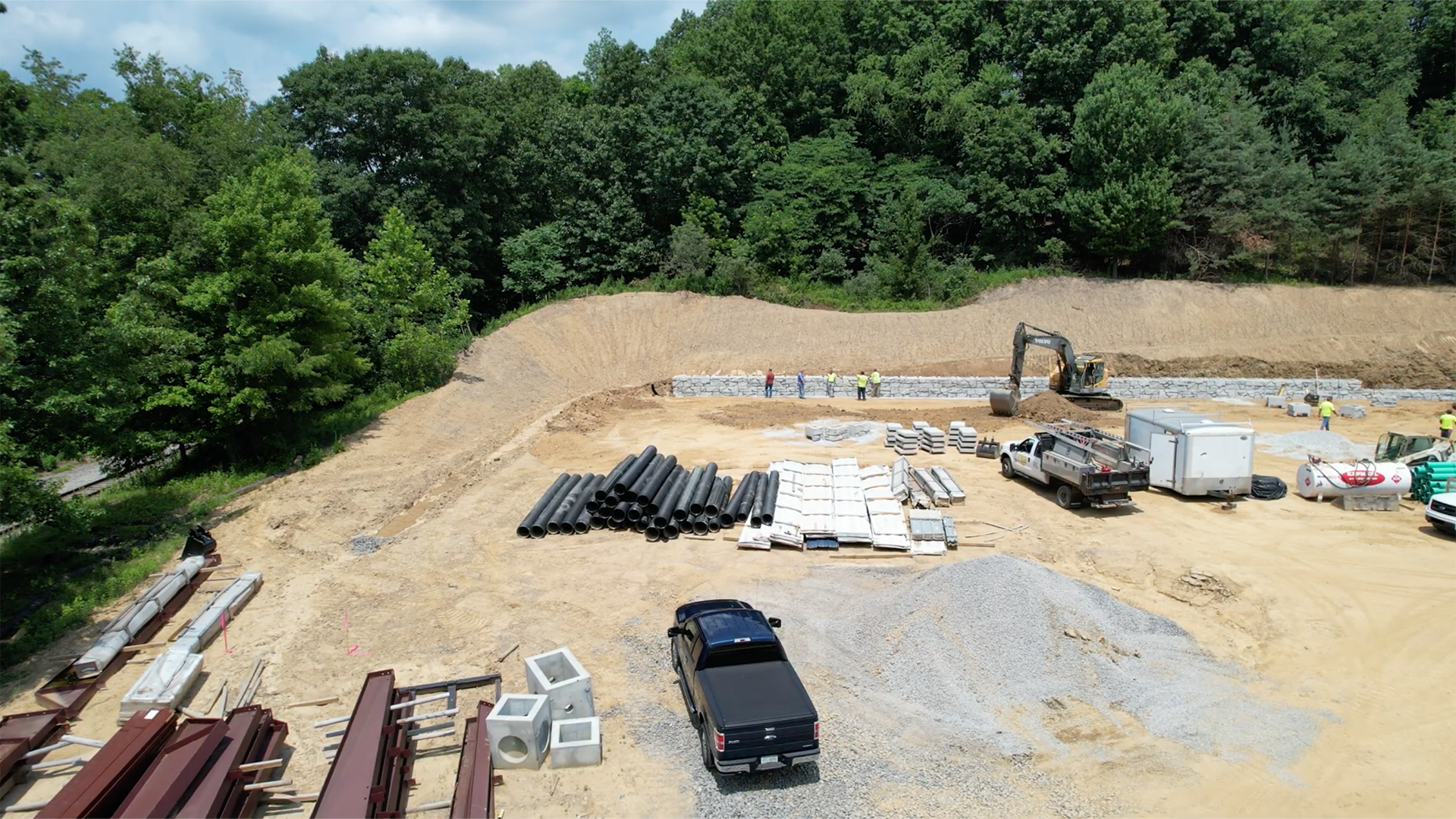
Many pipeline facilities are located in remote areas far from major population centers. These locations are chosen to optimize pipeline routes and connect production regions to distribution networks.
Remote construction sites can create logistical challenges during the development of infrastructure facilities.
Projects may require:
- transportation of heavy construction materials
- specialized equipment for facility installation
- construction teams operating in limited-access environments
Steel building systems that can be assembled efficiently in these locations offer significant advantages.
Harsh Environmental Conditions
Midstream facilities often operate in regions where environmental conditions can vary dramatically throughout the year.
Facilities may be exposed to:
- high winds
- heavy snowfall
- extreme temperatures
- humidity and moisture exposure
- industrial contaminants
Buildings supporting energy infrastructure must be capable of maintaining structural stability under these conditions.
Heavy Mechanical Infrastructure
Midstream facilities house large equipment systems designed to process or transport natural gas.
Common equipment includes:
- compressors used to increase gas pressure
- gas treatment units
- dehydration systems
- heat exchangers
- pipeline valves and regulators
This equipment can place significant loads on building structures, requiring materials capable of supporting heavy industrial operations.
Continuous Operational Requirements
Energy infrastructure facilities typically operate around the clock to maintain reliable gas transportation.
Facilities must therefore be designed with durability and reliability that support continuous operation with minimal downtime.
Infrastructure designed for long-term performance helps ensure energy networks remain stable.
WHY TRADITIONAL CONSTRUCTION METHODS OFTEN STRUGGLE
While traditional building materials remain useful for certain applications, they may present challenges when used in large-scale industrial infrastructure projects.
Energy developers must consider several factors when selecting construction materials for midstream facilities.
Construction Timelines
Some traditional construction methods require extensive on-site labor and extended development timelines.
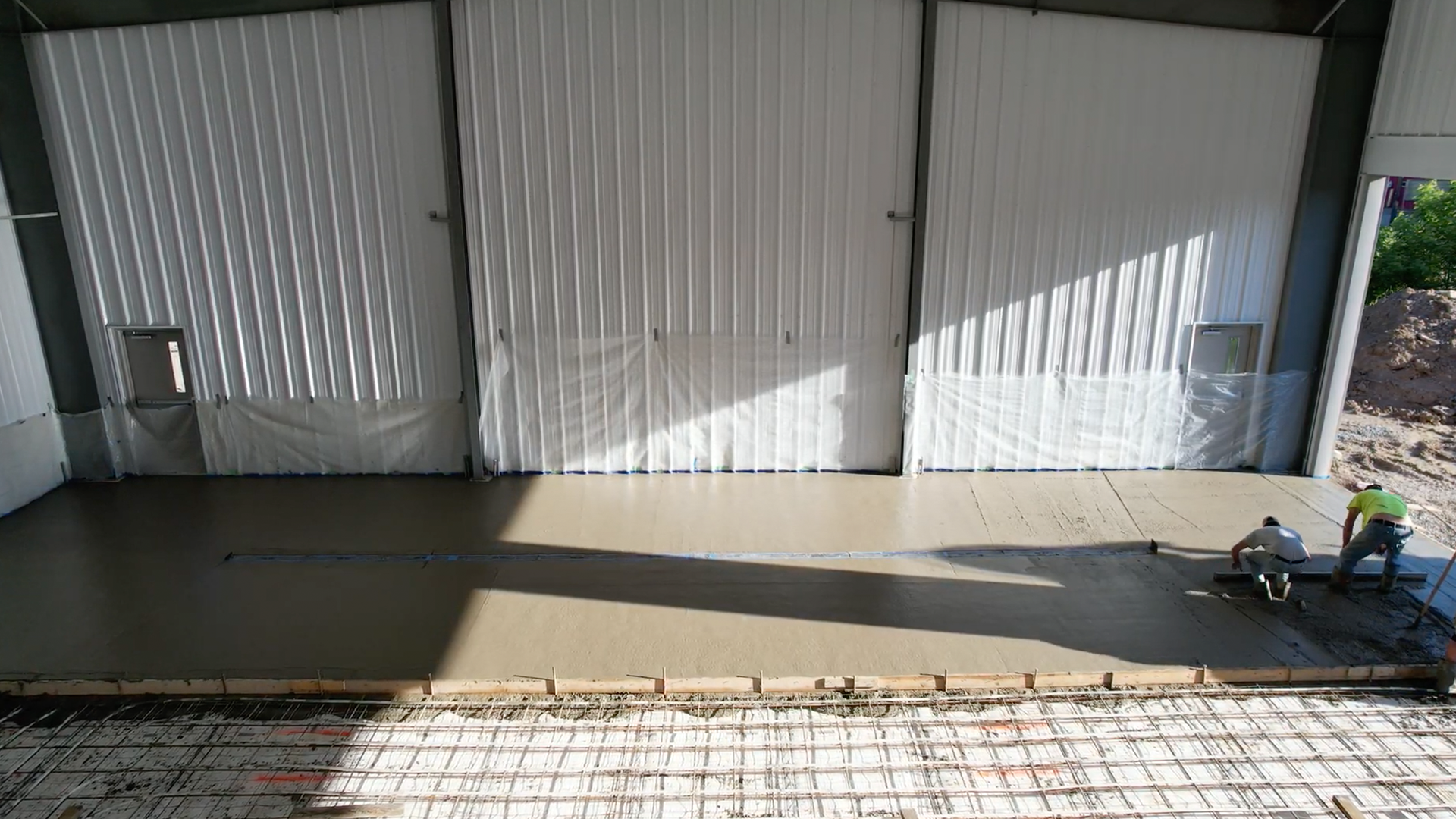
Projects involving concrete or masonry structures may require additional curing time or specialized installation processes that extend project schedules.
In fast-moving infrastructure projects, delays can increase development costs and slow energy network expansion.
Limited Structural Flexibility
Certain building materials may restrict interior layouts or require additional structural supports that limit equipment placement.
Facilities housing large mechanical systems often require open interior spaces that allow engineers to install and maintain equipment safely.
Design flexibility is an important consideration for infrastructure facilities.
Maintenance Requirements
Infrastructure facilities built with materials susceptible to environmental degradation may require ongoing repairs or structural maintenance.
Facilities operating in remote locations may find maintenance activities difficult to manage, making long-term durability an important factor in construction decisions.
These challenges have encouraged developers to explore construction methods that provide improved durability and adaptability.
HOW STEEL BUILDINGS SOLVE MIDSTREAM INFRASTRUCTURE CHALLENGES
Steel construction offers several advantages that address the challenges associated with midstream energy infrastructure projects.
Structural Durability
Steel framing systems provide exceptional strength that allows buildings to support heavy mechanical systems and industrial equipment.
This structural capacity allows facilities to house compressors, treatment systems, and monitoring equipment safely.
Steel structures are also resistant to many forms of structural degradation that may affect other materials.
Faster Construction Timelines
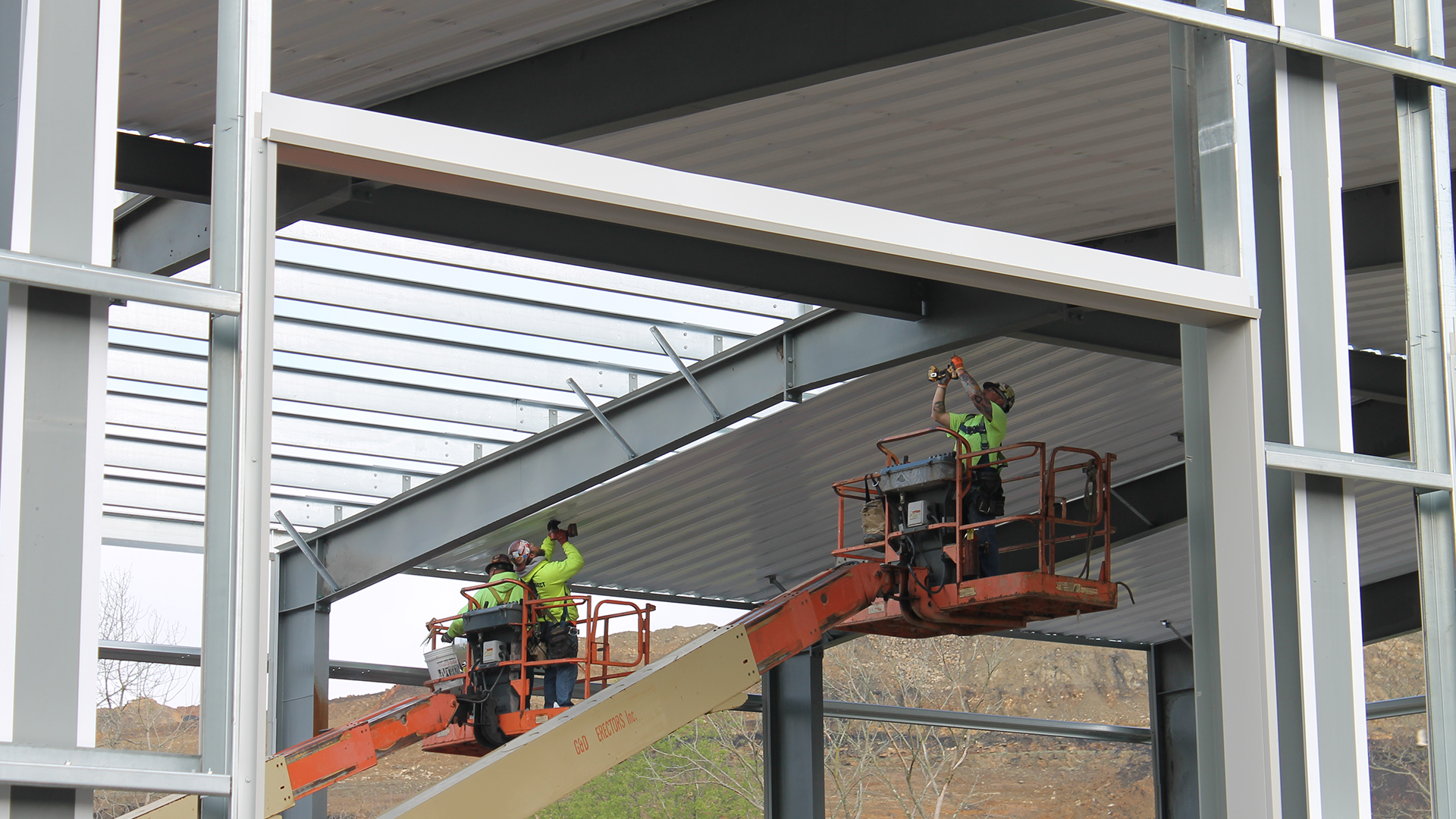
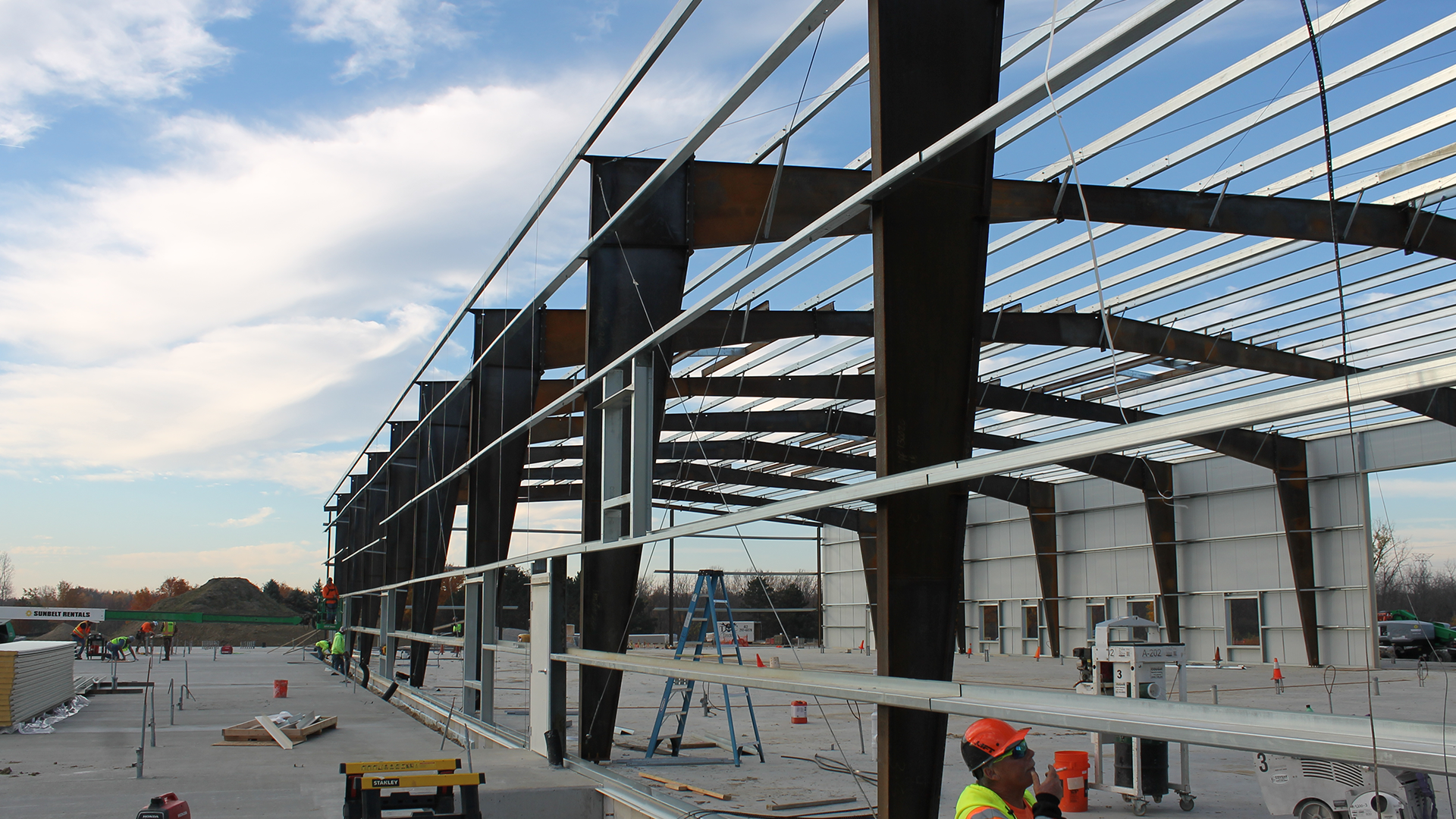
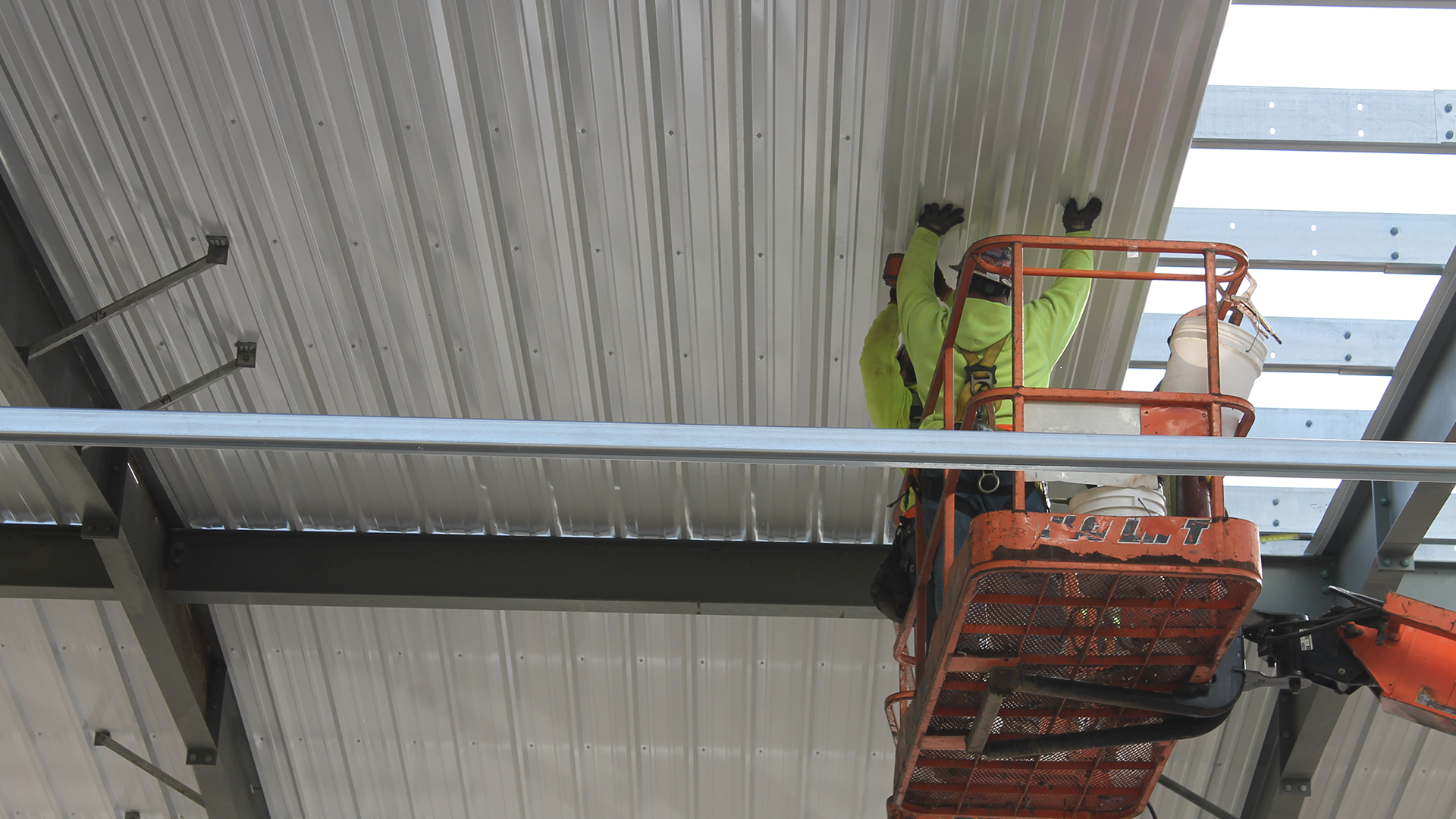
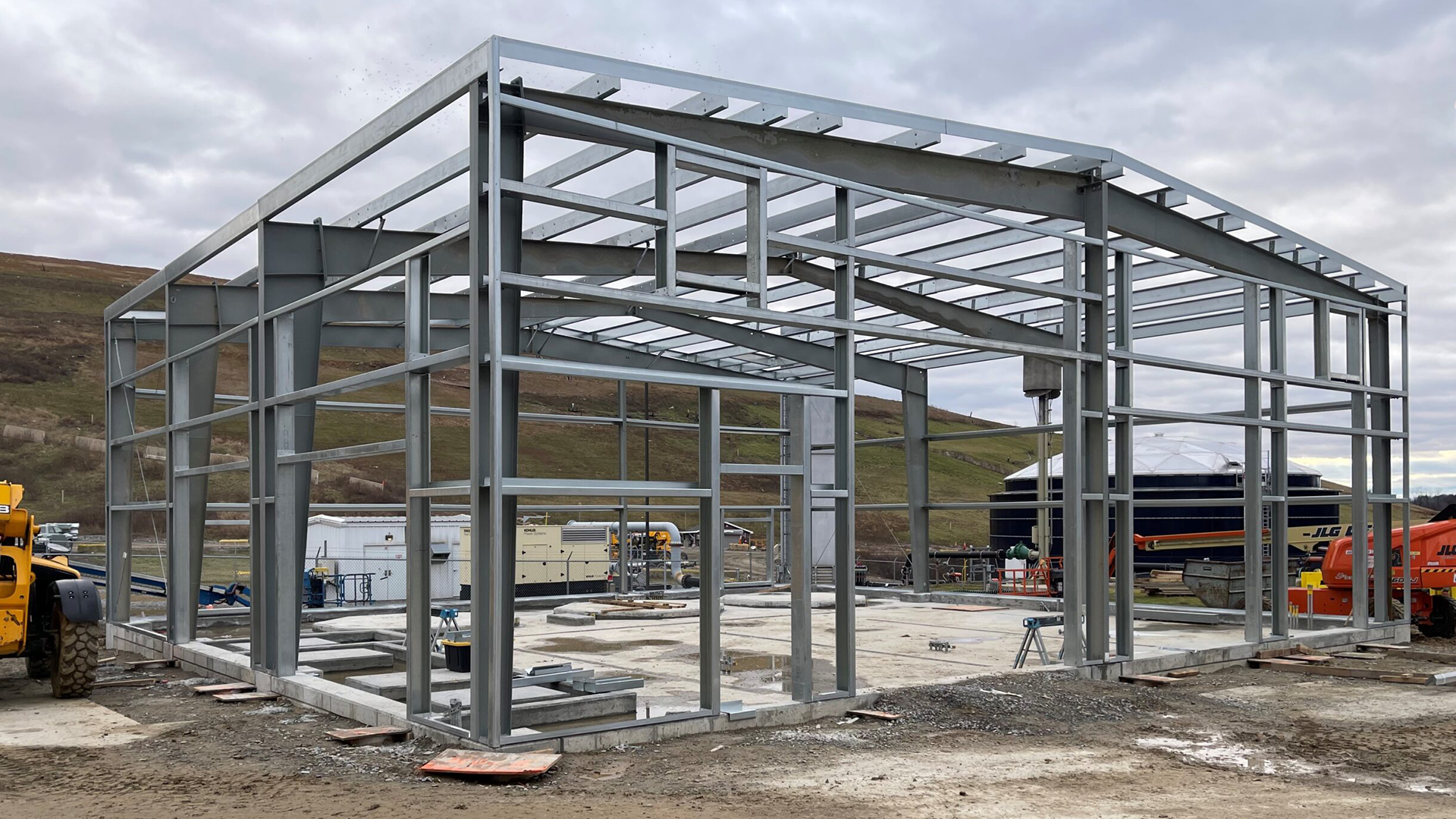
Steel building systems often incorporate prefabricated components that are manufactured off-site and assembled at the construction location.
This process can significantly reduce the amount of on-site labor required during construction.
Advantages of prefabricated steel construction include:
- faster project completion timelines
- reduced on-site construction complexity
- improved quality control during manufacturing
- fewer weather-related construction delays
These benefits help infrastructure developers complete facilities more efficiently.
Flexible Interior Layouts
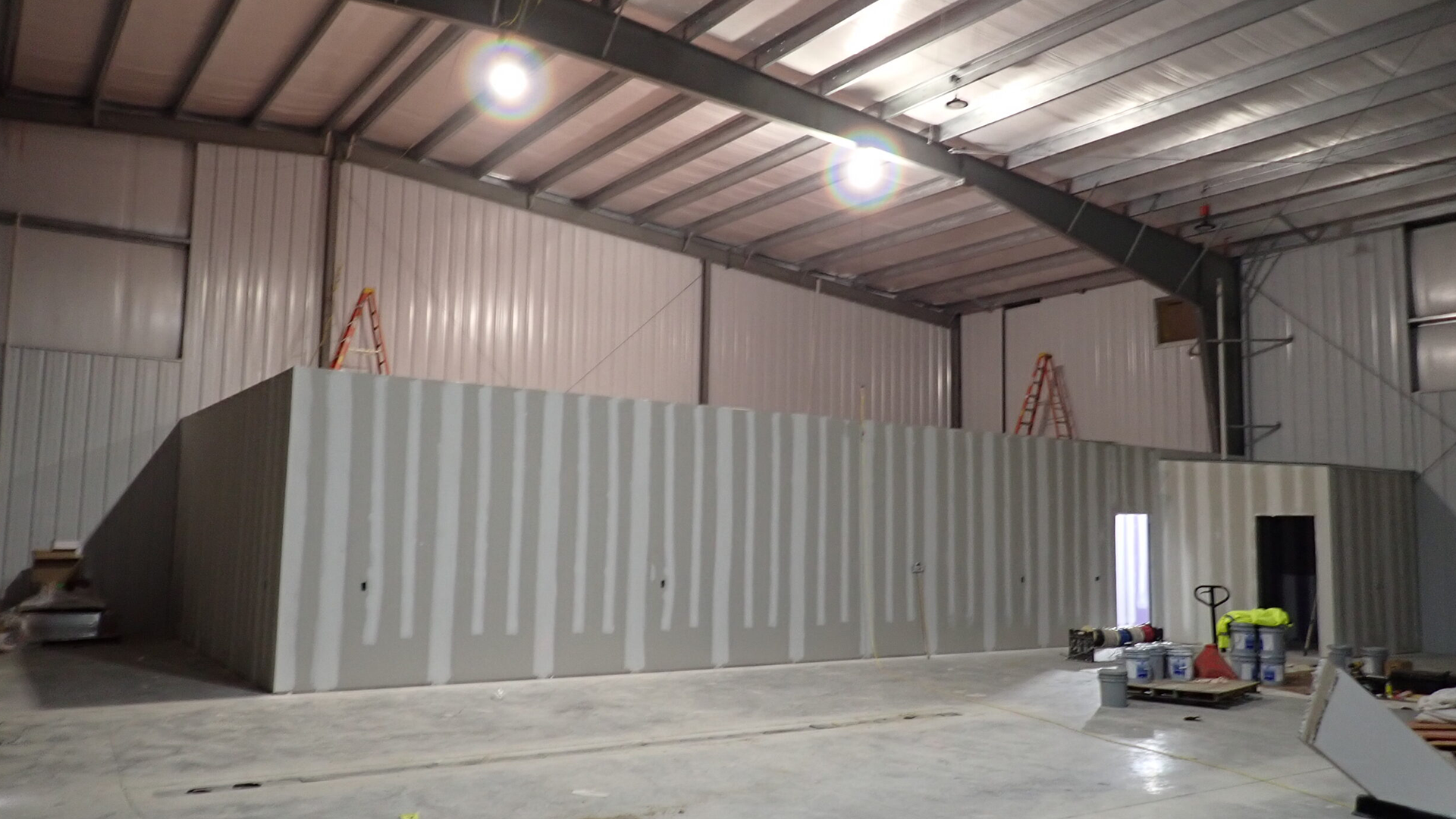
Steel buildings can be designed with large clear-span interiors that eliminate interior support columns.
These open spaces allow engineers to arrange mechanical equipment and piping systems efficiently while maintaining access for maintenance and inspections.
Flexible layouts help operators optimize facility workflows.
Scalability for Infrastructure Expansion
Pipeline networks often expand as energy demand grows.
Midstream facilities must sometimes increase capacity by adding additional equipment or expanding operational zones.
Steel buildings can be designed with expansion capabilities that allow facilities to grow as infrastructure needs evolve.
KEY MIDSTREAM FACILITIES COMMONLY BUILT WITH STEEL
Steel construction is widely used across many types of midstream infrastructure facilities.
Several common facility types benefit from steel structural systems.
Compressor Stations
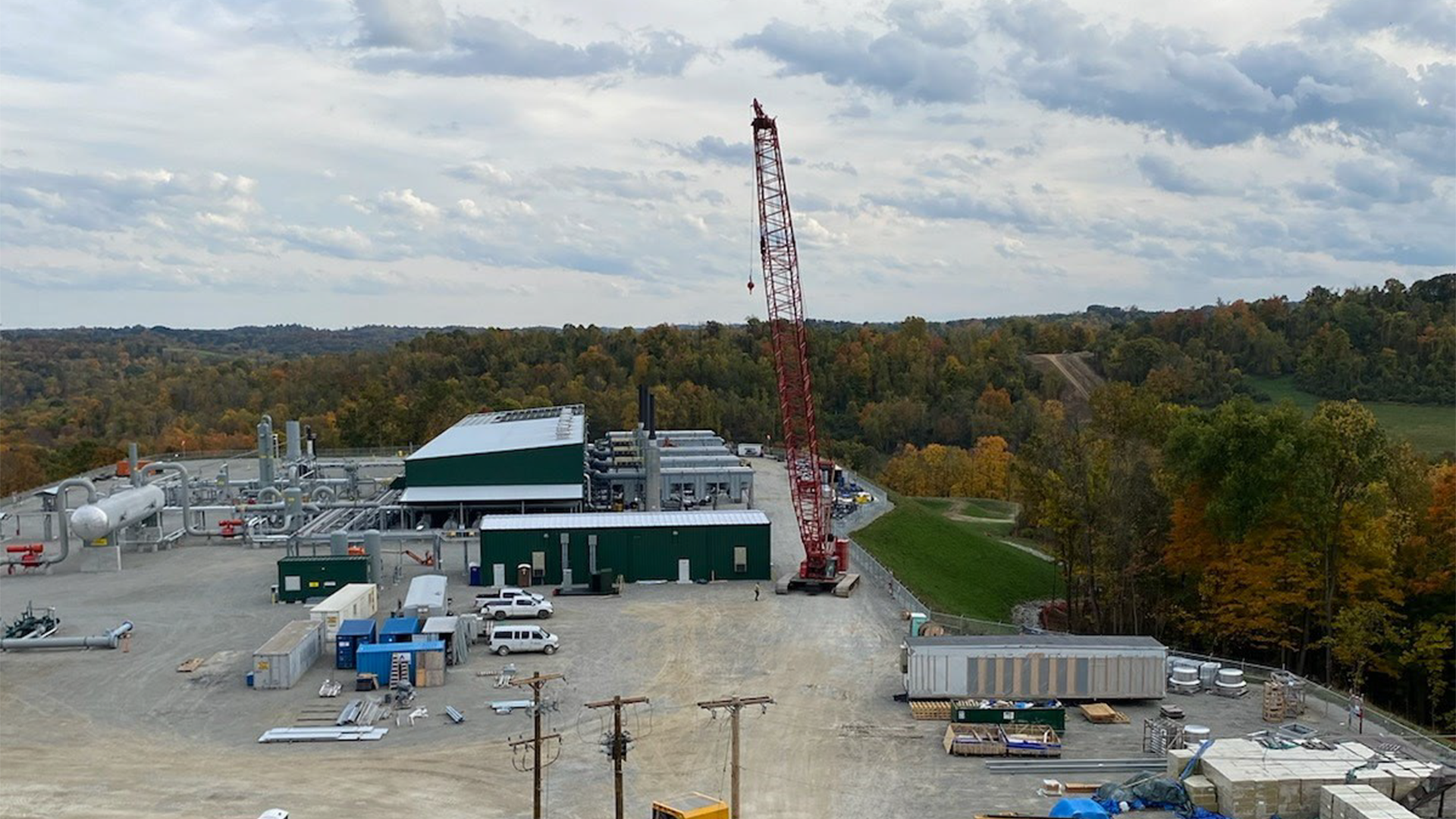
Compressor stations maintain gas pressure throughout pipeline systems by compressing natural gas at intervals along transmission routes.
These facilities house large compressors, cooling systems, and monitoring equipment that require durable structural support.
Steel buildings provide the strength needed to support these systems while protecting equipment from environmental exposure.
Gas Processing Plants
Gas processing facilities prepare raw natural gas for transportation by removing impurities and separating valuable natural gas liquids.
These facilities house complex treatment systems and industrial processing equipment.
Steel buildings provide flexible environments capable of supporting these operations.
Pipeline Metering Stations
Metering facilities monitor gas flow and regulate pressure as natural gas moves through pipeline systems.
These facilities often contain sensitive monitoring equipment that must be protected from environmental exposure.
Steel buildings provide secure enclosures for these critical infrastructure systems.
Equipment Storage and Maintenance Buildings
Midstream facilities often include buildings used to store maintenance equipment, replacement components, and operational tools.
Steel structures provide durable storage environments that support facility operations.
THE FUTURE OF MIDSTREAM INFRASTRUCTURE DEVELOPMENT
Energy infrastructure continues evolving as energy demand grows and new technologies emerge.
Pipeline networks, processing facilities, and monitoring systems must expand to support energy transportation across large regions.
Infrastructure projects supporting these networks require building systems capable of supporting heavy industrial operations while maintaining long-term reliability.
Steel construction provides a structural solution that aligns with the demands of modern midstream infrastructure.
By combining durability, flexibility, and efficient construction methods, steel buildings help energy developers construct facilities capable of supporting the infrastructure that keeps natural gas moving safely through pipeline networks.
As energy systems continue expanding, steel buildings will play an increasingly important role in shaping the future of midstream natural gas infrastructure.