HOW STEEL BUILDINGS SUPPORT NATURAL GAS COMPRESSOR STATION INFRASTRUCTURE
Natural gas infrastructure relies on a vast network of pipelines and processing facilities that transport energy across long distances. Within this network, compressor stations play a vital role by maintaining the pressure required to move natural gas efficiently through pipeline systems.
As natural gas travels through pipelines, friction and elevation changes gradually reduce its pressure. Without periodic compression, gas flow would slow significantly, limiting the distance it can travel through the network.
Compressor stations solve this problem by boosting gas pressure at strategic points along pipeline routes. These facilities allow energy companies to maintain consistent gas flow while ensuring reliable delivery to distribution systems, processing plants, and end users.
Because compressor stations house powerful mechanical systems and sensitive monitoring equipment, the buildings protecting these systems must be engineered for durability and operational reliability.
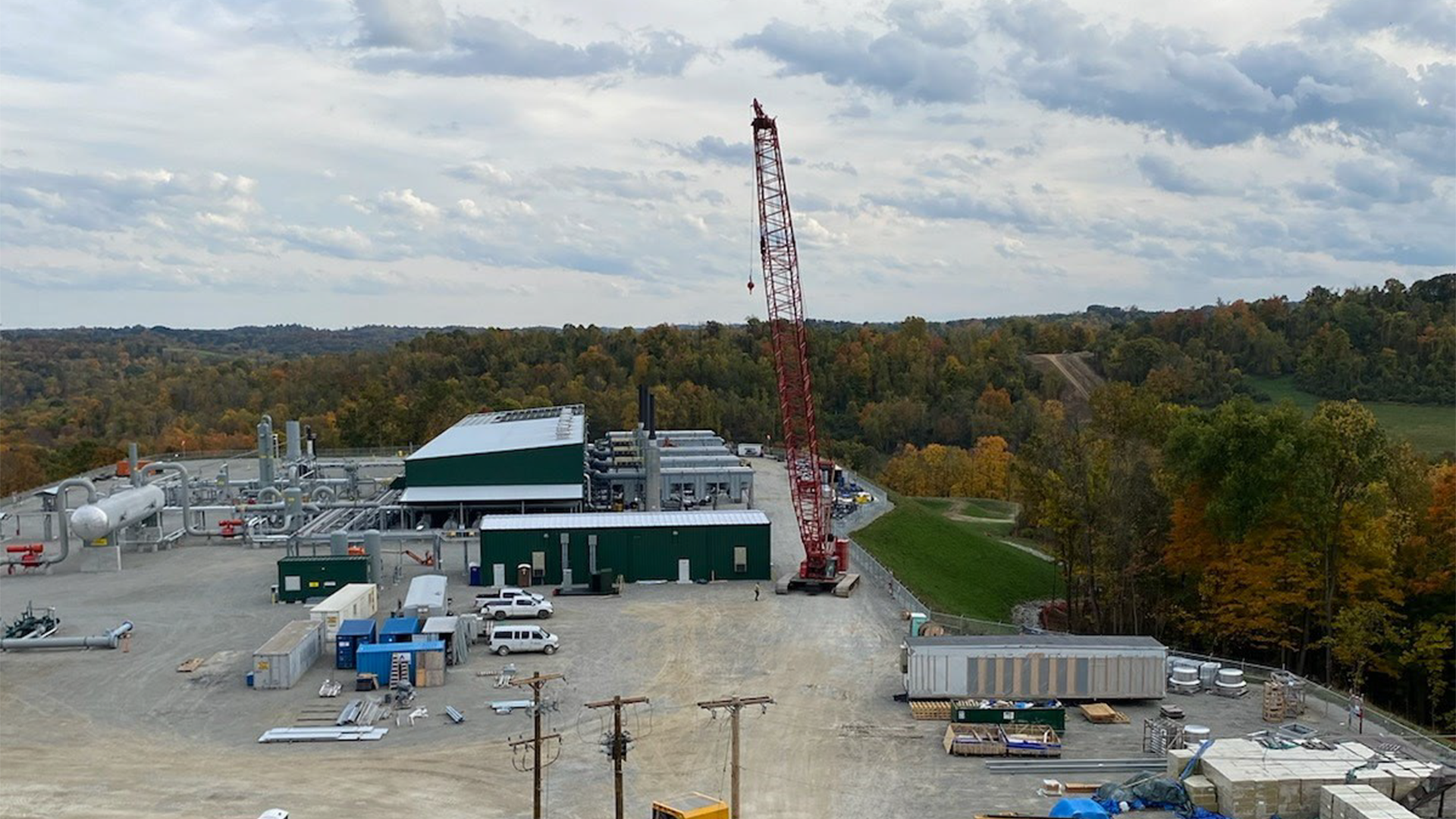
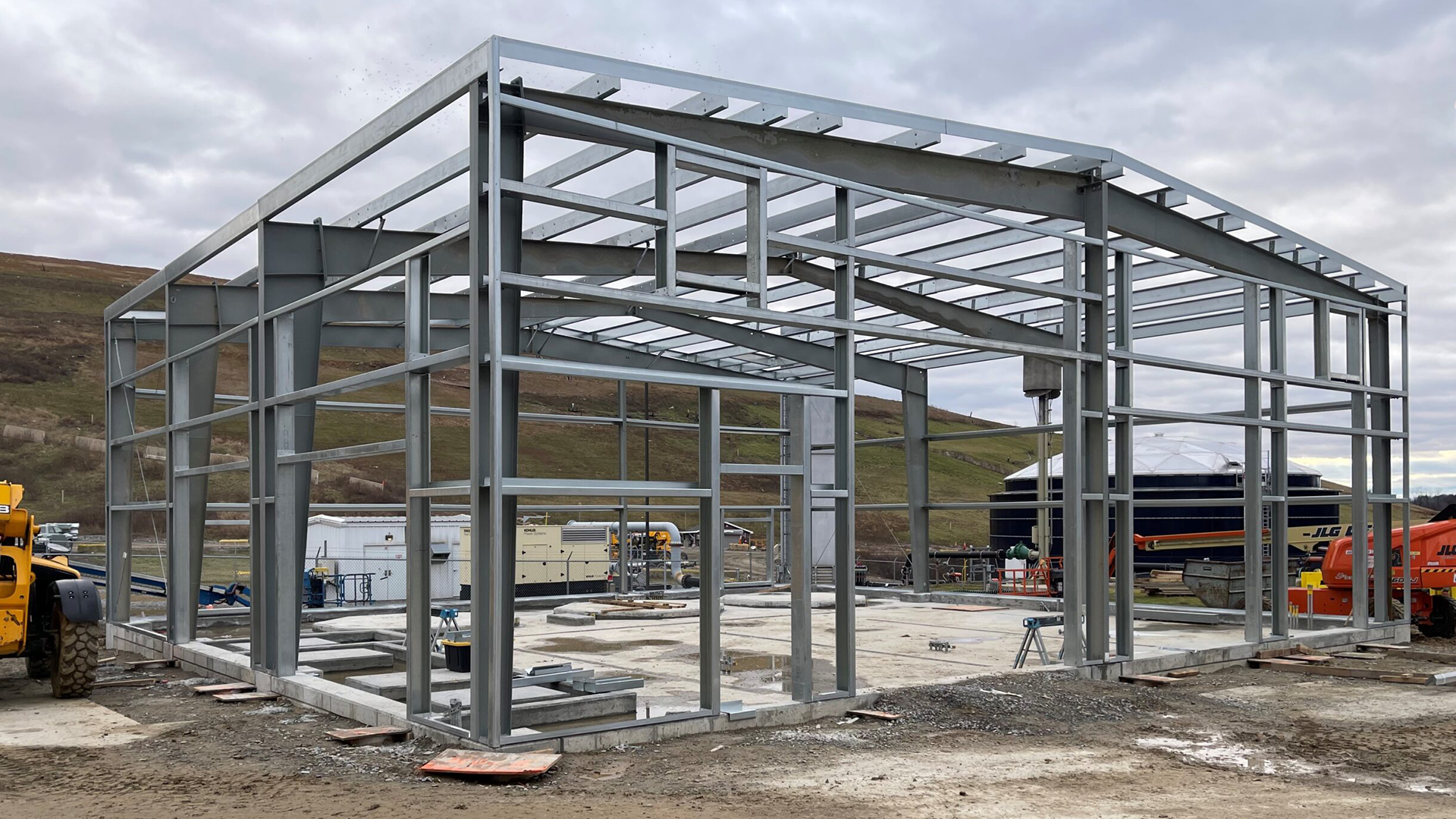
Steel compressor station buildings provide the structural strength, flexibility, and scalability required to support this critical infrastructure. These buildings help protect compressors, power systems, and control equipment while maintaining safe operating environments for technicians and engineers.
By combining structural durability with adaptable design capabilities, steel construction plays an important role in supporting the infrastructure that keeps natural gas moving across the energy network.
THE ROLE OF COMPRESSOR STATIONS IN NATURAL GAS PIPELINE SYSTEMS
Natural gas pipelines operate under carefully controlled pressure levels that allow gas to move efficiently through transmission networks. As gas travels through pipelines, pressure gradually decreases due to friction between the gas and pipeline walls.
To maintain efficient flow, compressor stations are installed along the pipeline route to restore pressure levels.
A compressor station works by drawing natural gas from the incoming pipeline, compressing it using mechanical equipment, and sending it back into the pipeline at a higher pressure.
These facilities ensure that natural gas continues moving through transmission networks toward processing plants, storage facilities, and distribution systems.
Compressor stations are typically located every 40 to 100 miles along major transmission pipelines, depending on pipeline design and operating conditions.
Because these facilities are critical to maintaining pipeline flow, compressor stations must operate continuously with minimal interruptions.
The buildings housing these systems must therefore provide safe environments for equipment while protecting critical infrastructure from environmental exposure.
CORE SYSTEMS FOUND IN NATURAL GAS COMPRESSOR STATIONS
Compression Equipment
The primary function of a compressor station is to increase the pressure of natural gas within the pipeline.
This is accomplished through compressor units powered by engines or electric motors. These machines draw gas from the incoming pipeline and compress it to increase pressure before returning it to the transmission line.
Compression equipment may include:
- centrifugal compressors used for high-volume transmission pipelines
- reciprocating compressors used for smaller or specialized operations
- gas turbine-driven compressor units
- electric motor-driven compressor systems
These machines are large and powerful, requiring structural systems capable of supporting their weight while minimizing vibration.
Cooling Systems
Compressing natural gas generates heat as the gas molecules are forced closer together. To maintain safe operating temperatures, compressor stations incorporate cooling systems designed to dissipate this heat.
Cooling systems may include:
- air-cooled heat exchangers
- radiator systems connected to compressor engines
- liquid cooling systems for certain equipment types
Facilities housing compressor equipment must allow sufficient airflow and ventilation to support these cooling systems.
Control and Monitoring Systems
Modern compressor stations rely on advanced monitoring technologies that track system performance in real time.
These systems monitor factors such as:
- gas pressure levels
- pipeline flow rates
- equipment temperature
- vibration levels
- safety system status
Control rooms house the computers and monitoring equipment used to manage these systems. These rooms must be protected from environmental exposure while providing reliable operating conditions for sensitive electronics.
Pipeline Connections and Valves
Compressor stations include complex piping networks that connect compressor units to the main transmission pipeline.
These systems include valves, regulators, and safety systems that control gas flow throughout the facility.
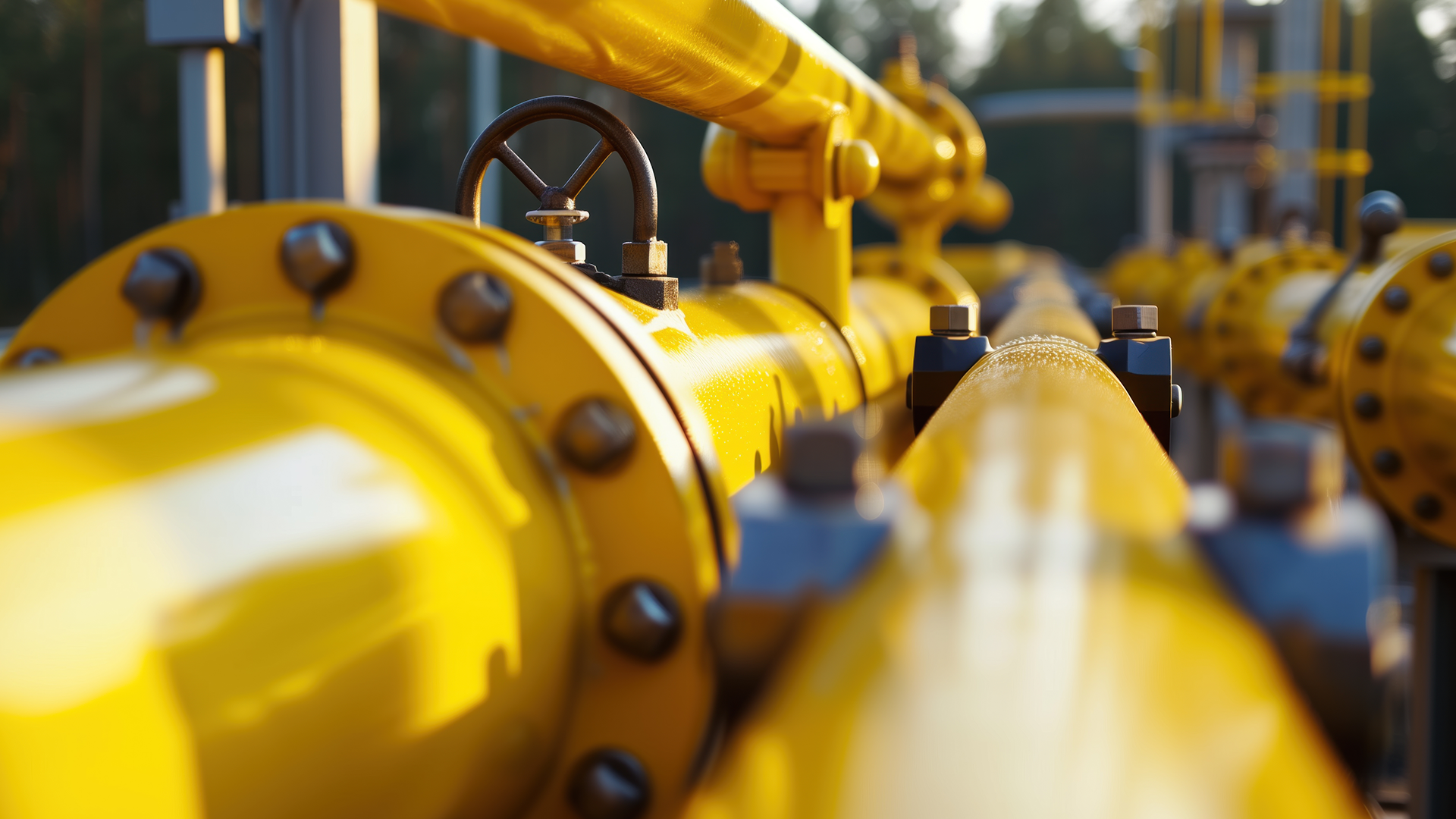
Proper structural support is required to accommodate the weight of these piping systems while maintaining safe operating conditions.
INFRASTRUCTURE REQUIREMENTS FOR COMPRESSOR STATION BUILDINGS
Structural Support for Heavy Equipment
Compression systems, cooling equipment, and piping infrastructure create significant loads that must be supported by the building structure.
Steel framing systems provide the strength required to support this equipment while distributing loads safely across building foundations.
This structural capacity helps maintain facility stability during long-term operations.
Vibration Management
Compressors generate vibration during operation, particularly in facilities using large reciprocating machines.
Building structures must accommodate these vibrations while preventing structural damage or equipment misalignment.
Steel framing systems can be engineered to manage these forces effectively while maintaining structural integrity.
Ventilation and Airflow
Compressor equipment generates heat and requires airflow to maintain safe operating conditions.
Facilities housing this equipment must incorporate ventilation systems that allow air circulation while removing heat generated by compressors and engines.
Steel buildings allow engineers to incorporate large ventilation openings, louvers, and airflow management systems that support these requirements.
Equipment Access for Maintenance
Compressor stations require regular inspection and maintenance to ensure safe operations.
Natural gas buildings must be designed with sufficient interior space and access points that allow technicians to service compressors, piping systems, and monitoring equipment.
Steel buildings provide large interior clearances and flexible layouts that allow operators to arrange equipment while maintaining access pathways.
WHY STEEL BUILDINGS ARE IDEAL FOR COMPRESSOR STATION FACILITIES
Structural Strength and Durability
Steel framing systems provide the structural strength required to support heavy compressor equipment and mechanical infrastructure.
These systems maintain long-term durability even in demanding industrial environments.
Steel structures are also resistant to many forms of structural degradation, helping facilities maintain operational reliability over extended lifespans.
Flexible Building Layouts
Compressor station equipment layouts can vary depending on pipeline design, compressor types, and operational requirements.
Steel construction allows engineers to design buildings with flexible layouts that accommodate various equipment configurations.
Large clear-span interiors allow compressor units and piping systems to be arranged efficiently while maintaining safe clearances.
Scalability for Infrastructure Expansion
As pipeline networks expand or energy demand increases, compressor stations may need to add additional compression units to maintain gas flow.
Steel buildings can be designed with expansion capabilities that allow operators to add equipment bays or extend building structures as infrastructure needs grow.
This scalability helps energy companies invest in facilities that support long-term infrastructure development.
SUPPORTING THE FUTURE OF MIDSTREAM ENERGY INFRASTRUCTURE
Natural gas remains an important component of the global energy system, supporting electricity generation, industrial processes, and residential heating.
As energy demand evolves, pipeline networks will continue expanding to transport natural gas from production regions to markets.
Compressor stations will remain a critical part of this infrastructure network.
Facilities supporting these natural gas operations must be designed with durability, safety, and operational efficiency in mind.
Steel compressor station buildings provide the structural reliability required to support these facilities while allowing infrastructure operators to expand operations as energy networks grow.
By protecting critical equipment and supporting efficient facility layouts, steel construction helps ensure that natural gas continues moving safely through pipeline systems.