Designing Integrated Facilities for Modern Industrial Growth
Industrial real estate is evolving. Developers and operators increasingly recognize that combining diverse industrial uses on single sites creates value, efficiency, and operational advantages that single-use facilities cannot match. Manufacturing operations benefit from co-locating with logistics facilities. Distribution centers gain efficiency sharing infrastructure with light assembly operations. Warehousing integrates with processing and fulfillment. This integration of diverse industrial functions—mixed-use industrial development—represents a fundamental shift in how modern industrial real estate is designed and operated.
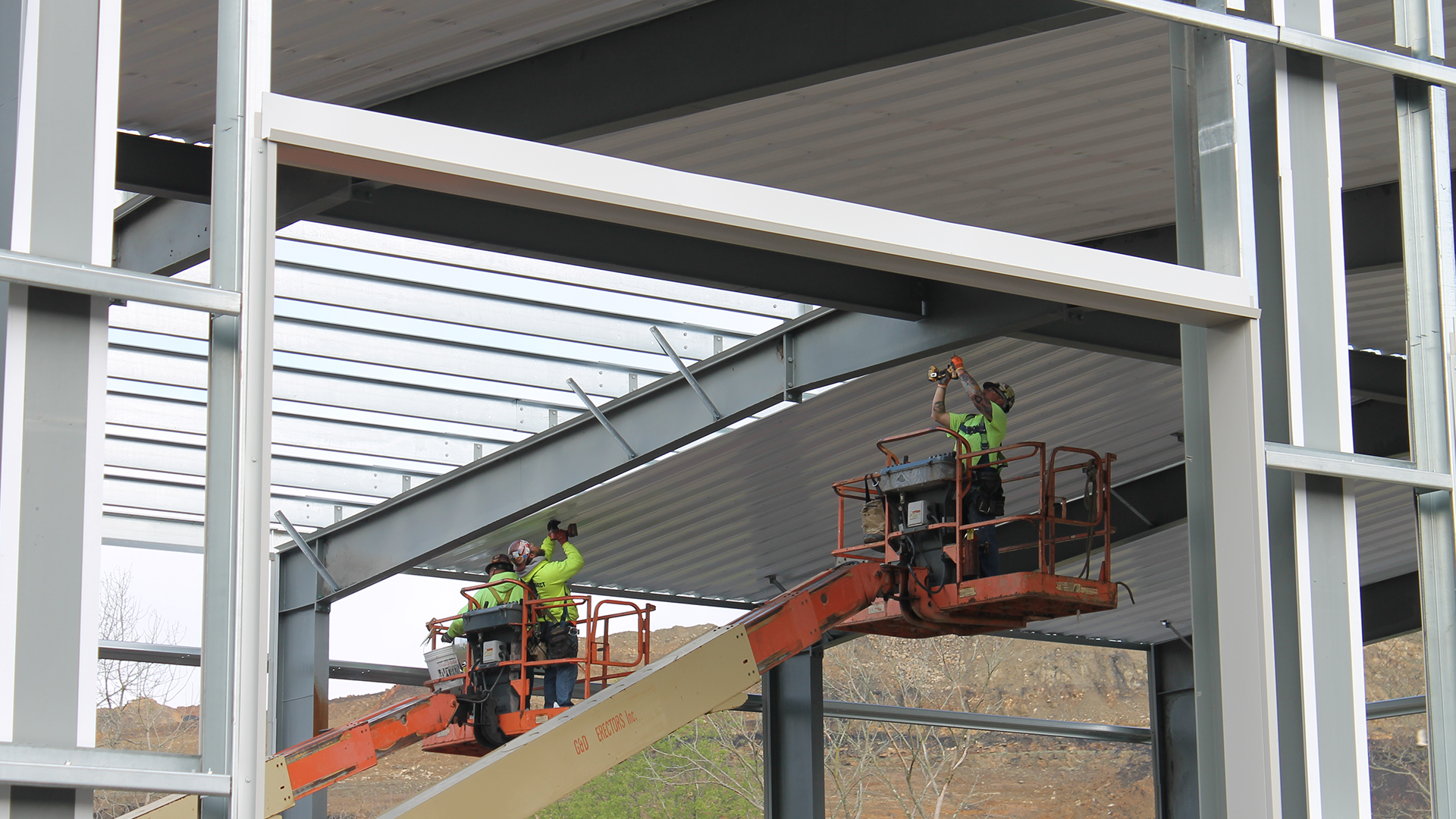
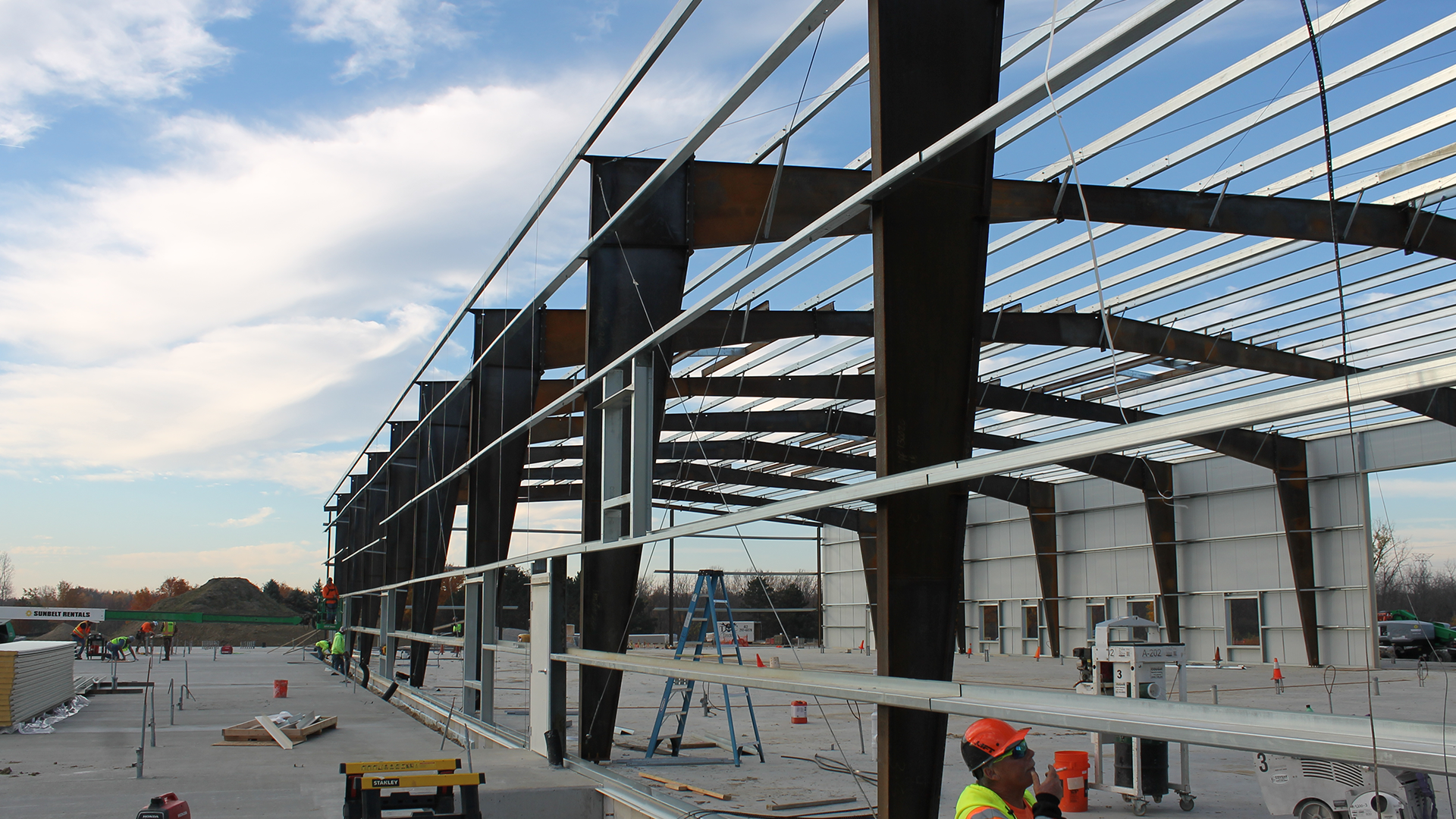
Steel mixed use buildings enable this integration efficiently. The flexibility of steel construction, the ability to create diverse functional spaces within single developments, and the structural strength accommodating varied operational demands make steel the material of choice for modern mixed-use industrial facilities. From automotive suppliers operating manufacturing and logistics on single sites to food companies integrating processing with distribution, steel mixed use buildings support the operational integration driving modern industrial efficiency.
This comprehensive guide explores mixed-use industrial development, the unique design challenges integrating diverse operations, and how steel construction enables the flexibility and efficiency that modern mixed-use industrial development requires.
The Mixed-Use Industrial Opportunity
Industrial real estate is traditionally single-use: a warehouse is a warehouse, a manufacturing facility is a manufacturing facility, a distribution center is a distribution center. This conventional approach, while straightforward, often misses significant opportunities for operational efficiency and value creation.
Mixed-use industrial development challenges this convention. By intentionally combining complementary industrial operations on single sites, developers and operators create:
Operational efficiency
Operational efficiency through shared infrastructure, reduced transportation between functions, and integrated workflows. Manufacturing companies handling product completion in-house avoid shipping intermediate products to external processors. Distribution centers performing light assembly or customization add value without requiring separate facilities. Processing operations with integrated storage and fulfillment eliminate intermediate handling steps.
Land utilization efficiency
Land utilization efficiency maximizing value from industrial property. Instead of one facility per site, developers create multiple functional areas supporting diverse operations within single developments. This density increases land productivity and reduces per-unit real estate costs.
Infrastructure sharing
Infrastructure sharing reducing capital and operating costs. Utilities, parking, loading docks, security systems, and administrative functions can serve multiple operational areas. Shared mechanical systems handle diverse requirements more efficiently than separate systems for each function.
Supply chain integration
Supply chain integration creating competitive advantages. Companies controlling multiple supply chain functions within integrated facilities gain flexibility responding to market changes and customer demands.
Workforce efficiency
Workforce efficiency through consolidated operations. Employees may work multiple roles or rotate between functions. Administrative and support staff serve multiple operations. Facilities management and security serve integrated complexes more efficiently than separate facilities.
Future flexibility
Future flexibility as markets and operations evolve. Integrated developments accommodate operational changes and growth through internal reconfiguration rather than requiring facility expansion or relocation.
These advantages explain why mixed-use industrial development is growing. Companies recognize that integration creates value, and real estate developers recognize that integrated facilities command premium valuations reflecting their operational advantages.
Understanding Mixed-Use Industrial Development
Mixed-use industrial development isn’t simply putting diverse functions under one roof. It requires careful planning, thoughtful architectural design, and engineering that accommodates fundamentally different operational requirements simultaneously.
Successful mixed-use industrial developments integrate operations that:
Complement each other operationally
Complement each other operationally. Manufacturing and warehousing complement each other. Processing and distribution complement each other. Assembly and fulfillment complement each other. Incompatible operations—hazardous manufacturing colocated with food processing, for example—create conflicts requiring expensive mitigation systems.
Share infrastructure efficiently
Share infrastructure efficiently. Operations requiring similar utilities, access patterns, environmental conditions, or support services share infrastructure effectively. Operations with fundamentally different requirements—one requiring climate control, another requiring ventilation of fumes—require careful separation and specialized design.
Create logical workflows
Create logical workflows. Raw materials enter facility, move through manufacturing or processing, proceed to warehousing or distribution, and exit as finished products. Logical flows minimize material handling and create efficiency.
Respect operational boundaries
Respect operational boundaries. Food processing areas remain separate from non-food warehousing. Hazardous operations remain isolated from sensitive functions. Manufacturing remains separate from product storage requiring strict inventory control. Careful building design respects these boundaries while enabling facility integration.
Support growth and change
Support growth and change. Operations evolve. Today’s optimal layout may need modification. Successful mixed-use developments accommodate growth, equipment upgrades, and operational changes without requiring complete reconfiguration.
Steel mixed use buildings enable this integration by providing the flexibility, strength, and adaptability that mixed-use operations demand.
Design Advantages of Steel for Mixed-Use Industrial Facilities
Steel construction offers specific advantages for mixed-use industrial developments that alternative materials cannot match as effectively.
Clear Span Flexibility
Steel’s strength-to-weight ratio enables long clear spans without intermediate columns obstructing space. A manufacturing area needs open space for production lines. An adjacent warehousing area needs clear space for inventory storage and material handling. A fulfillment area needs unobstructed space for conveyor systems and pick operations.
Steel structures spanning 100+ feet without intermediate columns provide this clear space flexibility. Different areas within a single development can have different clear span requirements without compromising the overall structure. Manufacturing equipment, material handling equipment, and storage systems can be reconfigured as operations evolve—all within the same structural framework.
Operational Separation Without Physical Division
Mixed-use facilities require separation between operations—operational separation, not necessarily complete physical division. Steel structural systems enable creating distinct operational areas with clear boundaries while maintaining overall facility connectivity.
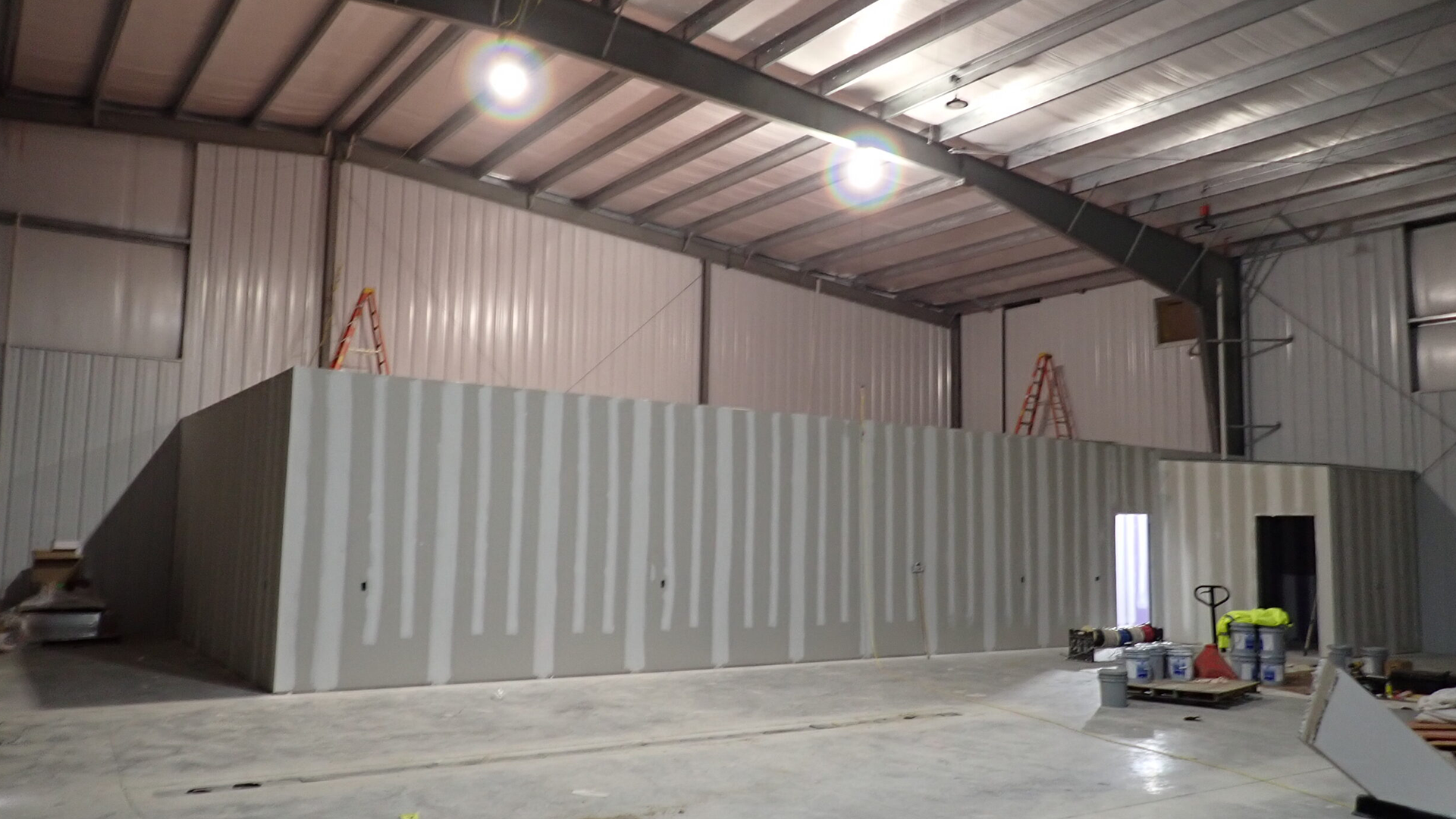
Fire-rated walls separate operations that require fire separation. Partial height walls create operational boundaries while maintaining visual and acoustic connection. Flexible partitioning systems allow reconfiguration as operations change. Steel frames support these diverse separation strategies within unified structural systems.
Support for Diverse Mechanical Requirements
Different operations require different mechanical systems: manufacturing may require specialized ventilation and compressed air systems, warehousing may require climate control, fulfillment may require different lighting and environmental conditions. Steel structures accommodate diverse mechanical systems through flexible routing, multiple HVAC zones, specialized utility infrastructure, and structural capacity supporting varied equipment loads.
Load-Bearing Flexibility
Manufacturing equipment, storage systems, and processing machinery all create different loads on building structure. Steel capacity allows diverse equipment coexisting within single facilities. Heavy manufacturing equipment, high-density shelving, processing machinery, and storage systems all find places within steel-framed facilities without requiring over-designed structures.
Adaptability for Future Change
Operations evolve. Equipment upgrades require facility modifications. Manufacturing processes change. Product lines shift. Market demands evolve. Steel structures, with their inherent flexibility, accommodate these changes without requiring facility reconstruction. Equipment can be moved, reconfigured, or replaced. Operations can be relocated within facilities. New functions can be added through internal reconfiguration.
This adaptability means that mixed-use industrial facilities built with steel remain valuable and functional as operations change throughout decades of use.
Facility Types and Integration Models
Mixed-use industrial developments combine diverse industrial operations. Common integration models include:
Manufacturing Plus Logistics Integration
Manufacturing companies increasingly integrate logistics operations. Product completion, quality assurance, and packaging occur at manufacturing sites. Distribution and fulfillment follow immediately. This integration reduces handoffs, improves quality control, and accelerates delivery to customers.
Steel mixed use buildings support this integration through open manufacturing areas adjacent to warehouse and distribution spaces, shared dock facilities, integrated material flow, and flexible reconfiguration as production volumes and distribution requirements change.
Processing Plus Distribution Integration
Food, beverage, and specialty product manufacturers integrate processing with distribution. Products move directly from processing to storage to fulfillment, minimizing time from production to shipment. Temperature control and environmental requirements apply across the facility.
Steel buildings accommodate these integrated operations through food-safe finishes, appropriate ventilation systems, temperature control across diverse areas, and equipment support requirements.
Assembly Plus Fulfillment Integration
Automotive suppliers, electronics manufacturers, and custom product companies integrate assembly with fulfillment. Custom orders move through assembly immediately to fulfillment and shipment. Product customization occurs during final assembly. This integration responds to market demands rapidly.
Steel structures support this through flexible assembly areas, conveyor system integration, fulfillment infrastructure, and easy reconfiguration as product requirements change.
Warehousing Plus Light Manufacturing
Warehousing companies increasingly add light manufacturing or product customization capabilities. Customers obtain finished, customized products from single suppliers rather than standardized products requiring downstream processing. This integration adds value and creates customer lock-in.
Steel facilities support this through quality assembly areas integrated with warehouse spaces, flexible separation maintaining operational boundaries while enabling integration, and expansion capability as light manufacturing grows.
Distribution Plus Returns Processing
E-commerce and retail distribution increasingly integrate returns processing with distribution operations. Products flow forward to customers, returns flow backward through processing determining refurbishment, resale, or disposal. This integration improves operational efficiency and customer satisfaction.
Steel structures accommodate these integrated flows through flexible space design, equipment positioning supporting forward and reverse flows, and operational flexibility.
Design and Engineering Challenges in Mixed-Use Development
Integrating diverse operations creates design and engineering challenges that single-use facilities never face.
Operational Separation and Contamination Control
Manufacturing, processing, and warehousing operations must remain separate in ways protecting product integrity and personnel safety. Steel structures support these separations through fire-rated walls, partial-height barriers, environmental separation systems, and access control design—all integrated within unified structural frameworks.
Environmental Control Complexity
Different operations require different environmental conditions. Manufacturing may require ventilation and humidity control. Warehousing may require climate control or standard conditions. Processing may require specialized conditions. Fulfillment may require optimal working conditions for personnel. HVAC systems must deliver these diverse conditions simultaneously without conflicts or excessive costs.
Professional mechanical engineering designs systems efficiently serving multiple conditions within unified facilities.
Utility Infrastructure Demands
Diverse operations require varied utilities at different capacities and locations. Manufacturing requires compressed air, specialized water systems, waste treatment. Warehousing requires standard utilities. Processing requires specialized utilities. Fulfillment requires standard utilities. Infrastructure sizing must accommodate peak demands across all operations while avoiding over-specification.
Noise and Vibration Management
Manufacturing creates noise and vibration. Warehousing and fulfillment require quiet conditions. Structural design and mechanical isolation systems manage these competing requirements.
Staffing and Operational Coordination
Integrated operations require coordination between different operational teams. Workflows must be coordinated preventing bottlenecks. Personnel must be trained in multiple areas. Management structures must accommodate diverse operations. These operational challenges, while not strictly design issues, influence facility layout and infrastructure supporting operational success.
Technology Integration in Mixed-Use Facilities
Modern mixed-use industrial developments increasingly incorporate advanced technologies supporting operational integration and efficiency.
Material Handling Integration
Conveyor systems, automated material handling, and robotic systems optimize movement between operations. System design during facility planning ensures that material flows efficiently through integrated operations.
Inventory Management Systems
Real-time inventory tracking across manufacturing, warehousing, and fulfillment operations optimizes inventory positioning and fulfillment speed. Integration supporting data flow between operations requires IT infrastructure and system coordination.
Workforce Management Systems
Integrated scheduling, task allocation, and performance tracking across multiple operational areas optimize labor utilization. Systems must accommodate diverse work types and skill requirements across operations.
Building Automation
Integrated building systems manage environmental control, energy consumption, security, and operations across diverse facility areas. Smart systems optimize overall facility performance rather than optimizing individual systems.
Sustainability Integration
Mixed-use facilities increasingly incorporate sustainability measures benefiting from integrated operations. Waste from one operation becomes input for another. Heat from manufacturing powers heating systems elsewhere. Water conservation benefits from integrated management. Energy efficiency improves through integrated systems.
Regulatory Compliance and Safety Integration
Mixed-use industrial facilities must satisfy safety regulations for all operations simultaneously—a more complex compliance challenge than single-use facilities face.
Fire Safety and Separation
Fire codes require separation between incompatible uses. Manufacturing and warehousing may require different fire ratings or separation distances. Design must accommodate all requirements while maintaining operational integration.
Occupational Safety
OSHA standards apply to all personnel regardless of which operation they work in. Hazard communication, personal protective equipment, and training must be coordinated across operations.
Environmental Regulations
Different operations may trigger different environmental regulations. Manufacturing may require air permits. Waste disposal may require hazardous waste handling. Design must accommodate all regulatory requirements.
Operational Segregation Requirements
Some operations must remain physically separate—manufacturing with hazardous chemicals separated from food products, for example. Design must enforce these separations while enabling overall facility integration.
Professional coordination among architects, engineers, and regulatory specialists ensures that mixed-use facilities meet all applicable standards.
The Business Case for Mixed-Use Industrial Development
Mixed-use industrial development represents significant business opportunity for developers, operators, and investors. Understanding the business fundamentals explains the growing popularity of integrated facilities.
Development advantage
Development advantage: Integrated facilities command premium valuations. Real estate investors recognize operational efficiency value. Tenant operators recognize efficiency benefits. Higher valuations improve development economics.
Operational advantage
Operational advantage: Operators reduce costs through infrastructure sharing, improve efficiency through integrated workflows, and gain flexibility through adaptability. These cost and efficiency advantages improve profitability.
Workforce advantage
Workforce advantage: Integrated operations create employment opportunities for workforce development. Multi-skilled workers become valuable. Employee retention improves. Community benefits from quality employment.
Market advantage
Market advantage: Companies controlling integrated operations respond to markets faster than companies relying on external partners. Product customization, rapid fulfillment, and quality control all improve. Customer service improves.
Growth advantage
Growth advantage: Integrated operations accommodate growth through internal expansion and reconfiguration rather than requiring additional facilities. Growth becomes more economical.
Selecting a Partner for Mixed-Use Industrial Development
Mixed-use industrial development requires expertise in:
Operational planning
Operational planning, understanding industrial workflows and operational integration. Design professionals must comprehend diverse operations and how to integrate them effectively.
Structural design
Structural design provides flexibility supporting diverse uses and future changes. Clear spans, adaptable mechanical systems, and flexible utility infrastructure.
Regulatory knowledge
Regulatory knowledge navigating diverse regulatory requirements for multiple operations simultaneously. Specialists understand fire codes, environmental regulations, occupational safety standards, and operational regulations.
Project management
Project management coordinating complex projects involving diverse stakeholders, phased development, and operational requirements. Management capability ensures successful execution.
Industry experience
Industry experience with similar mixed-use projects demonstrating understanding of mixed-use operational challenges and solutions.
RedDirect brings extensive experience designing and constructing steel mixed-use industrial developments supporting diverse operational integration.