HOW STEEL BUILDINGS SUPPORT THE GROWTH OF TECHNOLOGY CAMPUSES AND AI INNOVATION HUBS
Artificial intelligence, advanced computing, and emerging technology companies are reshaping the global economy. As startups and research organizations develop new tools powered by machine learning, robotics, and automation, the need for specialized infrastructure continues to grow.
Across many regions, technology clusters are forming around universities, research institutions, and venture-backed startups. These environments—often called innovation campuses or technology hubs—bring together engineering teams, research labs, manufacturing spaces, and computing infrastructure within collaborative environments designed to accelerate innovation.
Unlike traditional office developments, innovation campuses require flexible buildings capable of supporting research, product development, advanced computing, and light industrial production within the same facility.
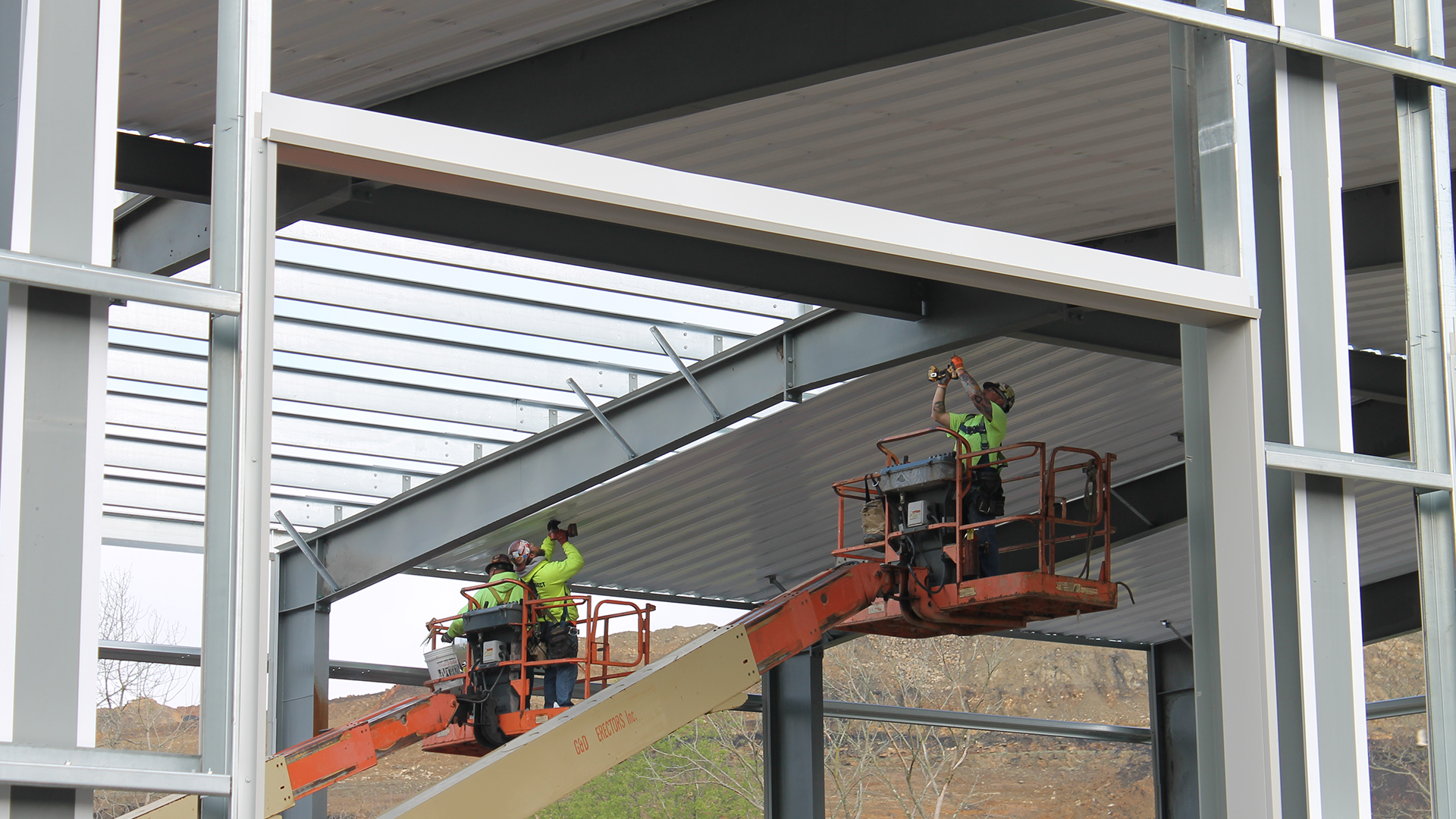
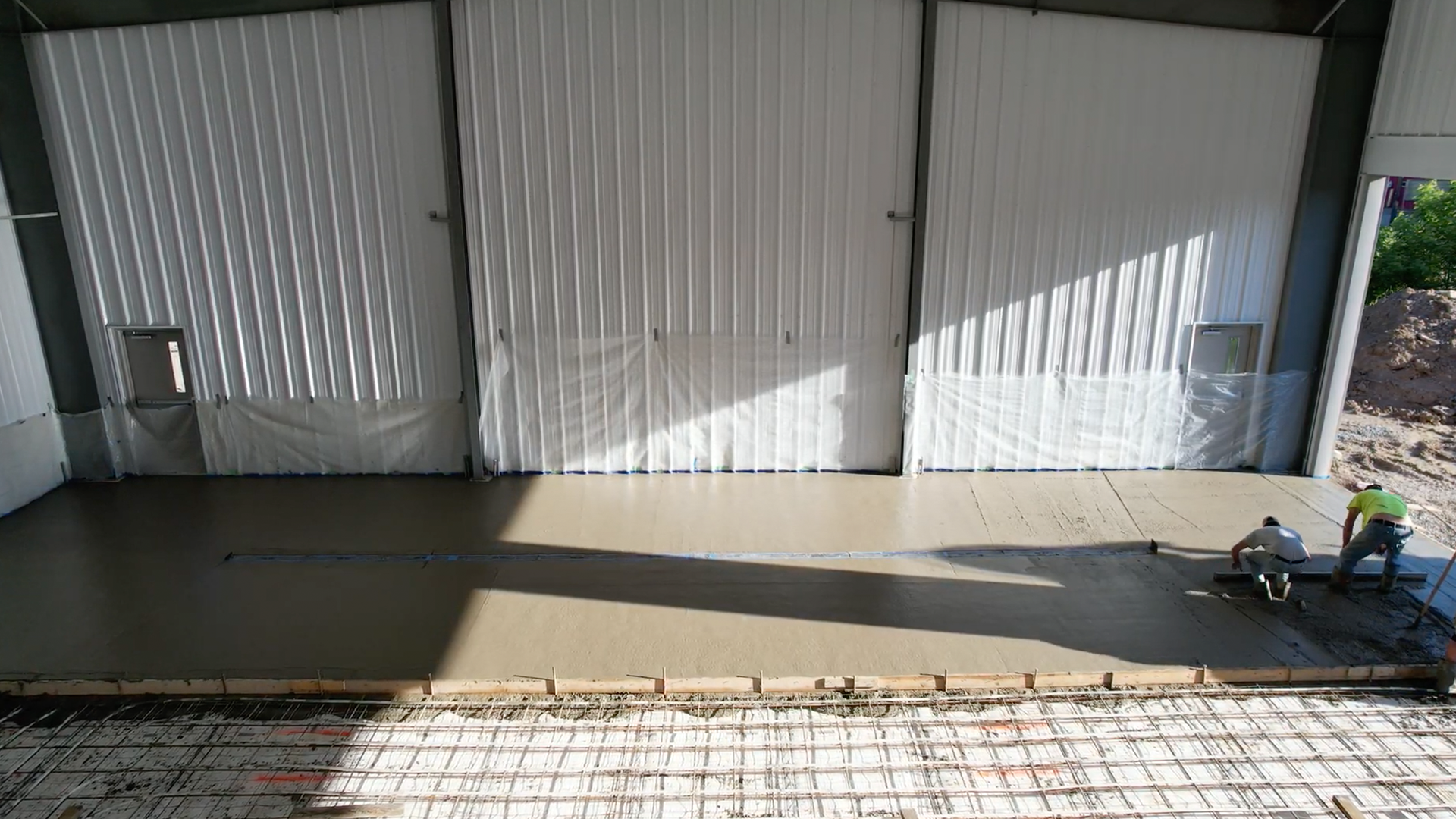
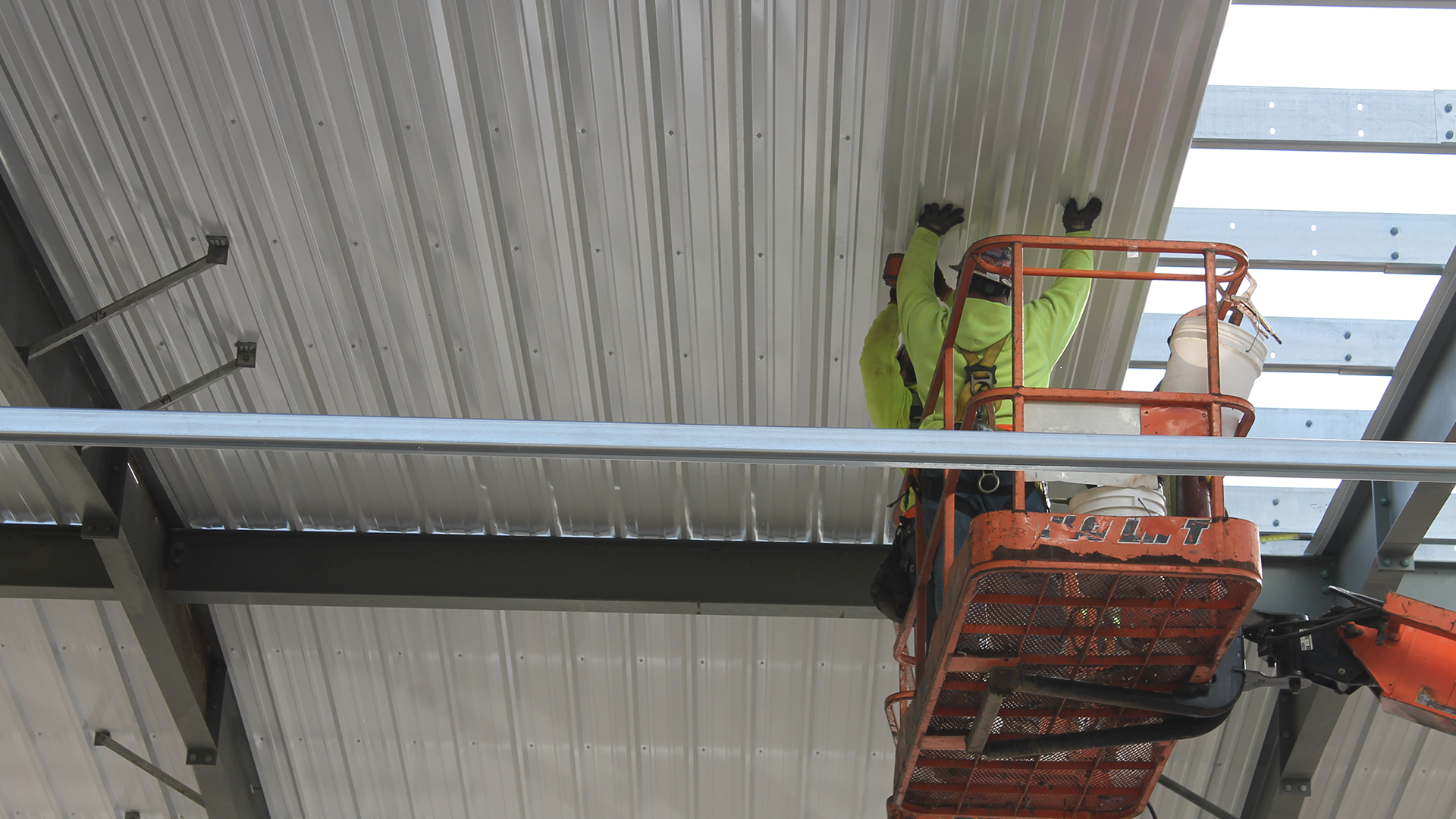
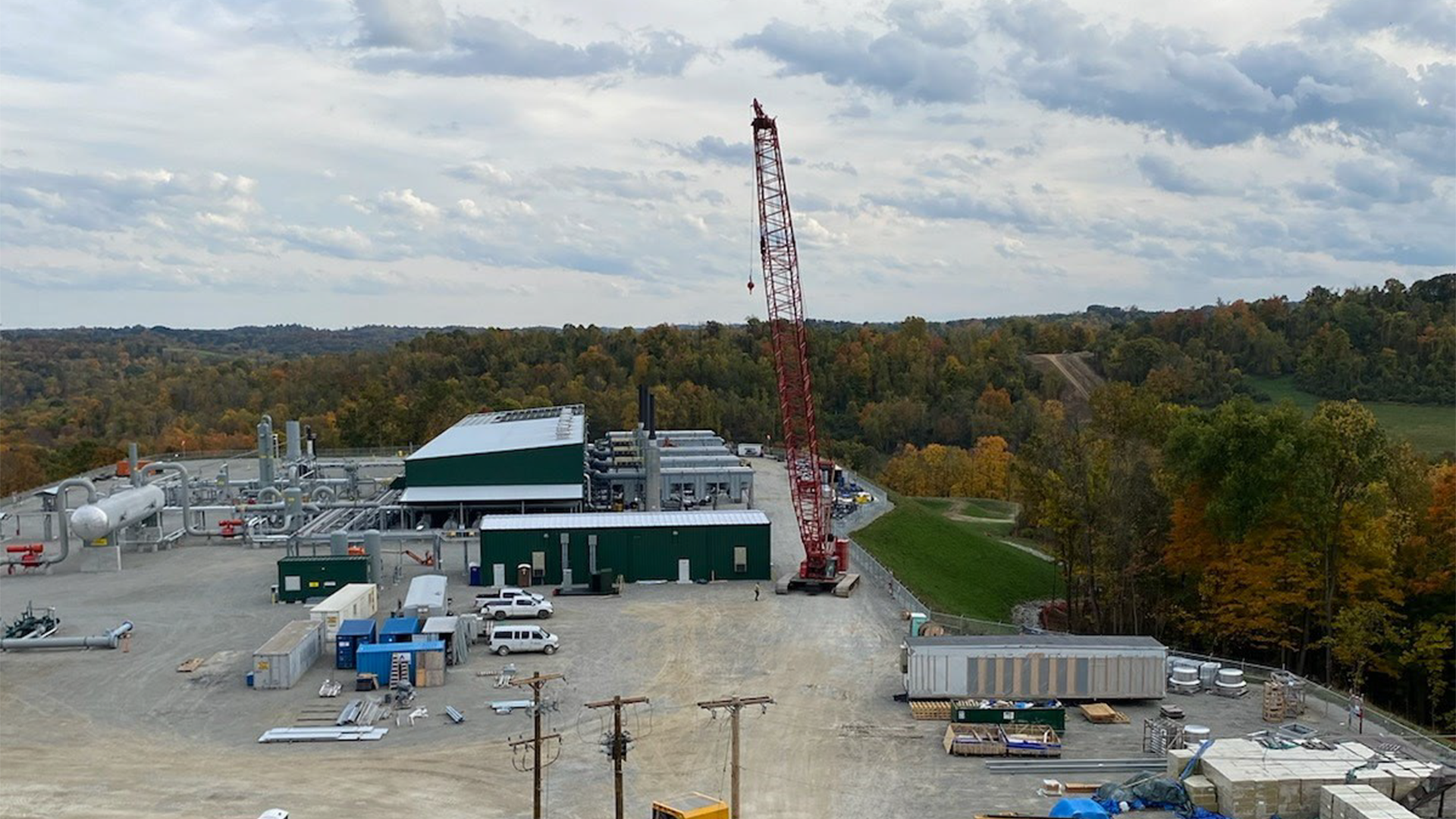
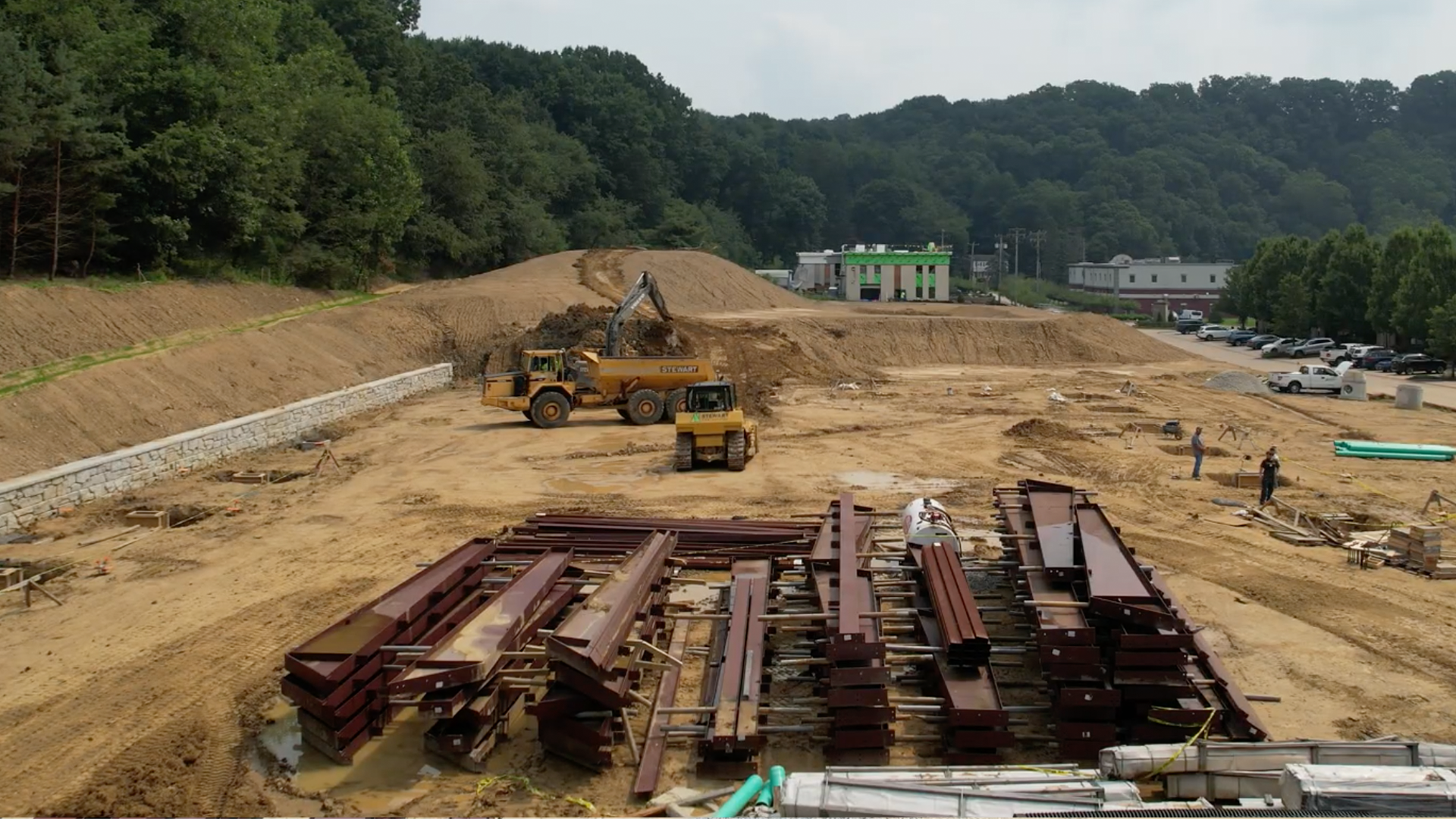
Steel buildings have become a practical solution for many technology campuses because they offer adaptable interior layouts, strong structural systems, and scalable building designs that can grow alongside emerging companies.
Steel innovation hubs provide the structural flexibility needed to support a wide range of technology operations, from AI computing infrastructure to robotics labs and prototype manufacturing spaces.
As the demand for research-driven workspaces continues expanding, steel construction plays an important role in supporting the physical infrastructure of modern technology ecosystems.
THE RISE OF AI AND TECHNOLOGY INNOVATION CAMPUSES
Technology development increasingly takes place within collaborative environments where engineers, researchers, and entrepreneurs can work together to build new solutions.
Many cities and research regions are developing innovation districts that bring together startups, venture capital firms, and academic institutions within dedicated technology campuses.
These campuses often include a mix of spaces designed to support different phases of technology development.
Common facilities within innovation campuses include:
- research laboratories
- prototype manufacturing areas
- AI computing environments
- collaborative office spaces
- testing facilities for robotics and automation
- startup incubators and accelerator programs
Because these environments support a variety of activities, buildings must be designed with flexibility that allows companies to adapt their workspaces as projects evolve.
Steel construction provides the structural systems needed to support these dynamic environments.
KEY INFRASTRUCTURE REQUIREMENTS FOR TECHNOLOGY CAMPUSES
Innovation hubs differ from traditional office developments because they must support a combination of research, engineering, and technology production activities.
Several infrastructure requirements influence how these facilities are designed.
Flexible Interior Layouts
Startups and technology companies often need workspaces that can be reconfigured as projects develop.
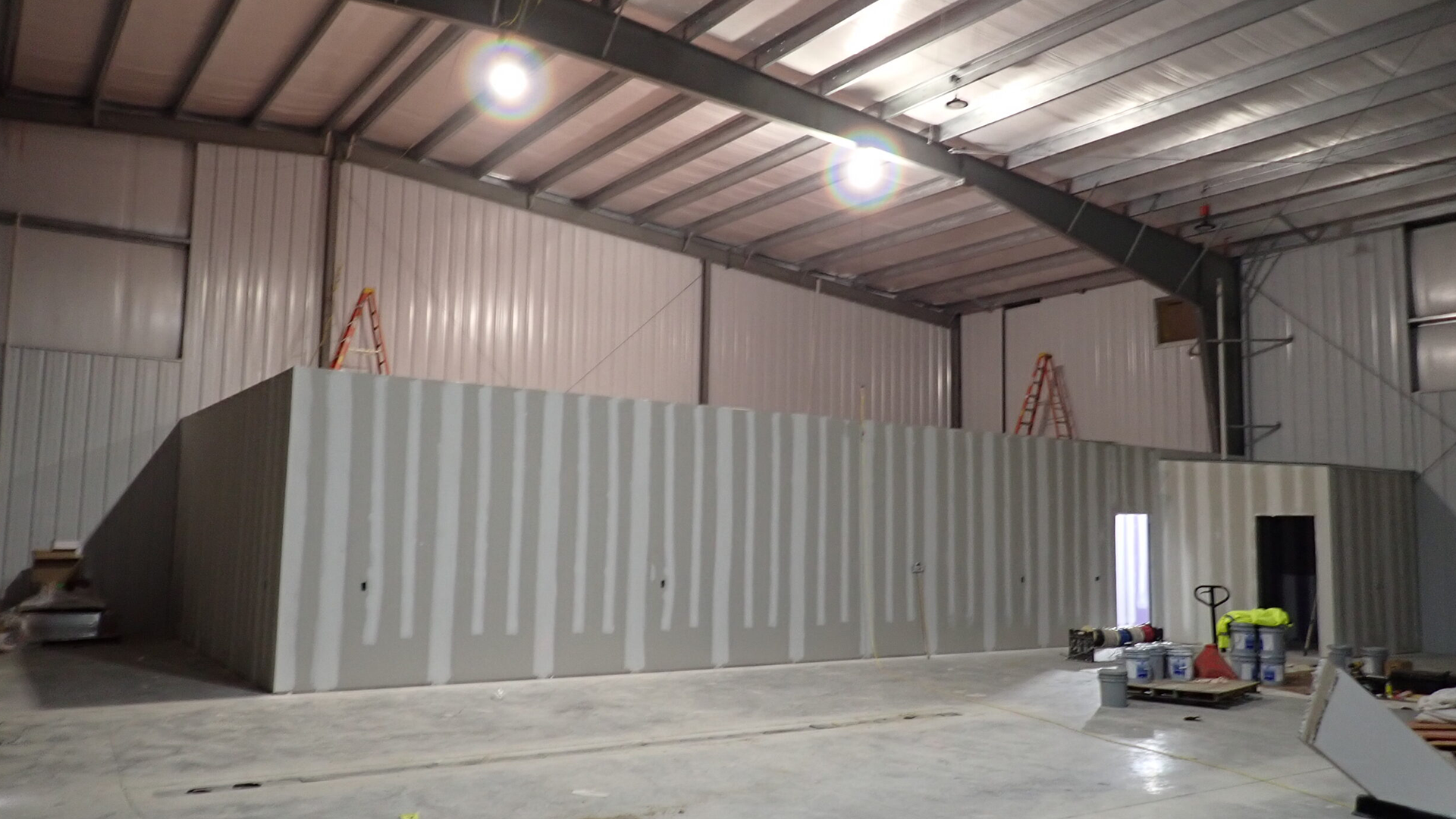
Steel buildings can be designed with large open interiors that allow tenants to modify floor plans as needed.
This flexibility allows spaces to transition between research labs, engineering offices, and production areas without major structural changes.
Advanced Computing Infrastructure
Many technology companies developing AI systems require high-performance computing environments capable of supporting machine learning workloads.
Facilities may include server rooms, small-scale data centers, or computing clusters that support research and development.
Buildings must be designed with the structural capacity and electrical infrastructure needed to support these systems.
Research and Prototype Development Spaces
Engineering teams working on new technologies often require laboratory environments and prototype manufacturing spaces.
These steel facilities may include equipment such as:
- robotics testing platforms
- additive manufacturing systems
- electronics fabrication equipment
- sensor testing environments
Steel buildings provide the structural strength needed to support these specialized environments.
Collaboration and Office Areas
Technology campuses often incorporate collaborative workspaces designed to encourage interaction between teams.
These areas may include open office layouts, meeting rooms, training spaces, and event areas used for technology demonstrations.
Steel buildings allow designers to combine these office areas with research and development spaces within a single facility.
WHY STEEL BUILDINGS ARE IDEAL FOR TECHNOLOGY INNOVATION HUBS
Large Clear-Span Interiors
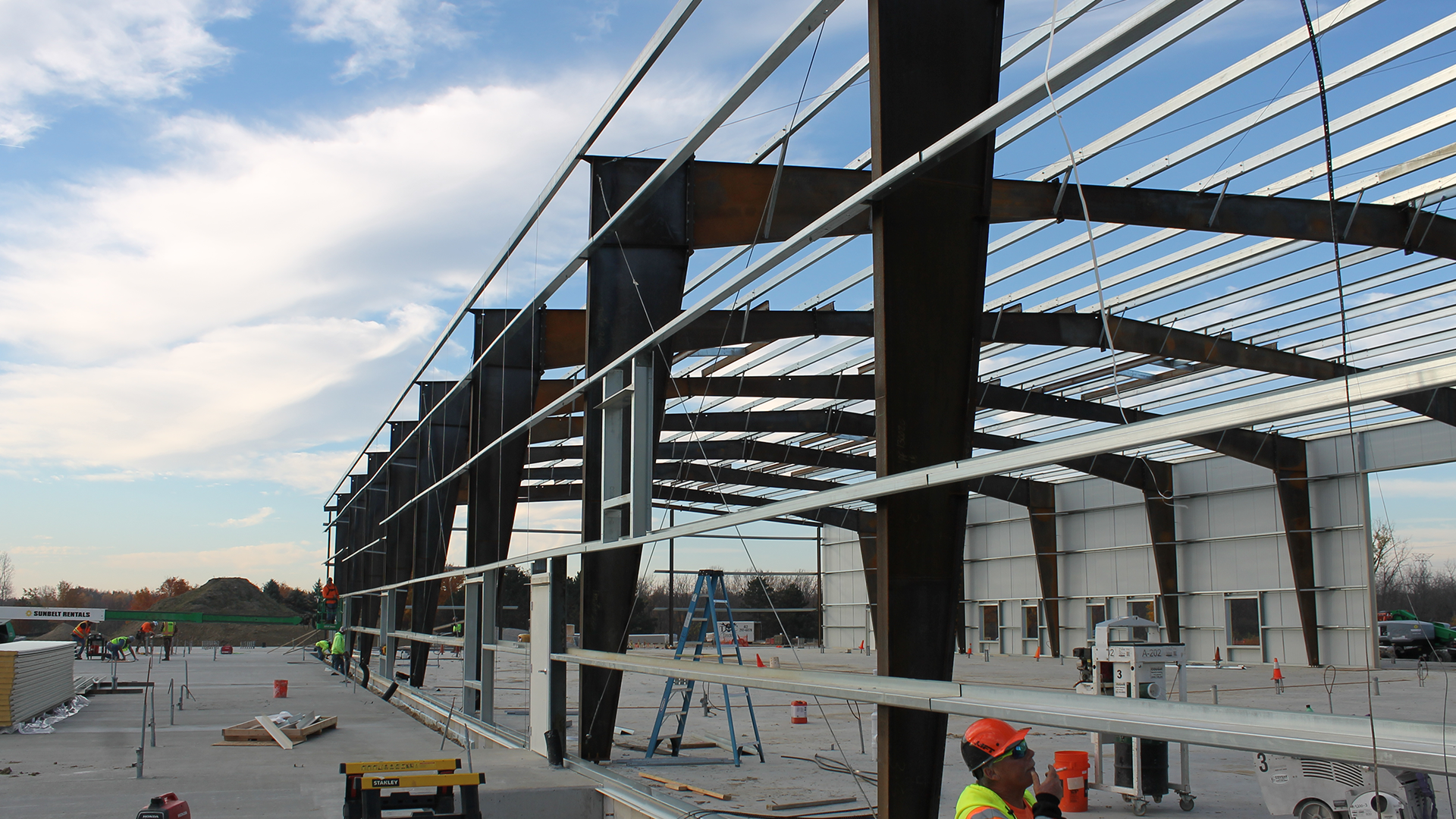
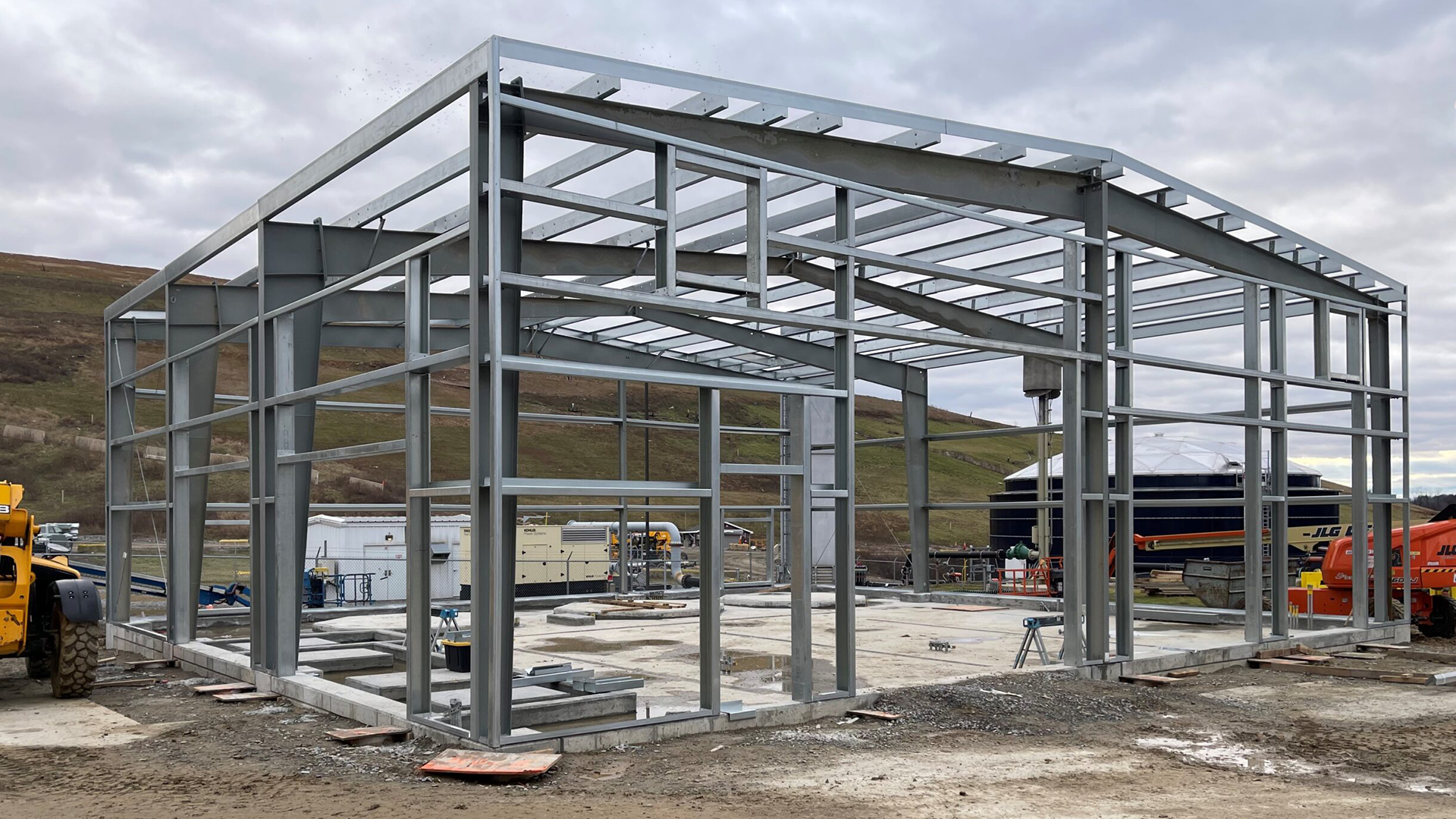
Steel framing systems allow engineers to design buildings with wide clear spans that eliminate interior support columns.
These open interiors make it easier to configure spaces for research labs, collaborative work areas, and prototype manufacturing environments.
Companies can reorganize their spaces as projects evolve without being restricted by structural walls.
Structural Strength for Specialized Equipment
Technology research facilities often house specialized equipment that places significant loads on building floors.
Steel framing systems provide the strength required to support equipment used in robotics, advanced manufacturing, and electronics development.
This structural capacity helps facilities maintain stable environments for sensitive technology systems.
Scalable Building Designs
Innovation campuses often grow over time as startups expand and new companies join the ecosystem.
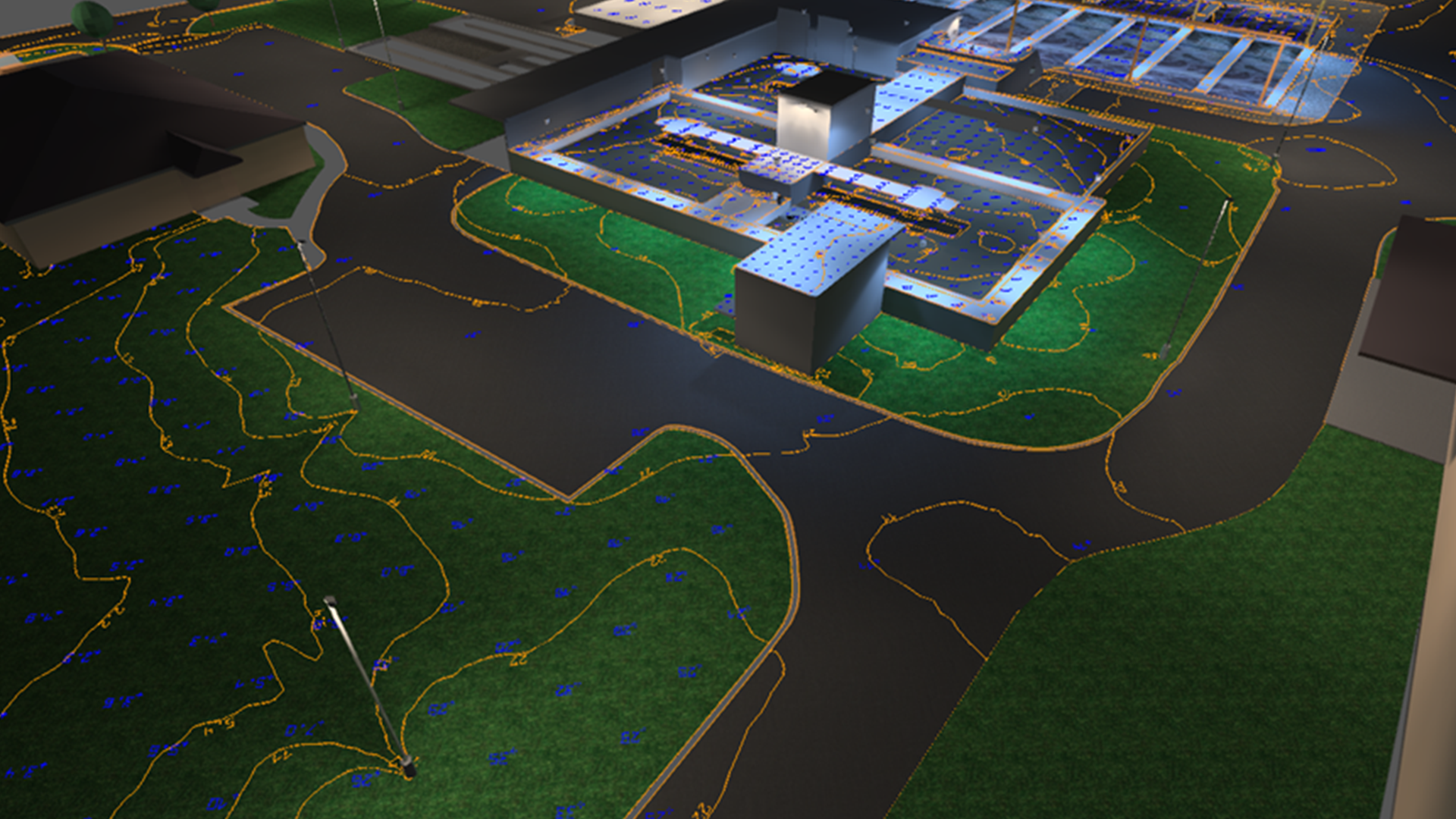
Steel buildings can be designed with expansion capabilities that allow additional wings or facilities to be added as campus infrastructure grows.
This scalability allows technology districts to evolve as new industries emerge.
INDUSTRIES BENEFITING FROM STEEL INNOVATION CAMPUSES
A wide range of technology sectors are developing facilities within innovation hubs and research campuses.
Steel construction supports the infrastructure needs of many of these industries.
Artificial Intelligence
Companies developing machine learning systems and AI applications require computing infrastructure capable of processing large data sets.
Facilities housing AI development teams may include high-performance computing clusters and data processing environments.
Steel buildings provide flexible environments capable of supporting these systems.
Robotics and Automation
Robotics companies often require large open spaces where engineers can test automated systems and prototype new designs.
Steel buildings allow developers to create open testing environments while maintaining structural durability.
Advanced Manufacturing
Some technology startups incorporate small-scale manufacturing within their research facilities.
These operations may include additive manufacturing systems, electronics assembly lines, and testing laboratories.
Steel structures provide the strength required to support these production environments.
Biotechnology and Research
Biotech companies often operate within research campuses where laboratory environments support medical and scientific research.
Steel buildings can be designed to house laboratory equipment while maintaining flexible layouts for research teams.
THE FUTURE OF TECHNOLOGY CAMPUS DEVELOPMENT
Technology innovation continues accelerating as new industries emerge around artificial intelligence, robotics, biotechnology, and advanced computing.
Cities and research regions are investing heavily in infrastructure that supports these emerging sectors.
Innovation campuses represent one of the most important forms of infrastructure supporting this growth.
These campuses provide environments where entrepreneurs, engineers, and researchers can collaborate to develop the technologies shaping the future.
Buildings designed for these environments must support flexible workspaces, advanced computing infrastructure, and specialized research equipment.
Steel construction offers a structural solution that allows developers to create facilities capable of supporting these evolving needs.
By providing durable, adaptable buildings designed for technology development, steel innovation hubs help create the infrastructure that powers the next generation of technological breakthroughs.