HOW STEEL BUILDING DESIGN MAKES NATURAL LIGHT POSSIBLE IN MODERN INDUSTRIAL FACILITIES
Industrial and commercial building design has evolved significantly in recent decades. Facilities that once focused almost exclusively on structural durability and equipment capacity are now also being designed with greater attention to energy efficiency, workplace conditions, and operational sustainability.
One design element that has gained increasing attention is natural daylight. Modern building design increasingly prioritizes daylighting strategies that allow sunlight to illuminate interior spaces, reducing reliance on artificial lighting while improving the overall environment within the facility.
Steel buildings have become an ideal structural solution for projects that incorporate daylighting into their design. The structural flexibility of steel allows architects and engineers to incorporate large windows, skylight systems, and translucent wall panels that bring natural light deep into the interior of industrial facilities.
For manufacturing plants, logistics centers, energy infrastructure facilities, and commercial buildings, the ability to integrate daylight into the building envelope can provide both operational and environmental benefits.
Steel construction allows developers to design facilities that balance durability and structural performance with improved interior lighting conditions.
THE GROWING ROLE OF DAYLIGHT IN MODERN BUILDING DESIGN
Historically, many industrial buildings were designed with limited natural light. Production facilities often relied heavily on artificial lighting systems to illuminate interior workspaces.
While these systems remain necessary for certain operations, building designers increasingly recognize the advantages of incorporating daylight into facility design.
Natural daylight can improve visibility within workspaces while helping reduce electricity consumption associated with artificial lighting systems.
Many companies now prioritize daylighting in steel building design for several reasons.
Energy efficiency
Artificial lighting systems consume a significant portion of energy in large commercial facilities. Incorporating natural daylight can reduce the need for continuous artificial lighting during daytime hours.
Workplace comfort
Steel facilities that incorporate natural light often provide a more comfortable environment for employees and technicians working inside the building.
Sustainability goals
Many organizations are pursuing sustainability initiatives that include reducing energy consumption and improving environmental performance.
Daylighting strategies can help buildings achieve these goals while improving the overall design of the facility.
Steel building systems allow architects and engineers to incorporate these daylighting strategies while maintaining the structural performance required for industrial operations.
WHY NATURAL LIGHT MATTERS IN INDUSTRIAL AND COMMERCIAL BUILDINGS
Natural daylight provides several advantages that go beyond aesthetic improvements.
In large facilities such as manufacturing plants, distribution centers, and energy infrastructure facilities, natural lighting can improve both operational efficiency and environmental performance.
Improved Interior Visibility
Natural light provides balanced illumination that can improve visibility throughout interior workspaces.
Workers operating machinery, handling materials, or conducting inspections may benefit from the improved lighting conditions provided by daylight.
Reduced Energy Consumption
Lighting systems can represent a significant portion of electricity consumption within large facilities.
Incorporating daylight into building design allows operators to reduce artificial lighting during daylight hours, lowering energy consumption and operating costs.
Enhanced Workplace Environments
Steel facilities with natural light often create more welcoming work environments compared to enclosed spaces illuminated entirely by artificial lighting.
This improvement in interior conditions can contribute to employee satisfaction and productivity.
Alignment with Sustainable Building Practices
Sustainable building design increasingly incorporates daylighting as part of broader energy efficiency strategies.
Many building certification programs encourage daylight integration as part of environmentally responsible construction practices.
Steel construction allows designers to incorporate these strategies without sacrificing structural durability.
HOW STEEL STRUCTURES ENABLE DAYLIGHTING STRATEGIES
Wide Clear-Span Structures
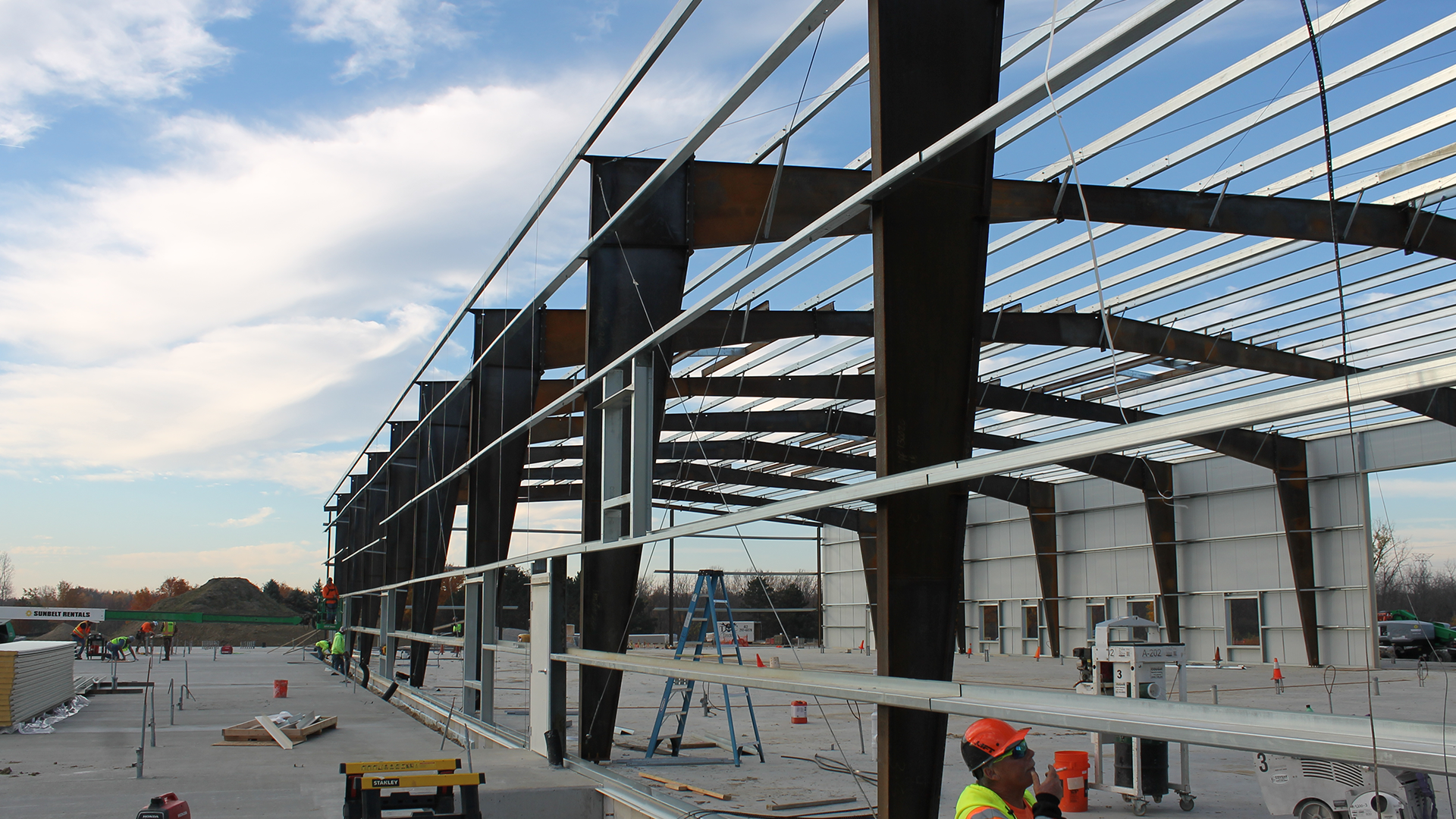
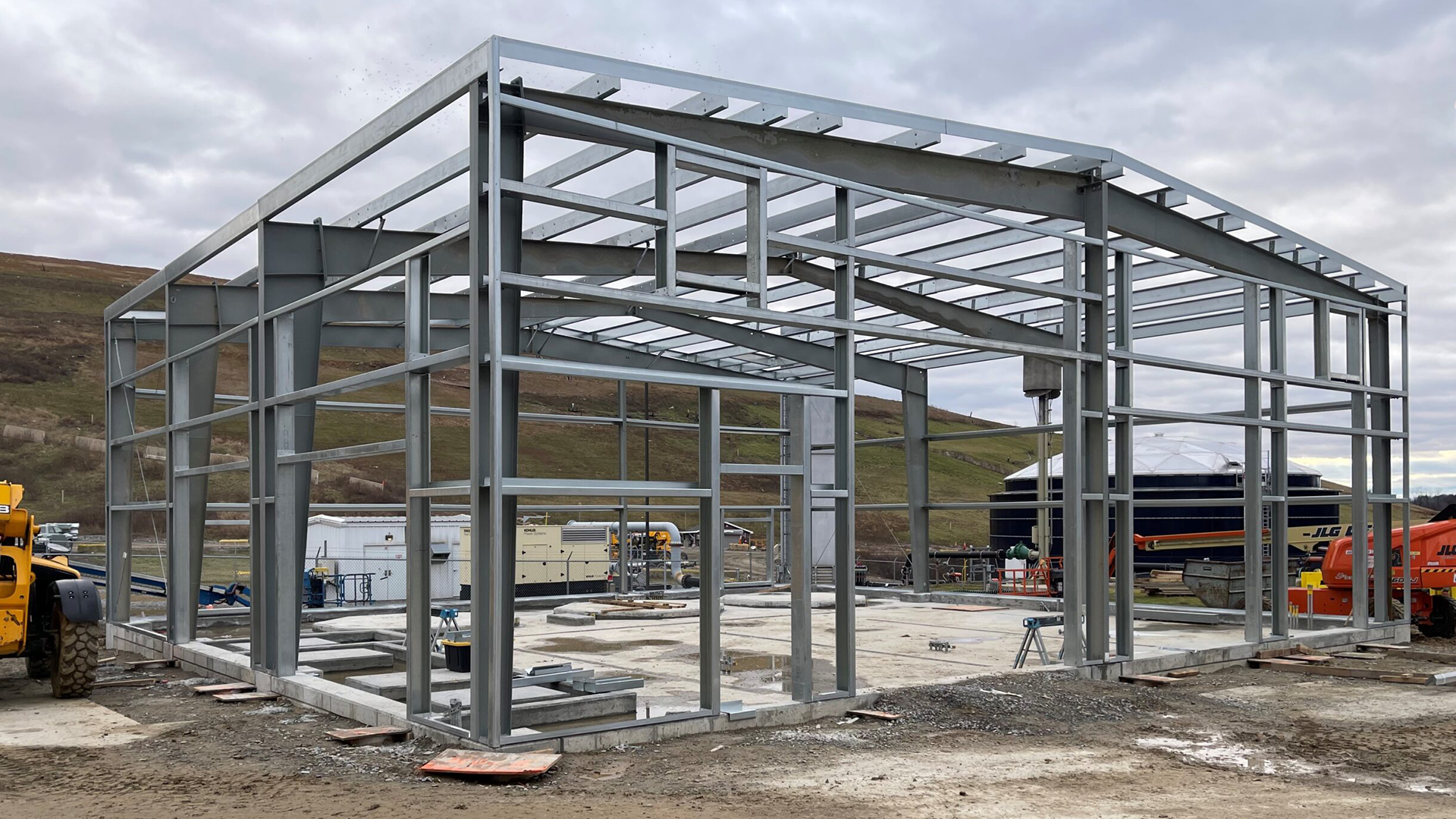
Steel framing systems can be designed with wide clear spans that eliminate interior support columns.
These open interior spaces allow daylight entering through windows or skylights to travel further into the building without structural obstructions.
This design approach allows larger areas of the facility to benefit from natural light.
Large Window Openings
Steel framing systems allow designers to incorporate large window openings into exterior walls without compromising structural integrity.
These windows can be strategically placed to maximize daylight penetration while maintaining building strength.
Roof Daylighting Systems
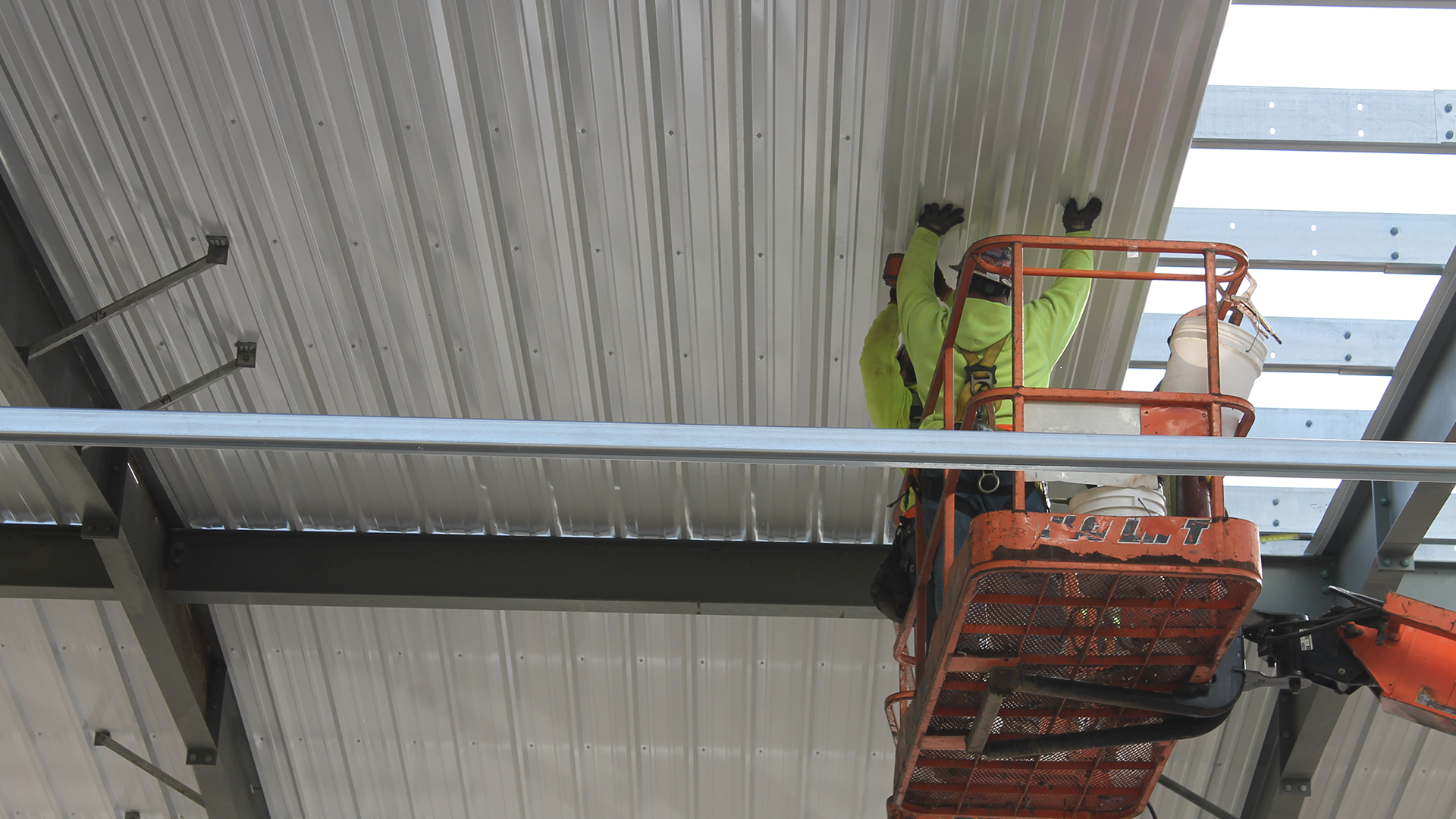
Steel roofing systems can incorporate skylights or roof monitors that allow sunlight to enter the building from above.
These systems are particularly effective in large industrial facilities where side windows alone may not provide sufficient lighting.
Translucent Wall Panels
Many steel building designs incorporate translucent wall panels that allow diffused natural light to enter the building.
These panels distribute daylight evenly throughout the interior while reducing glare.
COMMON DAYLIGHTING STRATEGIES USED IN STEEL BUILDINGS
Architects and engineers use several daylighting strategies when designing steel buildings intended to maximize natural lighting.
Each approach offers different advantages depending on the building layout and operational requirements.
Skylights
Skylights installed within steel roofing systems allow sunlight to enter from above.
This approach is particularly effective in large industrial buildings where daylight must reach deep interior spaces.
Clerestory Windows
Clerestory windows are installed high on exterior walls, allowing light to enter the building while maintaining privacy and wall space for equipment or storage.
These windows can provide consistent daylight throughout the day.
Translucent Wall Panels
Translucent panels allow soft, diffused daylight to enter the building without creating harsh shadows or glare.
These panels are commonly used in industrial buildings where evenly distributed lighting is important.
Glass Curtain Walls
Some facilities incorporate large glass wall systems that allow significant daylight penetration.
This approach is often used in facilities that include offices, visitor areas, or customer-facing spaces.
Each of these strategies can be incorporated into steel building systems while maintaining structural stability and durability.
THE FUTURE OF DAYLIGHTING IN INDUSTRIAL BUILDINGS
Industrial building design continues evolving as companies seek facilities that support operational efficiency while improving workplace conditions.
Daylighting strategies are likely to play an increasingly important role in future building projects.
As organizations pursue energy efficiency and sustainability goals, incorporating natural light into building design offers an effective way to improve building performance.
Steel construction provides the structural flexibility required to integrate daylighting systems into a wide range of industrial and commercial facilities.
From manufacturing plants and logistics centers to energy infrastructure facilities and technology campuses, steel buildings allow architects and engineers to design structures that balance durability with improved interior environments.
By enabling innovative daylighting strategies, steel construction supports modern building design while helping facilities operate more efficiently.