HOW AI SUPERCOMPUTING FACILITIES ARE SHAPING THE FUTURE OF DIGITAL INFRASTRUCTURE
Artificial intelligence has rapidly moved from research laboratories into real-world applications that affect industries across the global economy. From predictive analytics in healthcare and financial markets to autonomous systems, robotics, and advanced language models, AI systems are becoming an essential component of modern technology.
Behind these capabilities lies an enormous amount of computing infrastructure. AI models require powerful processing environments capable of handling massive data sets and performing complex calculations across thousands of processors simultaneously.
This level of computing power is made possible through AI supercomputing facilities—advanced data centers specifically designed to support high-density computing clusters and large-scale machine learning workloads.
Unlike traditional data centers, AI supercomputing facilities must accommodate extremely high electrical loads, advanced cooling technologies, and specialized computing equipment designed to train and operate sophisticated AI systems.
Designing these facilities requires careful planning and robust structural systems capable of supporting complex infrastructure.
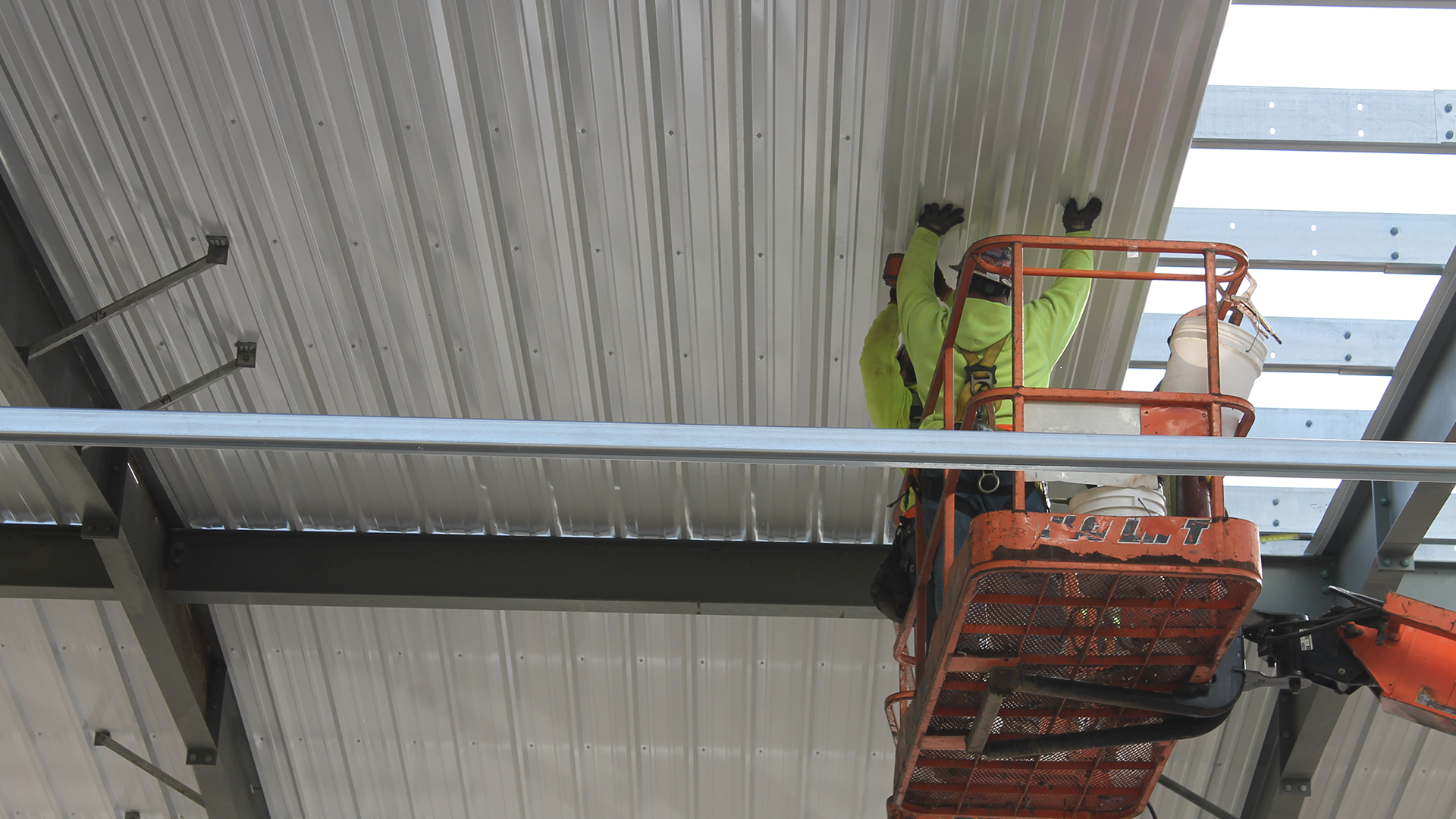
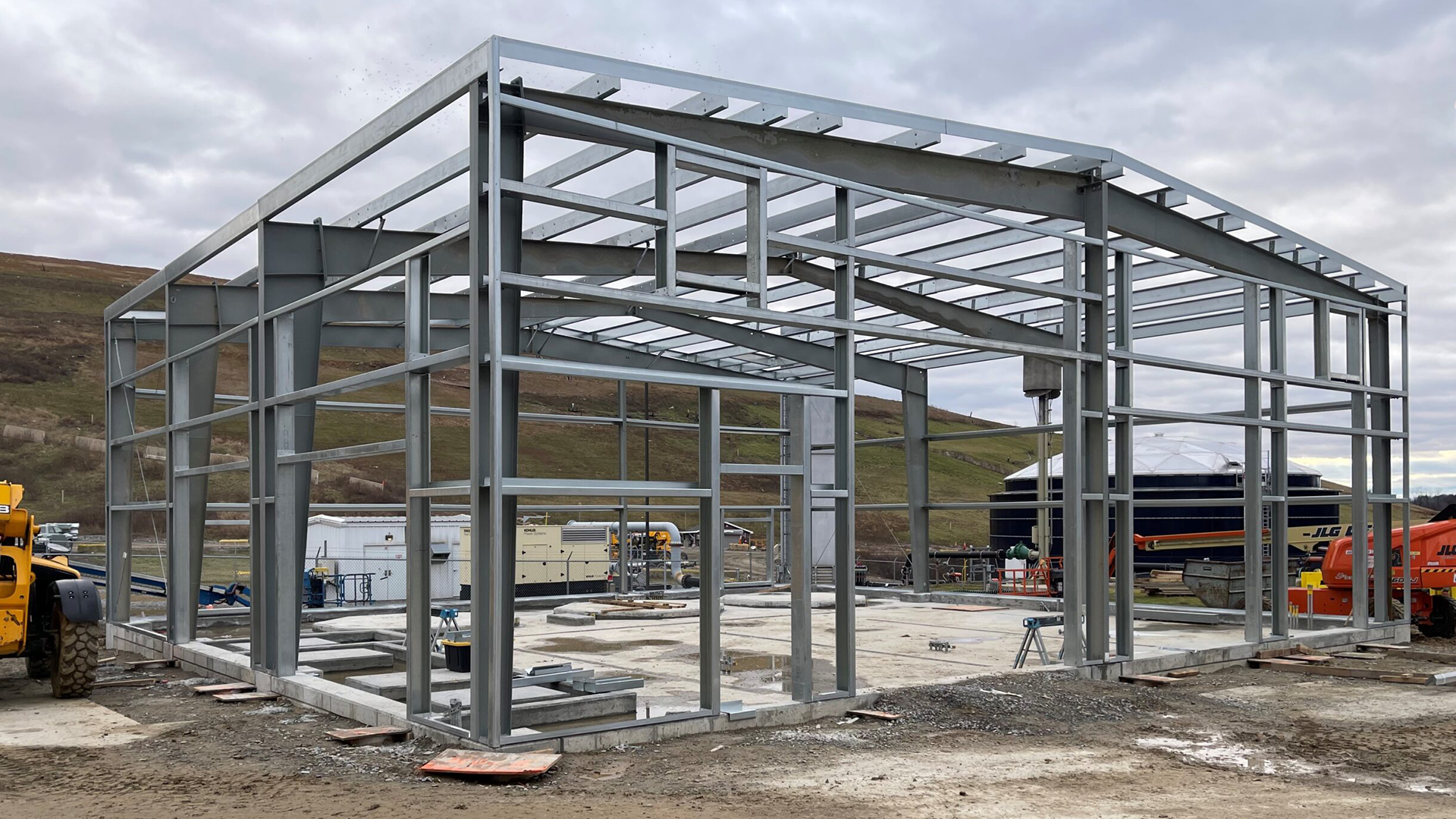
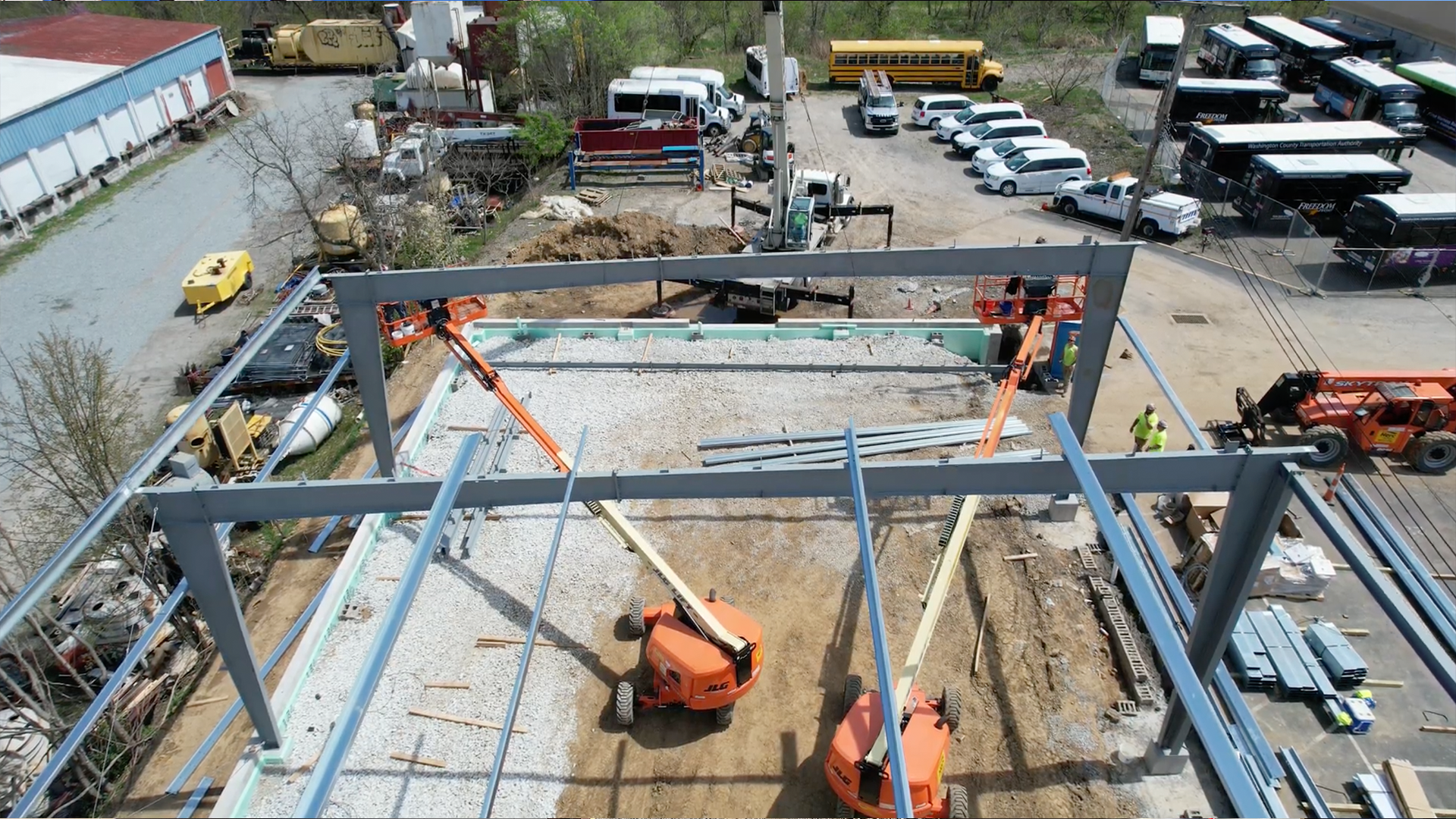
Steel construction has become an increasingly important solution for developers building these facilities. Steel buildings provide the structural strength, flexibility, and scalability required to support AI supercomputing infrastructure while allowing facilities to expand as technology evolves.
THE INFRASTRUCTURE CHALLENGES OF AI SUPERCOMPUTING
AI supercomputing environments place significant demands on building infrastructure. The computing hardware used to train advanced machine learning models generates enormous heat and requires substantial power to operate efficiently.
Facilities supporting these systems must be designed to address several critical infrastructure challenges.
Extreme Power Requirements
AI computing clusters often rely on thousands of high-performance processors operating simultaneously. These systems require large electrical loads to support continuous operation.
AI Facilities must include extensive power distribution infrastructure capable of delivering consistent energy to server clusters while maintaining system reliability.
Key power infrastructure components commonly include:
- electrical substations connected to regional power grids
- high-capacity transformers and distribution panels
- redundant power supply systems
- backup generators and battery storage systems
Buildings housing this equipment must be engineered to support the weight and operational demands of these systems.
High-Density Hardware Environments
AI supercomputers rely on specialized hardware designed for parallel processing and high-speed computation.
This hardware is typically installed in densely packed server racks that create concentrated equipment loads across facility floors.
Infrastructure supporting these systems must account for:
- high-density server rack installations
- equipment weight distribution across structural systems
- cable management and networking infrastructure
- safe access pathways for maintenance teams
Steel framing systems provide the strength required to support these loads while maintaining flexible interior layouts.
Massive Heat Generation
High-performance computing systems generate large amounts of heat during operation. Without effective cooling systems, hardware performance can degrade and equipment lifespans may be reduced.
AI supercomputing facilities must incorporate advanced cooling technologies capable of maintaining stable operating temperatures.
Common cooling systems used in these environments include:
- air-based cooling systems designed for large server halls
- liquid cooling technologies that circulate coolant through processors
- immersion cooling systems where hardware is submerged in cooling fluids
- hybrid cooling systems combining multiple technologies
These cooling systems require dedicated space for mechanical infrastructure, piping networks, and airflow management systems.
WHY TRADITIONAL DATA CENTER DESIGNS OFTEN FALL SHORT
Traditional data centers were designed to support general computing workloads and enterprise IT infrastructure. While these facilities remain effective for many applications, they often struggle to support the intense demands of AI supercomputing environments.
Several limitations make traditional facility designs less suitable for modern AI infrastructure.
Limited Electrical Capacity
Older facilities may not have the electrical capacity required to support large-scale AI computing clusters.
AI supercomputers require far greater electrical loads than conventional computing systems, making power infrastructure upgrades necessary.
Restricted Cooling Capabilities
Cooling systems designed for traditional server environments may not be capable of managing the heat generated by high-density AI workloads.
Facilities must incorporate advanced cooling systems that can handle increased thermal loads while maintaining energy efficiency.
Structural Constraints
Some older buildings lack the structural capacity needed to support the heavy equipment associated with modern AI computing infrastructure.
High-density server installations, electrical equipment, and cooling systems can place significant loads on building floors and structural systems.
These limitations have led many developers to construct purpose-built facilities designed specifically for AI computing infrastructure.
HOW STEEL BUILDINGS SOLVE INFRASTRUCTURE CHALLENGES
Large Clear-Span Interiors
AI computing facilities require large open interior spaces capable of supporting rows of server racks while maintaining efficient airflow patterns.
Steel framing systems allow engineers to design buildings with wide clear spans that eliminate interior support columns.
These open interiors allow operators to organize computing equipment efficiently while maintaining access for maintenance and upgrades.
Structural Strength for Heavy Equipment
Server clusters, cooling equipment, and electrical infrastructure create significant structural loads within AI data centers.
Steel buildings provide the strength required to support this equipment while maintaining long-term structural stability.
Steel structural systems can distribute loads effectively across foundations while accommodating heavy mechanical infrastructure.
Scalable Facility Expansion
AI technology continues evolving rapidly. Facilities supporting this infrastructure must be designed with expansion capabilities that allow operators to scale computing capacity as technology develops.
Steel buildings can be designed with modular expansion capabilities that allow additional server halls or equipment zones to be added as demand increases.
This scalability helps operators adapt infrastructure without requiring complete facility redesigns.
KEY INFRASTRUCTURE SYSTEMS IN AI SUPERCOMPUTING FACILITIES
AI supercomputing facilities incorporate several major infrastructure systems that support high-performance computing environments.
These systems must work together to maintain reliable operations while supporting continuous processing workloads.
High-Performance Server Clusters
- graphics processing units (GPUs)
- specialized AI accelerators
- high-performance CPUs
- large memory systems
Advanced Networking Infrastructure
- fiber optic networking systems
- high-speed switches and routers
- low-latency communication networks
Power Distribution Networks
- main electrical switchgear
- redundant power supply systems
- uninterruptible power supply units
- backup energy systems
Cooling Infrastructure
- mechanical cooling equipment
- coolant distribution piping
- airflow management systems
- heat exchange infrastructure
THE FUTURE OF AI SUPERCOMPUTING INFRASTRUCTURE
Artificial intelligence will continue driving innovation across industries including healthcare, finance, manufacturing, and transportation.
As organizations develop increasingly complex AI systems, the infrastructure required to support these technologies will continue expanding.
AI supercomputing facilities will play a central role in supporting these innovations.
Facilities capable of supporting high-density computing environments must be built with durability, flexibility, and long-term scalability in mind.
Steel construction offers a reliable foundation for these facilities by combining structural strength with adaptable design capabilities.
By supporting advanced computing environments and scalable infrastructure expansion, steel AI supercomputing facilities help power the technologies shaping the future of artificial intelligence.