Expanding Industrial Operations Without Interrupting Production
Industrial facilities face a common challenge: how to grow operations without shutting down existing systems. Production demands increase, storage needs expand, operational teams grow, and equipment upgrades require additional space. Yet traditional construction methods often mean extended downtime, operational disruption, and project delays that impact the bottom line.
Modular steel building additions offer a transformative solution. By combining the strength and durability of steel construction with modular design principles, industrial facilities can expand capacity, add functionality, and accommodate growth quickly—often while maintaining normal operations throughout the expansion process.
This comprehensive guide explores how modular steel expansions work, why they’re becoming the preferred choice for industrial growth, and how they can support your facility’s future without sacrificing current productivity.
The Challenge of Industrial Expansion
Growing industrial operations is complex. It’s not simply about adding square footage. Industrial expansions must:
- Maintain operational continuity. Unlike retail stores or office spaces that can close temporarily, many industrial facilities operate 24/7. Extended construction projects create scheduling conflicts, safety concerns, and lost production time that directly impact profitability.
- Accommodate heavy equipment. Industrial facilities house expensive, specialized equipment that can’t easily be relocated. Expansions must work around existing systems, utilities, and operational requirements.
- Meet strict regulatory standards. Industrial facilities operate under various regulatory frameworks depending on their function—whether they’re manufacturing plants, chemical processing facilities, logistics centers, or energy infrastructure. Expansions must comply with all applicable standards without creating regulatory complications.
- Control costs and timeline. Industrial operations run on tight margins. Construction delays, cost overruns, and unexpected complications can eliminate the financial benefits of expansion itself.
- Plan for future flexibility. Smart industrial facility managers know that today’s expansion must accommodate tomorrow’s growth. The solution implemented today should support future adjustments without requiring complete reconstruction.
Traditional stick-built construction struggles with these challenges. Site-based building requires extended timelines, weather-dependent work, on-site labor coordination, and inevitable complications that delay projects and inflate costs. For industrial facilities where downtime equals lost revenue, traditional construction methods create unacceptable business disruption.
What Are Modular Steel Building Additions?
Modular steel building additions represent a fundamentally different approach to industrial expansion. Rather than building structures on-site, modular construction manufactures complete building components in factory conditions, then assembles them at the facility location.
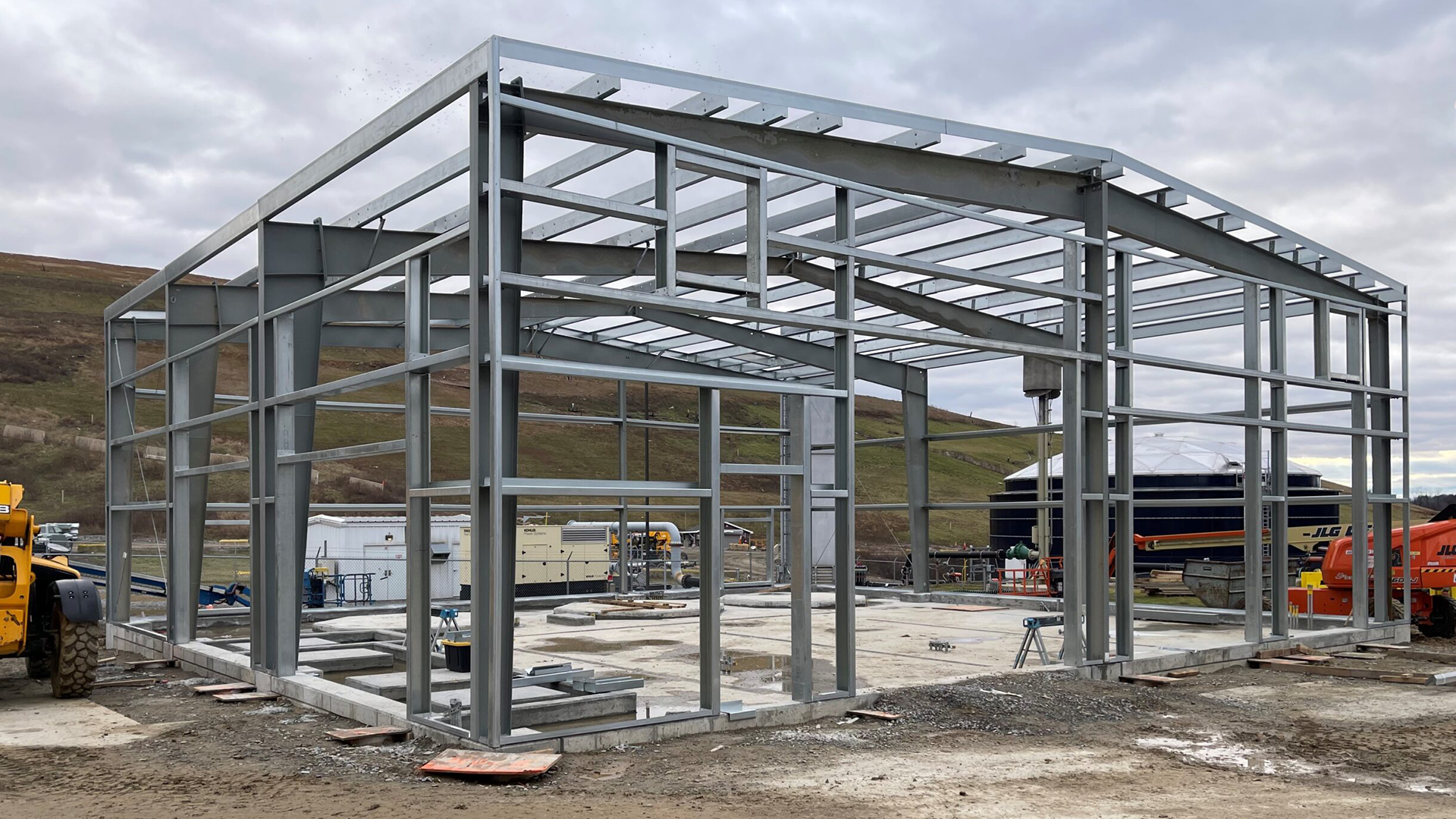
In a modular steel building addition system, the entire structure—or significant portions of it—is engineered and constructed in a controlled manufacturing environment. Steel frames are fabricated to exact specifications, walls and roof systems are assembled and tested in the factory, and components are quality-checked before ever arriving at the site.
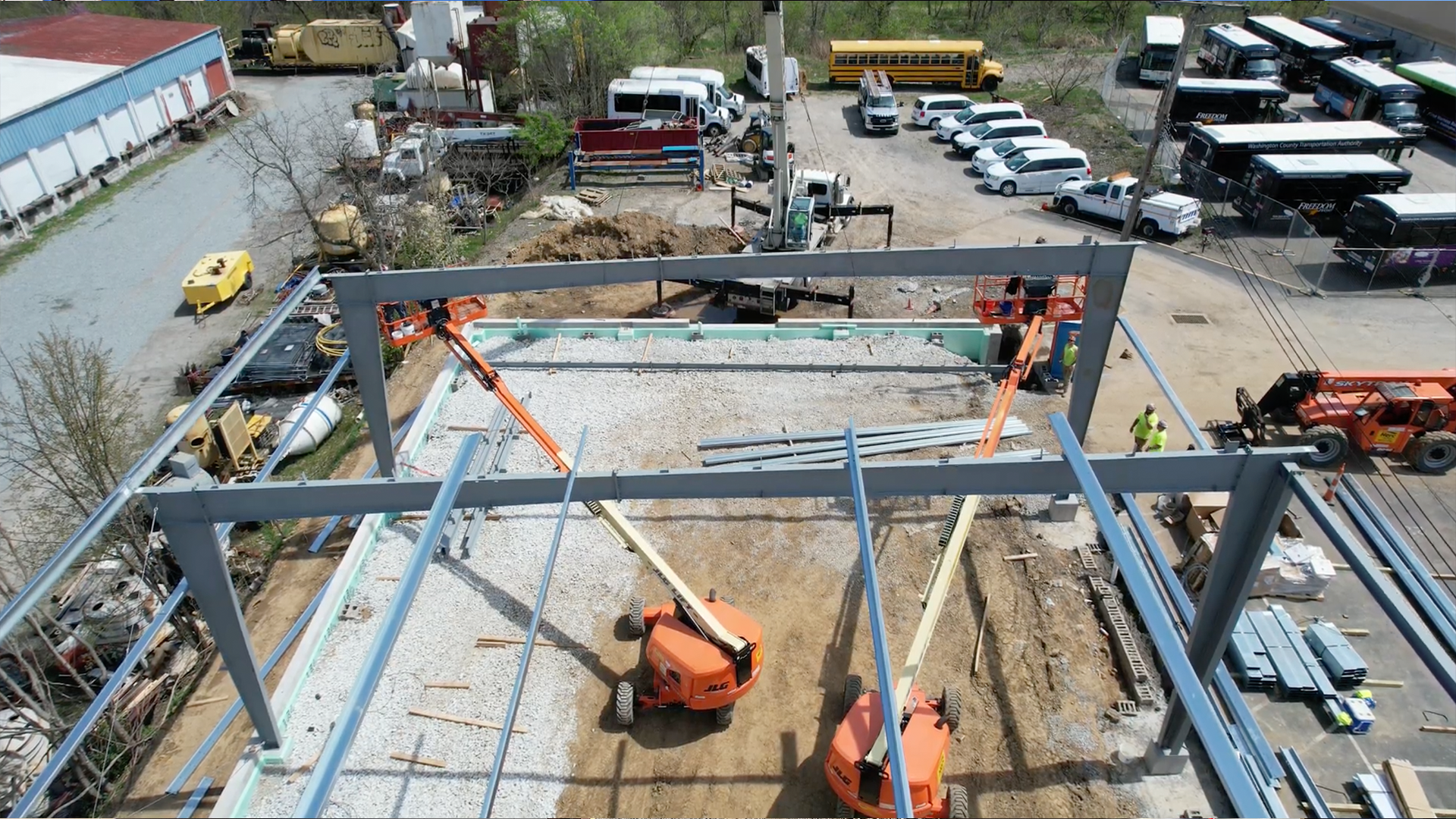
The facility receives finished (or near-finished) components that are assembled on-site using standardized connection systems. This approach dramatically reduces on-site construction time, minimizes weather delays, and ensures consistent quality throughout the expansion.
Key characteristics of modular steel building additions:
- Steel frames engineered for industrial loads and vibration tolerance.
- Modular components designed to connect seamlessly with existing structures.
- Factory quality control ensuring compliance with all specifications.
- Rapid on-site assembly minimizing operational disruption.
- Flexible design accommodating various facility configurations and future modifications.
- Integration with existing utilities and systems.
Why Industrial Facilities Choose Modular Steel Expansions
The shift toward modular steel building additions across the industrial sector reflects concrete, measurable advantages over traditional construction methods.
Dramatically Reduced Project Timeline
The most obvious advantage of modular steel building additions is speed. A traditional expansion might require 6-12 months of on-site construction. Modular approaches often complete in 2-4 months, with much of that time occurring while the facility continues normal operations.
This timeline compression happens because manufacturing occurs in parallel with site preparation. While crews prepare the foundation and utilities at the facility, factory workers fabricate structural components, assemble walls and roofing systems, and conduct quality inspections. When site preparation is complete, components arrive ready for rapid assembly.
For industrial facilities, this timeline advantage translates directly to financial benefits. Fewer months of operational disruption means more months of full production. The return on the expansion investment begins sooner. Competitive advantages from expanded capacity are realized faster.
Minimized Operational Disruption
Traditional construction at an industrial facility creates constant disruption: noise, dust, traffic, safety concerns, equipment access restrictions, and utility interruptions. Even careful planning can’t eliminate these impacts completely.
Modular steel building additions minimize disruption through:
- Off-site manufacturing eliminating factory noise at the facility
- Shorter assembly timeline reducing overall disruption duration
- Controlled assembly process that’s easier to schedule around operations
- Reduced heavy equipment movement on the facility site
- Fewer weather delays allowing more predictable scheduling
Many industrial facilities can continue normal operations throughout most of the expansion process, with minimal disruption occurring only during final connection phases. This operational continuity preserves revenue, maintains customer commitments, and protects employee productivity.
Superior Quality Control
Manufacturing in factory conditions provides quality control advantages that on-site construction simply cannot match. Every component is manufactured in climate-controlled facilities using precision equipment and consistent processes.
Steel frames are fabricated to tolerances of 1/8 inch or tighter. Welds are performed by certified welders using standardized processes. Wall and roof systems are fully assembled and inspected in the factory. Electrical and mechanical rough-ins are tested before components leave the facility.
This factory-based quality control means:
- Consistent, predictable results across all components
- Defects identified and corrected before shipment
- Reduced field adjustment and rework requirements
- Better long-term performance and durability
- Smoother assembly process requiring fewer corrections
The result is an expansion that meets specifications precisely, performs as designed, and requires minimal field adjustment.
Cost Predictability and Control
Industrial facilities value cost certainty. Modular steel building additions provide better cost predictability than traditional methods because much of the work happens in controlled manufacturing environments.
Factory overhead is more predictable than on-site construction costs. Labor productivity in factories exceeds on-site productivity. Material waste is lower in controlled manufacturing. Weather delays don’t impact factory production schedules. These factors combine to create better cost control and fewer surprise expenses.
While the upfront cost of modular components may appear higher than traditional materials, the complete project cost is typically lower when accounting for:
- Reduced labor requirements for assembly
- Faster project timeline reducing extended site costs
- Fewer change orders and cost adjustments
- Minimized disruption reducing operational costs
- Better quality reducing future maintenance expenses
Design Flexibility and Future Adaptability
Despite the “modular” label suggesting rigid systems, modern modular steel building additions offer surprising design flexibility. Customizable dimensions, various wall and roof system options, and adaptable mechanical systems allow facilities to create expansions that match their specific needs.
More importantly, modular design inherently supports future modifications. Additional expansions can be added by connecting new modular sections. Internal reconfigurations are easier when structural systems are designed with modularity in mind. Equipment upgrades and facility repurposing are simpler with adaptable structural designs.
This flexibility means that modular steel building additions can grow with your facility, accommodating future changes without requiring complete reconstruction.
Design and Engineering of Modular Steel Expansions
Creating effective modular steel building additions requires careful engineering that balances factory manufacturability with field assembly requirements and operational functionality.
Structural Considerations for Industrial Loads
Industrial facilities house equipment that creates unique structural demands. Vibration from operating machinery, concentrated loads from heavy equipment, and dynamic forces from material handling systems require structural designs that go beyond standard building codes.
Modular steel building addition design must account for these loads by:
- Selecting appropriate steel grades and member sizes that safely support operational equipment.
- Designing connections that transmit loads reliably and maintain structural integrity under vibration.
- Ensuring floor systems have adequate stiffness to minimize deflection and vibration transmission.
- Incorporating isolation systems where needed to decouple sensitive equipment from building vibration.
- Planning for future equipment additions requiring additional structural capacity.
Professional structural engineering ensures that modular steel building additions can safely and reliably support the operational demands of industrial facilities throughout their service life.
Connection Design for Assembly and Future Modification
The connections between modular components determine assembly efficiency and long-term performance. Advanced connection systems balance ease of field assembly with structural reliability.
Bolted connections are often preferred for field assembly because they’re faster to assemble than welding, require less specialized on-site labor, and allow easier modification if needed later. High-strength bolts, properly torqued and inspected, provide connections that equal or exceed welded connections in reliability.
Some applications use hybrid approaches combining bolted field connections with welded connections that were completed in the factory. This approach provides the best of both methods: factory quality control where possible, and field assembly efficiency where needed.
Integration with Existing Systems
Modular steel building additions must connect seamlessly with existing facilities. This requires careful coordination of utilities, structural connections, and operational systems.
Mechanical and electrical rough-ins must align with existing systems. HVAC connections, electrical service, gas lines, and water systems must flow logically from existing infrastructure into the new expansion. Utility routing must be planned to avoid conflicts and allow reliable operation.
Structural connections between new modular components and existing structures must transfer loads reliably. This often involves additional welding or bolting to establish connections between the modular addition and existing structural systems.
Professional coordination between the modular manufacturer, facility operators, and utility contractors ensures that expansions integrate properly with existing systems and maintain seamless operations.
Applications of Modular Steel Building Additions
Modular steel building additions serve diverse industrial applications, each with unique requirements and benefits.
Manufacturing facilities use modular expansions to add production line space, storage for materials and finished goods, or separate areas for new product lines. Modular construction allows facilities to maintain operation during expansion, ensuring production continuity.
Logistics and distribution centers deploy modular additions for increased storage capacity, additional shipping dock space, or expanded sorting and processing areas. The speed of modular construction allows facilities to increase capacity quickly, responding to growth or seasonal demand changes.
Automotive and heavy equipment suppliers use modular expansions to add assembly areas, testing facilities, or parts storage. Modular construction accommodates the specialized equipment and utility requirements of these complex operations.
Food and beverage processing facilities benefit from modular additions providing additional processing space, cold storage, or packaging areas. Modular construction minimizes contamination risks by keeping manufacturing in controlled environments.
Warehousing operations use modular steel building additions to increase storage capacity without disrupting ongoing receiving, processing, and shipping operations.
Regulatory Compliance and Modular Expansion
Industrial facilities operate under various regulatory frameworks depending on their specific operations. Modular steel building additions must satisfy all applicable regulations while minimizing compliance complexity.
Building codes and standards apply to modular additions just as they do to traditional construction. However, modular construction often simplifies compliance because components are factory-tested and verified before arriving at the site. Documentation of factory compliance provides clear evidence that specifications are met.
Industry-specific regulations may apply depending on facility function. Food processing facilities must meet USDA standards. Chemical processing facilities must meet EPA requirements. Manufacturing facilities may need to comply with OSHA standards for equipment spacing and emergency access. Professional engineering coordination ensures that modular additions meet all applicable regulatory requirements.
Local permitting processes typically move faster for modular projects because design is complete and tested before work begins. Reviewers can examine complete specifications and manufacturing documentation. Site work is straightforward assembly rather than complex construction. Inspection processes often move quickly because components arrive factory-certified.
Selecting a Modular Steel Building Partner
The success of a modular steel building addition depends significantly on partner selection. The right partner brings expertise in modular design, industrial operations knowledge, manufacturing capability, and project management excellence.
Key evaluation criteria for modular steel building partners:
- Experience with industrial facilities and their unique requirements.
- Understanding of modular design principles and field assembly processes.
- Manufacturing capability with appropriate equipment and quality control systems.
- Track record of on-time, on-budget project delivery.
- References from completed modular expansion projects.
- Ability to coordinate with existing facility infrastructure and operations.
- Engineering expertise for complex load conditions and equipment integration.
- Responsive communication and project management.
RedDirect brings decades of experience designing and constructing steel structures for industrial applications. Our modular steel building expertise combines advanced engineering, precision manufacturing, and proven project management—delivering expansions that meet specifications, maintain schedules, and exceed facility expectations.
The Future of Industrial Expansion
Modular steel building additions represent the evolution of industrial facility expansion. As manufacturing technology advances, design tools improve, and the industry develops deeper expertise in modular methods, the advantages become even more compelling.
Emerging innovations include:
- Advanced manufacturing techniques providing tighter tolerances and faster production.
- Building information modeling (BIM) allowing better coordination between design and manufacturing.
- Prefabricated mechanical and electrical systems arriving with rough-ins pre-installed.
- Integration of building automation systems into modular components.
- Sustainable design practices incorporating energy efficiency from the manufacturing stage.
These developments mean that modular steel building additions will continue improving in speed, cost, quality, and capability. Industrial facilities that adopt modular expansion methods position themselves at the forefront of facility development best practices.
Smart Growth for Industrial Facilities
Industrial facilities face real constraints when expanding operations. Traditional construction methods create disruption, extend timelines, limit cost control, and burden operations with complex coordination challenges.
Modular steel building additions solve these challenges through a fundamentally different approach. By manufacturing components in controlled factory environments and assembling them on-site, modular expansions reduce timelines, minimize disruption, ensure quality, and provide better cost control. Industrial facilities can grow operations, add capacity, and accommodate growth without sacrificing productivity or overwhelming operational staff.
The choice between traditional and modular expansion methods isn’t just about construction technique—it’s about business strategy. Modular steel building additions are the smart choice for industrial facilities that value operational continuity, cost predictability, quality assurance, and rapid time-to-value.
If your industrial facility is ready to grow, modular steel building additions deserve serious consideration. RedDirect’s expertise in modular design and manufacturing can help you achieve the expansion you need with minimal disruption and maximum efficiency. Contact our steel building team today!
Related Posts
Weather-Resistant Steel Buildings for Energy Infrastructure: Engineering Resilience Against Extreme Conditions