HOW AI COMPUTING FACILITIES ARE DRIVING A NEW ERA OF DIGITAL INFRASTRUCTURE
Artificial intelligence is reshaping industries at a pace few technologies have matched. From machine learning platforms and predictive analytics to autonomous systems and generative AI models, the computing power required to support these technologies continues to expand dramatically.
Behind every AI model and algorithm lies an enormous amount of physical infrastructure. High-performance computing hardware, networking equipment, and data storage systems all require specialized facilities capable of operating continuously while maintaining precise environmental conditions.
These facilities, commonly known as AI data centers, represent some of the most advanced infrastructure projects being developed today. They must accommodate extremely dense computing environments, support massive electrical loads, and manage complex cooling systems designed to maintain stable operating temperatures.
As the demand for AI computing capacity continues to grow, developers are increasingly turning to steel construction to build the facilities that house this infrastructure.
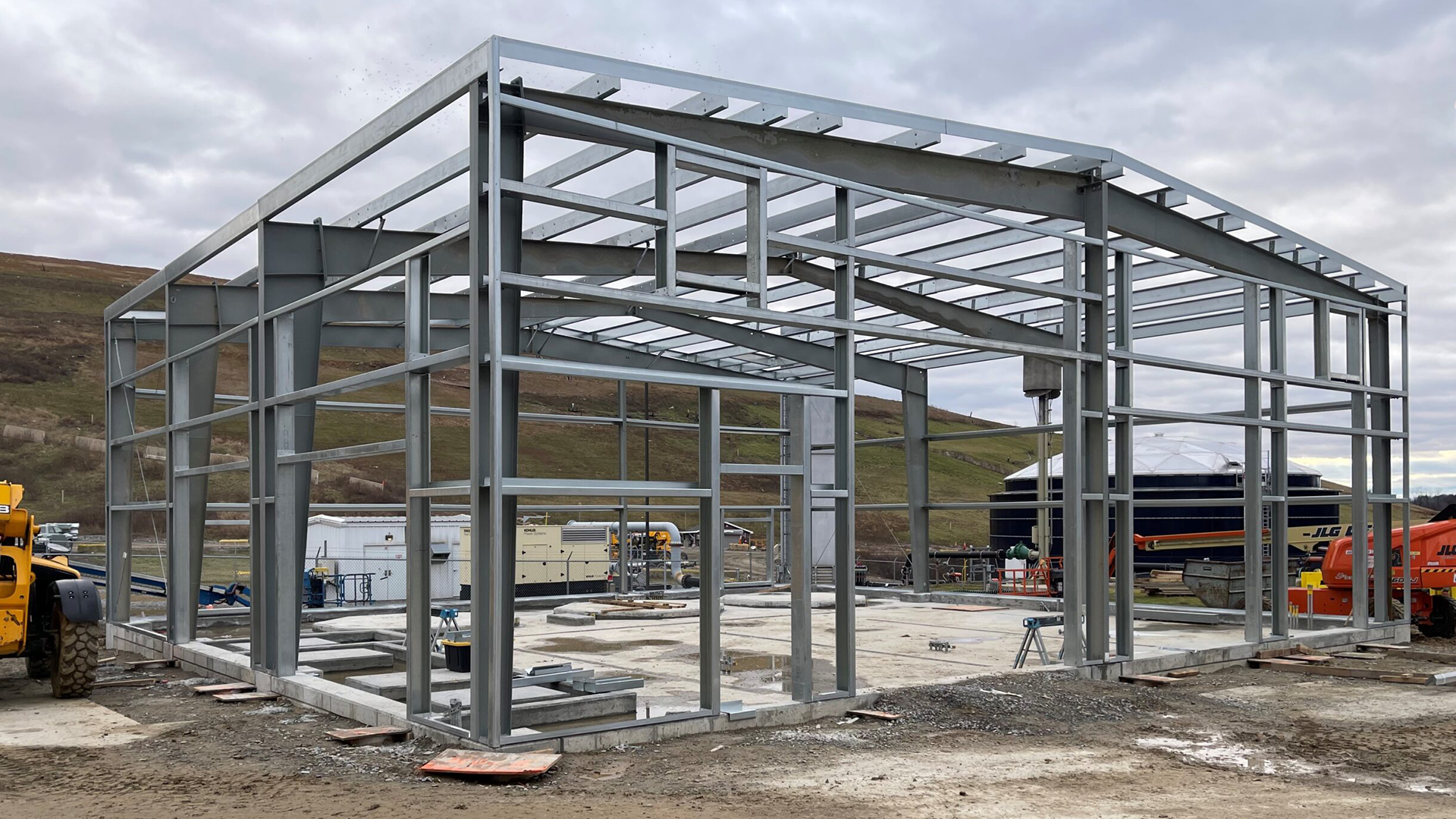
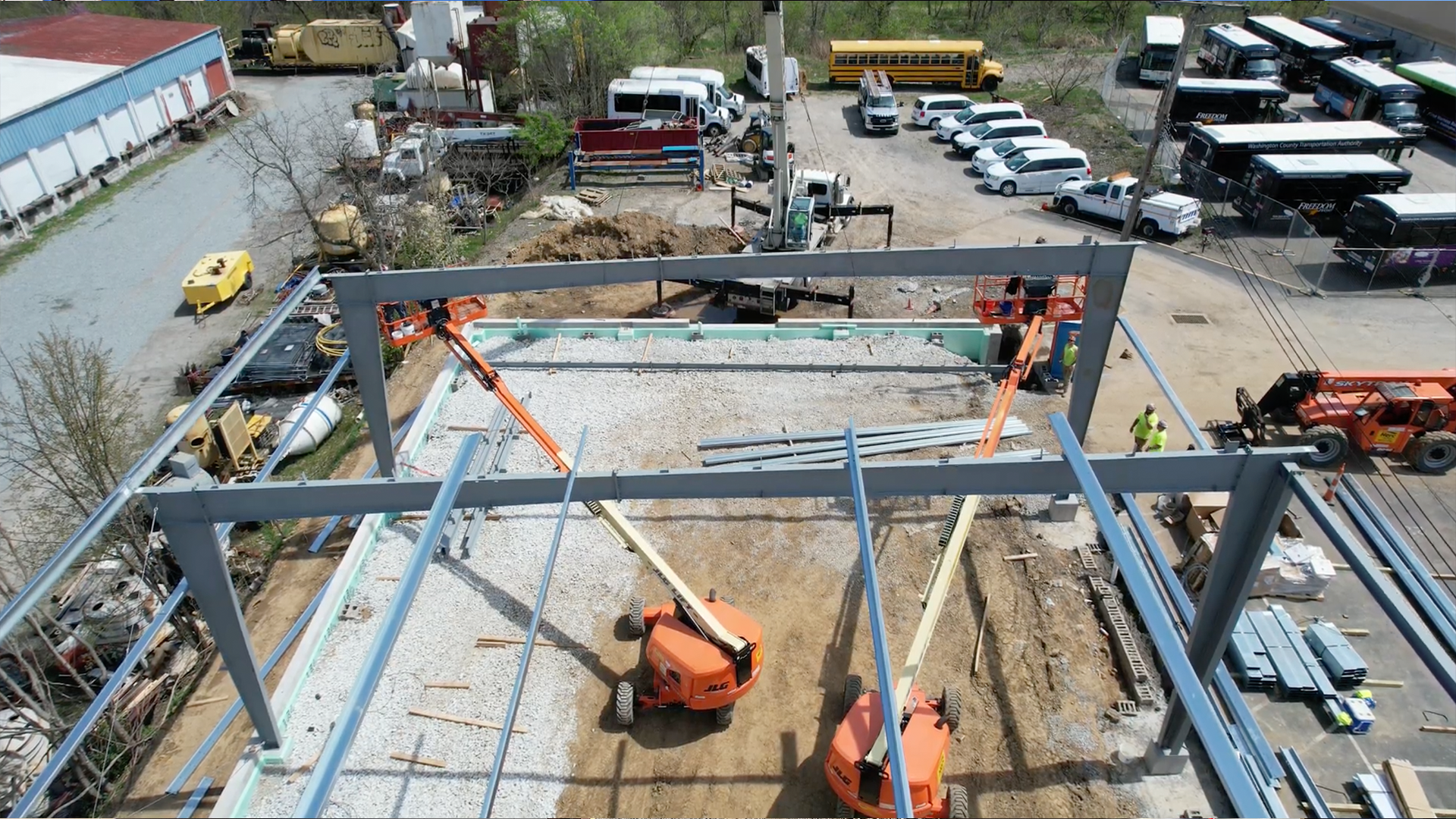
Steel AI data center buildings provide the structural strength, flexibility, and scalability required to support high-density computing environments while allowing operators to expand capacity as technology evolves.
THE SURGING DEMAND FOR AI INFRASTRUCTURE
Artificial intelligence applications require enormous processing capabilities. Training advanced machine learning models can involve processing billions of data points across thousands of specialized processors.
These workloads require data centers designed specifically for AI computing environments.
Major technology companies, research institutions, and cloud service providers are investing heavily in new data center developments to support this demand. As AI technologies become more widely adopted across industries, the need for high-performance computing facilities continues to expand.
AI data centers must operate at a scale that traditional facilities were not originally designed to support. This has led developers to rethink how computing infrastructure is designed and constructed.
Facilities must now support:
- extremely high server densities
- large electrical power capacities
- advanced cooling technologies
- continuous operational reliability
- rapid scalability for future expansion
These requirements have pushed data center developers to seek building solutions that can accommodate these technical demands while maintaining long-term durability.
Steel construction has become an increasingly popular choice for developers building AI infrastructure facilities.
KEY INFRASTRUCTURE REQUIREMENTS FOR AI DATA CENTERS
AI computing facilities differ significantly from traditional data centers because of the computing density required to support machine learning workloads.
These facilities must support a variety of infrastructure systems working together to maintain operational stability.
Several core infrastructure components define modern AI data center design.
HIGH-PERFORMANCE COMPUTING HARDWARE
AI data centers house specialized computing equipment designed to process large volumes of data at high speeds. Graphics processing units (GPUs), AI accelerators, and high-performance servers are commonly used within these environments.
These systems are typically installed in densely packed server racks that create concentrated equipment loads across the facility floor.
Buildings designed to house these systems must provide structural frameworks capable of supporting the weight of large numbers of server racks while maintaining structural stability.
Steel framing systems provide the strength required to support these equipment loads while maintaining open interior layouts.
POWER DISTRIBUTION INFRASTRUCTURE
AI computing workloads require enormous electrical capacity. Large AI training clusters can consume significant amounts of power, making electrical infrastructure one of the most important aspects of facility design.
AI data centers must incorporate extensive power distribution networks that supply electricity to thousands of computing devices simultaneously.
These systems often include:
- electrical substations
- backup power generators
- battery energy storage systems
- high-capacity distribution panels
Buildings housing this infrastructure must support both the physical equipment and the operational requirements of high-capacity electrical systems.
Steel structures provide the structural strength needed to support heavy electrical equipment while allowing engineers to design flexible layouts for power distribution networks.
ADVANCED COOLING SYSTEMS
AI hardware generates substantial heat during operation. Maintaining safe operating temperatures requires sophisticated cooling systems designed to remove heat from computing equipment while maintaining energy efficiency.
Several cooling technologies are commonly used in AI data centers:
- air-based cooling systems
- liquid cooling technologies
- immersion cooling systems
- hybrid cooling solutions
Each of these systems requires space within the building for mechanical equipment, piping networks, and airflow management infrastructure.
Steel buildings provide the structural capacity needed to support this equipment while allowing engineers to design layouts that optimize airflow and cooling efficiency.
WHY STEEL BUILDINGS SUPPORT HIGH-DENSITY DATA INFRASTRUCTURE
Large Clear-Span Interior Spaces
AI data centers require large open interior spaces that allow operators to install rows of server racks while maintaining organized airflow and cable management systems.
Steel buildings can be engineered with wide clear spans that eliminate interior support columns. This design allows facility operators to configure server layouts without structural constraints.
These open interiors also simplify the installation of raised flooring systems and cable routing infrastructure.
Structural Strength for Heavy Equipment
The equipment used in AI data centers can place significant loads on building floors. High-density server racks, cooling systems, and electrical equipment all contribute to the structural demands of these facilities.
Steel framing systems provide the strength required to support these loads while maintaining long-term structural reliability.
This strength allows developers to design facilities capable of supporting both current equipment loads and future infrastructure upgrades.
SCALABILITY FOR FUTURE AI INFRASTRUCTURE
Artificial intelligence technology continues evolving rapidly. Hardware improvements, increased data processing needs, and new computing architectures are constantly changing how infrastructure is designed.
Facilities supporting AI infrastructure must therefore be built with scalability in mind.
Steel construction provides a level of adaptability that allows operators to expand or modify facilities as technology requirements evolve.
Future expansion projects may include:
- additional server halls
- expanded cooling infrastructure
- new electrical distribution systems
- upgraded computing equipment
Steel buildings can often be extended or modified more easily than traditional structures, allowing infrastructure operators to scale operations without rebuilding entire facilities.
This scalability is one of the reasons steel construction has become a preferred choice for many modern data center developments.
SUPPORTING THE FUTURE OF DIGITAL INFRASTRUCTURE
Artificial intelligence will continue transforming industries and driving innovation across the global economy. As organizations develop new AI tools and services, the infrastructure required to support these technologies will continue expanding.
AI data centers represent the physical backbone of this digital transformation.
Facilities that support high-density computing environments must be built with durability, flexibility, and long-term performance in mind.
Steel construction provides a reliable foundation for these facilities by combining structural strength with adaptable design capabilities.
By supporting scalable infrastructure and advanced computing environments, steel AI data center buildings help power the technologies shaping the future of artificial intelligence.