HOW STEEL BUILDINGS SUPPORT THE GROWTH OF BREWERIES, DISTILLERIES, AND WINERIES
The craft beverage industry has grown rapidly over the past two decades. Across the country, breweries, distilleries, and wineries are expanding their production capabilities while creating destination experiences for customers who want to see how their favorite beverages are made.
As production scales and customer experiences evolve, the facilities supporting these operations must meet a wide range of demands. Beverage production facilities must house fermentation tanks, storage vessels, bottling lines, tasting rooms, and distribution areas while maintaining strict cleanliness standards and operational efficiency.
These facilities must also support temperature control, sanitation requirements, and equipment loads associated with large production systems. For many producers, steel buildings provide a flexible and reliable solution that supports both manufacturing operations and customer-facing spaces.
Steel brewery buildings, distillery facilities, and winery production structures offer the strength, adaptability, and scalability required for modern beverage production. By combining large open interiors with durable materials, steel construction helps producers design facilities that grow alongside their operations.
THE EXPANSION OF THE CRAFT BEVERAGE INDUSTRY
Independent breweries, craft distilleries, and boutique wineries have become an important part of local economies and tourism across many regions. These businesses combine traditional production methods with modern equipment to create unique products that attract loyal customers.
As demand for craft beverages continues to increase, many producers are expanding beyond small pilot facilities and investing in larger production environments.
These facilities must accommodate a variety of operational needs, including:
- brewing or fermentation areas
- barrel storage and aging rooms
- bottling and packaging lines
- cold storage areas
- ingredient storage
- tasting rooms and retail spaces
- distribution loading zones
Designing facilities that support both production and customer experiences requires careful planning and flexible building systems.
Steel buildings offer structural systems that allow beverage producers to create efficient layouts while maintaining the durability required for long-term operations.
KEY FEATURES REQUIRED IN BEVERAGE PRODUCTION FACILITIES
Breweries, distilleries, and wineries operate as manufacturing environments that must maintain strict quality control standards while managing complex production workflows.
Facilities designed for beverage production must support several key operational requirements.
Production Space
Fermentation tanks, brewing kettles, distillation columns, and storage vessels require significant floor space and vertical clearance. These systems can be large and heavy, making structural support an important consideration during facility design.
Steel buildings can accommodate high ceilings and wide clear spans that allow producers to install large tanks and production equipment without structural limitations.
Sanitation and Cleanability
Food-grade production environments must maintain strict sanitation standards to ensure product safety and quality.
Steel building systems provide durable wall and ceiling structures that can be finished with materials designed for easy cleaning and moisture resistance.
This helps facilities maintain sanitary conditions while supporting regulatory compliance.
Temperature Control
Fermentation, distillation, and aging processes often require carefully controlled temperature environments.
Facilities must incorporate insulation systems, climate control equipment, and refrigeration systems that maintain stable temperatures across production areas.
Steel buildings can be designed with energy-efficient insulation and ventilation systems that support these environmental requirements.
Storage and Distribution
Finished products must be stored safely before distribution. Many producers require warehouse areas for packaging, pallet storage, and shipping operations.
Steel structures provide flexible layouts that allow producers to allocate space for inventory storage while maintaining efficient logistics workflows.
WHY STEEL BUILDINGS ARE WELL SUITED FOR BEVERAGE PRODUCTION
Steel construction offers several advantages that align with the operational needs of breweries, distilleries, and wineries.
Open Interior Layouts
One of the most important benefits of steel construction is the ability to create large open spaces without interior support columns.
Clear-span steel framing systems allow beverage producers to design production floors that accommodate large tanks, production lines, and processing equipment without spatial restrictions.
This flexibility allows operators to organize equipment layouts that maximize efficiency and workflow.
Structural Strength
Production equipment used in beverage manufacturing can be extremely heavy. Fermentation tanks, distillation columns, and storage vessels must be supported safely by the building structure.
Steel framing systems provide the structural strength needed to support this equipment while maintaining long-term building durability.
This strength ensures that facilities remain stable even as production capacity increases.
Scalability for Growing Operations
Many breweries, distilleries, and wineries begin with smaller production volumes before expanding their facilities to meet growing demand.
Steel buildings can be designed with expansion in mind, allowing producers to extend production areas or add additional storage space as operations grow.
This scalability helps producers invest in infrastructure that supports long-term growth.
INDUSTRIES BENEFITING FROM STEEL BEVERAGE PRODUCTION FACILITIES
Breweries
Craft breweries often require large production spaces that accommodate brewing systems, fermentation tanks, packaging lines, and tasting areas.
Steel brewery buildings allow producers to create flexible production environments that support both brewing operations and visitor experiences.
Distilleries
Distillation facilities must house specialized equipment used to produce spirits such as whiskey, vodka, and rum. These operations often include aging rooms for barrel storage, which require strong structural systems capable of supporting heavy loads.
Steel buildings provide the durability required for these environments while allowing producers to design facilities that support long-term barrel aging processes.
Wineries
Winemaking operations require facilities capable of supporting grape processing, fermentation, barrel aging, and bottling operations.
Steel winery buildings offer spacious interiors that allow producers to organize production areas while maintaining controlled environmental conditions for fermentation and aging.
BENEFITS DRIVING STEEL BUILDING ADOPTION
Faster Construction Timelines
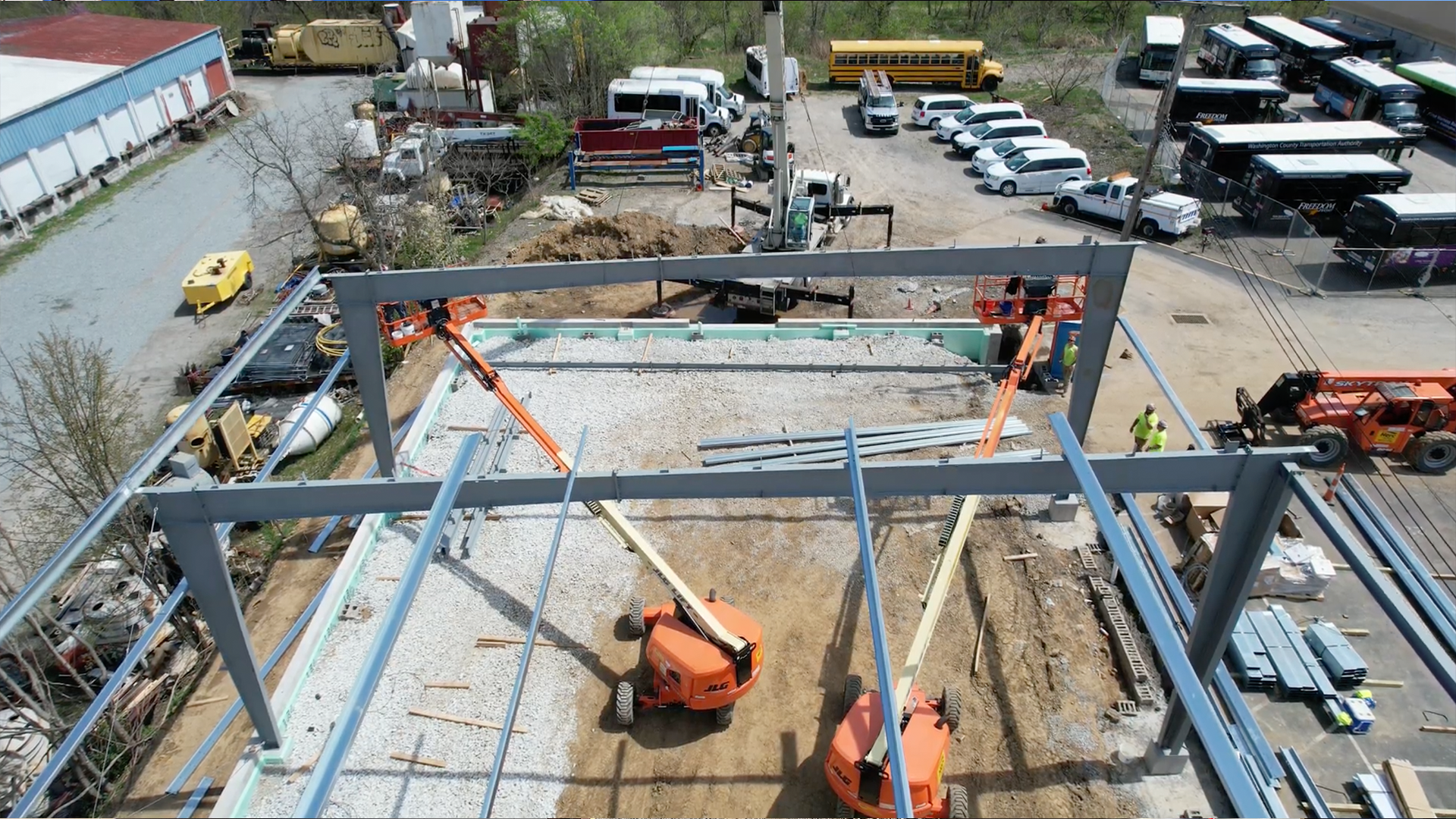
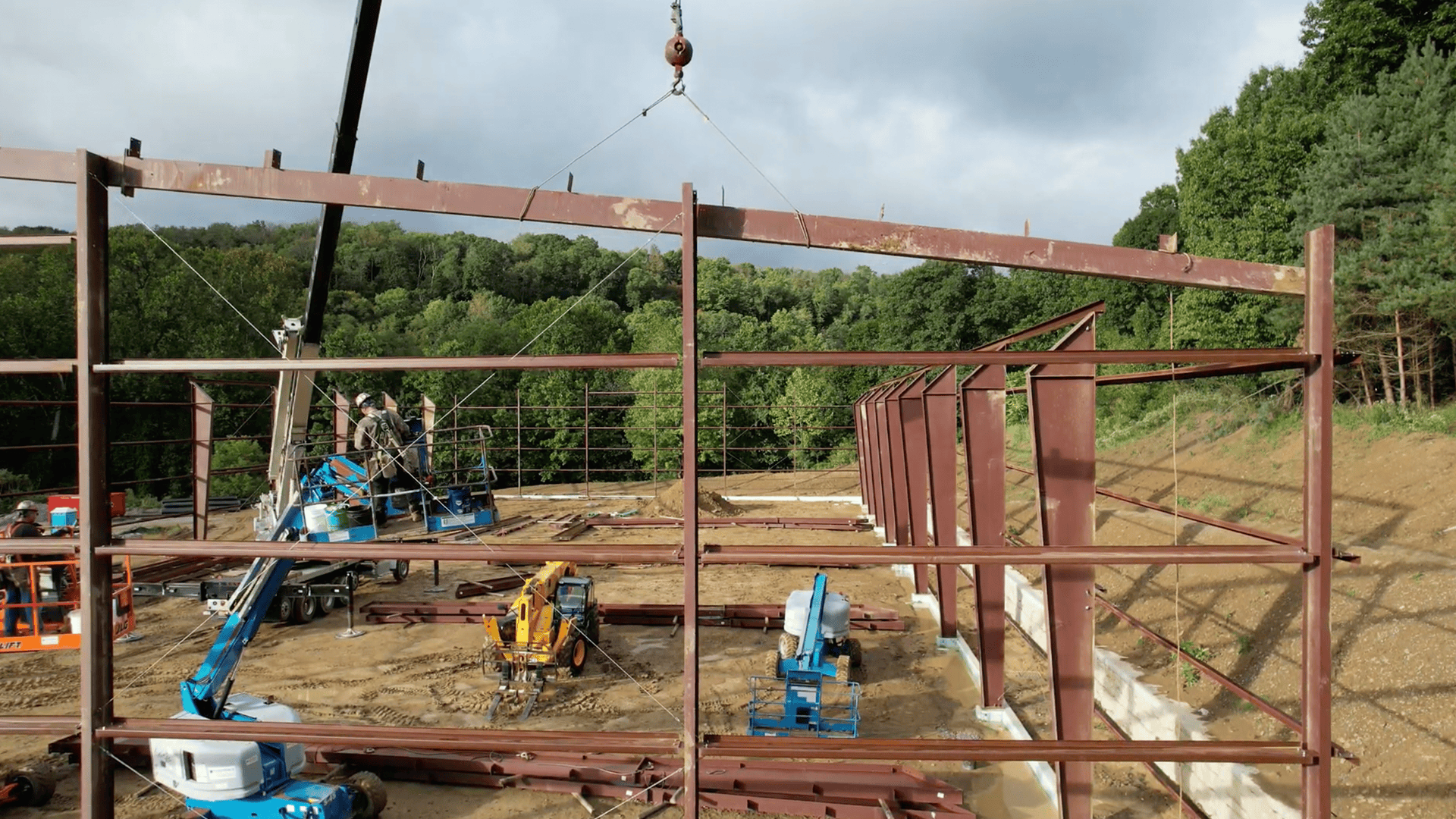
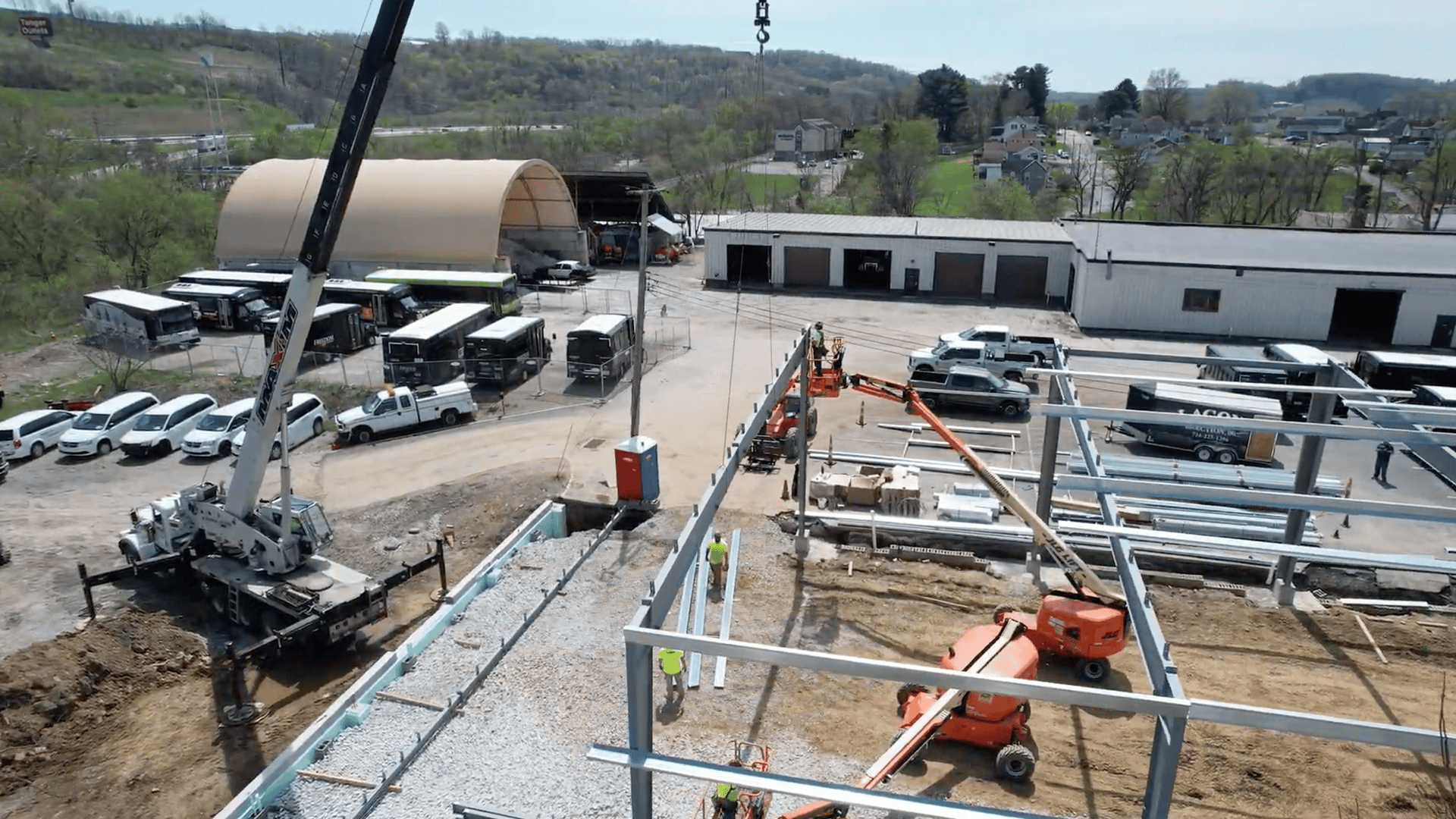
Steel building components can be prefabricated and assembled efficiently on-site. This approach often allows facilities to be completed faster than traditional construction methods.
Faster construction timelines allow beverage producers to begin operations sooner and reduce project delays.
Durability and Longevity
Steel buildings are designed to withstand demanding industrial environments. Production facilities often operate continuously and must maintain structural reliability over long periods of time.
Steel construction provides long-lasting structural performance while reducing maintenance requirements.
Design Flexibility
Beverage production facilities often combine manufacturing operations with retail experiences such as tasting rooms and event spaces.
Steel buildings allow architects and designers to create versatile layouts that accommodate both industrial and hospitality environments.
This flexibility allows producers to create destination facilities that attract visitors while supporting efficient production workflows.
LOOKING AHEAD: THE FUTURE OF BEVERAGE PRODUCTION FACILITIES
The craft beverage industry continues to evolve as producers expand distribution networks and invest in new production technologies.
Facilities that support these operations must be designed to accommodate growth while maintaining high standards of quality and efficiency.
Steel construction provides the structural strength, flexibility, and scalability required to support modern beverage production.
By allowing producers to design efficient manufacturing spaces and customer-focused environments, steel buildings help create facilities that support both operational success and long-term business growth.
As breweries, distilleries, and wineries continue expanding, steel construction will remain an important part of the infrastructure supporting the craft beverage industry.