Why Steel Buildings Continue to Transform Sports Facility Construction
Whether it’s a local gym, a community recreation center, or a large-scale stadium, sports facilities need to be strong, spacious, and cost-effective. And more than ever, builders are turning to steel construction to meet those needs. Metal buildings provide a winning combination of durability, flexibility, and speed—making them an ideal solution for athletic spaces of all kinds.
From youth athletic organizations and municipal recreation departments to colleges, universities, and professional sports organizations, today’s facilities are expected to do much more than provide a place to compete. They must accommodate growing participation, support multiple sports, create memorable spectator experiences, and remain affordable to own and maintain for decades. Choosing the right building system plays a significant role in achieving all of these goals.
Steel construction has become the preferred choice because it delivers long-term value without sacrificing performance. Modern steel buildings offer expansive clear-span interiors, exceptional structural strength, energy-efficient building envelopes, and the flexibility to customize nearly every aspect of the design. Whether the project involves a new indoor training facility, a community sports complex, or an expansion to an existing athletic campus, steel provides the versatility needed to support changing demands.
From design to delivery, steel structures support the full range of athletic programs, with benefits that extend far beyond the playing field. In this blog, we’ll break down the top reasons why steel is the go-to material for building modern sports facilities.
10 Reasons Steel Sports Facilities Are the Smart Choice for Modern Athletic Programs
✅ 1. Large, Column-Free Spaces
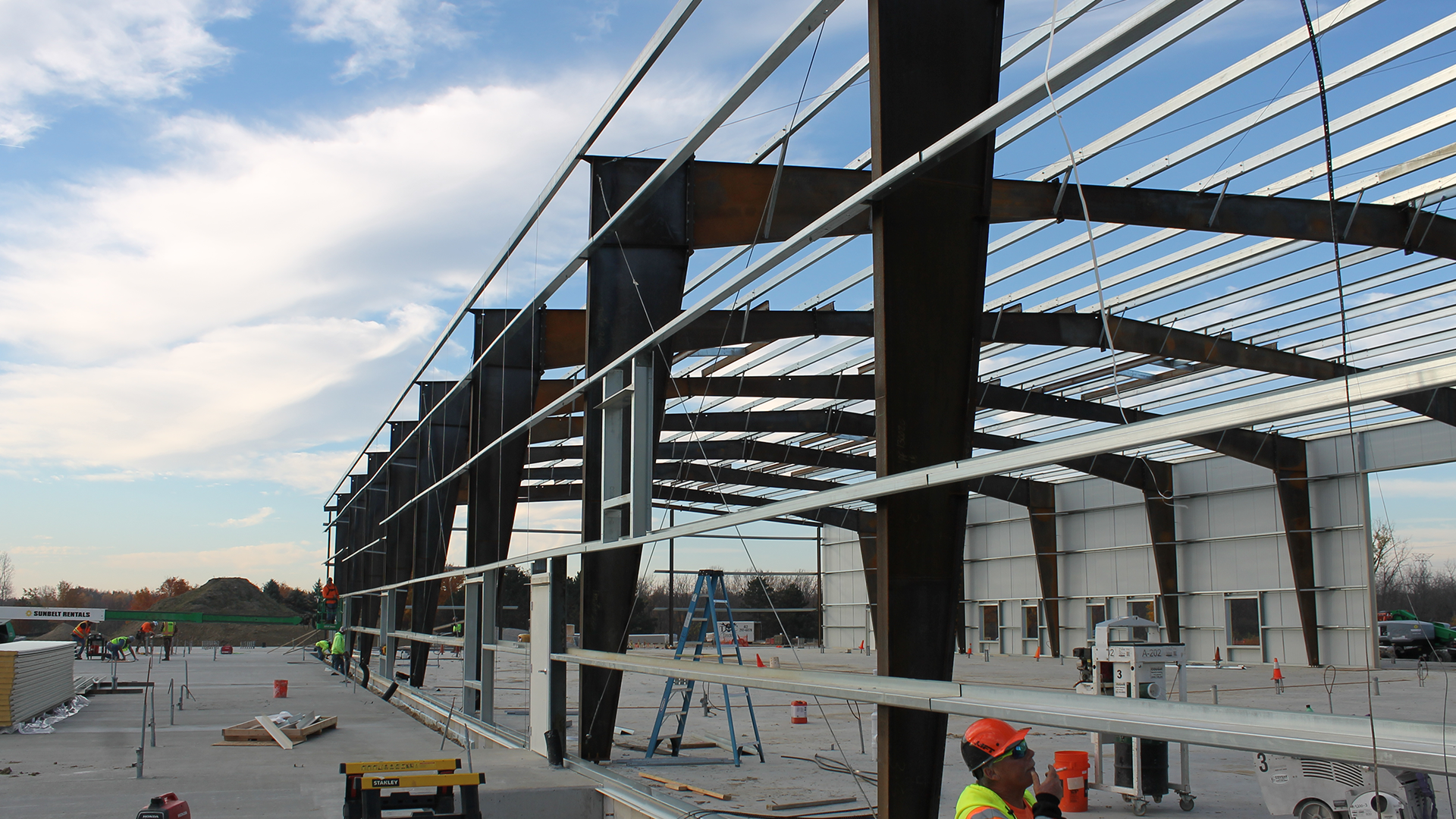
Steel buildings can span huge areas without interior columns, making them perfect for indoor basketball courts, soccer and football fields, gymnasiums, multipurpose halls, and open training spaces. This clear-span design creates uninterrupted play areas and more flexible layouts.
Clear-span construction allows architects and facility owners to maximize every square foot of usable space. Without support columns interrupting the playing surface, coaches, athletes, and spectators benefit from better visibility, improved safety, and greater flexibility when configuring courts, fields, and event spaces.
Many athletic facilities also serve multiple purposes throughout the year. A basketball court may become a volleyball tournament venue one weekend and a community event center the next. Steel buildings provide the open floor plans needed to easily accommodate changing layouts without structural limitations, making them an excellent long-term investment for growing organizations.
✅ 2. Fast Construction for Rapid Openings
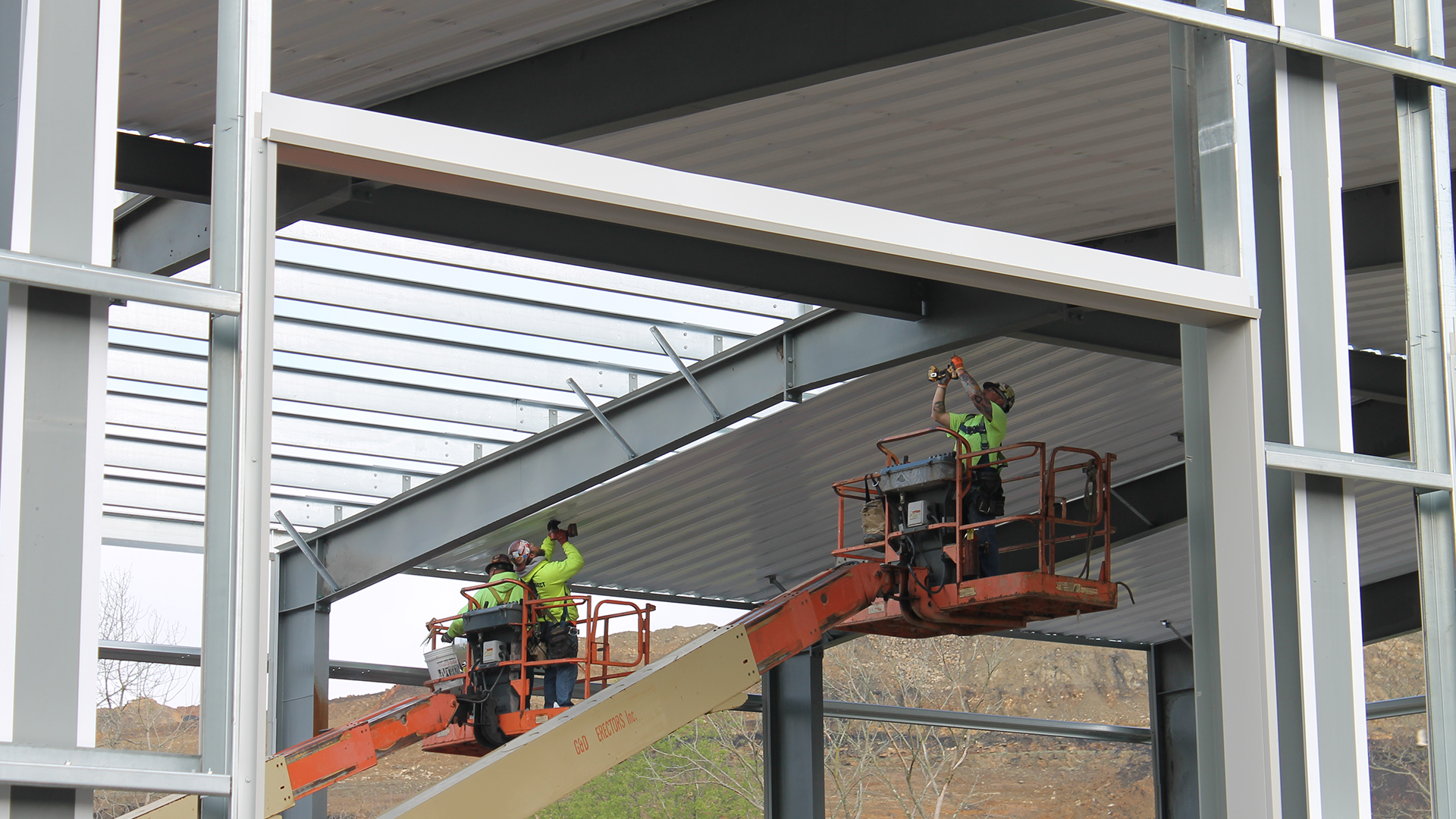
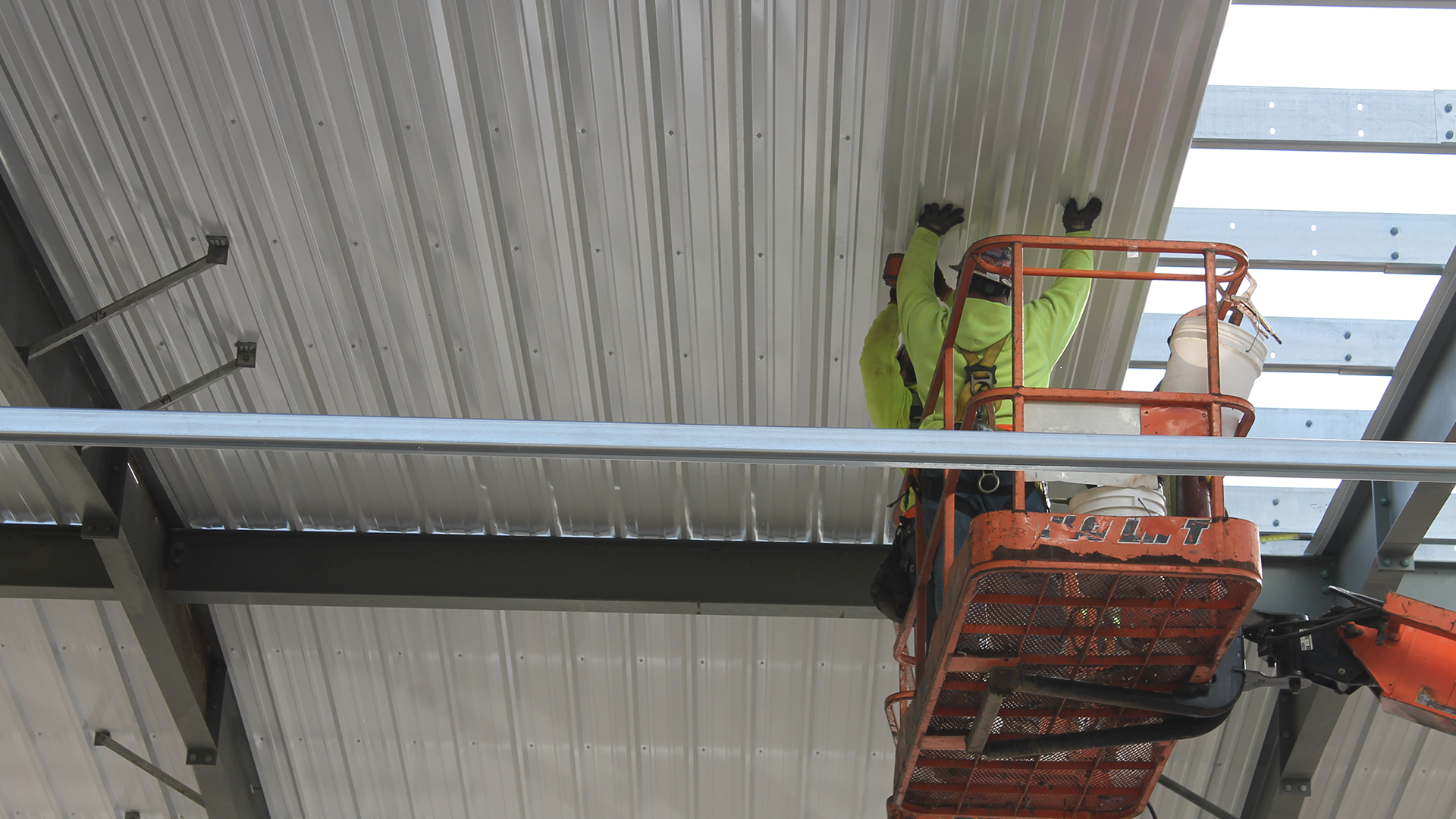
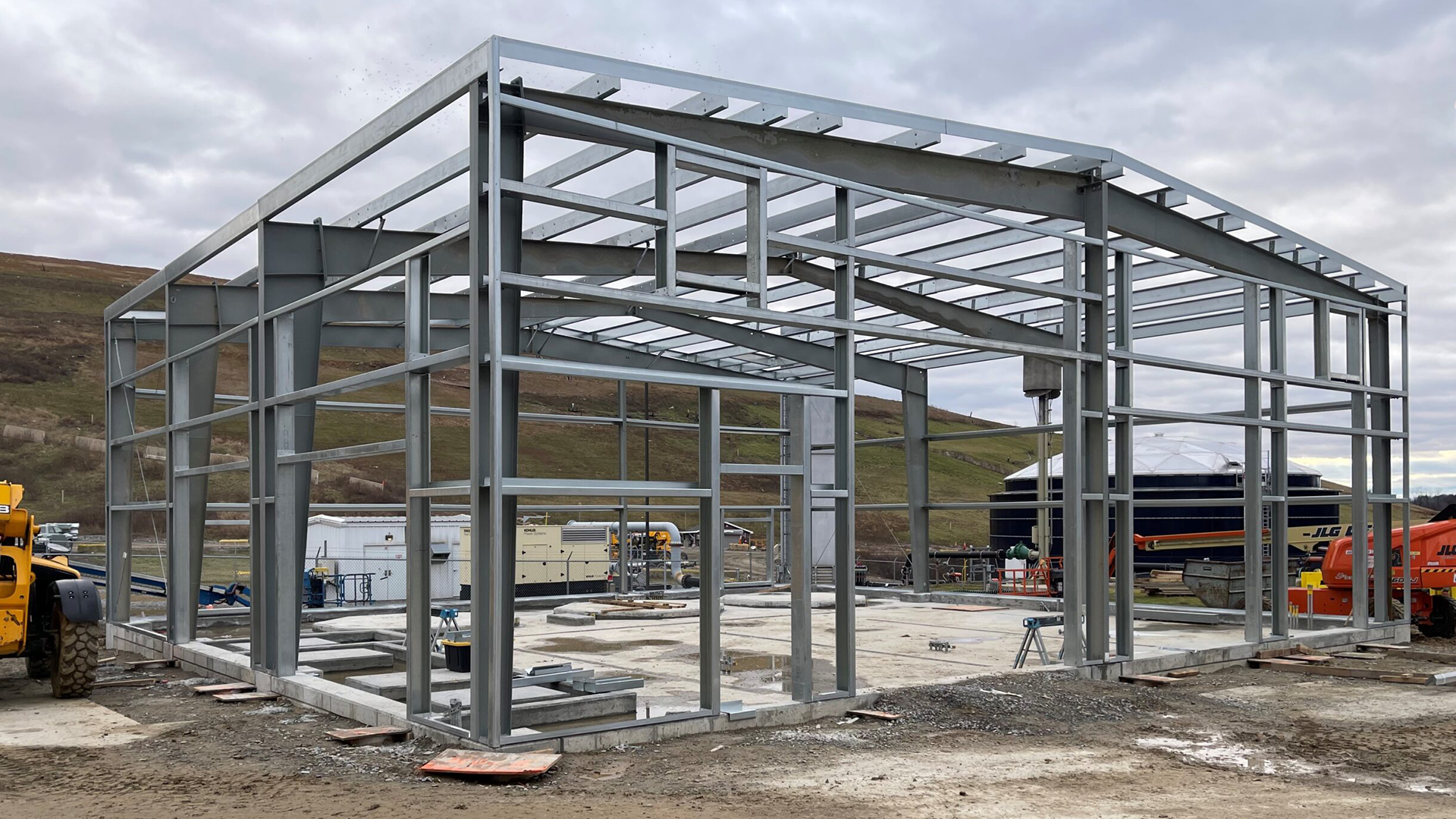
Pre-engineered metal buildings (PEMBs) can be built up to 50% faster than traditional methods, helping athletic programs open sooner, reduce downtime, and avoid seasonal delays.
Construction speed is often a deciding factor for schools, municipalities, and private organizations operating on strict project timelines. Every month saved during construction allows teams to begin practicing sooner, tournaments to be scheduled earlier, and facilities to begin generating revenue more quickly.
Because many steel building components are fabricated off-site before arriving at the project location, installation is significantly more efficient than conventional construction methods. This streamlined process also reduces weather-related delays and helps keep projects moving forward on schedule.
For organizations working around athletic seasons, school calendars, or public funding deadlines, faster project completion can make the difference between opening on time or waiting another year.
✅ 3. Durable for High Traffic and Heavy Use
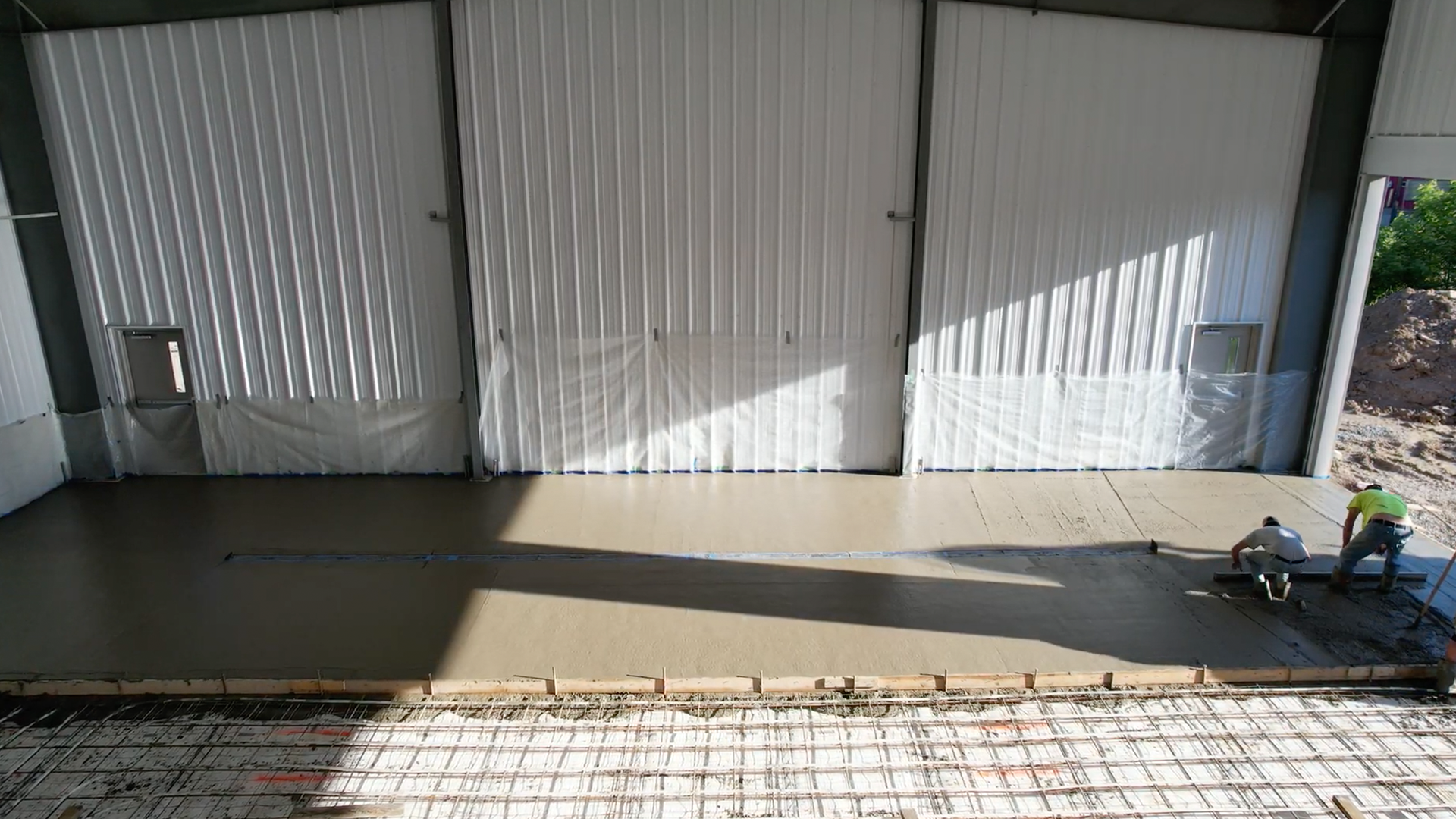
Steel buildings resist rust, pests, and mold. They’re designed for long-term structural integrity, making them a cost-effective solution for high-traffic facilities.
Sports facilities experience constant activity. Athletes, coaches, spectators, maintenance crews, and event staff move through these buildings every day, creating significant wear over time. Steel construction is built to withstand this demanding environment while maintaining its structural integrity year after year.
Unlike traditional building materials that may warp, crack, rot, or become vulnerable to insect damage, steel offers exceptional resistance to many of the issues that increase maintenance costs. This durability translates into fewer repairs, less downtime, and lower lifetime ownership expenses.
For facility owners responsible for protecting taxpayer investments, school budgets, or private capital, long-lasting structural performance provides confidence that the building will continue serving the community for decades.
✅ 4. Cost-Efficient from Start to Finish
Shorter timelines, reduced waste, and energy-efficient options mean lower upfront and long-term costs—ideal for municipalities and private investors.
Construction budgets continue to be one of the biggest challenges facing athletic facility development. Steel buildings help maximize available funding by reducing labor costs, shortening construction schedules, and minimizing material waste throughout the project.
The financial advantages continue long after construction is complete. Durable building systems require less maintenance, modern insulation packages improve energy efficiency, and simplified structural systems reduce ongoing repair costs compared to many conventional construction methods.
When evaluating the total lifecycle cost of a sports facility rather than just the initial construction price, steel consistently delivers strong long-term value.
✅ 5. Customizable to Fit Any Athletic Program
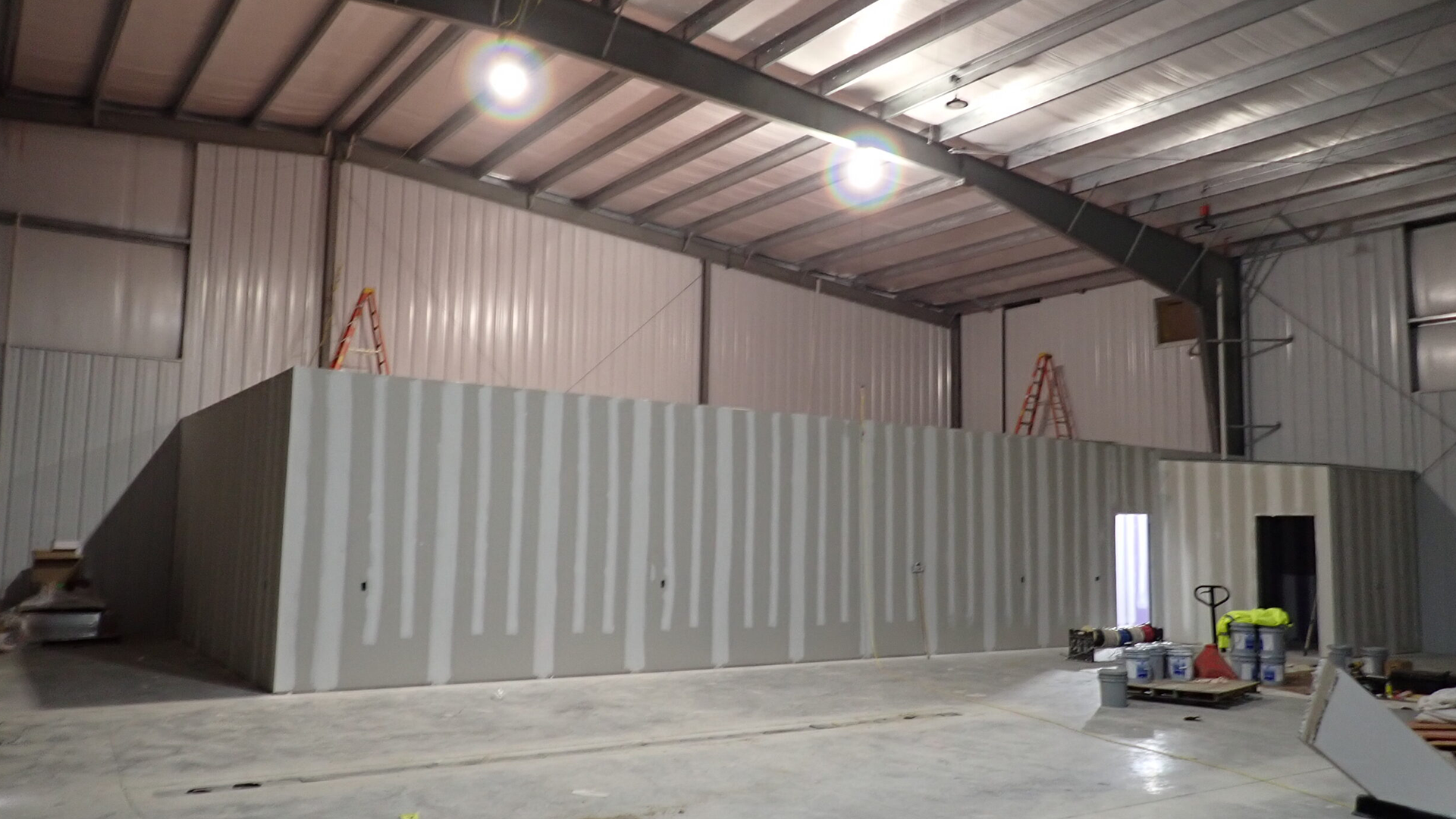
Steel buildings can be designed with bleachers, locker rooms, mezzanines, concessions, or training rooms to fit any athletic program’s needs.
No two athletic facilities are exactly alike. A youth recreation center has different priorities than a collegiate training complex, while a community sports pavilion requires a different layout than a competitive gymnastics facility. Steel construction provides the flexibility needed to accommodate virtually any sport or organizational requirement.
Design teams can incorporate spectator seating, administrative offices, concession stands, equipment storage, fitness centers, rehabilitation spaces, classrooms, meeting rooms, and premium hospitality areas into one cohesive building design.
This level of customization allows facility owners to create buildings that not only meet today’s operational needs but can also adapt as athletic programs expand and evolve.
✅ 6. Excellent Climate Control Options
Advanced HVAC, insulation, and skylight options ensure year-round comfort for athletes and spectators.
Maintaining a comfortable indoor environment is essential for both athletic performance and visitor experience. Whether athletes are training during the heat of summer or competing through the winter months, proper climate control helps create safe and enjoyable conditions.
Modern steel buildings can be equipped with high-performance insulation systems, energy-efficient HVAC equipment, natural daylighting solutions, and ventilation strategies that improve indoor comfort while reducing overall energy consumption.
These systems also help protect flooring materials, athletic equipment, scoreboards, and other valuable facility assets by maintaining stable interior conditions throughout the year.
✅ 7. Perfect for Indoor & Outdoor Combinations
Steel structures adapt easily to mixed-use campuses with covered pavilions, equipment storage, and seamless indoor-outdoor transitions.
Many modern athletic complexes combine indoor competition spaces with outdoor fields, walking trails, concession areas, playgrounds, and event venues. Steel buildings integrate seamlessly into these multi-purpose campuses while creating functional connections between different activity zones.
Covered entrances, outdoor training areas, shaded gathering spaces, maintenance buildings, and equipment storage facilities can all be incorporated into a unified site design that supports athletes, coaches, and spectators throughout the property.
This flexibility makes steel construction an outstanding choice for parks departments, school districts, universities, and private sports organizations planning facilities designed to serve entire communities.
✅ 8. Scalable for Future Growth
Expand side walls, add wings, or reconfigure layouts as your athletic programs grow.
Very few sports facilities remain exactly the same throughout their lifespan. Participation numbers fluctuate, new sports emerge, additional training programs are introduced, and organizations often outgrow their original space sooner than expected. One of the greatest advantages of steel construction is its ability to accommodate future growth without requiring an entirely new facility.
Pre-engineered steel buildings are designed with expansion in mind. Additional bays can often be added to existing structures, allowing owners to increase square footage while maintaining a consistent architectural appearance and operational flow. Whether the goal is expanding a weight room, adding more courts, increasing storage capacity, or creating new spectator amenities, steel construction provides exceptional long-term flexibility.
This scalability helps organizations make smart investments by building for today’s needs while preserving opportunities for tomorrow’s growth.
✅ 9. Energy-Efficient & Sustainable
Steel buildings often use recycled materials, are easily insulated, and support solar integration—reducing environmental impact.
Sustainability has become an increasingly important consideration for schools, municipalities, universities, and private developers. Steel construction supports environmentally responsible building practices while helping reduce long-term operating expenses.
Modern insulation systems, reflective roof assemblies, energy-efficient lighting, and high-performance HVAC equipment all contribute to lower utility consumption throughout the life of the facility. Steel itself remains one of the world’s most recycled construction materials, making it an environmentally responsible choice for organizations pursuing sustainability initiatives.
Many athletic facilities also incorporate rooftop solar panels, electric vehicle charging stations, daylighting systems, and smart building controls. Steel structures provide an excellent platform for integrating these technologies while improving overall building performance.
✅ 10. Professional Appearance & Branding
Modern facades, branded exteriors, and architectural details ensure steel facilities look as professional as the athletes they host.
Today’s steel buildings bear little resemblance to the simple industrial structures of decades past. Modern architectural finishes allow sports facilities to create visually impressive buildings that reflect school pride, organizational identity, or community branding.
Exterior finishes can incorporate masonry accents, architectural panels, decorative entrances, glass storefront systems, custom color palettes, and prominent signage that creates an inviting appearance for athletes, visitors, and fans alike.
A professionally designed facility not only enhances curb appeal but also strengthens community support, improves the spectator experience, and creates an environment that athletes are proud to represent.
A Smart Choice for Athletic Programs at Every Level
Whether you’re building for a high school, university, or private fitness center, the advantages of steel construction are clear. With fast build times, customizable layouts, and unmatched durability, metal buildings help sports programs achieve more—while keeping costs manageable and long-term maintenance low.
Beyond construction efficiency, steel buildings provide the flexibility that modern athletic organizations need to remain competitive. Facilities are no longer designed for a single purpose—they’re expected to host tournaments, community events, training programs, fitness classes, fundraising activities, and recreational leagues throughout the year. Steel construction supports these evolving expectations by creating adaptable spaces that maximize year-round utilization.
Facility owners also benefit from lower maintenance requirements, improved energy performance, and simplified future expansion opportunities. Instead of investing in buildings that quickly become outdated or too small, organizations can develop athletic complexes designed to evolve alongside their programs for decades to come.
Whether serving youth athletes, collegiate competitors, professional organizations, or local communities, steel buildings continue to prove themselves as one of the smartest investments available for modern sports infrastructure.
Building Sports Facilities Designed for Long-Term Success
Steel is more than just a building material—it’s the foundation for sports facilities that last. By choosing steel, athletic organizations gain speed, flexibility, and sustainability, while ensuring their gyms, stadiums, and complexes can adapt to future growth. From first serve to final whistle, steel is built to support champions, fans, and communities alike.
As participation continues to grow and expectations for athletic facilities continue to evolve, investing in a building system capable of supporting long-term success becomes increasingly important. Steel construction delivers the durability, efficiency, and design flexibility necessary to create facilities that serve athletes and communities well into the future.
From indoor practice facilities and multi-purpose recreation centers to large sports complexes and collegiate stadium support buildings, steel continues to set the standard for performance, reliability, and long-term value.
Bring Strength & Speed to Your Next Sports Facility!
Ready to build a gym, stadium, or sports complex that performs as hard as your team does? Red Direct delivers custom steel buildings built for athletic success—designed for durability, comfort, and future growth.