Protecting the Systems Behind Every Measured Transfer
Pipeline operations depend on dependable measurement. At receipt, delivery, interconnection, and other designated measurement points, operators use metering systems to determine how much product moved, under what conditions, and—when applicable—how custody-transfer quantities will be calculated.
Even a small, sustained measurement bias can have a material financial effect when it is applied to high throughput over time. The actual impact depends on the product, volume, price, contract, duration, and direction of the error, so a universal dollar value cannot be assigned to a one-percent difference.
Pipeline metering and control buildings protect selected instruments, flow computers, communications equipment, analyzers, electrical systems, and operator work areas from weather and unauthorized access. Some projects enclose portions of the primary metering equipment; others use an outdoor meter run or skid with a separate control or instrumentation enclosure. The appropriate arrangement depends on the process, meter technology, hazardous-area classification, climate, operator requirements, and governing standards.
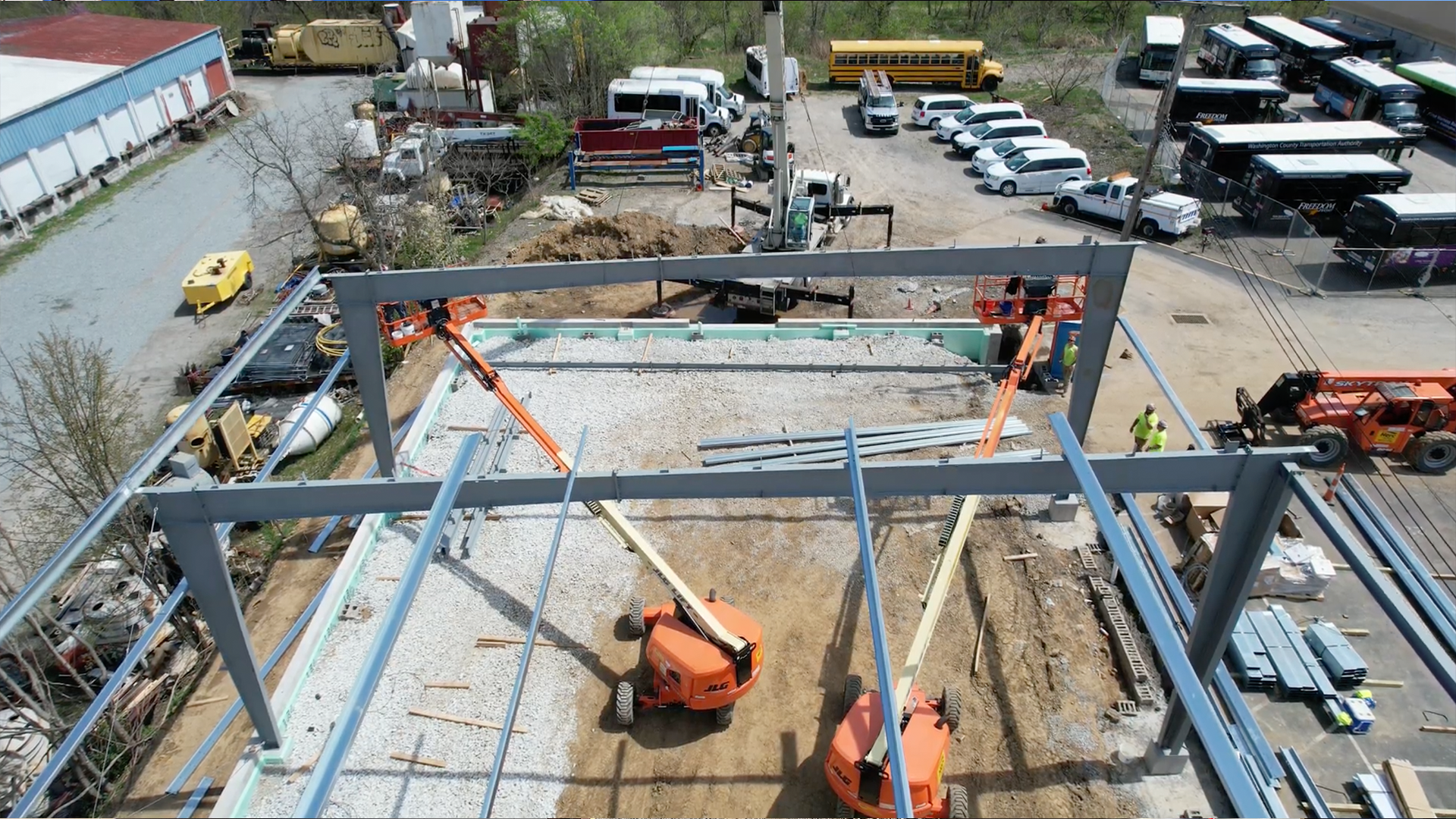
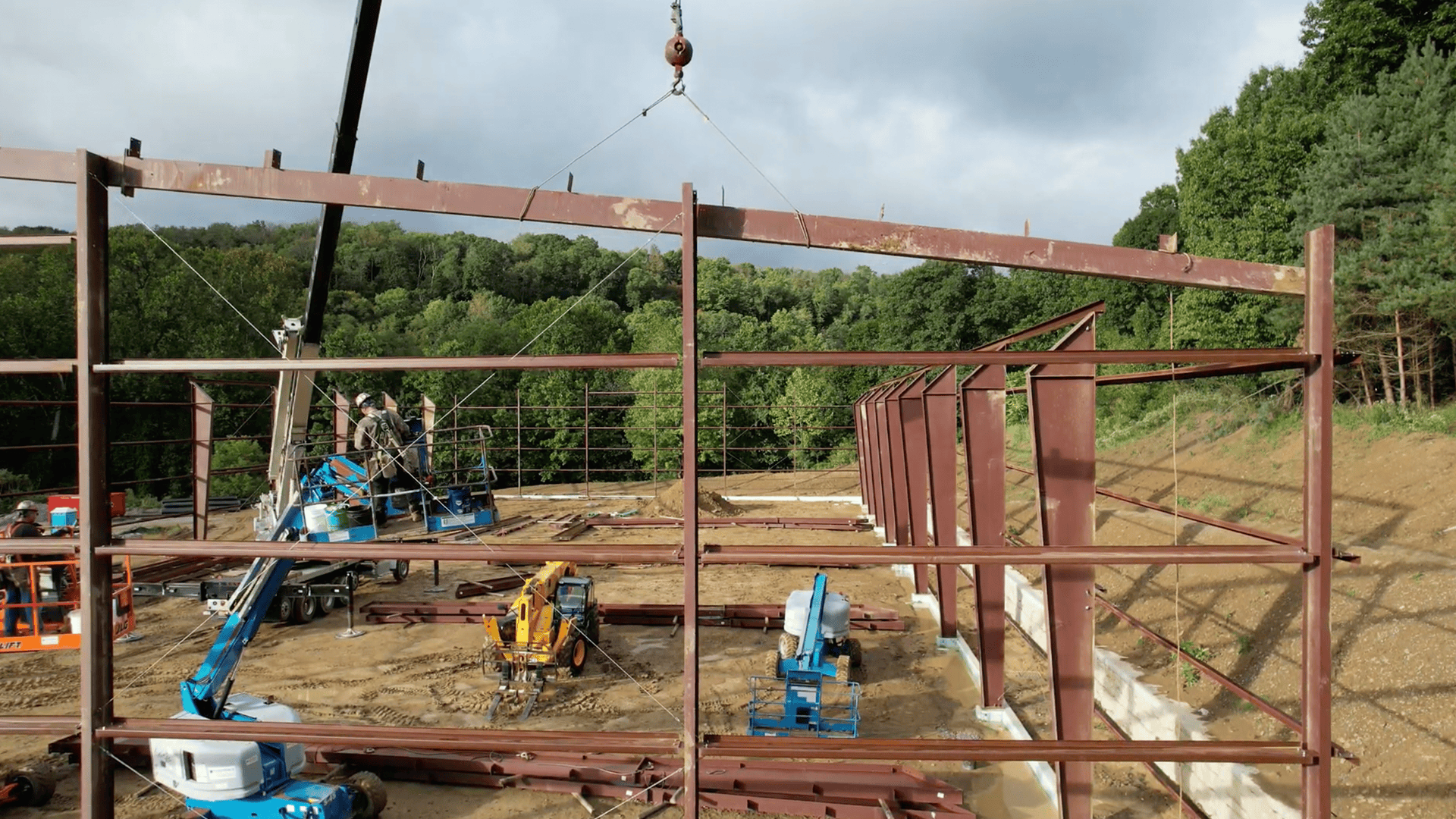
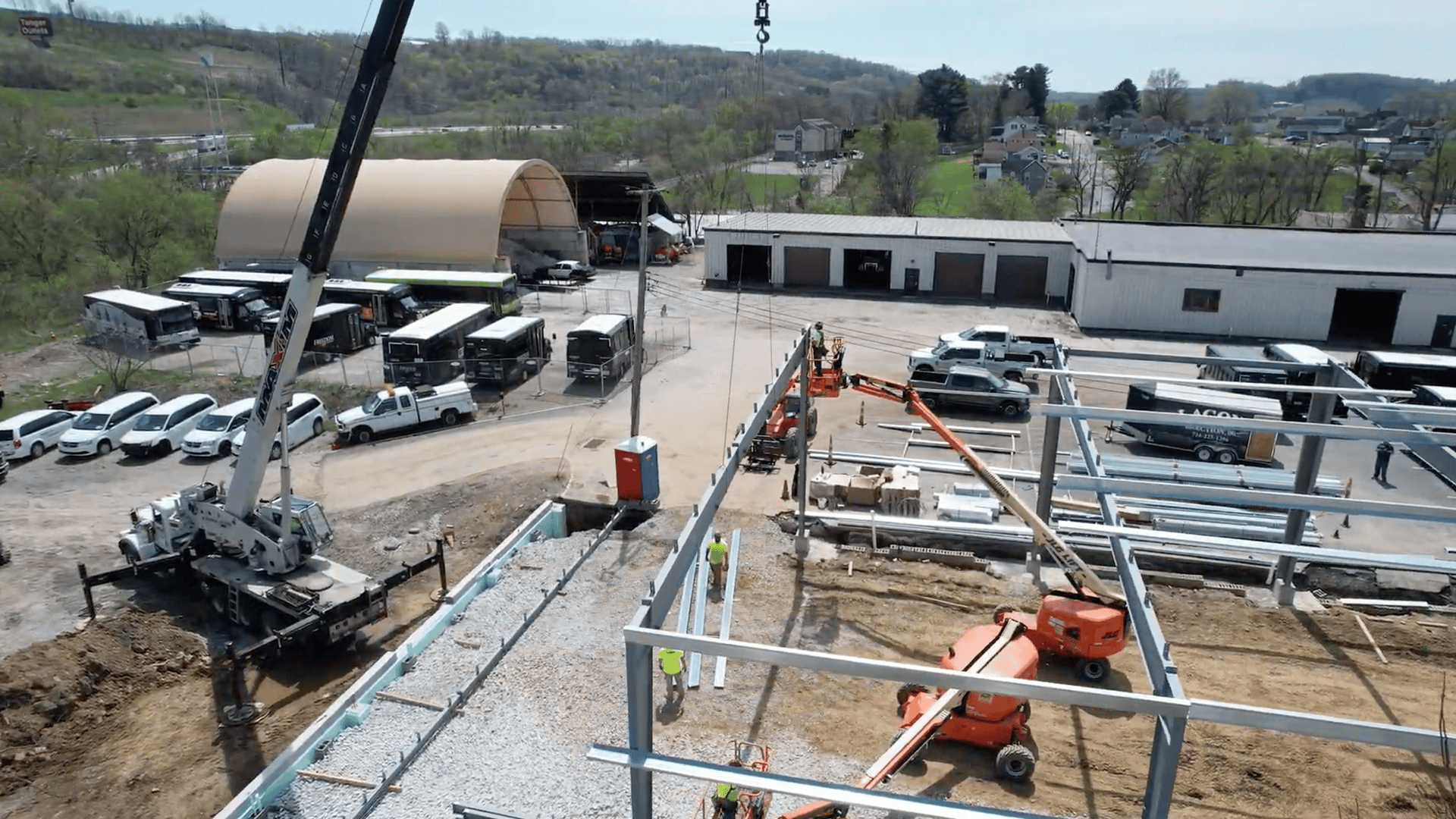
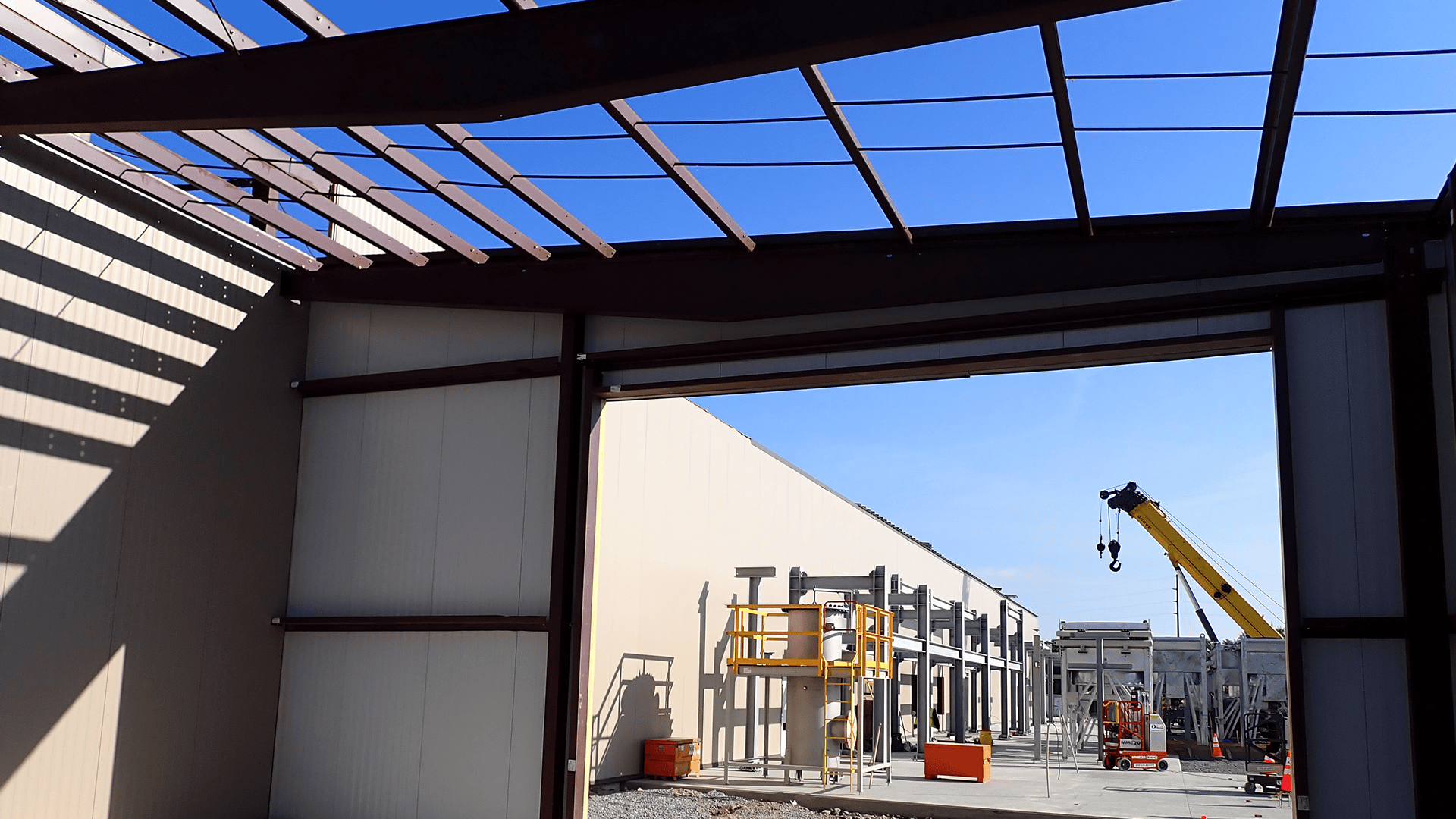
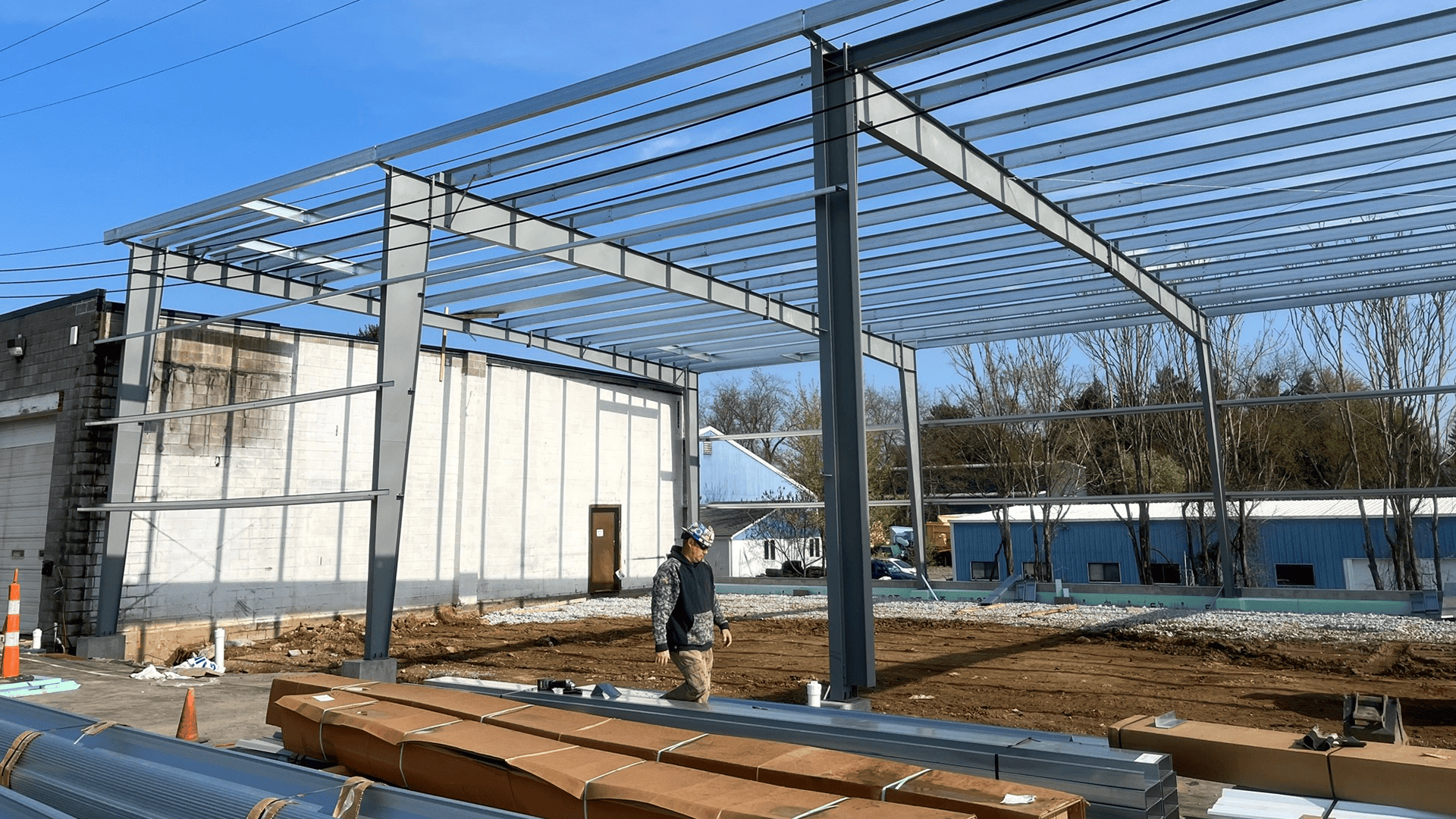
Properly designed steel pipeline metering buildings provide durable and adaptable enclosures for this specialized infrastructure. Red Direct’s overview of steel pipeline support buildings explains how purpose-built facilities support control, measurement, maintenance, and other midstream functions.
This guide explores metering-facility requirements, how steel construction can support reliable measurement operations, and why careful facility coordination matters to pipeline operators and their commercial partners.
The Financial Imperative of Measurement Accuracy
Pipeline systems measure flow at multiple locations. At a custody-transfer point, the governing agreement defines where custody, possession, responsibility, or title changes and how the transferred quantity and quality will be determined. Those values may be used for nominations, balancing, allocation, billing, and financial settlement.
Measurement accuracy is therefore a shared concern among operators, shippers, producers, processors, utilities, and end users. The equipment, calculations, operating procedures, verification practices, data systems, and contractual requirements must work together.
Pipeline Operators
Operators need measurement records that support billing, balancing, system control, loss accounting, and contractual obligations. Persistent undermeasurement or overmeasurement can create settlement discrepancies, investigations, and disputes.
Producers and Suppliers
Producers and suppliers rely on agreed measurement methods to document delivered quantities and product characteristics. Reliable measurement supports transparent commercial transactions.
Shippers and Interconnecting Systems
Shippers and interconnecting operators compare scheduled, nominated, received, and delivered quantities. Clear procedures and traceable data help the parties reconcile imbalances and investigate anomalies.
Auditors and Regulators
Records may be reviewed under tariffs, contracts, internal controls, regulatory programs, or audit procedures. The specific requirements vary by commodity, facility, transaction, operator, and jurisdiction.
Red Direct’s experience with steel buildings for midstream infrastructure reflects the broader operational environment surrounding these measurement facilities.
Understanding Pipeline Metering Facility Requirements
A metering building is not simply a weather shelter. Its design must be coordinated with process piping, meter requirements, electrical classification, ventilation, access, security, drainage, maintenance, communications, and emergency procedures.
Equipment Protection and Environmental Control
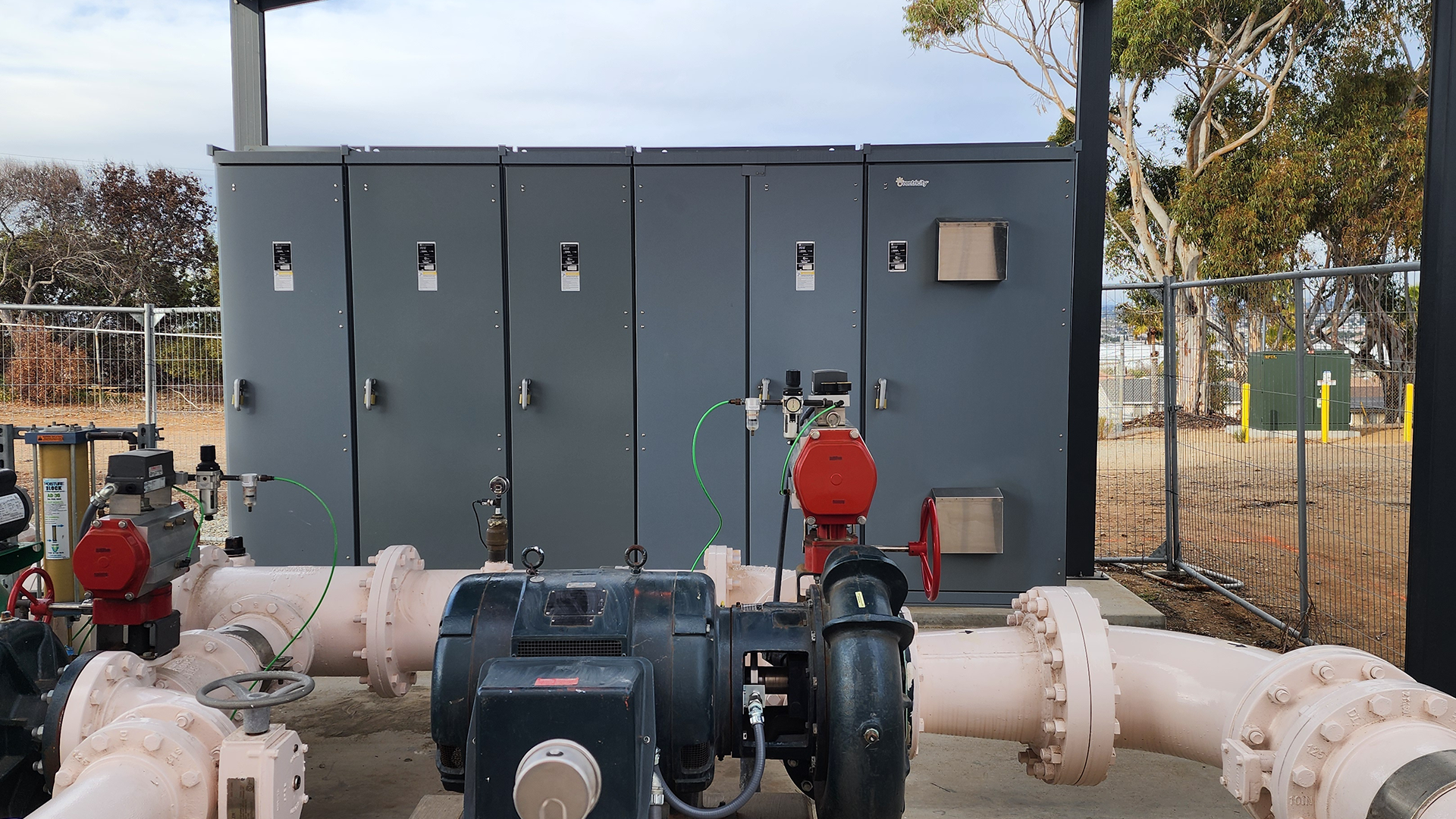
Measurement systems may include meters, pressure and temperature transmitters, flow computers, gas chromatographs or other analyzers, sample systems, communications equipment, power supplies, and control panels. Not every device belongs in the same enclosure, and some components may need to remain outdoors or in separately classified spaces.
Similar weather-protection and equipment-access priorities appear in Red Direct’s discussion of steel storage facilities supporting natural gas infrastructure.
Potential enclosure requirements include:
- Weather protection: Roof, wall, flashing, door, and penetration details that limit rain, snow, wind-driven moisture, dust, and ice exposure.
- Temperature management: Heating, cooling, insulation, or freeze protection appropriate to the specified instruments and climate.
- Condensation and humidity control: Ventilation, vapor control, drainage, and environmental monitoring that protect equipment and the enclosure.
- Hazardous-location coordination: Electrical equipment, wiring methods, ventilation, gas detection, and separation selected according to the engineered area classification and applicable codes.
- Security: Controlled access, lighting, monitoring, and physical protection appropriate to the site and operator’s security plan.
- Vibration evaluation: Equipment-specific analysis and isolation where vibration could affect instruments, connections, electronics, or structural components.
Red Direct’s engineering services bring structural, civil, electrical, and mechanical coordination together for specialized steel-building projects.
Instrument Access, Inspection, and Verification
Measurement equipment requires inspection, diagnostics, verification, maintenance, and—depending on the device and governing procedure—calibration or proving. Access should be developed around the actual equipment and service tasks.
Useful design considerations include:
- Safe clearance around meter runs, valves, transmitters, analyzers, panels, and sample systems
- Platforms, stairs, ladders, and guarded work areas where elevated access is required
- Doors, removable panels, or roof openings sized for equipment replacement
- Lighting appropriate for inspection, wiring, labeling, and precision work
- Storage for approved tools, test equipment, reference devices, and consumables
- A work surface or documentation station when required by the operator
- Maintained egress and emergency access around piping and equipment
The ability to tailor openings, platforms, utilities, and interior arrangements is a key advantage of custom steel-building design.
Pressure, Piping, and Safety-System Integration
Metering and regulating facilities may contain high-pressure piping, valves, filters, regulators, relief devices, sample systems, and related components. The building must be coordinated around the engineered process—not used as a substitute for process-safety design.
Project-specific considerations may include:
- Dedicated supports and foundations for piping and equipment loads
- Thermal movement, vibration, nozzle loads, and maintenance removal paths
- Pressure-control, pressure-limiting, relief, vent, and emergency-shutdown arrangements
- Ventilation and gas-detection systems where required by the hazard evaluation and code
- Fire protection, separation, signage, grounding, and bonding
- Containment or drainage provisions when liquids, lubricants, odorants, chemicals, or other materials create a release scenario
- Vehicle-impact protection and secure site access where applicable
Related structural and operational considerations are discussed in Red Direct’s guide to steel buildings for natural gas compressor stations.
Power, Data, and Communication Systems
Modern metering facilities commonly integrate electronic measurement and remote communications. The required architecture depends on the operator’s control philosophy, availability requirements, tariff or contract, and cybersecurity program.
Potential systems include:
- Utility, generated, solar, or other approved power sources
- Battery systems or uninterruptible power for selected critical loads
- Flow computers and programmable control equipment
- Fiber, cellular, radio, satellite, or other communication links
- Remote terminal units and supervisory control and data acquisition connections
- Time synchronization, event logging, and secure data storage
- Cybersecurity controls and controlled remote access
- Redundancy where justified by the consequence of a failure
Flexible routing and equipment support allow pre-engineered metal buildings to accommodate electrical, communications, mechanical, and instrumentation systems when those requirements are established early.
Advantages of Steel Pipeline Metering Buildings
Steel construction offers several useful characteristics for metering facilities, but the building and its foundations must be engineered for the actual site, equipment, loads, environmental conditions, and applicable codes.
Structural Strength and Load Support
Steel framing can support building loads, platforms, access systems, electrical equipment, HVAC components, cable trays, and other coordinated attachments. Heavy piping and pressure equipment frequently require dedicated supports or foundations rather than relying on the enclosure frame.
Red Direct’s steel-building benefits include strength, durability, clear-span construction, and customization.
Thermal and Environmental Performance
Insulation, air sealing, thermal-bridge control, ventilation, heating, cooling, and moisture management can be selected around the equipment manufacturer’s limits and the operator’s requirements. Steel alone does not create a stable measurement environment; performance depends on the complete enclosure and mechanical design.
Durability and Corrosion Protection
Metering facilities may operate in industrial, rural, coastal, cold-weather, or high-moisture environments. Material selection, coatings, drainage, separation of dissimilar materials, detailing, inspection, and maintenance all affect corrosion performance.
Owners can review Red Direct’s warranty and safety information when evaluating building materials and project expectations.
Equipment-Mounting Flexibility
Steel framing can accommodate engineered supports for panels, cable trays, antennas, HVAC equipment, platforms, and access systems. Attachment locations and loads should be coordinated before fabrication so field modifications do not compromise structural performance, coatings, weather tightness, or warranties.
Red Direct’s fabrication capabilities include steel buildings, platforms, walkways, mezzanines, stairs, ladders, and electrical enclosures.
Access and Maintenance Support
Clear interior layouts, appropriately sized doors, removable assemblies, platforms, stairs, and equipment-clearance zones can make inspection and maintenance more practical. These features must be designed around approved access procedures and applicable safety requirements.
Types of Pipeline Metering and Control Facilities
Measurement facilities serve different commercial and operational functions across gathering, processing, transmission, storage, and distribution systems.
Custody-Transfer Stations
Custody-transfer stations measure quantities and, when required, product quality at points governed by contracts, tariffs, or operating agreements. A station may include one or more meter runs, pressure and temperature measurement, flow computers, analyzers, sampling systems, communications, and verification provisions.
Redundancy is not universal. Parallel streams, check measurement, backup communications, or alternate operating procedures may be included when justified by the commercial and operational consequences of a failure.
Allocation Metering Stations
Allocation systems help determine how measured production or deliveries are attributed among wells, owners, streams, facilities, pipelines, or customers. The calculation methodology, instrumentation, sampling, and reconciliation procedures depend on the applicable agreements and standards.
Monitoring and Operational-Control Stations
Some stations provide operational measurements rather than custody-transfer values. Flow, pressure, temperature, valve position, and equipment status can help operators monitor system conditions and make control decisions.
These facilities form part of the larger network described in Red Direct’s article on natural gas midstream steel buildings.
Verification, Calibration, and Testing Facilities
Verification and calibration methods differ by commodity and meter technology. Liquid-meter systems may incorporate meter-proving arrangements, while natural-gas systems may rely on procedures such as laboratory calibration, inspection, diagnostics, transmitter verification, analyzer validation, or comparison with reference equipment.
The facility should support the method required by the applicable standard, tariff, contract, manufacturer, and operator procedure rather than assuming that one proving configuration fits every meter.
Design Excellence in Steel Metering Facilities
High-performing facilities begin with an integrated design process that coordinates measurement specialists, pipeline engineers, structural and civil engineers, electrical and controls teams, equipment manufacturers, operators, safety professionals, contractors, and authorities having jurisdiction.
Because those decisions affect procurement, fabrication, foundations, utilities, and field installation, disciplined steel-building project management should begin before equipment and enclosure details are released.
Instrument Selection and Integration
Metering technologies may include ultrasonic, orifice, turbine, positive-displacement, Coriolis, and other devices. Applicability depends on the commodity, phase, flow range, pressure, composition, required uncertainty, turndown, maintenance needs, commercial agreement, and accepted standard.
- Ultrasonic meters can provide wide-range measurement and diagnostic information when properly selected, installed, configured, and maintained.
- Orifice meters remain widely used in natural-gas service and require properly designed meter tubes, pressure measurement, temperature measurement, and calculations.
- Turbine meters are used in appropriate clean-fluid and gas applications, with performance influenced by installation and operating conditions.
- Coriolis meters measure mass flow directly and may suit certain liquid or gas applications within their specified operating range.
Facility design must accommodate the selected system’s straight-run requirements, flow conditioning, supports, access, wiring, sampling, verification, and replacement needs.
Environmental-Control Coordination
Environmental systems should protect instruments and electronics, limit condensation and freezing, support analyzer or sample-system needs, and provide acceptable conditions for authorized personnel. They do not replace the pressure and temperature measurements used in flow calculations.
Structural Stability and Vibration Evaluation
Sources such as rotating equipment, control valves, pulsation, piping movement, traffic, and nearby construction may require evaluation. The appropriate response could involve dedicated foundations, supports, isolation, bracing, relocation, or equipment-specific mitigation.
Lessons from steel processing plants supporting midstream gas also demonstrate why equipment loads, vibration, ventilation, and maintenance access should be coordinated before construction.
Verification and Documentation Infrastructure
A complete facility may need secure records, instrument data, configuration controls, calibration certificates, inspection histories, alarm records, and audit trails. The owner should define retention, access, backup, and cybersecurity requirements before the data architecture is finalized.
Site Planning and Constructability
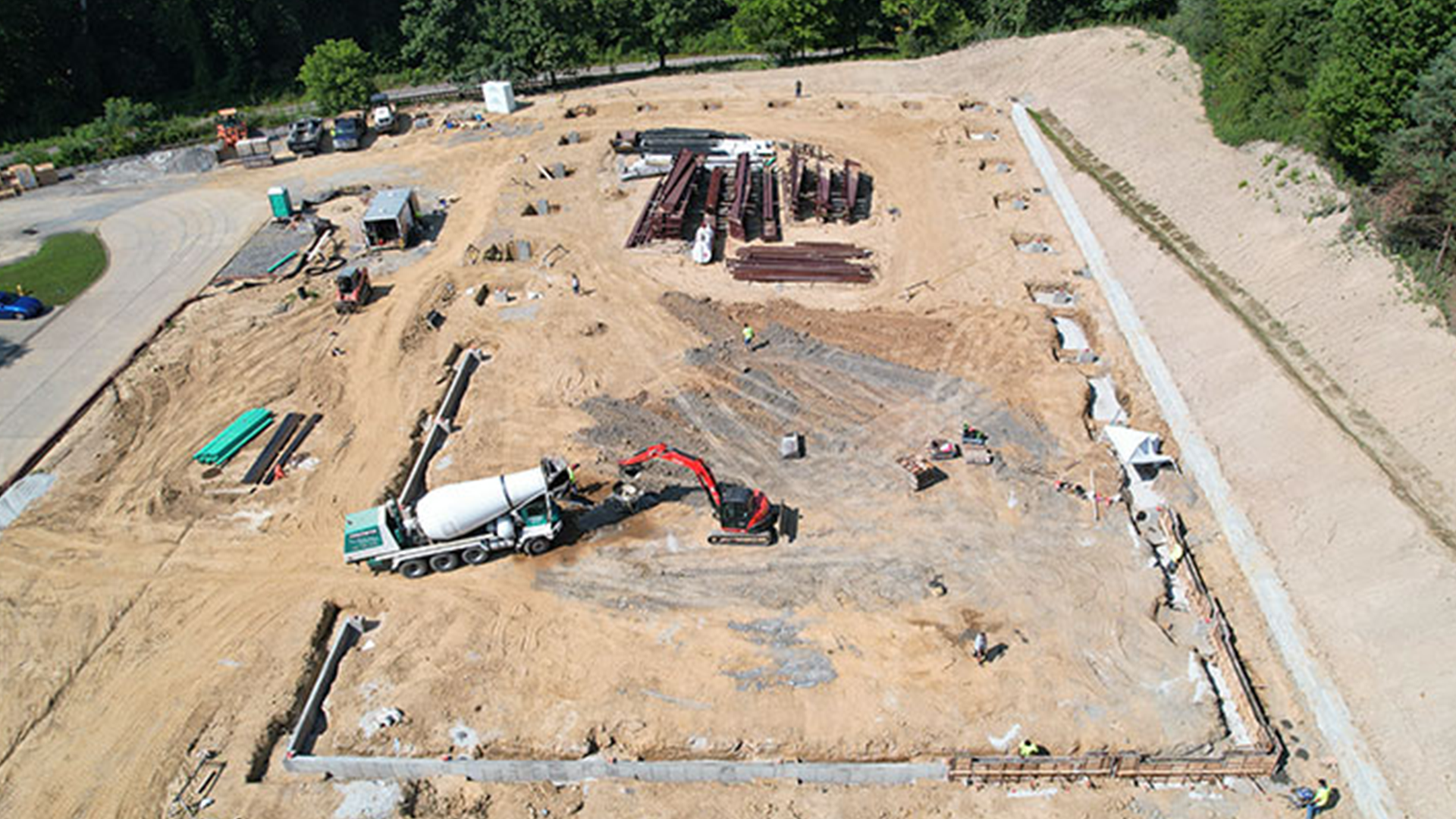
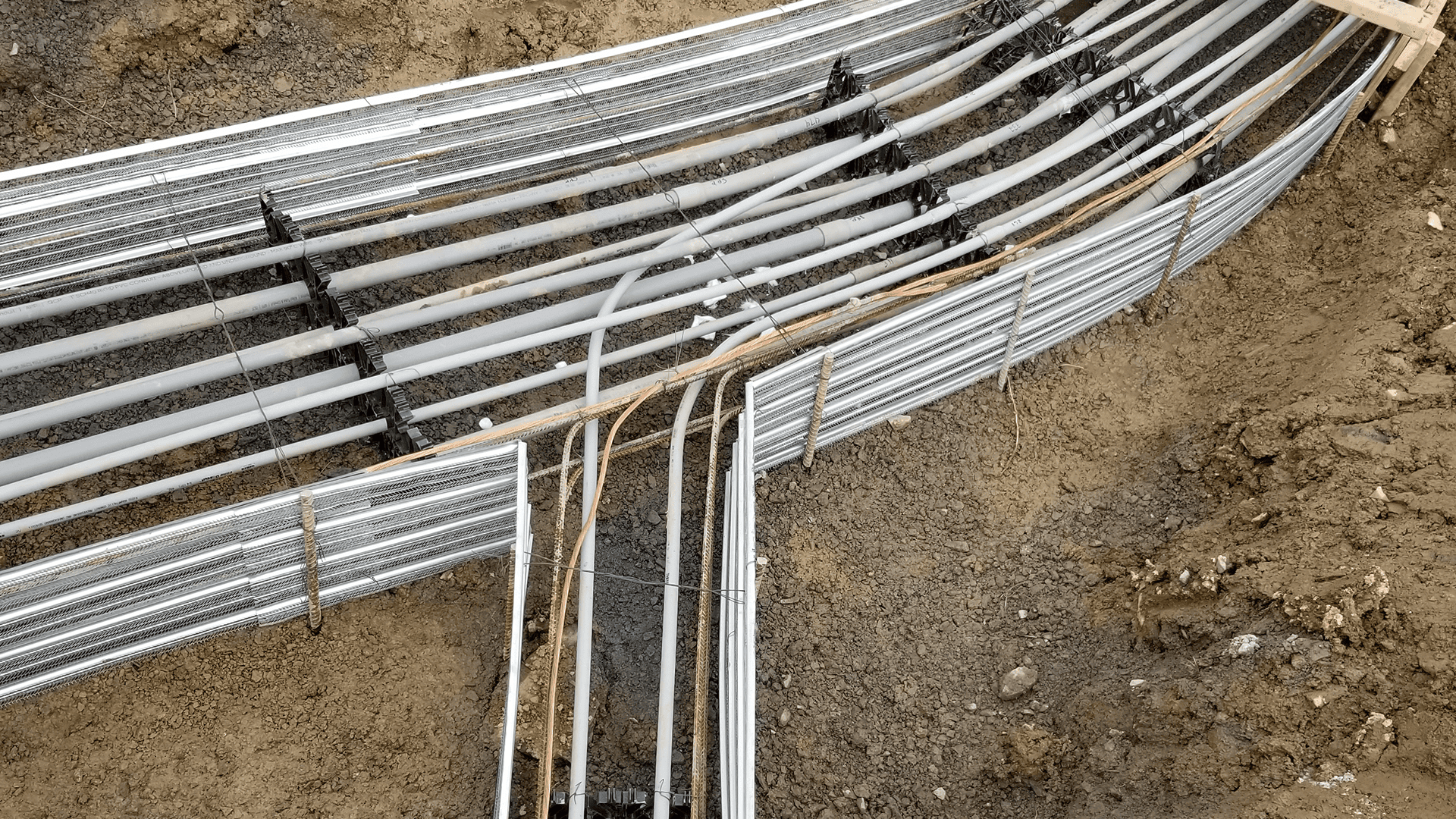
The station layout must account for meter runs, aboveground piping, equipment access, cranes or lifting equipment, emergency response, drainage, snow management, security, grounding, utilities, and future expansion. Early site development and grading helps connect the building footprint to these operational needs.
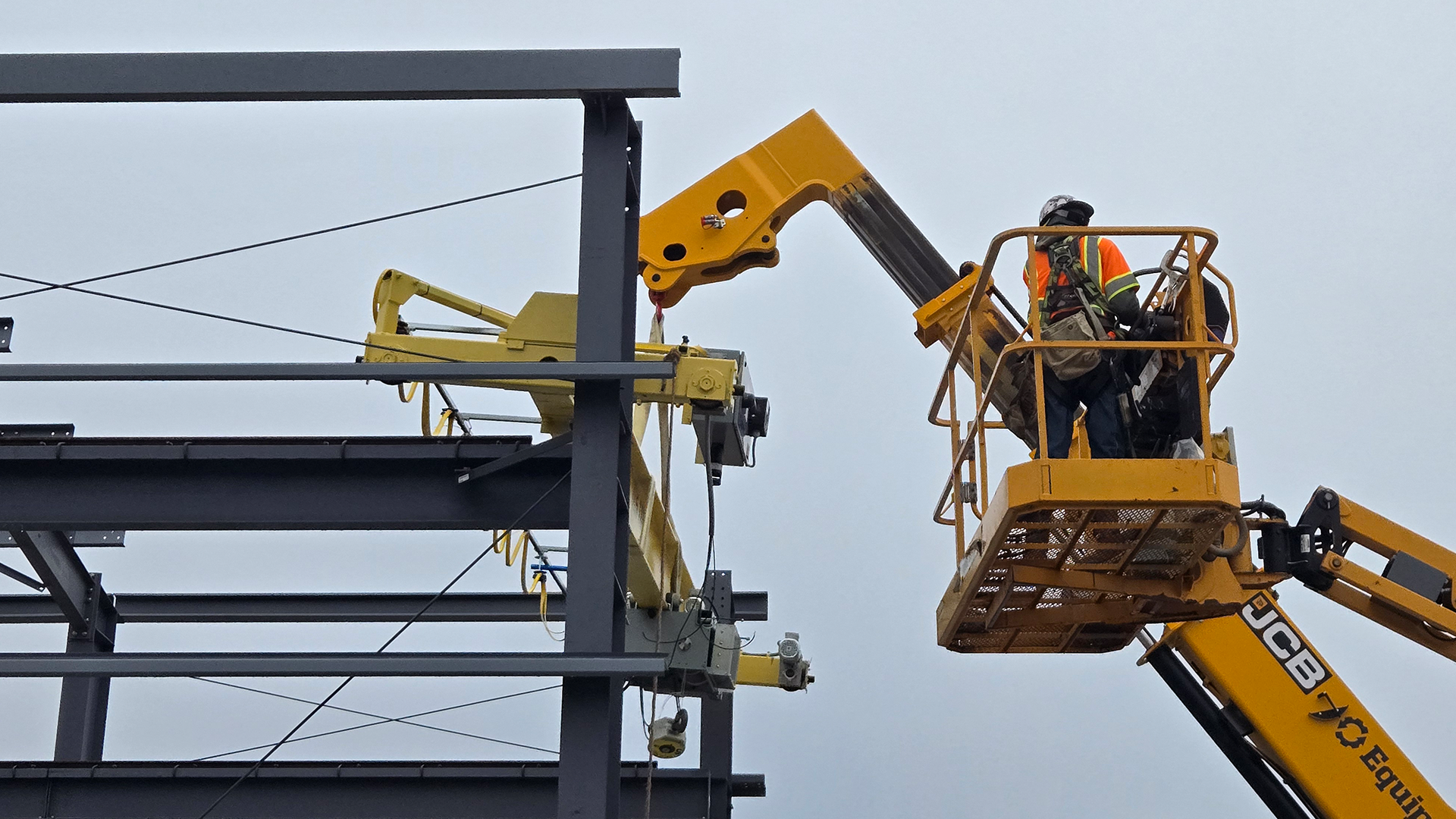
Red Direct’s construction capabilities extend from foundations and steel erection through utilities, mechanical systems, electrical work, and interior build-out.
Regulatory Standards and Compliance
No single standard governs every metering facility. Requirements depend on whether the system transports natural gas, crude oil, refined products, natural-gas liquids, or another commodity; whether the measurement is used for custody transfer or operations; and which jurisdiction, tariff, contract, and operator specifications apply.
API Measurement Standards
The American Petroleum Institute’s Manual of Petroleum Measurement Standards addresses petroleum measurement topics including metering assemblies, calculations, proving, sampling, temperature determination, quality, allocation, and custody-transfer applications. The applicable MPMS chapters must be selected for the specific commodity and system.
API Recommended Practice 571 addresses damage mechanisms affecting fixed equipment and is not a general metering-facility design standard.
AGA and Other Natural-Gas Measurement Standards
Natural-gas projects may reference American Gas Association reports and other consensus standards for specific meter technologies and calculations. Examples include AGA Report No. 3 for orifice measurement and AGA Report No. 9 for multipath ultrasonic measurement. The project team must confirm the required edition and any tariff or operator modifications.
ASME Piping Standards
ASME B31.8 covers gas transmission and distribution piping systems, including gas metering and regulation stations. Other piping or pressure-equipment codes may apply based on the facility and commodity.
Federal, State, and Local Requirements
PHMSA’s federal pipeline-safety rules include 49 CFR Part 192 for regulated natural-gas pipelines and Part 195 for regulated hazardous-liquid pipelines. Those safety regulations are distinct from the commercial measurement rules established through tariffs, contracts, standards, and operating agreements.
Projects may also require building, electrical, mechanical, fire, environmental, zoning, land-development, and occupancy approvals. Red Direct provides permitting support and additional guidance on steel-building permitting and compliance.
Operator and Contract Requirements
Operator specifications, interconnect agreements, tariffs, gas-quality provisions, measurement manuals, and cybersecurity requirements can be as important to the final facility as nationally published standards. The design basis should identify each governing document and resolve conflicts before procurement.
Operational Performance and Financial Accountability
Facility quality supports measurement performance by protecting equipment, maintaining access, organizing systems, and reducing avoidable environmental exposure. It does not independently establish meter accuracy.
Reliable measurement depends on:
- Correct meter and analyzer selection
- Proper installation and flow conditions
- Verified pressure, temperature, composition, and calculation inputs
- Appropriate calibration, diagnostics, proving, or verification
- Controlled configuration and calculation methods
- Preventive maintenance and inspection
- Secure data transmission, storage, and audit trails
- Timely investigation of alarms, drift, and discrepancies
When these elements are coordinated, operators are better positioned to maintain traceable records, investigate imbalances, limit downtime, and support fair settlement among parties.
Technology and Automation Integration
Modern metering systems can provide more than a periodic flow reading. Connected instruments and analytics may give operators visibility into equipment condition, process changes, communications health, and measurement anomalies.
Potential capabilities include:
- Near-real-time measurement and remote data transmission
- Automated diagnostics and validation checks
- Remote monitoring of pressure, temperature, flow, and gas quality
- Alarm management for equipment or measurement anomalies
- Trend analysis supporting condition-based maintenance
- Secure access controls and change records
- Backup power or communications for selected critical functions
Steel structures can accommodate this infrastructure through engineered equipment supports, cable routing, environmental control, antennas, electrical systems, and room for future modifications. Related control-room and monitoring requirements appear throughout Red Direct’s guide to natural-gas processing plant buildings.
Selecting a Partner for Metering Facility Development
Developing an effective metering facility requires coordination across pipeline operations, measurement, process design, structural engineering, civil engineering, controls, electrical systems, communications, safety, permitting, fabrication, and construction.
That multidisciplinary scope is why owners should evaluate the complete range of available steel-building and project services, not only the building shell.
Important partner qualifications include:
- Experience with pipeline or midstream facilities
- Understanding of equipment loads, access, clearances, and replacement paths
- Structural, civil, electrical, and mechanical engineering capabilities
- Ability to coordinate hazardous-location and process-safety requirements with qualified professionals
- Experience with site development, foundations, drainage, utilities, and permitting
- Fabrication and construction knowledge appropriate to specialized steel enclosures
- Project controls for schedule, procurement, submittals, inspections, and changes
- References from projects of comparable technical complexity
Red Direct’s project process connects early consultation and site evaluation with design, fabrication, approvals, and development. Its construction-management services support procurement, scheduling, field coordination, inspection, and project oversight.
Protect the Infrastructure Behind the Measurement
Financial accountability in pipeline operations depends on much more than placing a meter in the line. Reliable measurement requires the correct technology, installation, calculations, verification procedures, data controls, maintenance practices, and governing commercial framework.
Purpose-built steel pipeline metering buildings support that system by protecting sensitive components, organizing utilities and communications, controlling access, and providing maintainable working space. The building should be designed around the measurement process—not the other way around.
Red Direct brings steel-building, engineering, permitting, fabrication, and construction experience to specialized energy infrastructure. Owners can explore additional energy-sector steel-building capabilities and completed Red Direct projects.
For additional information about starting a project and Red Direct’s level of involvement, visit the frequently asked questions.