HOW STEEL BUILDINGS SUPPORT MODERN NATURAL GAS PROCESSING FACILITIES
Natural gas infrastructure relies on a network of facilities that move energy from production sites to end users. Within this network, gas processing plants play a critical role by preparing raw natural gas for safe transportation and distribution.
Before natural gas can enter transmission pipelines, it must be processed to remove impurities, separate valuable natural gas liquids, and stabilize the gas so it can move efficiently through the pipeline system. These operations require highly specialized facilities that house complex equipment, processing units, and control systems.
Because of the demanding nature of these operations, gas processing plants must be designed with durable structural systems that can support heavy industrial equipment while protecting sensitive infrastructure from environmental conditions.
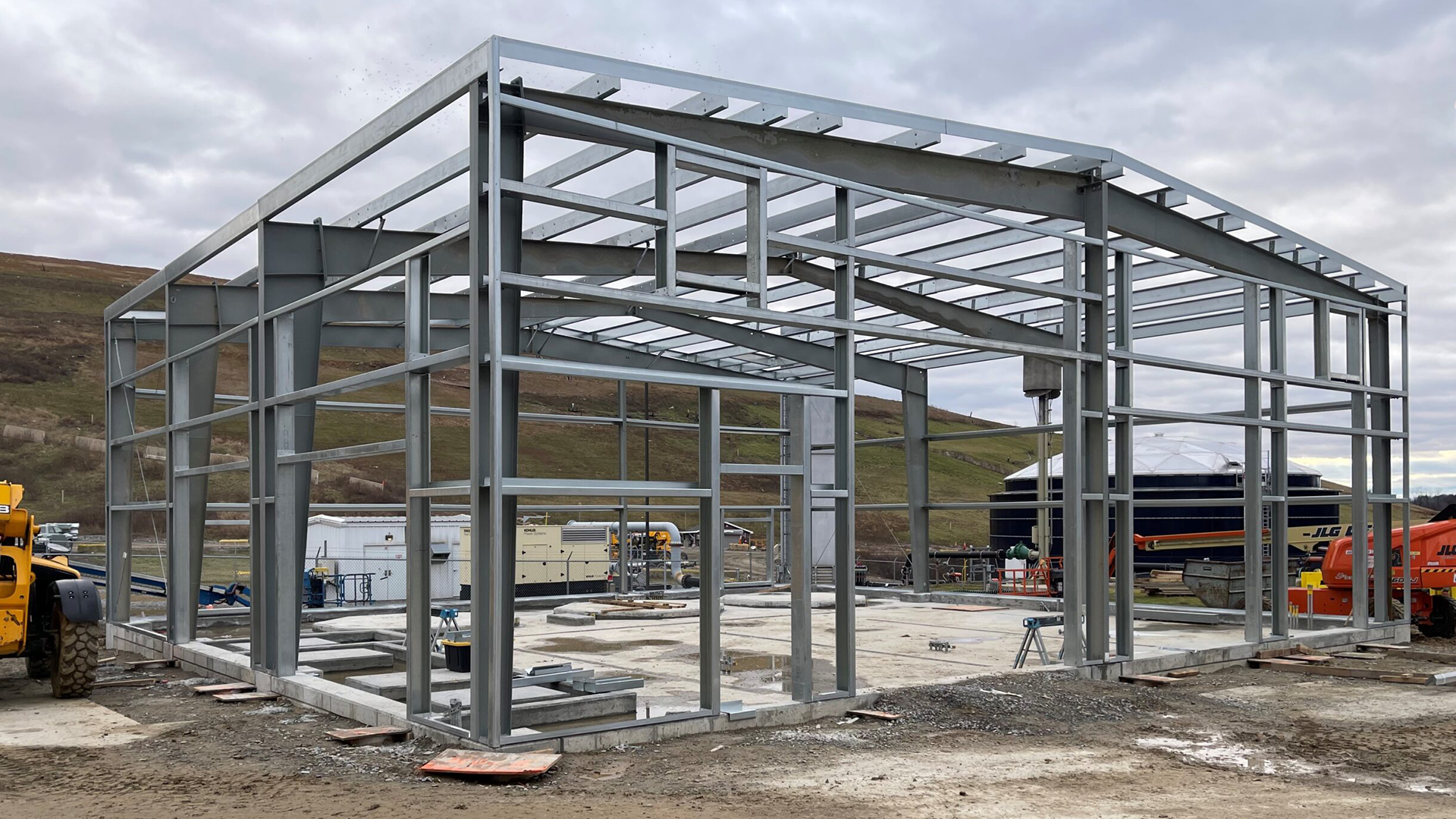
Steel buildings have become an increasingly popular solution for developers constructing midstream infrastructure facilities. Steel gas processing plant buildings provide the strength, scalability, and reliability required to support critical energy infrastructure while allowing operators to expand operations as production volumes increase.
By combining structural durability with flexible design capabilities, steel construction helps support the facilities that keep natural gas flowing safely and efficiently through the energy supply chain.
UNDERSTANDING THE ROLE OF GAS PROCESSING PLANTS IN MIDSTREAM INFRASTRUCTURE
Natural gas extracted from production wells often contains a variety of additional substances that must be removed before the gas can enter the transmission pipeline network. Gas processing plants perform the steps necessary to transform raw gas into pipeline-quality fuel.
These facilities operate as industrial processing environments where large volumes of gas move through treatment systems designed to remove contaminants and separate valuable components.
Key functions performed at natural gas processing plants include:
- removing water vapor and moisture from raw gas
- separating natural gas liquids such as propane and butane
- removing carbon dioxide and hydrogen sulfide
- stabilizing gas pressure and composition
- preparing gas for safe pipeline transport
Because these facilities operate continuously and process large volumes of gas, the buildings housing this equipment must support reliable industrial operations while maintaining strict safety standards.
Steel buildings provide the structural foundation needed to support these complex systems.
CORE INFRASTRUCTURE FOUND IN GAS PROCESSING PLANTS
Gas Separation Units
Separation systems remove impurities and liquids from the natural gas stream. These systems often include separators, scrubbers, and dehydration units that require large structural frames and equipment supports.
Steel buildings provide the structural capacity required to house these units while maintaining safe clearances for equipment operation.
Compression Systems
Compression equipment increases gas pressure so it can move efficiently through pipelines. Compressors are large, powerful machines that generate significant vibration and heat during operation.
Facilities housing these systems must provide structural stability and ventilation to support safe operation.
Steel structures offer the strength required to support compressor installations while allowing engineers to design layouts that accommodate airflow and maintenance access.
Control Rooms and Monitoring Systems
Gas processing plants rely on advanced monitoring systems that track pressure, temperature, and gas composition throughout the facility.
Control rooms house the technology used to manage these systems and ensure safe plant operation.
These rooms must be protected from environmental exposure while providing secure spaces for critical monitoring equipment.
Steel buildings provide durable enclosures that protect sensitive control systems from weather and environmental conditions.
Maintenance and Equipment Storage Areas
Gas processing plants require regular inspection and maintenance to ensure equipment operates safely and efficiently.
Facilities often include dedicated areas for storing replacement components, tools, and maintenance equipment.
Steel buildings allow operators to incorporate storage and maintenance zones within the overall facility layout while maintaining efficient workflow.
KEY DESIGN REQUIREMENTS FOR GAS PROCESSING FACILITIES
Large Interior Clearances
Gas processing equipment often requires significant vertical clearance for installation and maintenance. Steel buildings can be engineered with high ceilings and wide clear spans that allow operators to install large processing systems without structural limitations.
This open interior layout also allows maintenance teams to access equipment safely when repairs or upgrades are needed.
Structural Strength for Heavy Equipment
Processing equipment, compressors, and piping systems can place significant loads on the building structure. Steel framing systems provide the strength required to support these loads while maintaining long-term structural stability.
This durability helps ensure that facilities remain operational over long service lifespans.
Ventilation and Safety Systems
Industrial processing environments must incorporate ventilation systems that maintain safe operating conditions for both equipment and personnel.
Buildings housing gas processing equipment must allow airflow that helps manage heat while preventing the buildup of hazardous gas concentrations.
Steel building systems allow engineers to incorporate ventilation solutions that support safe plant operations.
WHY STEEL BUILDINGS ARE WELL SUITED FOR MIDSTREAM ENERGY INFRASTRUCTURE
Durability in Industrial Environments
Gas processing plants operate in demanding environments where equipment must remain protected from weather exposure, temperature fluctuations, and industrial wear.
Steel buildings provide durable structural systems capable of withstanding these conditions while maintaining long-term reliability.
This durability reduces the need for frequent structural repairs and helps facilities maintain stable operations.
Flexibility for Equipment Layouts
Processing plants contain complex piping systems, treatment units, and monitoring equipment that must be arranged efficiently to support plant workflows.
Steel construction allows engineers to design flexible interior layouts that accommodate evolving processing systems.
This flexibility allows operators to adapt facilities as infrastructure needs change.
Scalability for Infrastructure Expansion
Natural gas production levels can fluctuate as energy demand changes. Processing facilities must often expand to handle increased production volumes or upgraded treatment technologies.
Steel buildings can be designed with expansion capabilities that allow operators to extend processing areas or add new infrastructure components.
This scalability helps energy companies invest in facilities that support long-term growth.
SUPPORTING THE FUTURE OF NATURAL GAS INFRASTRUCTURE
Natural gas remains an important part of the global energy mix, supporting electricity generation, industrial operations, and residential energy needs.
As energy demand evolves, midstream infrastructure will continue expanding to support the transportation and processing of natural gas resources.
Gas processing plants represent a critical part of this infrastructure network.
Facilities that house processing equipment must be built with durability, safety, and operational efficiency in mind.
Steel construction provides a reliable solution for these facilities by combining structural strength with flexible design capabilities.
Steel gas processing plant buildings help protect critical infrastructure while supporting the systems that deliver natural gas safely and efficiently.