Build Strong Through Winter with Cold-Weather Steel Buildings
When winter weather sets in, construction challenges ramp up. Snow, ice, wind, and freezing temperatures can derail timelines and increase costs—unless you’re working with steel. Steel buildings are uniquely suited for cold-weather construction, offering speed, strength, and durability that traditional materials struggle to match.
In this guide, we’ll explore how steel buildings outperform other construction methods in harsh climates and how they’re designed to stand strong in the face of extreme weather.
Why Steel Is Ideal for Cold-Weather Construction
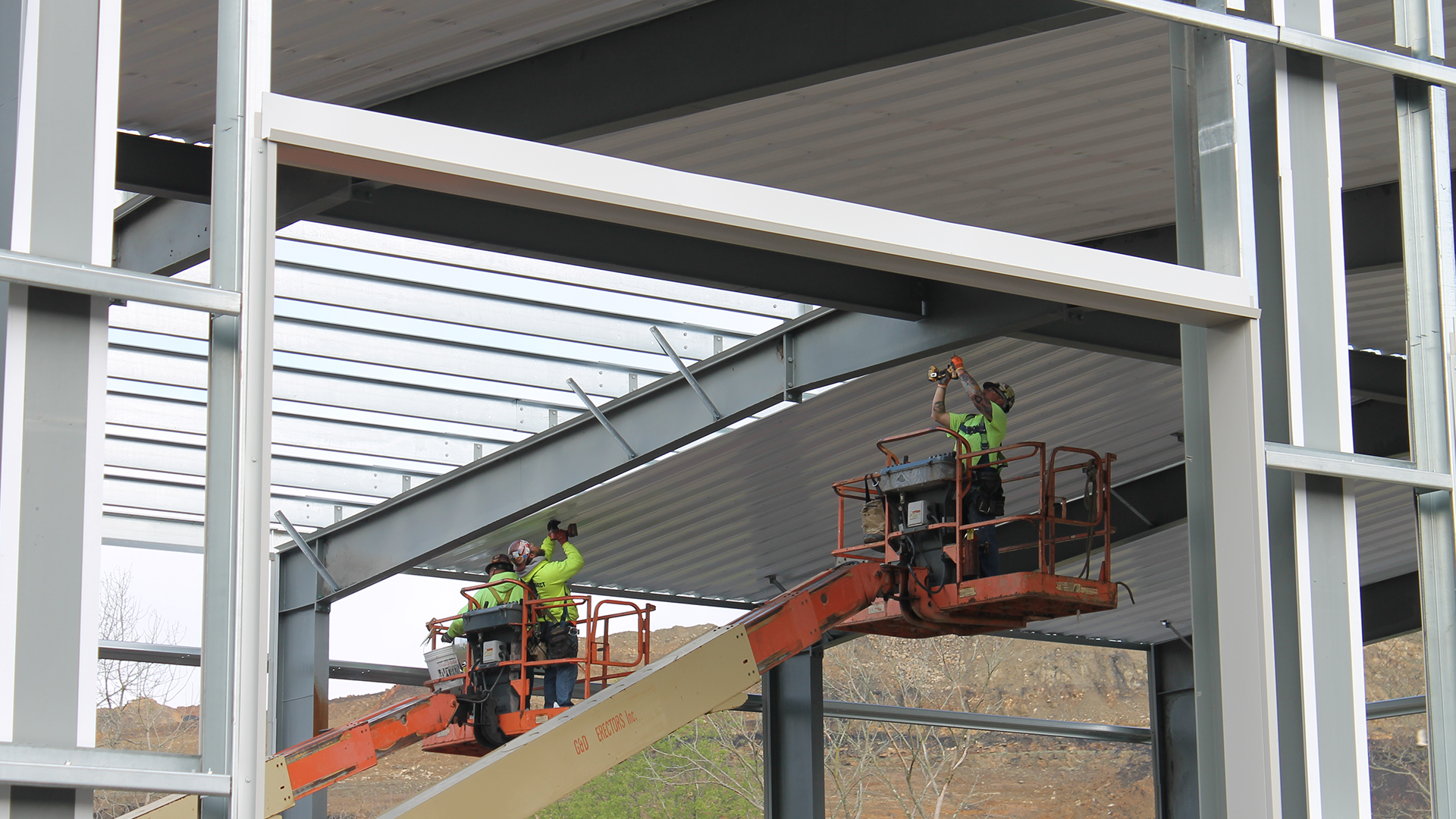
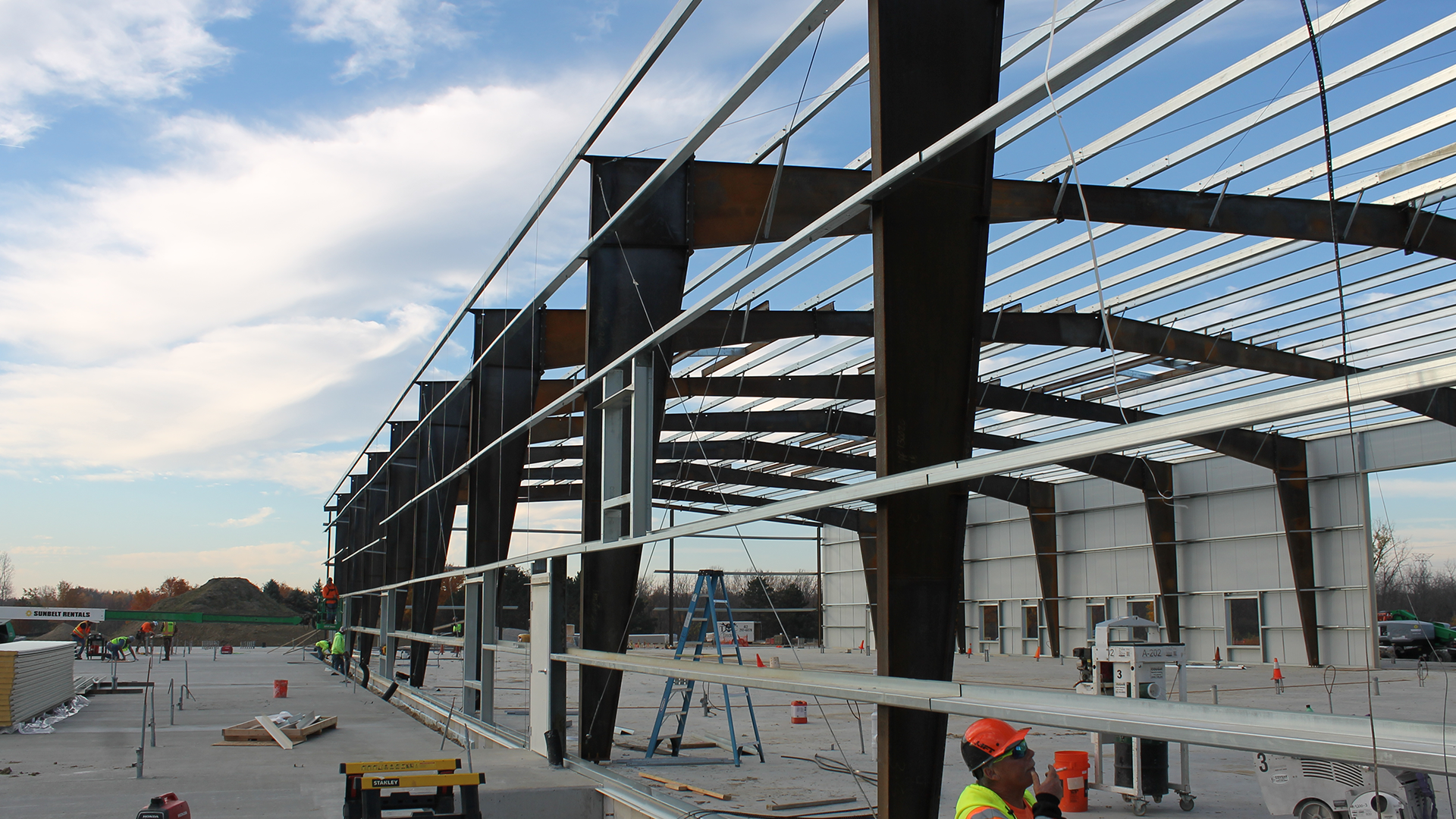
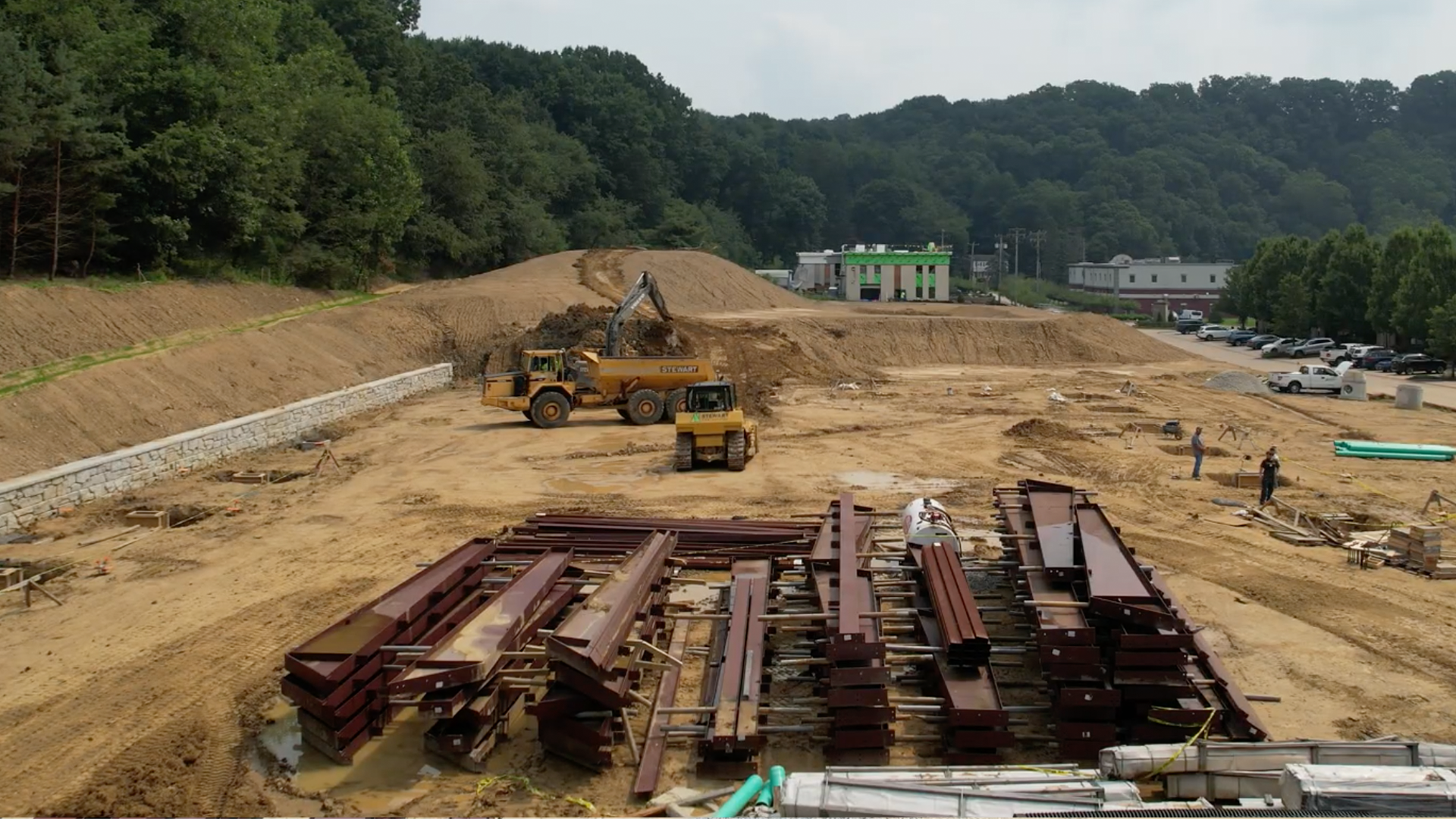
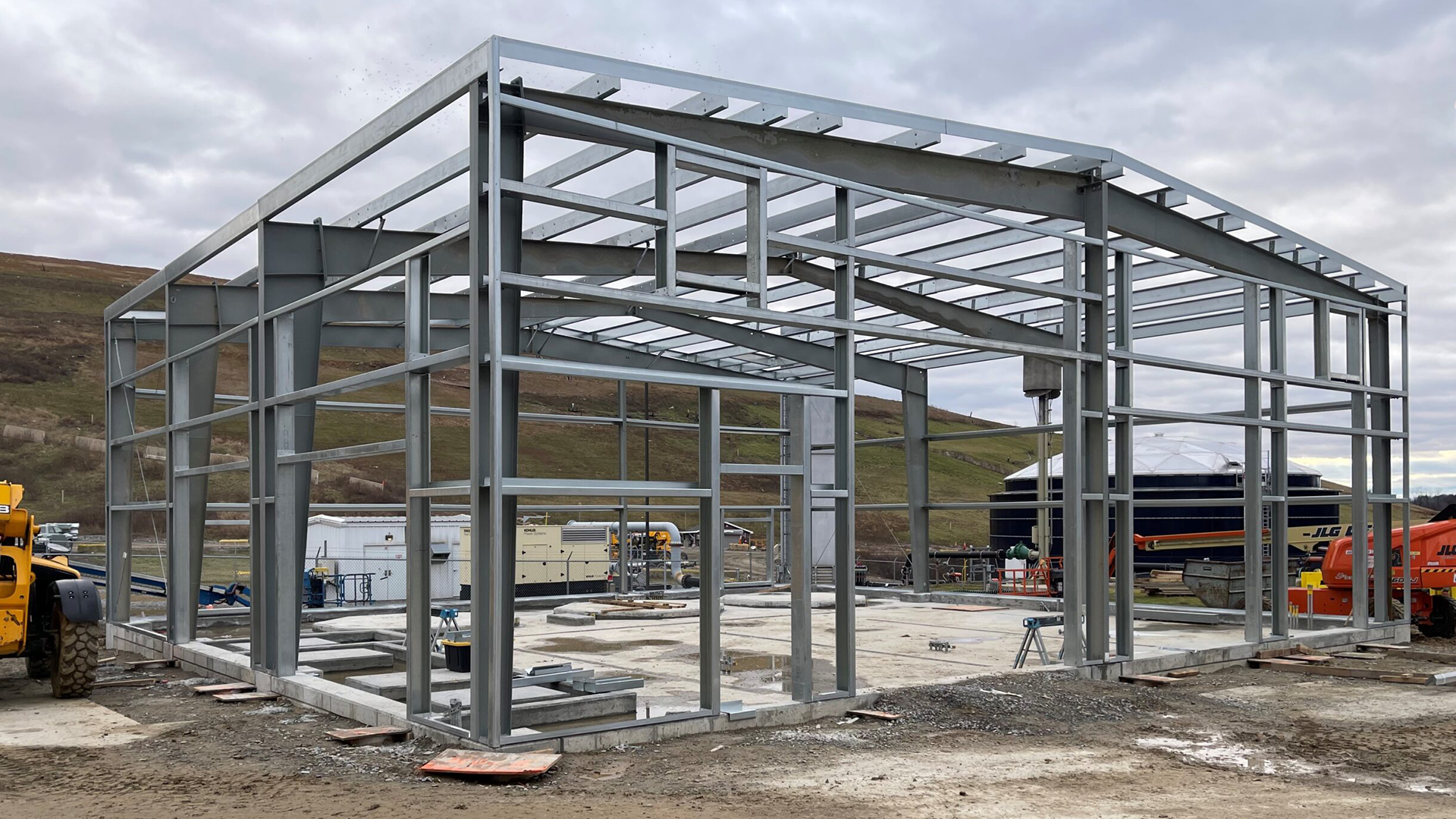
Steel buildings are pre-engineered, which means most of the components are manufactured off-site and assembled quickly once delivered. That offers a major advantage when weather windows are short and unpredictable.
Benefits include:
- Faster construction timelines with fewer weather delays
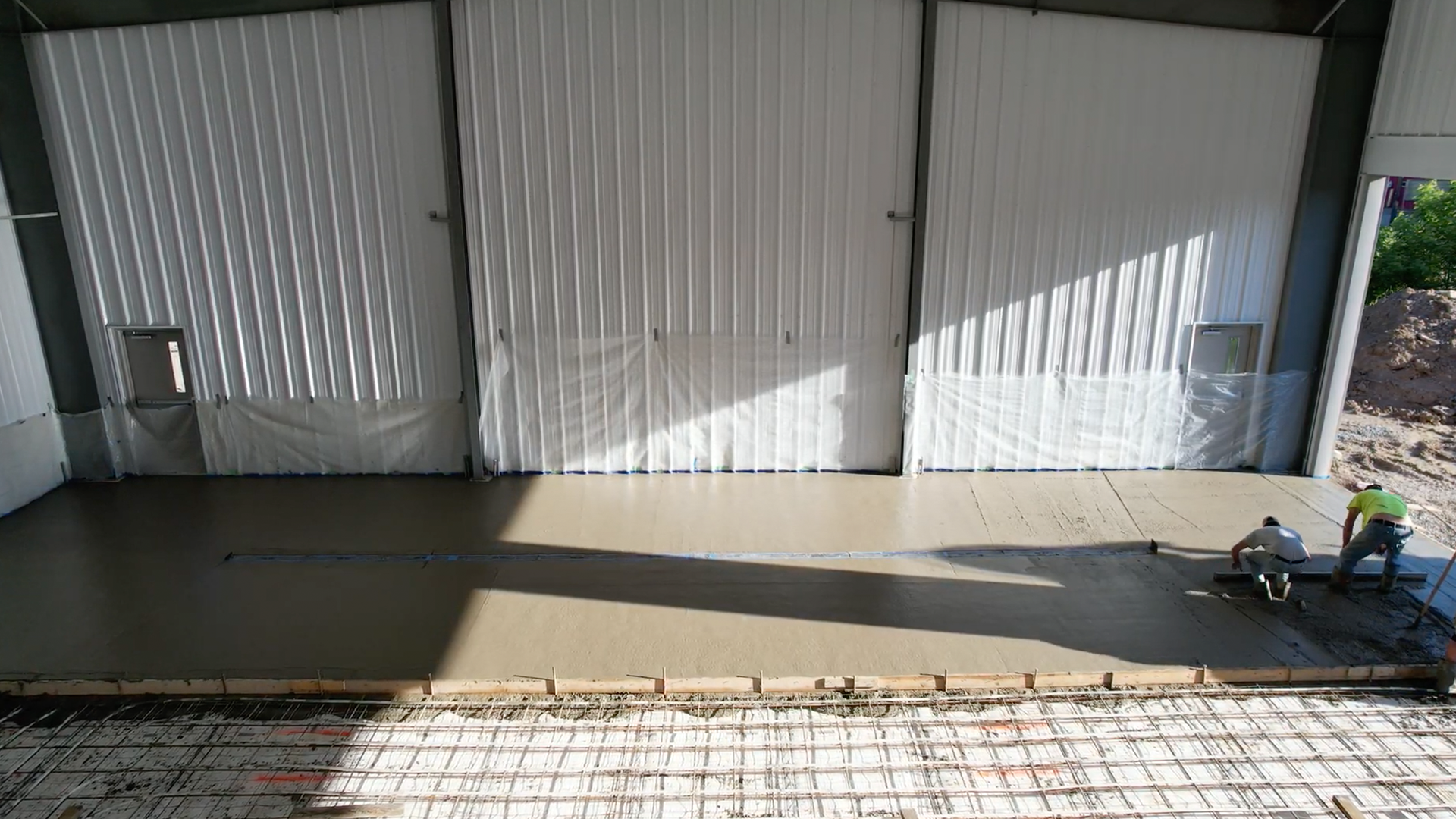
- Reduced need for wet materials like concrete that are sensitive to temperature
- Precision fabrication for tight-fitting, weather-resistant components
- Lower labor costs due to quicker assembly
In short, steel keeps your project moving—even when the forecast doesn’t cooperate.
Built to Withstand the Cold: Design Features That Matter
Pre-engineered metal buildings (PEMBs) are designed to handle climate-specific needs. In cold regions, these design elements make all the difference:
- Snow Load Engineering: Roof structures are calculated to withstand heavy snowfall.
- Thermal Breaks: Prevent heat transfer through steel.
- Insulated Panels: High R-value systems help retain warmth.
- Sloped Roofs: Encourage snow and ice to slide off.
- Weather-Sealed Doors & Windows: Keep drafts and moisture out.
These smart features make steel buildings a go-to solution for places like the Midwest, Northeast, Canada, and other cold-weather zones.
Construction Scheduling Advantages in Cold Climates
Traditional construction often shuts down during winter due to temperature-sensitive materials and slow labor. Steel construction stays on track.
Here’s why:
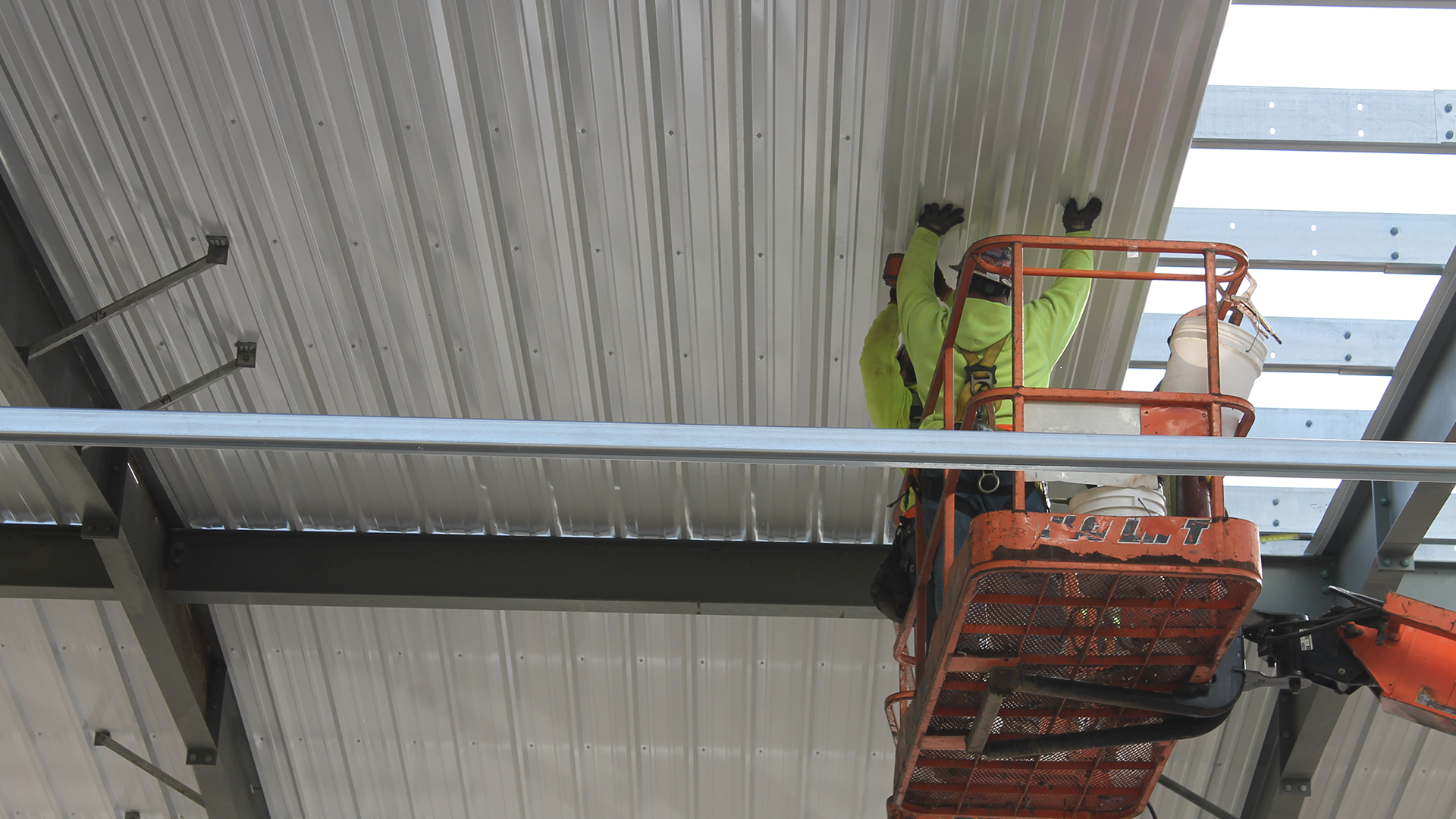
- Pre-fabricated components reduce on-site work
- No curing time like concrete or masonry
- Bolt-up systems perform well in cold temps
- Limited weather exposure for internal components during assembly
Common Cold-Climate Steel Building Applications
- Vehicle and equipment storage
- Agricultural buildings
- Warehouses & distribution centers
- Public works facilities
- Manufacturing centers
- Schools & community buildings
Energy Efficiency in the Winter Months
Energy-saving features include:
- Insulated metal panels with vapor barriers
- Thermal insulation in roof and wall systems
- Energy-efficient windows and skylights
- HVAC-compatible framing
Tips for Cold-Weather Steel Building Maintenance
- Inspect snow/ice buildup after storms
- Check seals around doors and windows
- Clear gutters and drainage systems
- Keep HVAC vents unobstructed
Cold Climate Success Stories
Examples include:
- Fleet garages in Minnesota
- Logistics centers in upstate New York
- Snow storage sheds in Colorado
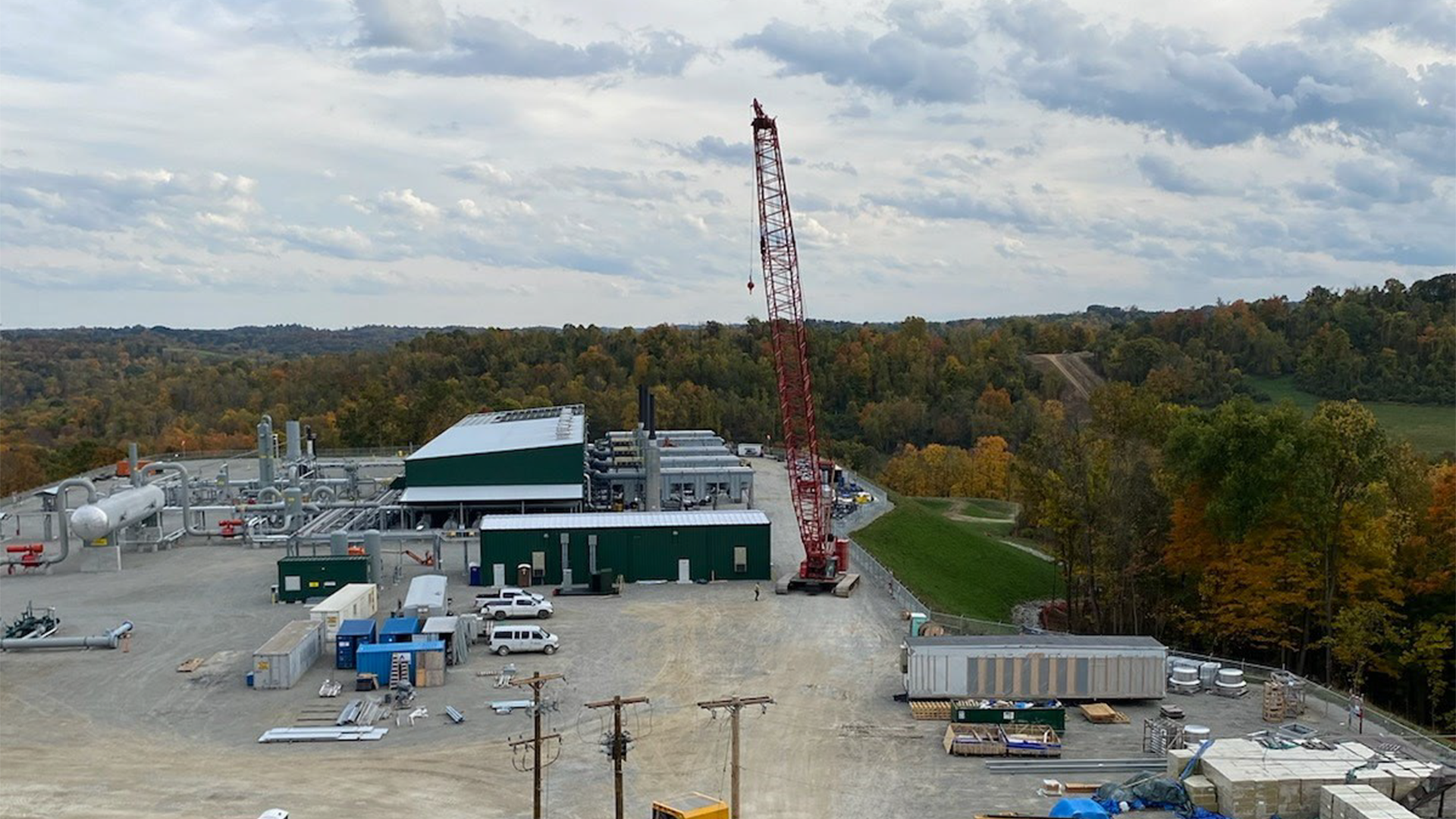
- Utility service buildings in Pennsylvania
Steel That Stands Up to Winter
Steel buildings aren’t just durable—they’re strategic. For developers and property owners in cold climates, they offer a clear path to success with faster builds, better efficiency, and structures built to last.