Separating Today’s Capabilities From Tomorrow’s Possibilities
Steel infrastructure is changing through better information, more connected manufacturing, evolving materials, lower-carbon production strategies, and new ways to monitor buildings after construction. Some advances—such as building information modeling, computer-controlled fabrication, prefabricated components, sensors, and environmental product declarations—are already used on real projects. Others, including generative artificial intelligence, large-scale metal additive manufacturing, self-healing coatings, hydrogen-based primary steelmaking, and highly autonomous jobsites, remain at different stages of development and adoption.
Understanding that difference matters. An emerging technology can create value when it solves a defined project problem, operates within applicable standards, and is supported by qualified people. The same technology can introduce risk when marketing moves faster than validation, governance, training, or code acceptance. Red Direct’s overview of innovations advancing steel building performance shows how modern tools can strengthen established construction fundamentals without replacing them.
This guide examines steel construction future trends through a practical lens: what is established, what is expanding, what is still emerging, and what owners should evaluate before bringing a new method into an infrastructure project.
What Is Driving Change in Steel Construction?
Innovation is not moving at one uniform speed across the industry. Adoption varies by company, region, project type, regulatory environment, investment capacity, workforce, and supply chain. Still, several forces are influencing how steel buildings are designed, fabricated, delivered, and operated.
- Digital coordination: Project teams are connecting models, drawings, fabrication data, schedules, field records, and closeout information more deliberately.
- Labor and skill availability: Companies are using mechanization, prefabrication, and automation to supplement skilled workers and reduce repetitive or hazardous tasks.
- Environmental performance: Owners increasingly request product disclosures, embodied-carbon information, energy-efficient buildings, adaptable designs, and waste-reduction strategies.
- Supply-chain pressure: Material availability, lead times, price volatility, logistics, and traceability are encouraging earlier procurement decisions and better data.
- Operational complexity: Modern facilities often require denser electrical, mechanical, data, process, and equipment systems within the same structural envelope.
- Risk management: Cybersecurity, quality control, safety, data governance, regulatory review, and responsibility for automated outputs are becoming part of technology selection.
These forces are not making sound engineering or experienced construction obsolete. They are increasing the need for disciplined coordination. Red Direct’s earlier discussion of innovation in modern metal buildings provides additional context for how clear spans, coatings, energy systems, and off-site fabrication are already influencing project decisions.
Emerging Steel Materials and Protection Systems
Higher-Strength and Application-Specific Steels
New and refined steel grades can provide combinations of strength, toughness, weldability, corrosion performance, and temperature resistance for specific applications. Higher strength may allow engineers to reduce member weight when strength controls the design, but it does not automatically produce a lighter, less expensive, or lower-carbon building.
Serviceability, stability, connection behavior, fatigue, fire protection, vibration, availability, fabrication, erection, and foundation reactions can govern the completed system. Material selection must also be coordinated with qualified welding procedures, inspection requirements, and the expected operating environment. Early structural and building-systems engineering helps teams evaluate the complete assembly rather than selecting steel by yield strength alone.
Advanced Coatings and Corrosion Management
Coating manufacturers continue developing systems intended to improve application efficiency, environmental performance, corrosion resistance, or service life. Lower-emitting products, improved surface preparation, automated coating lines, metallizing, galvanizing, and exposure-specific systems can all contribute when properly selected and installed.
Claims about a universal 15- or 20-year coating life are not reliable without a defined product, surface preparation, dry-film thickness, environment, inspection program, and maintenance plan. Even advanced coatings can fail at damaged areas, edges, connections, drainage traps, or incompatible interfaces. Red Direct’s guidance on maintaining steel buildings explains why inspection and timely repairs remain necessary.
Self-healing, nano-engineered, and sensor-enabled coatings are active areas of research and specialized commercialization, but readiness varies. Owners should request tested performance data, approved specifications, installer requirements, repair procedures, and evidence from comparable exposure conditions before adopting an unfamiliar system.
Efficient Design Instead of Material Hype
The near-term opportunity is not a single “super material.” It is more accurate design information and better system optimization. Engineers can coordinate member sizes, bay spacing, bracing, foundations, equipment loads, serviceability, and future requirements to avoid unnecessary material while maintaining safety and performance. These are among the practical benefits of engineered steel building systems.
BIM Is Becoming a Connected Project Environment
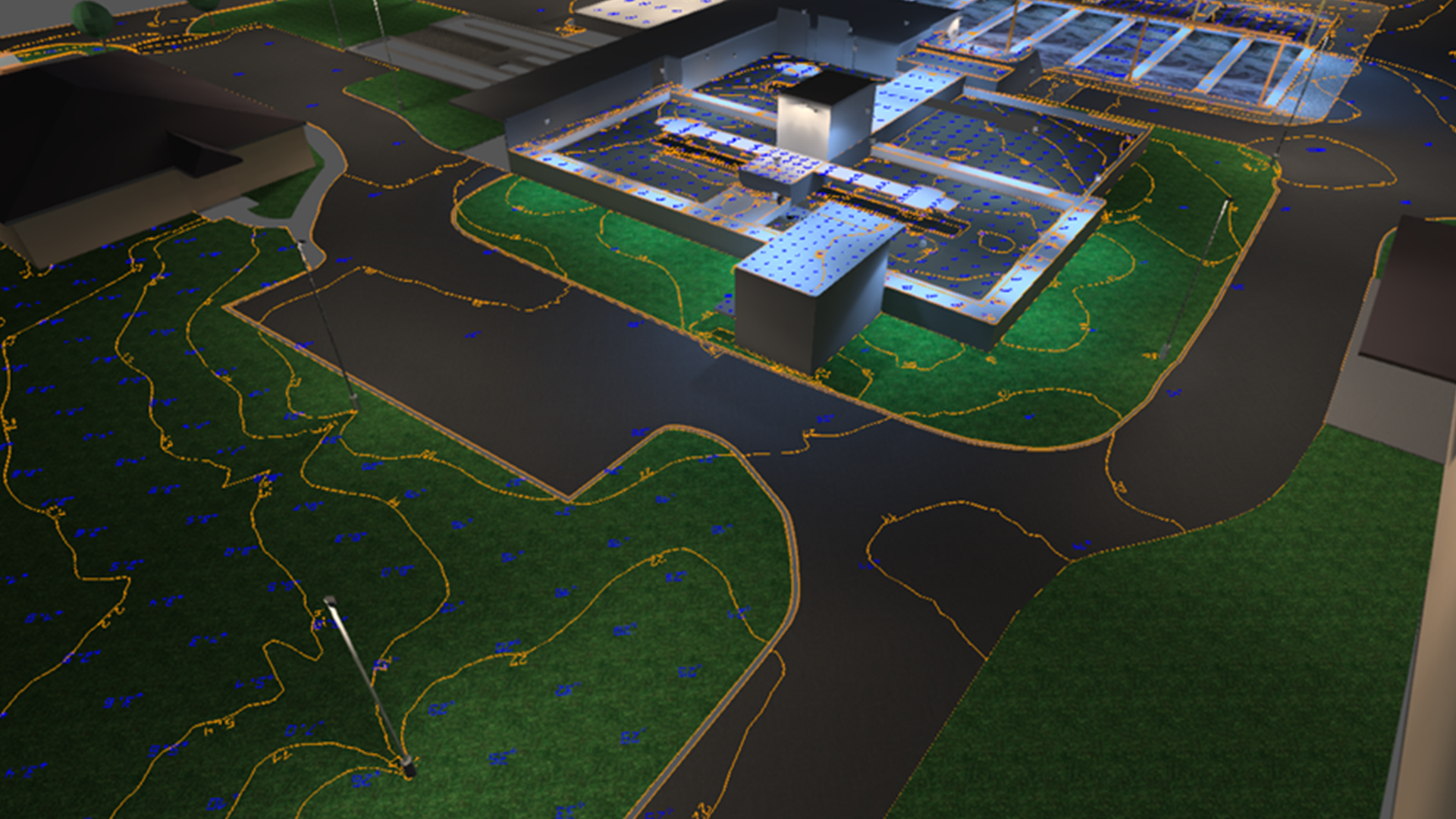
Building information modeling is already an established part of many steel projects. Its continuing evolution is less about replacing drawings with three-dimensional graphics and more about connecting reliable information across design, review, fabrication, construction, and facility turnover.
Current and expanding BIM uses include:
- Three-dimensional coordination among structural, architectural, mechanical, electrical, plumbing, fire-protection, and specialty systems
- Model-based review of clearances, openings, equipment access, and construction sequencing
- Clash detection before affected systems are fabricated or installed
- Quantity takeoffs tied to controlled model information
- Fabrication detailing and transfer of approved data to compatible machinery
- Schedule visualization when model elements are linked to construction activities
- Turnover information that may support facility operations when requirements are defined early
BIM does not automatically resolve conflicts or establish contractual responsibility. Teams must define model uses, levels of development, exchange formats, review responsibilities, approved sources of information, version control, and the distinction between design intent and fabrication detail. Red Direct’s project-development process illustrates why coordinated decisions must progress from the site and operational program through engineering, approvals, fabrication, and construction.
Open Data and Interoperability
As project information moves among more software platforms, interoperability becomes increasingly important. Open data standards may help teams exchange information without relying entirely on one proprietary application. They do not eliminate data loss, translation errors, or differing modeling practices, so each exchange still requires validation.
Long-term data access matters as well. A facility owner may need information years after the original software version or project team has changed. Useful turnover data should be accurate, appropriately structured, secure, and tied to a defined operating purpose rather than delivered simply because the technology can produce it.
Artificial Intelligence Will Assist Decisions—With Human Oversight
Artificial intelligence is being explored for option generation, document search, model review, estimating, scheduling, image analysis, progress reporting, risk identification, procurement support, and operational analytics. Machine learning can help identify patterns in large datasets, while generative systems can produce text, images, code, or design alternatives.
These tools can accelerate selected tasks, but they do not independently establish that a building is safe, code-compliant, constructible, cost-effective, or suitable for its use. AI outputs can be inaccurate, incomplete, biased, based on outdated information, or difficult to explain. Confidential project data, cybersecurity, intellectual property, professional licensure, recordkeeping, and accountability also require clear governance.
Responsible use includes:
- Defining which tasks AI may support and which require direct professional control
- Verifying outputs against approved project requirements and authoritative sources
- Protecting confidential owner, employee, and supplier information
- Recording material assumptions and decisions when AI influences project work
- Monitoring systems for errors, drift, or inappropriate recommendations
- Keeping qualified engineers, architects, estimators, managers, and tradespeople responsible for final decisions
The most credible future is human-AI collaboration, not unreviewed automated design. Red Direct’s approach to steel building project management demonstrates why current information, controlled decisions, and clearly assigned responsibilities remain central even as tools evolve.
Design-to-Fabrication Workflows Will Become More Connected
Structural steel is well suited to digital manufacturing because approved dimensions, holes, cuts, marks, and part identifiers can be transferred to compatible CNC equipment. Connected workflows can reduce repeated manual entry and support traceability, but they can also reproduce a bad input with exceptional consistency.
Reliable digital fabrication still requires:
- Approved drawings and controlled revisions
- Verified material identification
- Correct machine programming and tooling
- Calibration and maintenance
- First-piece and in-process inspection
- Qualified welding procedures and personnel
- Documented resolution of nonconforming work
Digital travelers, barcodes, scanners, photographs, inspection records, and material certificates can make production status more visible. Their value depends on accurate data entry and procedures that connect the record to the physical component. Red Direct’s steel fabrication capabilities connect engineered project requirements with controlled shop production.
Robotics and Automation Will Expand Selectively
Robots already perform welding, cutting, drilling, material handling, painting, and other repeatable tasks in controlled manufacturing settings. Collaborative robots and sensor-guided systems may expand the range of work performed alongside people, while machine vision and adaptive controls may help equipment respond to variation.
Automation is most effective when the work is repetitive, measurable, accessible, and supported by consistent inputs. One-off components, variable fit-up, congested jobsites, weather, changing access, and complex field conditions can limit automation. A robot does not eliminate the need for skilled programming, setup, maintenance, inspection, troubleshooting, and quality control.
Robotics also introduce hazards. Risk assessments must address the complete application, including the robot, end effector, workpiece, controls, nearby equipment, safeguarding, human interaction, programming, maintenance, and emergency conditions. Many incidents occur during non-routine work such as setup, testing, adjustment, or repair. Red Direct’s safety commitment reflects the importance of integrating new equipment with qualified people, procedures, and appropriate controls.
Why “Lights-Out” Fabrication Is Not a Universal Near-Term Outcome
Highly automated cells can operate with limited attendance for defined production periods, but a fully autonomous steel fabrication plant is not the same as one machine running unattended. Material receipt, setup, fit-up, consumables, inspection, maintenance, exception handling, logistics, and safety still require human involvement. Adoption will depend on production volume, component variation, investment, workforce capability, system integration, and the cost of downtime.
Metal Additive Manufacturing Will Serve Targeted Applications
Metal additive manufacturing builds components layer by layer from a digital model. It can create complex geometries, consolidate parts, produce prototypes, repair selected components, and make specialized low-volume items that may be difficult to manufacture conventionally.
That does not mean entire structural steel buildings will soon be printed economically. Metal additive manufacturing still faces challenges involving deposition rate, component size, feedstock, energy use, residual stress, distortion, surface finish, repeatability, inspection, material qualification, design standards, and cost. Critical structural applications require confidence in process-property-performance relationships and reliable methods for qualification.
Additive processes are not automatically zero-waste. Support structures, failed builds, machining allowances, powder or wire handling, shielding gas, post-processing, heat treatment, and quality testing all influence resource use. Near-term construction applications are more likely to involve specialty nodes, connection components, tooling, replacement parts, repair, or hybrid manufacturing than wholesale replacement of rolling and conventional fabrication.
Prefabrication and Modular Construction Will Keep Advancing
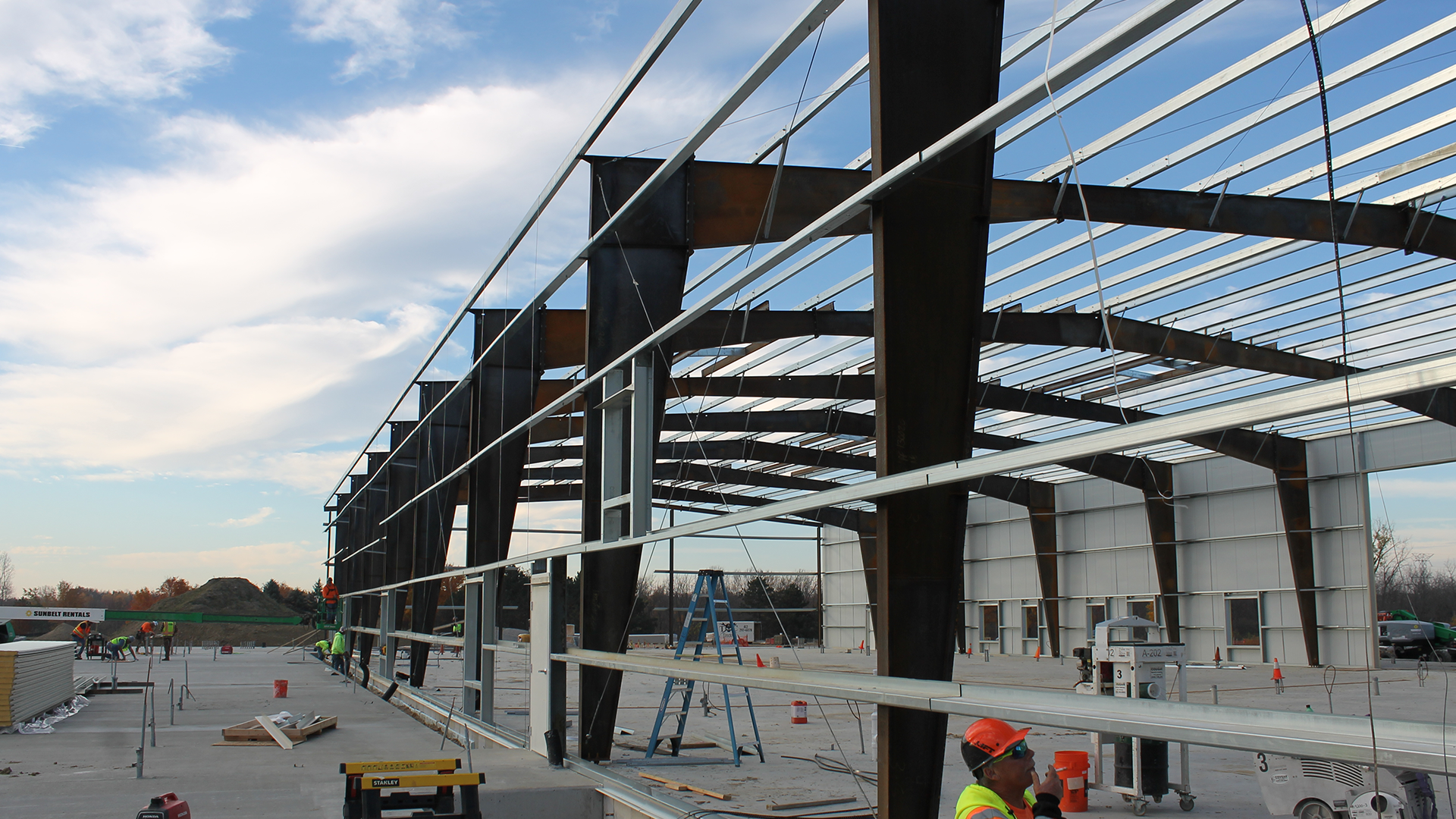
Off-site fabrication is already fundamental to structural steel construction. The emerging opportunity is to increase the level of assembly completed before delivery: panelized walls and roofs, equipment skids, utility racks, stairs, platforms, service assemblies, or volumetric modules may arrive with more systems already integrated.
Potential advantages include controlled work conditions, repeatability, reduced field processing, parallel site and factory activity, and fewer trades working in the same area. Results are project-specific. Transportation dimensions, lifting, temporary loads, tolerances, weather protection, fire and acoustic separation, utility connections, site readiness, and inspection responsibilities must all be coordinated.
Red Direct’s guide to modular steel building additions examines how off-site methods may support facility growth while managing operational disruption. A pre-engineered metal building can also support efficient design and assembly when the building criteria and interfaces are defined before manufacturing begins.
Design for Assembly, Expansion, and Disassembly
Repeatable bays, accessible fasteners, coordinated lifting points, documented connections, and planned installation sequences can simplify assembly. The same thinking may preserve options for future additions, relocation, component recovery, or reuse. Any later change still requires evaluation of loads, stability, connections, foundations, enclosure performance, and applicable codes.
Owners can coordinate framed openings, expansion walls, mezzanines, equipment supports, cranes, canopies, insulation, and utility pathways through custom steel-building features rather than treating future readiness as a vague promise.
Smart Buildings and Digital Twins Will Depend on Useful Data
Sensors can measure temperature, humidity, vibration, strain, energy use, equipment status, indoor air conditions, moisture, door activity, and other variables. When those measurements answer a defined operational question, they can support condition-based maintenance, performance verification, energy management, or early investigation of unusual behavior.
A digital twin generally combines a digital representation with information about the physical asset. The term covers a wide range—from a maintained facility model linked to equipment records to a dynamic system receiving sensor data and running predictions. Not every building needs the most complex version.
Successful implementations require:
- A clear use case and responsible owner
- Appropriate sensors and verified measurement quality
- Reliable communications, storage, and integration
- Cybersecurity and access control
- Maintenance and calibration plans
- Thresholds that lead to defined actions
- Long-term data formats and governance
More data does not automatically create better decisions. Poorly located sensors, false alarms, disconnected systems, and unclear responsibilities can create noise rather than insight. The facility team should determine what information will actually change maintenance or operations before specifying technology.
Lower-Carbon Steelmaking Is Advancing Through Multiple Pathways
The steel industry is pursuing emissions reductions through scrap-based electric-arc-furnace production, cleaner electricity, energy efficiency, improved material yield, alternative ironmaking, hydrogen-based direct reduction, carbon capture, and other developing technologies. The appropriate pathway differs by region, facility, raw materials, energy supply, product requirements, and economics.
Hydrogen can reduce emissions from iron-ore reduction when it is produced through a sufficiently low-emission pathway and integrated into an appropriate steelmaking process. Commercial development is progressing, but infrastructure, hydrogen supply, electricity, ore quality, cost, scale, and market demand remain important constraints. Carbon capture and electrolytic ironmaking are also developing rather than universally available solutions.
“Carbon-neutral steel within a decade” should not be treated as a guaranteed industry outcome. Owners can act now by requesting current environmental product declarations, defining procurement criteria, comparing technically equivalent products consistently, reducing unnecessary tonnage, and documenting project results.
Projects pursuing formal sustainability goals should also confirm the current rating-system requirements. Red Direct’s guide to steel buildings and LEED certification explains why certification depends on whole-project performance rather than one material. Its review of sustainable roofing options applies the same lifecycle thinking to the enclosure.
Circular Construction Will Require Better Documentation
Steel can be recovered and recycled repeatedly, and some structural components may be reused. Turning that potential into a more circular system requires design, documentation, access, markets, and reverse logistics.
Material passports are one developing approach. They may record product identity, material properties, source, coatings, connections, environmental documentation, maintenance, and changes over time. Reliable records could make future repair, adaptation, disassembly, reuse, or recycling decisions easier. Their value depends on consistent data standards, accuracy, ownership, cybersecurity, and the ability to keep information accessible for decades.
Zero-waste infrastructure is an aspiration, not a universal near-term result. Prevention should come before diversion: efficient design, accurate ordering, coordinated fabrication, protection from damage, reuse, and repair can reduce waste before recycling is considered.
Site Technology Will Not Replace Site Fundamentals
Drones, laser scanning, photogrammetry, 360-degree imagery, machine control, digital layout, wearable devices, and remote observation can improve visibility into site conditions and progress. These tools may assist with surveys, documentation, quantity verification, roof observation, existing-condition capture, or comparison against approved information.
They do not replace required inspections, licensed professional judgment, or direct verification where the technology cannot establish compliance. Drone use must follow aviation, privacy, owner, and site-safety requirements. Point clouds and photographs also require qualified interpretation.
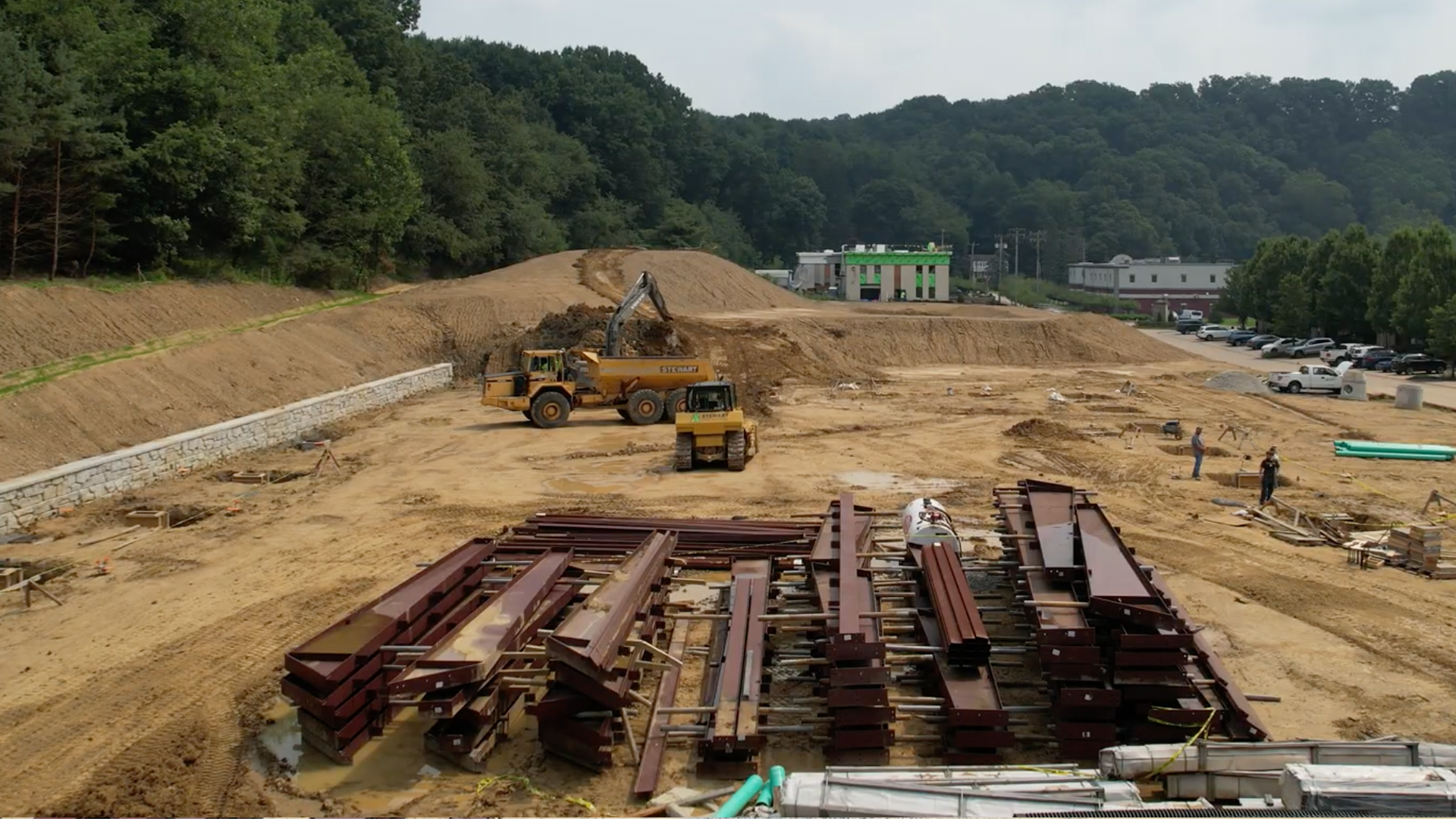
Digital tools are most effective when the physical site has been planned correctly. Geotechnical conditions, grading, access, drainage, utilities, staging, foundations, and environmental constraints still determine whether the building can be delivered successfully. Red Direct’s guidance on site development for steel buildings and industrial stormwater management reinforces those fundamentals.
The Workforce Will Become More Technical, Not Less Important
Digital construction changes tasks and skill requirements, but it does not eliminate the need for experienced people. Engineers must understand analysis assumptions. Detailers and model coordinators must manage geometry and revisions. Fabricators must combine machine operation with material, welding, quality, and maintenance knowledge. Field teams must interpret approved information and recognize when actual conditions differ.
Growing skill areas include:
- BIM, model review, and information management
- CNC equipment, robotics, automation, and machine maintenance
- Data analysis, sensor systems, and digital quality records
- Cybersecurity and responsible AI use
- Environmental product documentation and lifecycle assessment
- Off-site assembly, logistics, and installation planning
- Cross-disciplinary coordination among structures, equipment, utilities, and operations
Training should address both new technology and enduring fundamentals. A worker who understands only the software may miss a field hazard or fabrication constraint; a skilled craftsperson without access to current digital information may work from a superseded condition. Future-ready companies connect both forms of knowledge.
Applying Innovation to Industrial and Energy Infrastructure
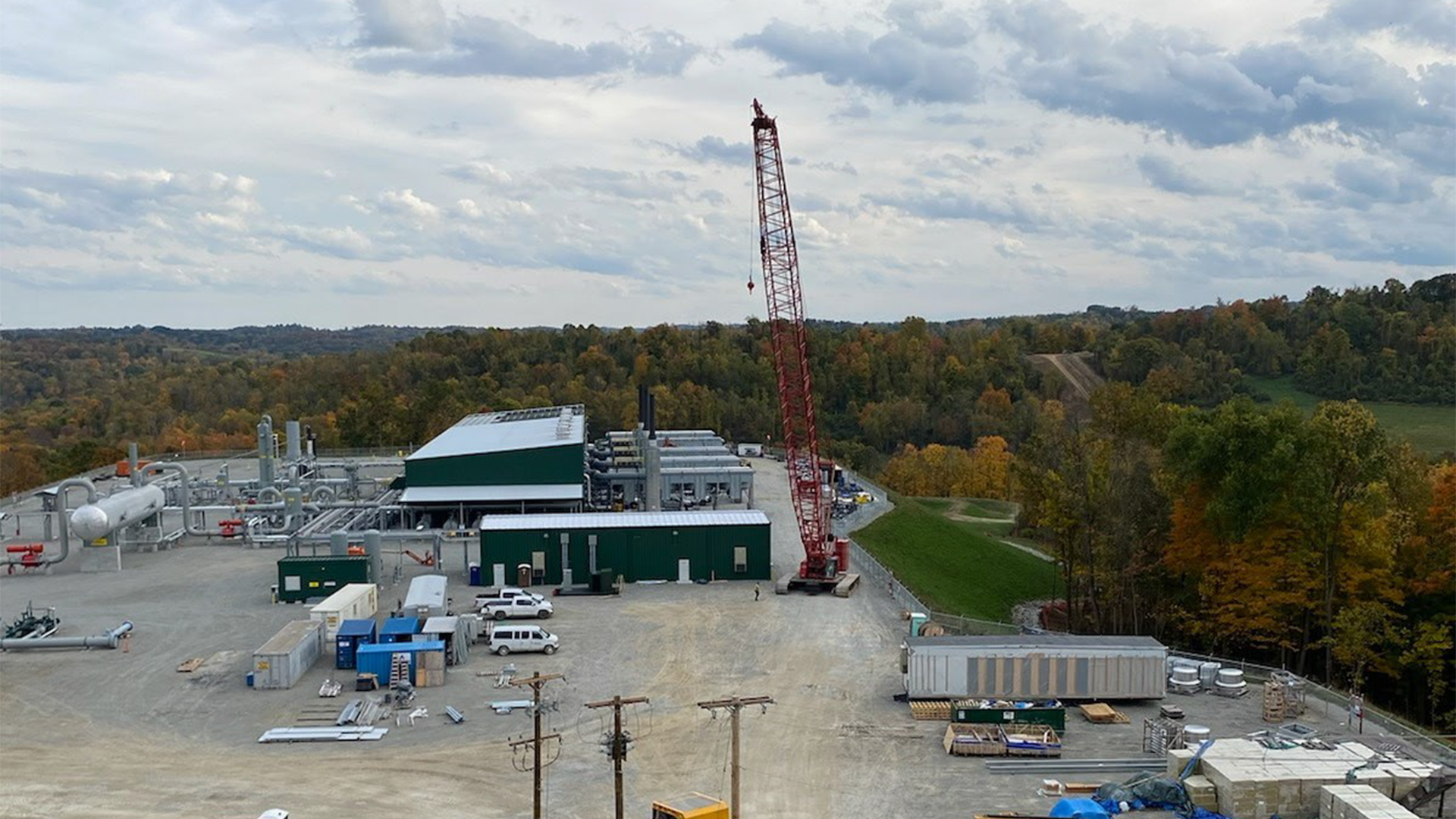
Industrial and energy facilities are strong candidates for selected innovations because they often involve large equipment, repeatable components, continuous operations, complex utilities, demanding environments, and valuable operational data. They also require careful risk management.
For industrial steel buildings, digital coordination may improve equipment clearances, material flow, crane integration, and expansion planning. For energy infrastructure buildings, sensor systems, environmental documentation, modular equipment enclosures, and adaptable utility pathways may support changing operational requirements.
Technology selection should begin with the facility’s work—not with a trend list. Owners should define the problem, expected benefit, responsible users, required data, integration points, safety implications, validation method, and lifecycle support before committing to a system.
Selecting a Future-Ready Steel Building Partner
A future-ready partner does not adopt every new technology or make predictions sound inevitable. The stronger qualification is the ability to evaluate innovation against project needs, evidence, standards, workforce capability, and risk.
Owners can ask prospective teams about:
- Current BIM, document-control, and model-review practices
- Engineering procedures for nonstandard materials or equipment
- Fabrication technology, inspection, traceability, and change control
- AI governance, cybersecurity, confidentiality, and human review
- Experience with prefabricated, modular, or phased construction
- Environmental product data and sustainability documentation
- Training, safety, commissioning, and closeout procedures
- References relevant to the intended facility and proposed technology
Red Direct’s integrated steel building services, permitting support, construction management, and construction capabilities help connect new ideas with the practical requirements of project delivery.
Building the Future Through Disciplined Innovation
The future of steel infrastructure will not arrive through one breakthrough. It will emerge through connected improvements in materials, engineering, modeling, fabrication, automation, environmental reporting, jobsite information, building operations, and workforce development.
The most valuable technologies will be those that make decisions more informed, production more controlled, work safer, materials more efficient, buildings more adaptable, and performance more visible. None of those results is automatic. They depend on qualified people, reliable data, clear responsibility, testing, standards, and project-specific judgment.
Explore Red Direct’s completed steel building projects and project gallery to see how coordinated steel solutions support different industries.