HOW STEEL BUILDINGS SUPPORT CRITICAL NATURAL GAS METERING AND REGULATING STATIONS
Natural gas infrastructure relies on a complex network of pipelines, processing facilities, compressor stations, and control systems that move energy safely and efficiently across long distances. While pipelines often receive the most attention in discussions about energy infrastructure, another set of facilities plays an equally important role in maintaining safe and consistent gas delivery: metering and regulating stations.
Metering and regulating stations are responsible for controlling pressure, monitoring flow rates, and ensuring that natural gas moves safely through the pipeline system before reaching downstream distribution networks. These facilities are essential to maintaining the stability of the entire natural gas supply chain.
Because of their importance, metering and regulating stations must be protected by durable infrastructure that can withstand environmental conditions while safeguarding sensitive monitoring equipment. Steel metering station buildings have become a reliable solution for protecting these critical systems.
Designed to house advanced measurement equipment, regulators, valves, and monitoring technology, steel structures provide the strength, security, and operational reliability required for modern midstream infrastructure.
THE CHALLENGE: PROTECTING SENSITIVE MIDSTREAM INFRASTRUCTURE
Natural gas infrastructure operates in a wide range of environments, from remote rural landscapes to industrial zones and urban areas. Metering and regulating stations must perform consistently regardless of weather conditions, temperature fluctuations, or environmental exposure.
These stations contain sensitive equipment that measures gas flow, adjusts pressure levels, and ensures that gas distribution remains safe and controlled. Any disruption to these systems can affect pipeline operations and downstream delivery.
The equipment inside these stations must remain protected from several potential threats.
Environmental exposure is one of the most significant risks. Equipment housed within metering stations must remain operational in environments that may experience severe weather, temperature extremes, and high levels of humidity.
In addition to weather-related challenges, these facilities must also be protected from physical damage, corrosion, and unauthorized access. Without proper building protection, equipment performance could be compromised, increasing the risk of operational disruptions.
Traditional structures used to house these facilities often struggle to provide the durability and protection required for modern midstream operations. Many older stations were built using materials that degrade over time or require extensive maintenance.
As natural gas infrastructure expands and modernizes, operators are increasingly turning to steel construction to protect critical metering and regulating systems.
WHY TRADITIONAL STRUCTURES OFTEN FALL SHORT
Older metering and regulating stations were sometimes housed in simple structures or partially exposed environments where equipment was vulnerable to environmental conditions.
These structures often present several challenges for modern infrastructure operators.
Limited durability is one of the most common problems. Buildings constructed with materials that are susceptible to moisture, corrosion, or structural wear may deteriorate over time. As these structures age, maintenance costs increase while reliability decreases.
Another issue is insufficient structural strength. Metering stations must support a variety of mechanical systems, including pressure regulators, control valves, monitoring systems, and safety equipment. Buildings that lack sufficient structural capacity may struggle to support these systems safely.
Security is another concern. Metering stations must be protected from unauthorized access, vandalism, and accidental damage. Structures that lack secure building envelopes may expose equipment to unnecessary risks.
Because these facilities serve as critical control points within the pipeline system, infrastructure operators require buildings that provide a higher level of protection and reliability.
THE SOLUTION: STEEL METERING STATION BUILDINGS
Steel construction offers a powerful solution for protecting metering and regulating stations. Steel metering station buildings are specifically designed to house critical equipment while maintaining structural durability and environmental protection.
These structures are engineered to withstand harsh operating environments while supporting the operational needs of midstream infrastructure.
Steel buildings provide several advantages that make them ideal for these facilities.
STRUCTURAL STRENGTH AND LONG-TERM RELIABILITY
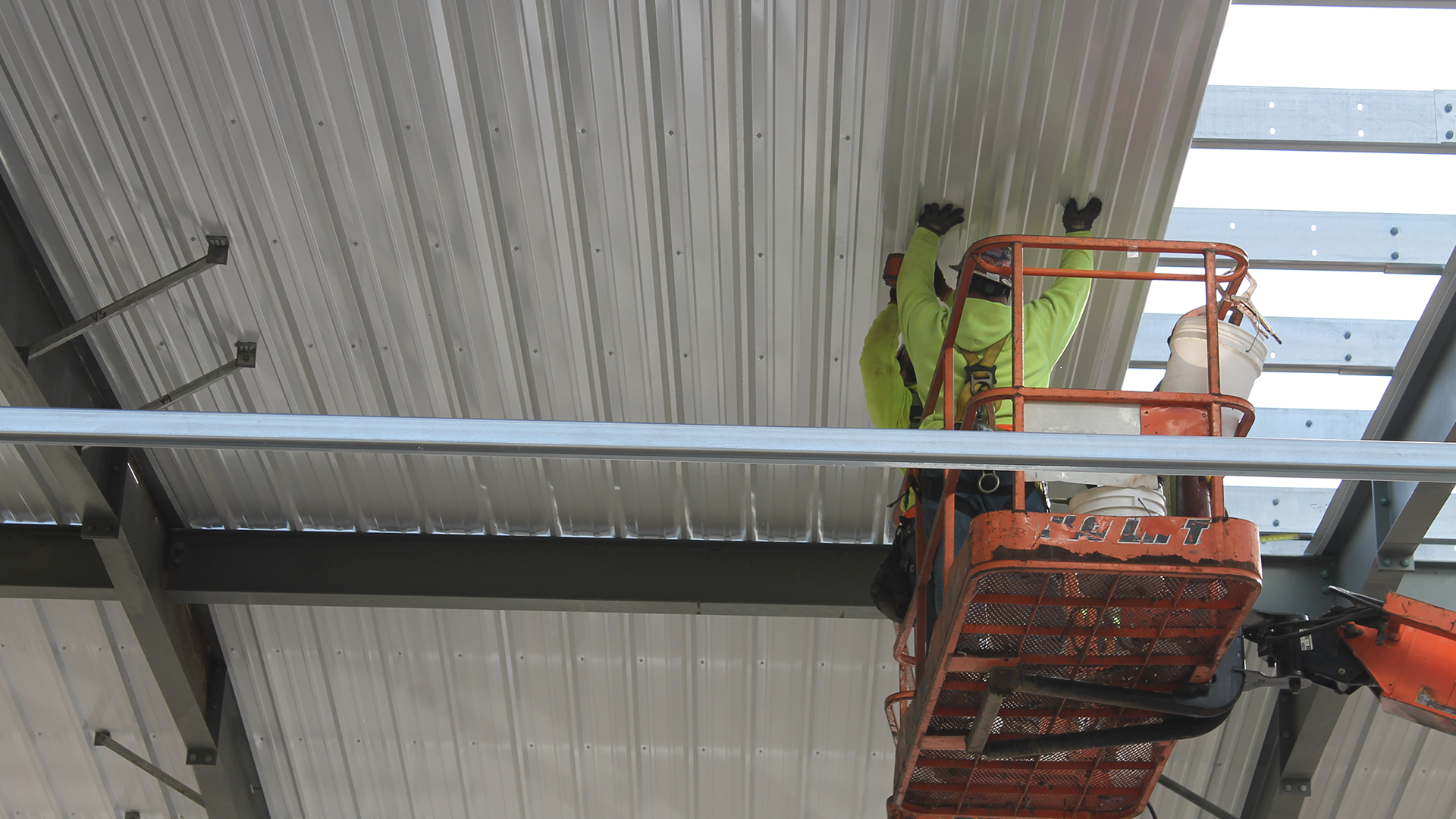
Metering stations must remain operational year after year with minimal structural maintenance. Steel buildings provide the strength required to support heavy equipment while maintaining structural integrity under demanding conditions.
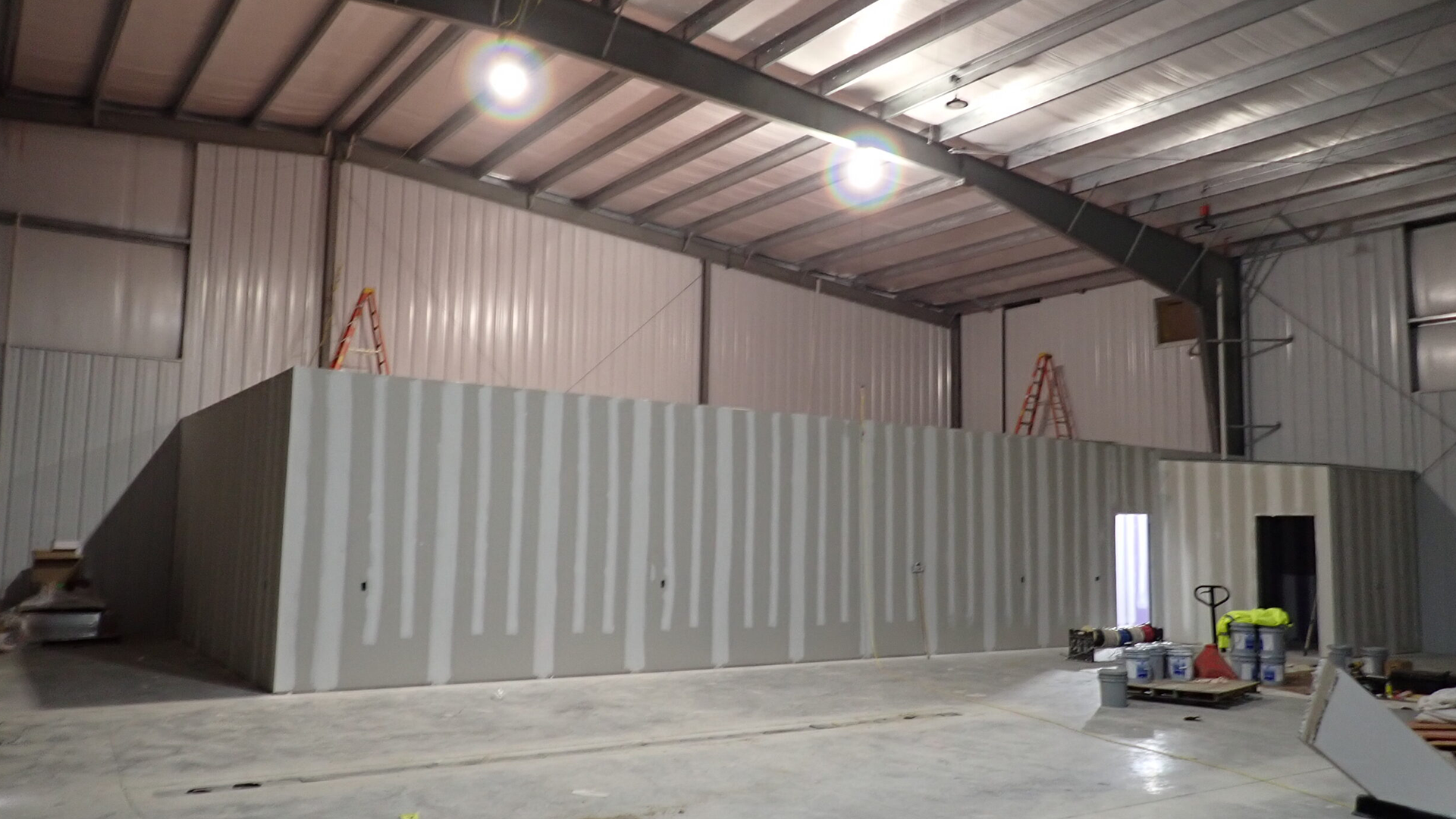
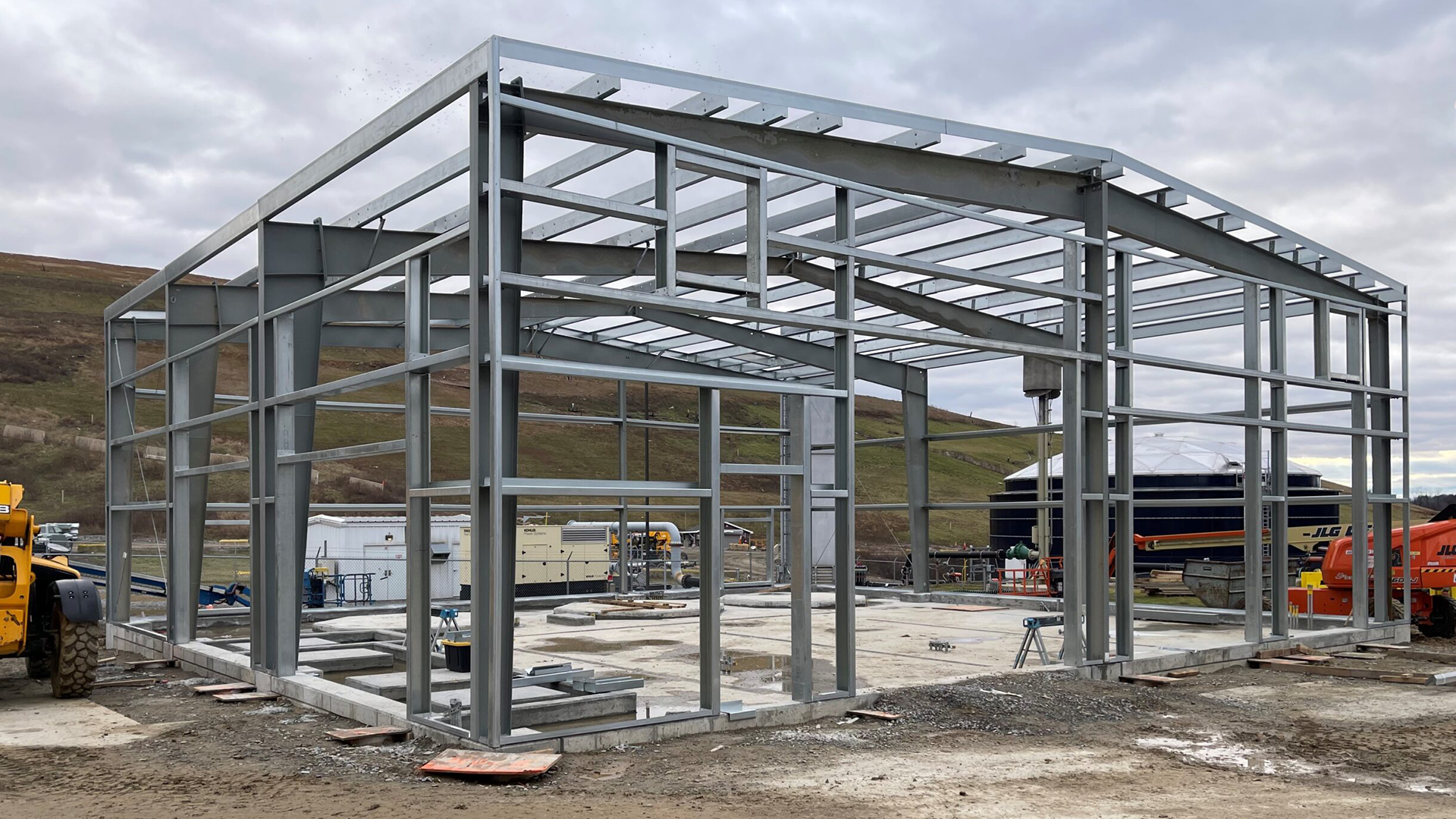
Steel framing systems can support equipment loads while maintaining open interior layouts that allow operators to access equipment easily for inspection and maintenance.
Because steel components are engineered for durability, the structural performance of the building remains consistent over long periods of time.
This reliability is particularly important in remote locations where maintenance access may be limited.
PROTECTION FROM WEATHER AND ENVIRONMENTAL CONDITIONS
Natural gas infrastructure often operates in regions where weather conditions can vary dramatically. Facilities may experience high winds, heavy snow, intense summer heat, or prolonged exposure to moisture.
Steel buildings provide strong protective enclosures that shield sensitive equipment from these environmental conditions.
Properly designed steel buildings can incorporate insulation systems, ventilation solutions, and protective coatings that help maintain stable interior conditions. This protection helps ensure that monitoring systems and regulators continue operating safely regardless of external conditions.
By creating a controlled environment for critical equipment, steel buildings help extend the lifespan of metering station components.
SECURITY FOR CRITICAL INFRASTRUCTURE
Security is a key concern for energy infrastructure. Metering and regulating stations must be protected from unauthorized access while allowing authorized personnel to perform routine inspections and maintenance.
Steel buildings provide secure building envelopes that limit access to sensitive equipment. Reinforced doors, controlled access points, and secure wall systems help prevent tampering or accidental damage.
These security features help protect critical infrastructure components while ensuring compliance with safety regulations.
ENGINEERING CONSIDERATIONS FOR METERING STATION BUILDINGS
Designing steel metering station buildings requires careful planning to ensure the facility supports both operational efficiency and equipment protection.
Engineers consider several key factors when designing these structures.
Equipment Layout and Accessibility
Metering stations contain multiple pieces of equipment that must be accessible for inspection, calibration, and maintenance. Interior layouts must allow technicians to move safely within the building while providing access to regulators, valves, and monitoring systems.
Open interior spaces supported by steel framing make it easier to arrange equipment while maintaining clear access pathways.
Ventilation and Safety Systems
Natural gas facilities must maintain proper ventilation to ensure safe operating conditions. Buildings housing metering equipment must allow airflow that prevents the buildup of gas concentrations while maintaining a controlled environment for sensitive equipment.
Steel buildings can be designed with ventilation systems that support these safety requirements.
Structural Design for Equipment Loads
Metering station equipment may include large regulators, piping systems, and control panels that require structural support. Steel framing systems provide the strength needed to support these loads while maintaining structural stability.
FOUNDATIONS AND SITE CONDITIONS
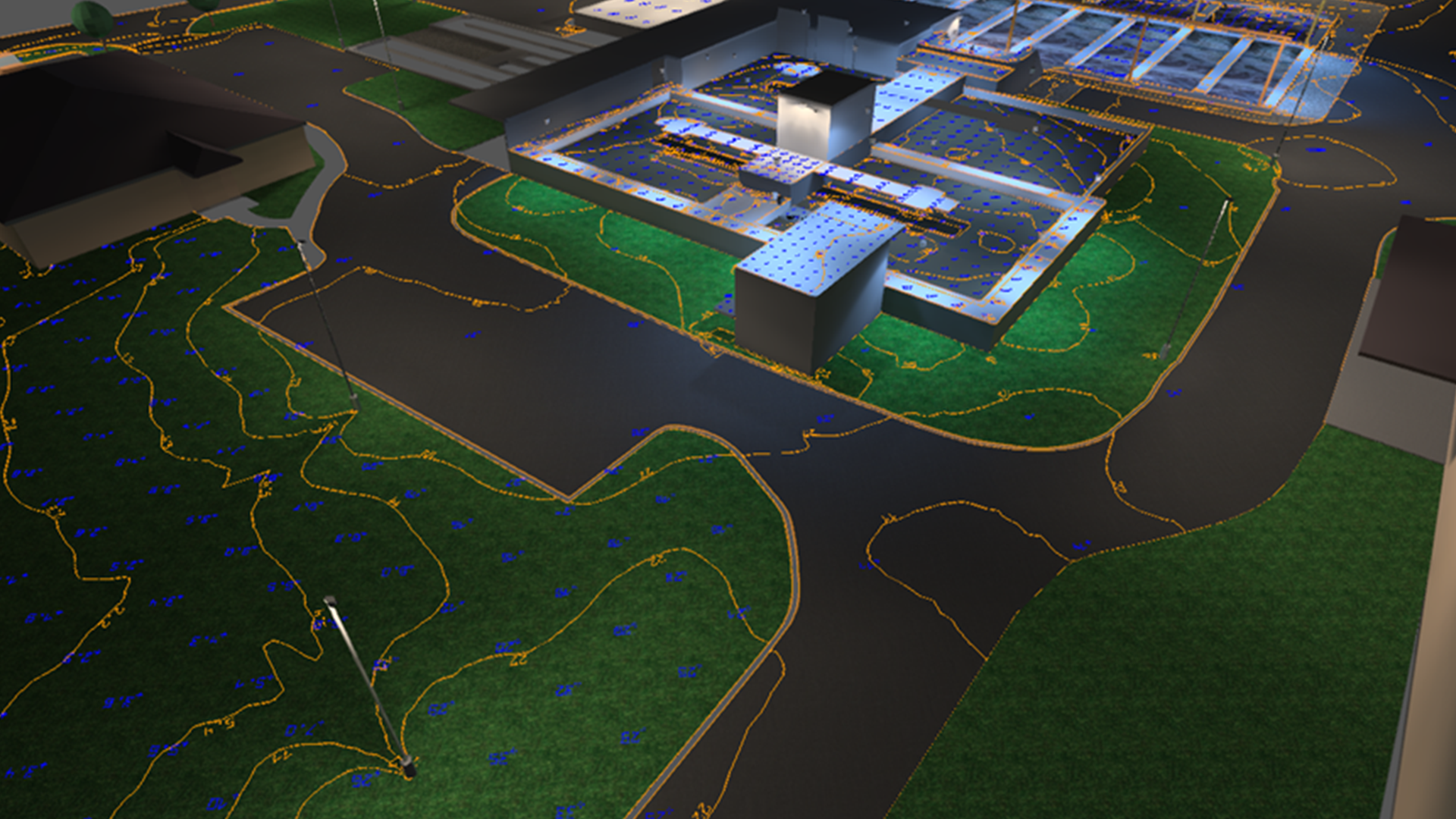
Metering stations are often located in remote areas where soil conditions and terrain can vary significantly. Steel buildings can be engineered to accommodate a wide range of foundation systems depending on site conditions.
Engineers evaluate factors such as soil stability, drainage patterns, and environmental exposure when planning these facilities.
STEEL BUILDINGS SUPPORTING THE EXPANSION OF MIDSTREAM INFRASTRUCTURE
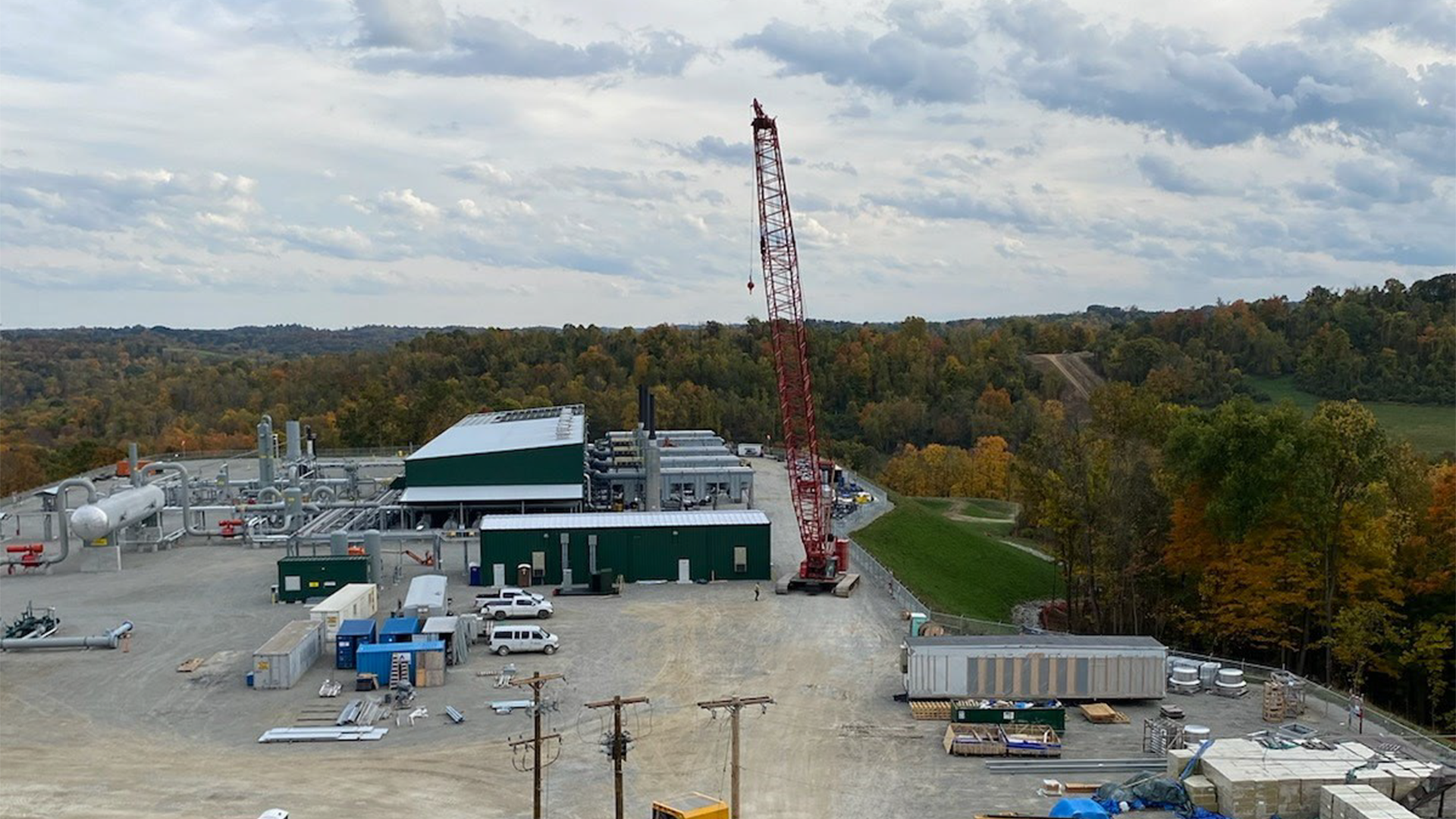
The natural gas industry continues expanding to meet energy demands across many regions. New pipelines, processing plants, and compressor stations are being developed to support growing infrastructure networks.
As these networks expand, additional metering and regulating stations will be required to manage gas flow safely and efficiently.
Steel construction provides a reliable solution for building the facilities needed to support this infrastructure expansion.
By combining durability, flexibility, and structural strength, steel metering station buildings allow energy companies to construct infrastructure that protects critical equipment while maintaining operational efficiency.
LOOKING AHEAD: INFRASTRUCTURE BUILT FOR RELIABILITY
Energy infrastructure must operate safely and reliably for decades. Metering and regulating stations serve as essential control points within the natural gas distribution network, and the buildings protecting these facilities must be built to withstand demanding conditions.
Steel construction offers the durability, security, and design flexibility required for these critical facilities.
As natural gas infrastructure continues expanding, steel metering station buildings will remain an important part of the systems that keep energy flowing safely and efficiently.