HOW STEEL BUILDINGS SUPPORT MODERN MUNICIPAL INFRASTRUCTURE
Cities and towns rely on a wide range of facilities to keep their communities running smoothly. From emergency response stations to public works maintenance garages, municipal infrastructure buildings are essential to the daily operations of local governments.
Unlike many private commercial buildings that may change ownership or purpose over time, municipal facilities often serve the same function for decades. Fire stations, fleet maintenance garages, and emergency operations centers must remain reliable year after year while supporting the evolving needs of the communities they serve.
Because of these long-term responsibilities, municipalities must carefully consider how these buildings are designed and constructed. Infrastructure built today must be able to withstand heavy use, accommodate specialized equipment, and support critical services for many years into the future.
Steel construction has become an increasingly popular solution for municipal infrastructure projects. Steel municipal infrastructure buildings provide durability, flexible design options, and long-term cost efficiency that align well with the needs of public service facilities.
To understand why steel construction is becoming such an important option for municipalities, it helps to examine the different types of municipal buildings and the design requirements that support them.
WHAT MUNICIPAL INFRASTRUCTURE BUILDINGS INCLUDE
Municipal infrastructure buildings are facilities owned and operated by local governments to support essential public services. These buildings house equipment, personnel, vehicles, and operational systems that help cities maintain safety, transportation, utilities, and emergency response capabilities.
Because municipal departments perform such a wide range of services, infrastructure buildings vary significantly in size and design.
However, most municipal infrastructure facilities fall into several common categories.
TYPES OF MUNICIPAL BUILDINGS
Fire Stations
Fire stations are among the most critical municipal facilities. These buildings must support rapid emergency response while providing safe working environments for firefighters.
Modern fire stations typically include vehicle bays for fire engines and ladder trucks, living quarters for firefighters on duty, training areas, equipment storage rooms, and administrative offices. The layout must allow emergency vehicles to exit quickly while ensuring that personnel can move efficiently throughout the building.
Public Works Maintenance Garages
Public works departments maintain roads, water systems, sanitation services, and municipal infrastructure. Their facilities must house heavy equipment such as snowplows, dump trucks, and utility vehicles.
Maintenance garages require large interior spaces, reinforced flooring systems, and specialized repair bays where technicians can perform equipment maintenance.
Fleet Storage Facilities
Municipal vehicle fleets often include police vehicles, utility trucks, maintenance equipment, and emergency response vehicles. Fleet storage facilities provide protected spaces where these vehicles can be stored, maintained, and dispatched when needed.
These buildings must accommodate large vehicles while allowing easy access for drivers and maintenance crews.
Emergency Operations Centers
Emergency operations centers serve as command hubs during large-scale emergencies such as severe weather events, natural disasters, or public safety incidents. These facilities house communication systems, coordination teams, and operational staff responsible for managing emergency response efforts.
Equipment Storage Buildings
Municipal departments rely on specialized tools and equipment to perform daily operations. Equipment storage buildings provide secure, weather-protected environments where these tools can be stored and accessed when needed.
Each of these building types requires careful planning to ensure the facility supports the operational needs of municipal departments.
KEY DESIGN REQUIREMENTS FOR MUNICIPAL BUILDINGS
Municipal infrastructure buildings must meet specific design requirements to support the services they provide. Unlike standard commercial buildings, these facilities must accommodate specialized equipment, operational workflows, and long-term durability.
Several key design considerations are typically involved when planning municipal infrastructure buildings.
Large Interior Spaces
Many municipal operations require large interior spaces that allow vehicles and equipment to move freely. Fire trucks, snowplows, sanitation vehicles, and construction equipment all require wide turning radiuses and clear floor space.
Buildings designed for municipal use often include wide vehicle bays and open interior layouts that allow equipment to move safely and efficiently.
High Ceilings and Large Access Doors
Municipal vehicles can be significantly taller than standard passenger vehicles. Fire trucks, ladder trucks, and maintenance equipment require buildings with high ceilings and large access doors that allow vehicles to enter and exit easily.
Door openings must be carefully designed to accommodate the largest vehicles used by municipal departments.
Durable Flooring Systems
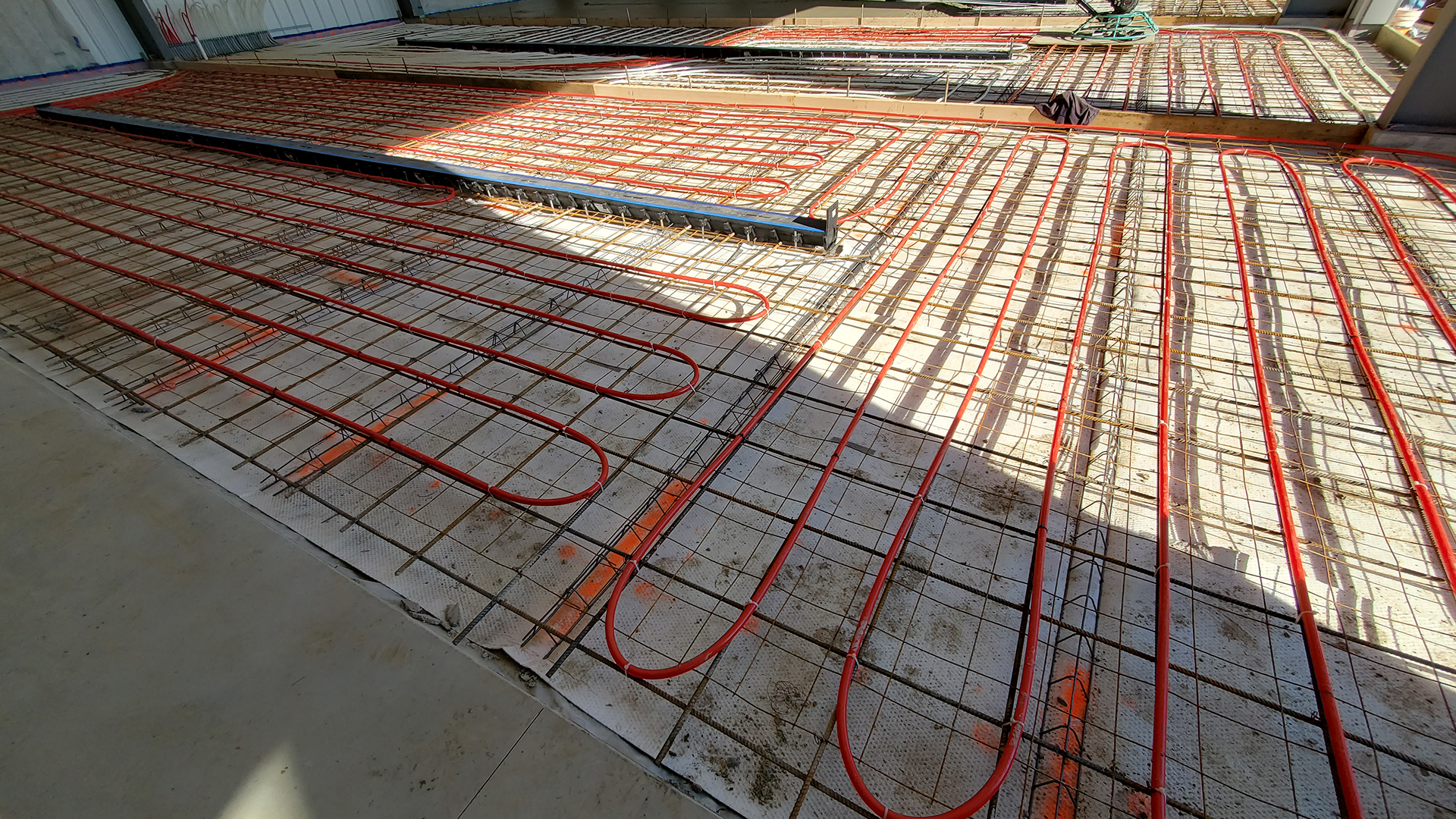
Heavy vehicles and equipment place significant stress on building floors. Municipal facilities often require reinforced concrete flooring capable of supporting the weight of large vehicles and machinery.
Durable flooring systems also allow maintenance activities to occur safely within the facility.
Efficient Operational Layouts
Municipal facilities must support efficient workflows. Firefighters must be able to reach their vehicles quickly, maintenance crews must access tools and equipment easily, and emergency response teams must coordinate operations effectively.
Well-designed layouts allow municipal employees to perform their duties without unnecessary obstacles or delays.
ENGINEERING CONSIDERATIONS FOR PUBLIC SERVICE FACILITIES
Engineering municipal infrastructure buildings requires careful attention to both structural performance and operational safety.
Facilities that house heavy vehicles must support large loads while maintaining structural stability. Buildings must also be designed to withstand environmental conditions such as heavy snow, strong winds, and seasonal temperature fluctuations.
Structural engineers consider several factors when designing municipal buildings:
- load-bearing capacity
- vehicle traffic patterns
- structural span requirements
- environmental exposure
- long-term maintenance needs
Because municipal facilities must remain operational during emergencies, structural reliability is particularly important.
WHY STEEL IS IDEAL FOR MUNICIPAL CONSTRUCTION
Open Span Structural Design
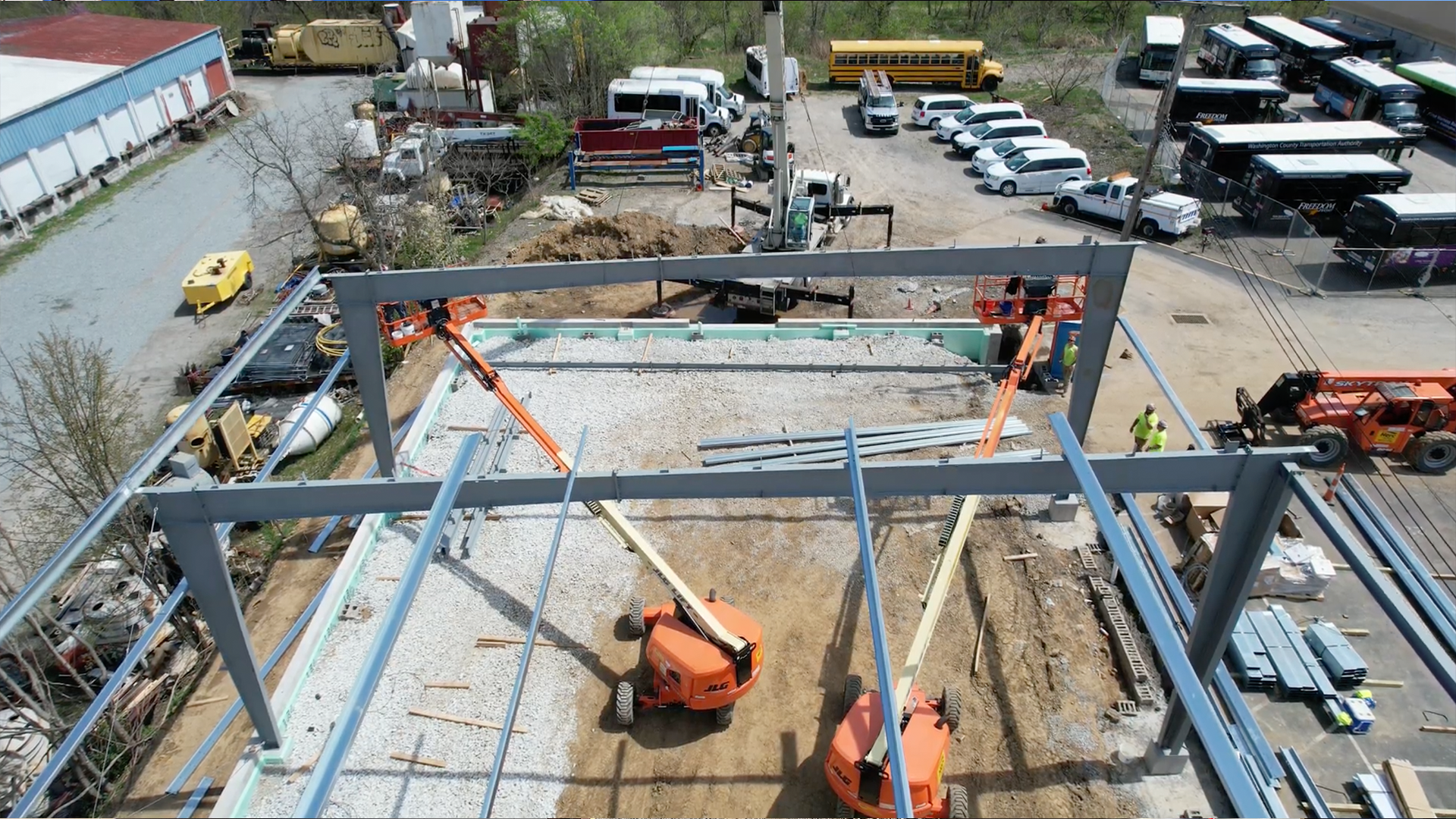
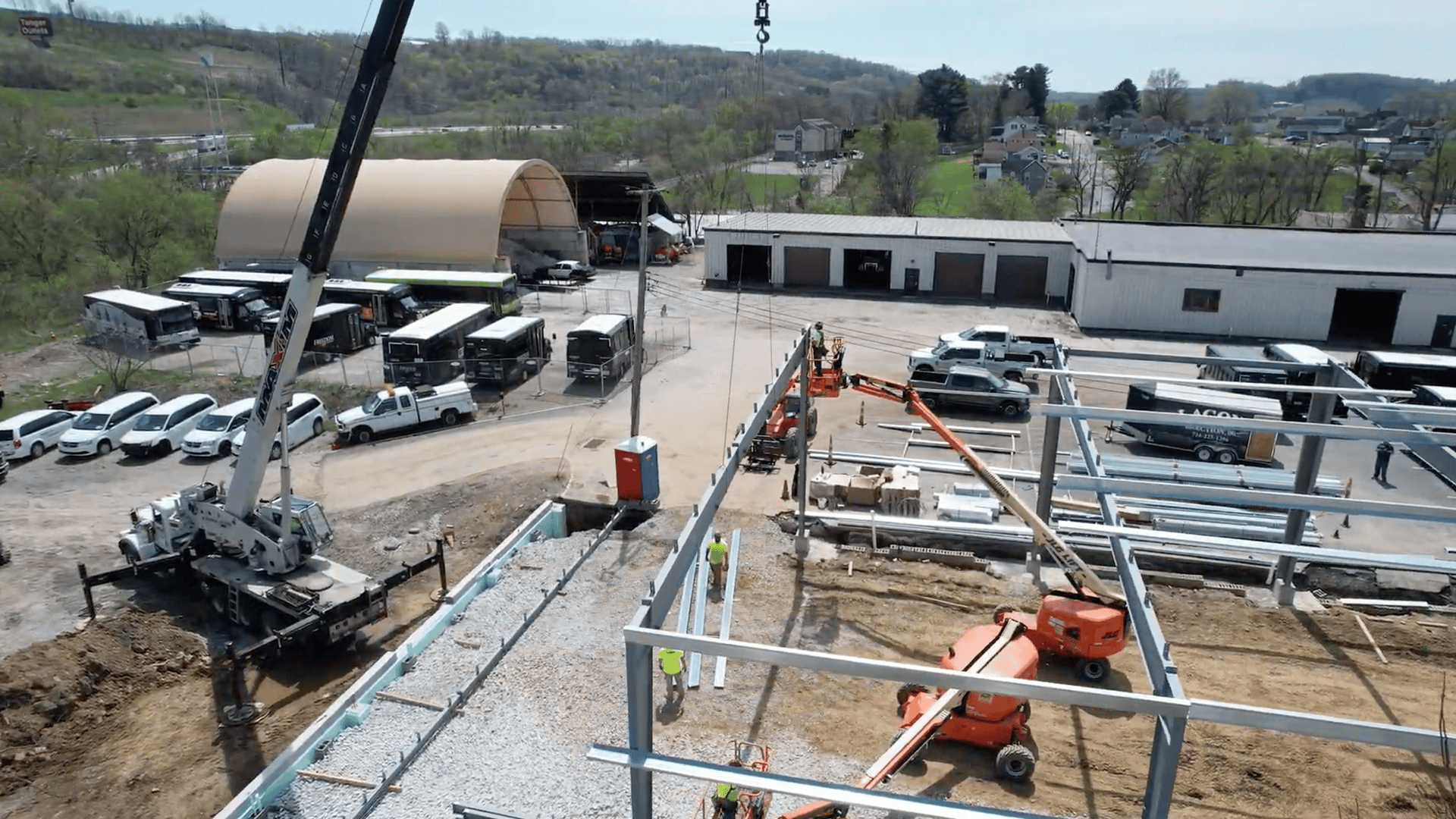
Steel framing allows engineers to design buildings with wide open spans that eliminate interior support columns. This design flexibility is particularly useful for vehicle bays and equipment storage areas where unobstructed floor space is essential.
Long-Term Durability
Steel structures maintain their strength and integrity over long periods of time. Unlike materials that may deteriorate due to moisture, pests, or structural fatigue, steel provides reliable performance in demanding environments.
Reduced Maintenance
Municipal buildings must operate within limited budgets. Steel construction reduces maintenance costs by providing structures that resist many common issues such as rot, warping, and pest damage.
Faster Construction Timelines
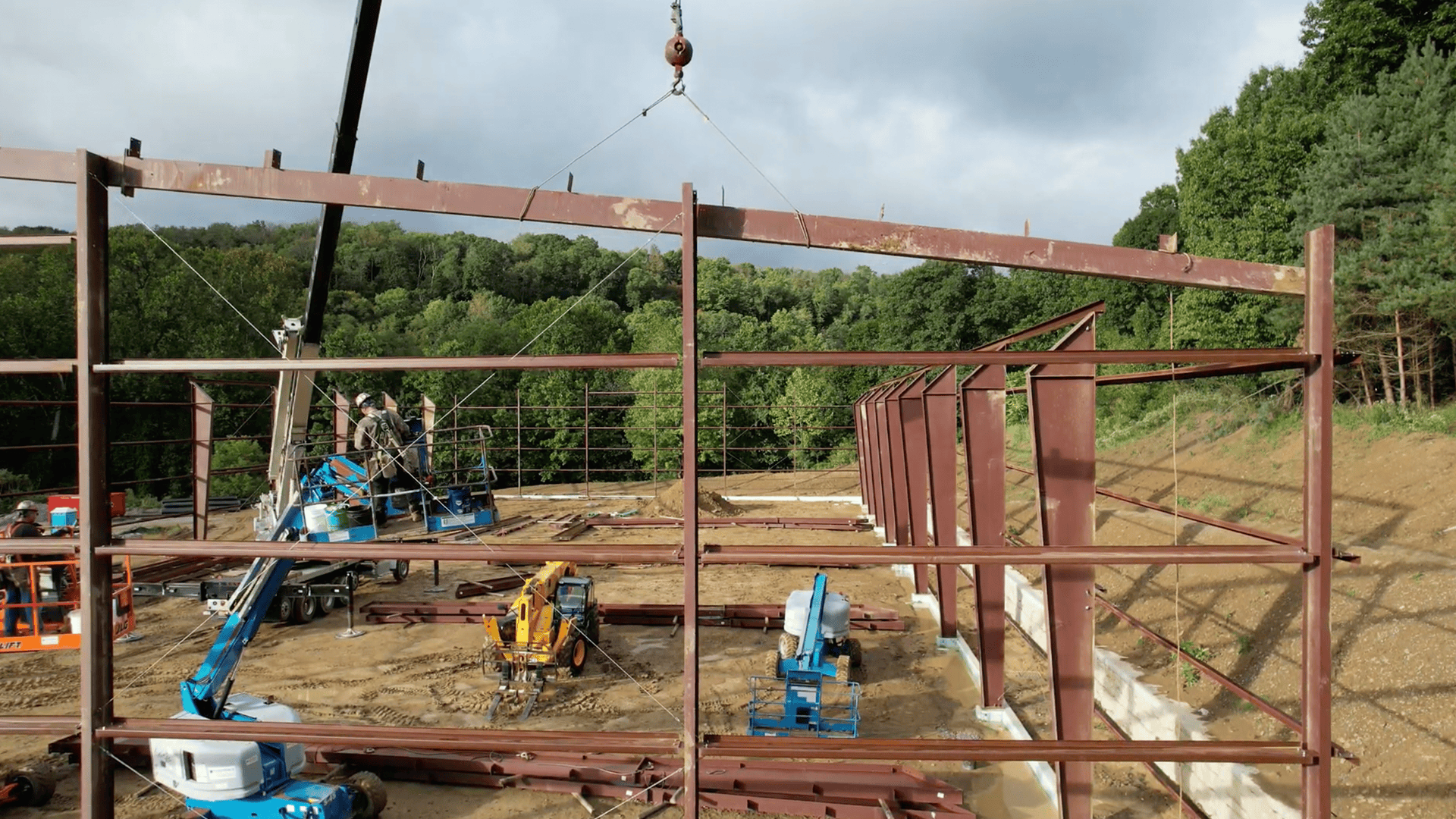
Steel buildings are often manufactured using prefabricated components that can be assembled quickly on site. Faster construction timelines allow municipalities to bring new infrastructure online sooner, improving service capacity for residents.
PLANNING MUNICIPAL INFRASTRUCTURE FOR LONG-TERM COMMUNITY NEEDS
Municipal infrastructure projects represent significant investments for communities. When cities and towns construct new facilities, they are building infrastructure that must support essential services for many years.
Steel municipal infrastructure buildings allow local governments to construct facilities that are durable, adaptable, and capable of supporting the evolving needs of their communities.
From fire stations and fleet maintenance garages to emergency response facilities and equipment storage buildings, steel construction provides municipalities with the structural strength and design flexibility needed to build reliable public service infrastructure.
By investing in modern construction methods and durable building materials, municipalities can ensure that their infrastructure continues supporting public services well into the future.