Metal Buildings

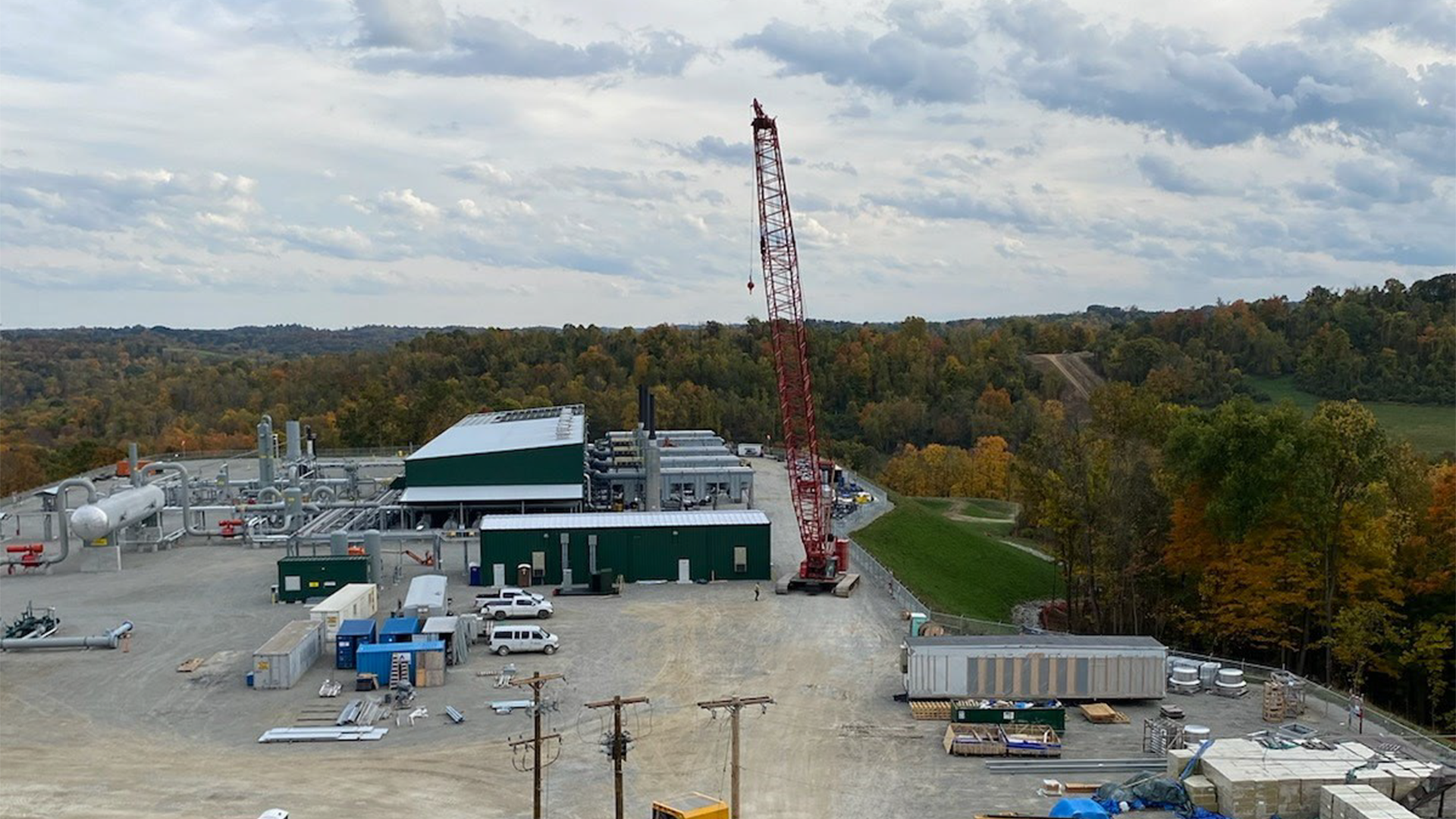
Pipeline Metering and Control Buildings: Precision Infrastructure Supporting Financial Accountability

Protecting the Systems Behind Every Measured Transfer Pipeline operations depend on dependable measurement. At receipt, delivery, interconnection, and other designated measurement points, operators use metering systems to determine how much product moved, under what conditions, and—when applicable—how custody-transfer quantities will be calculated. Even a small, sustained measurement bias can have a material financial effect when it is applied to high throughput over time. The actual impact depends on the product, volume, price, contract, duration, and direction of the error, so a universal dollar value cannot be assigned to a one-percent difference. Pipeline metering and control buildings protect selected instruments, flow [...]

Pipeline Metering and Control Buildings: Precision Infrastructure Supporting Financial Accountability2026-09-14T02:53:38+00:00

Red Direct Success Stories: Case Studies in Steel Construction

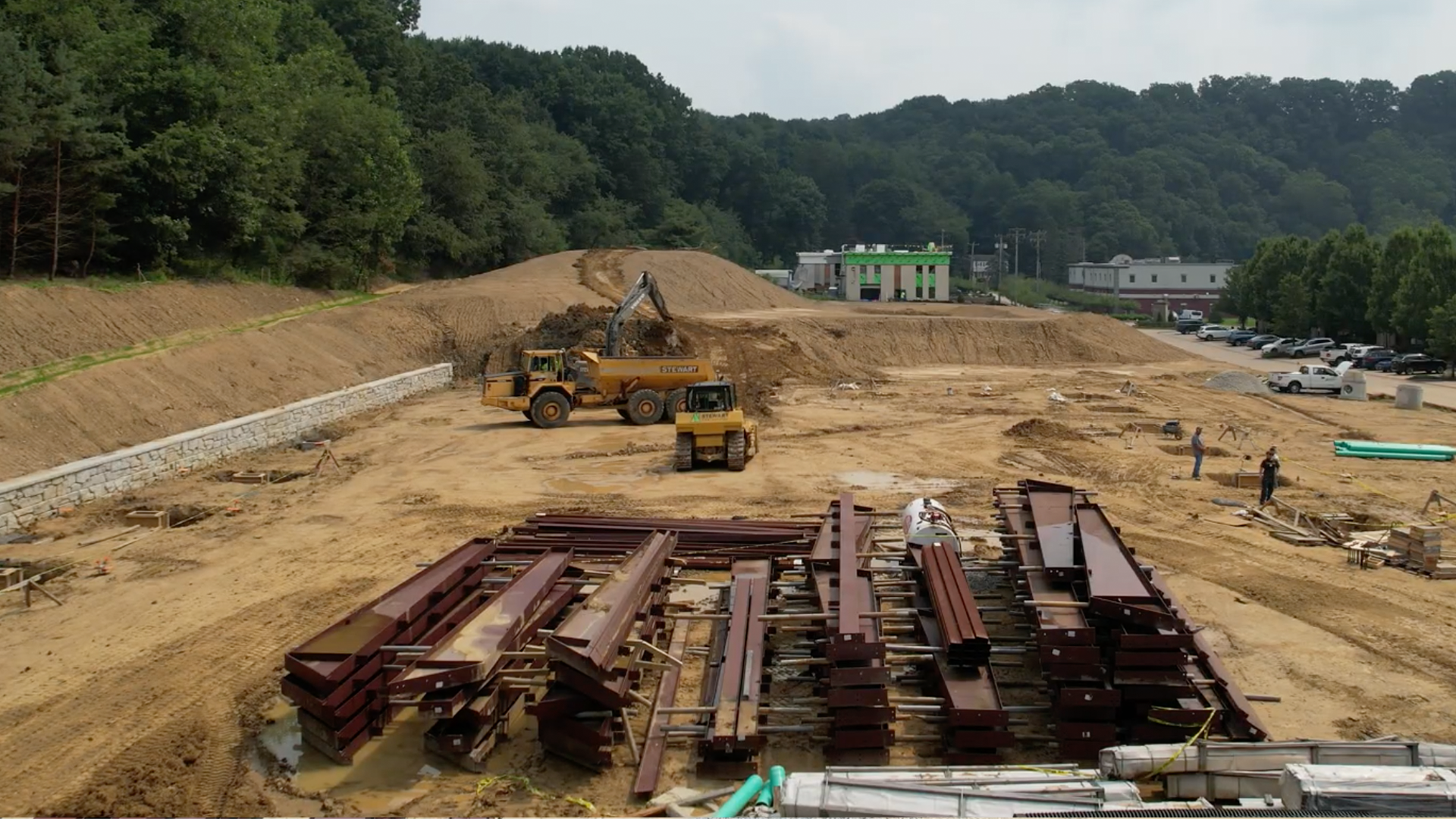
Real Results, Real Steel: Success Stories from Red Direct At Red Direct, we believe in building more than structures—we build long-term value. Whether it’s creating durable warehouse facilities, modern retail centers, or weather-resistant emergency shelters, our steel buildings are designed with performance, efficiency, and growth in mind. But don’t just take our word for it. In this post, we’re highlighting a few of our recent projects that show how steel construction solves complex challenges, supports fast timelines, and delivers lasting ROI across industries. You can also explore more examples in our steel building project portfolio. Case Study #1: Expanding a [...]

Red Direct Success Stories: Case Studies in Steel Construction2026-09-09T18:19:15+00:00

Steel Athletic Training Facilities: Building Infrastructure for Peak Performance and Athlete Development

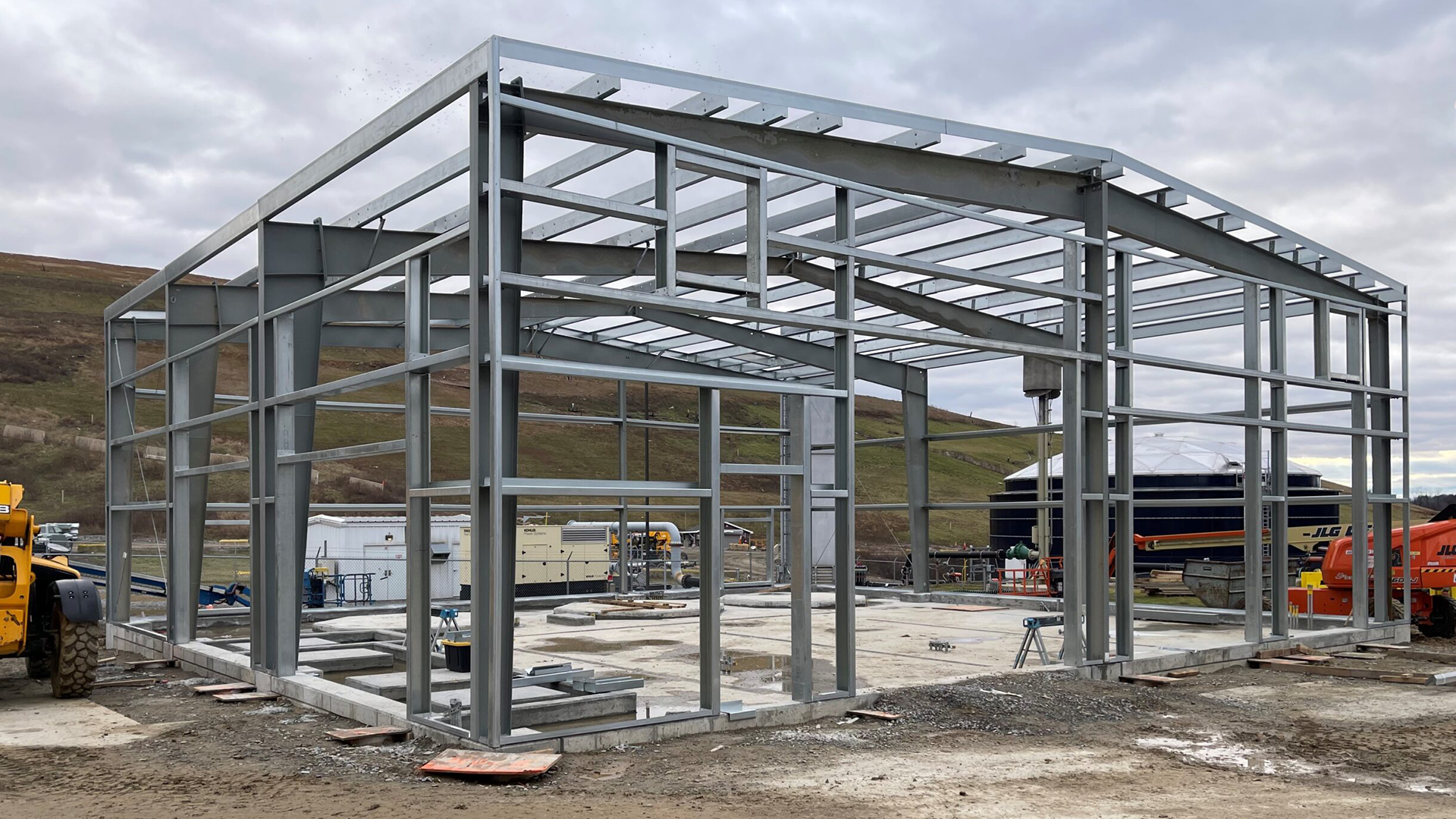
Designing Training Environments That Perform with the Program Athletic excellence demands more than talented athletes and dedicated coaches. Successful programs also require training infrastructure that gives athletes appropriate places to develop physical capabilities, refine technique, recover, collaborate, and prepare for competition. Facility design can influence training access, workflow, safety, equipment use, coaching visibility, and the ability to operate throughout the year. Programs investing in their physical infrastructure are creating environments intended to support athlete development alongside coaching, sports medicine, strength programming, and performance analysis. Steel athletic training facilities are used by schools, universities, private clubs, community organizations, and professional programs [...]

Steel Athletic Training Facilities: Building Infrastructure for Peak Performance and Athlete Development2026-09-07T16:50:35+00:00

Foundation Design for AI Data Centers: Supporting Server Equipment

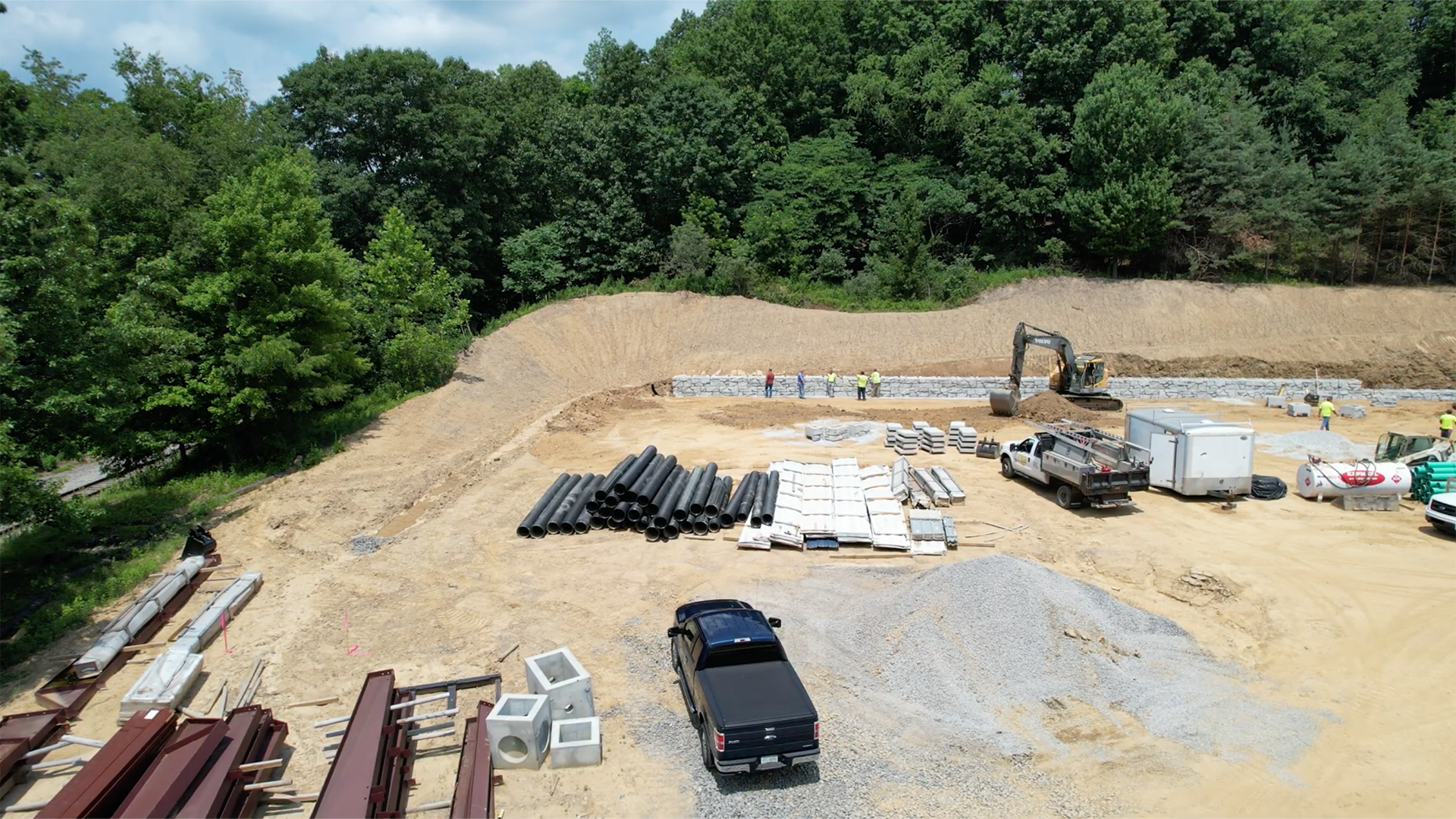
Building the Groundwork for the Future of AI AI data center development is accelerating—and with it comes specialized demand for stable, precisely engineered foundations. Server racks, cooling systems, generators, UPS units, transformers, batteries, pumps, and high-density equipment all rely on foundations and floor systems designed for their actual loads and operating conditions. As AI infrastructure becomes more power-dense, the physical requirements of the facilities supporting it also change. Data center success does not start with the servers. It begins with site selection, subsurface conditions, grading, drainage, utility planning, and the ground beneath the building. Foundation design cannot be separated from [...]

Foundation Design for AI Data Centers: Supporting Server Equipment2026-09-02T16:48:49+00:00

Steel Buildings Achieving LEED Certification: Sustainable Performance Driving Market Value

Building Sustainable Performance into Steel Construction Green building has shifted from an environmental consideration to an important part of modern real estate strategy. Property owners, investors, tenants, and communities increasingly expect buildings to demonstrate responsible resource use, efficient operation, and long-term performance. LEED—Leadership in Energy and Environmental Design—provides a recognized framework for evaluating that performance. Buildings that earn LEED certification can demonstrate measurable achievement across energy, water, materials, site planning, indoor environmental quality, and other sustainability priorities. Steel construction can support many of the strategies used by projects pursuing LEED certification. Its structural efficiency, recyclability, durability, adaptability, and compatibility with [...]

Steel Buildings Achieving LEED Certification: Sustainable Performance Driving Market Value2026-08-31T19:54:33+00:00

Overhead Crane Installation: What Your Steel Building Needs to Support It

How Overhead Crane Systems Fit Into Modern Industrial Steel Buildings Overhead crane installation represents one of the most important infrastructure decisions for industrial facilities, manufacturing plants, and warehouses. These material-handling systems can improve productivity, reduce manual handling, and help facilities move large or heavy materials efficiently. Their successful implementation, however, depends on proper structural and operational planning from the beginning. For businesses investing in new industrial steel buildings or upgrading existing facilities, understanding the relationship between the crane system and building design is essential. Crane capacity, span, service classification, travel speed, hook height, runway configuration, and operating environment can all [...]

Overhead Crane Installation: What Your Steel Building Needs to Support It2026-08-26T17:47:56+00:00

Steel Warehouses Powering E-Commerce Fulfillment: Building Infrastructure for Customer Expectations

Where Customer Expectations Become Warehouse Operations E-commerce has fundamentally transformed customer expectations. Customers shopping online expect immediate order confirmation, shipment within days, and delivery to their doorstep at their convenience. Expectations that were once unusual are now baseline requirements for many e-commerce businesses. Companies failing to meet those expectations risk losing customers to competitors, while companies delivering reliable service can strengthen loyalty and market share. Meeting these expectations requires equally capable warehouse infrastructure. Traditional warehouses designed for slower, methodical operations may not be configured to support modern e-commerce order velocity. E-commerce warehouses must process large volumes of orders, pick and [...]

Steel Warehouses Powering E-Commerce Fulfillment: Building Infrastructure for Customer Expectations2026-08-24T19:30:49+00:00

Electrical Infrastructure Design for High-Power Data Centers

Powering the Digital World with Smarter, Stronger Electrical Systems Today’s digital economy runs on data—and behind every cloud platform, AI training cluster, streaming service, and enterprise network lies a power-intensive backend: the modern data center. As computing demand increases, so does the pressure on electrical infrastructure. Designing the right data center electrical infrastructure is no longer optional—it is mission-critical. High-power data centers must operate with exceptional reliability, redundancy, efficiency, and safety. An electrical interruption can disrupt services, affect equipment, and create significant operational and financial consequences. The actual impact depends on the facility, workload, customers, and duration of the event. [...]

Electrical Infrastructure Design for High-Power Data Centers2026-08-19T20:47:54+00:00

Steel Processing Plants Supporting Midstream Gas: Engineered Facilities for Complex Operations

Built Around the Demands of Continuous Gas Processing Midstream gas processing represents one of the most technically demanding applications in energy infrastructure. Processing plants receive raw natural gas from wells containing water, condensates, and other compounds requiring removal before transmission. Processing equipment separates these components through cooling, separation, and treatment processes. These operations are extraordinarily complex, requiring precise temperature and pressure control, reliable equipment operation, and strict safety management. Processing equipment represents enormous capital investment—separation trains, compression systems, treatment vessels, and control systems worth tens of millions of dollars. This expensive, sophisticated equipment must operate reliably in facilities protecting investment [...]

Steel Processing Plants Supporting Midstream Gas: Engineered Facilities for Complex Operations2026-08-17T18:40:20+00:00

Steel Logistics Parks and Intermodal Facilities: Infrastructure Driving Supply Chain Excellence

The Infrastructure Behind a Faster, More Connected Supply Chain Modern supply chains operate at speeds that would have seemed impossible a decade ago. Products ordered today arrive tomorrow. Customers expect real-time tracking visibility. Companies manage inventory across distributed networks. Yet behind this rapid, complex supply chain choreography lies critical infrastructure: logistics parks and intermodal facilities that consolidate, sort, transfer, and redistribute products at the nexus of supply chains. Steel logistics parks have become essential infrastructure for competitive supply chain operations. These specialized facilities integrate diverse transportation modes—trucks, rail, air cargo—enabling efficient product transfer between modes. They provide warehousing, cross-dock operations, [...]

Steel Logistics Parks and Intermodal Facilities: Infrastructure Driving Supply Chain Excellence2026-08-10T20:03:59+00:00
Go to Top