seoprizum

About SEO Prizum

This author has not yet filled in any details.
So far SEO Prizum has created 22 blog entries.

Pre-Engineered vs. Conventional Steel Buildings: Which Fits Your Project?

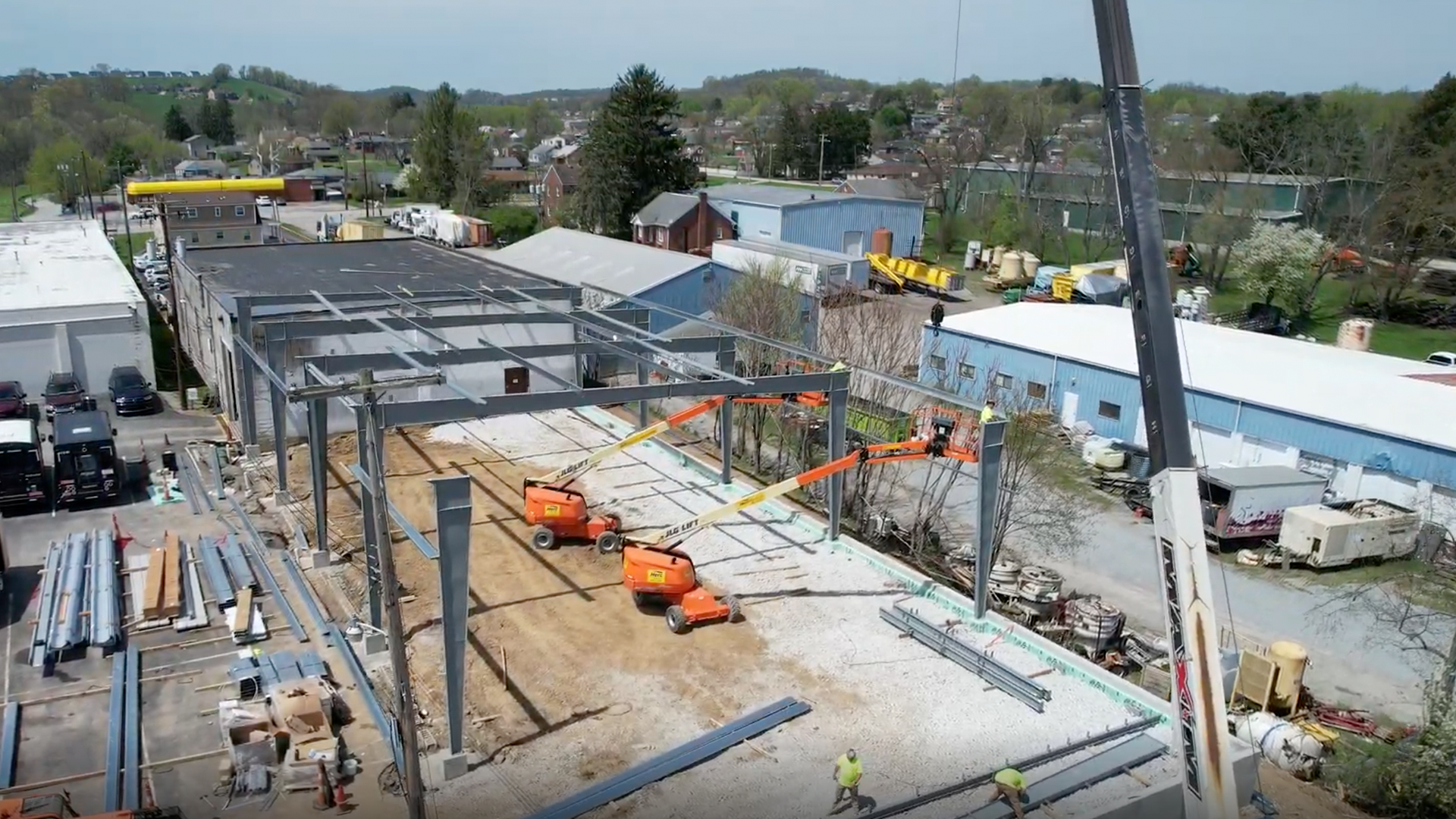
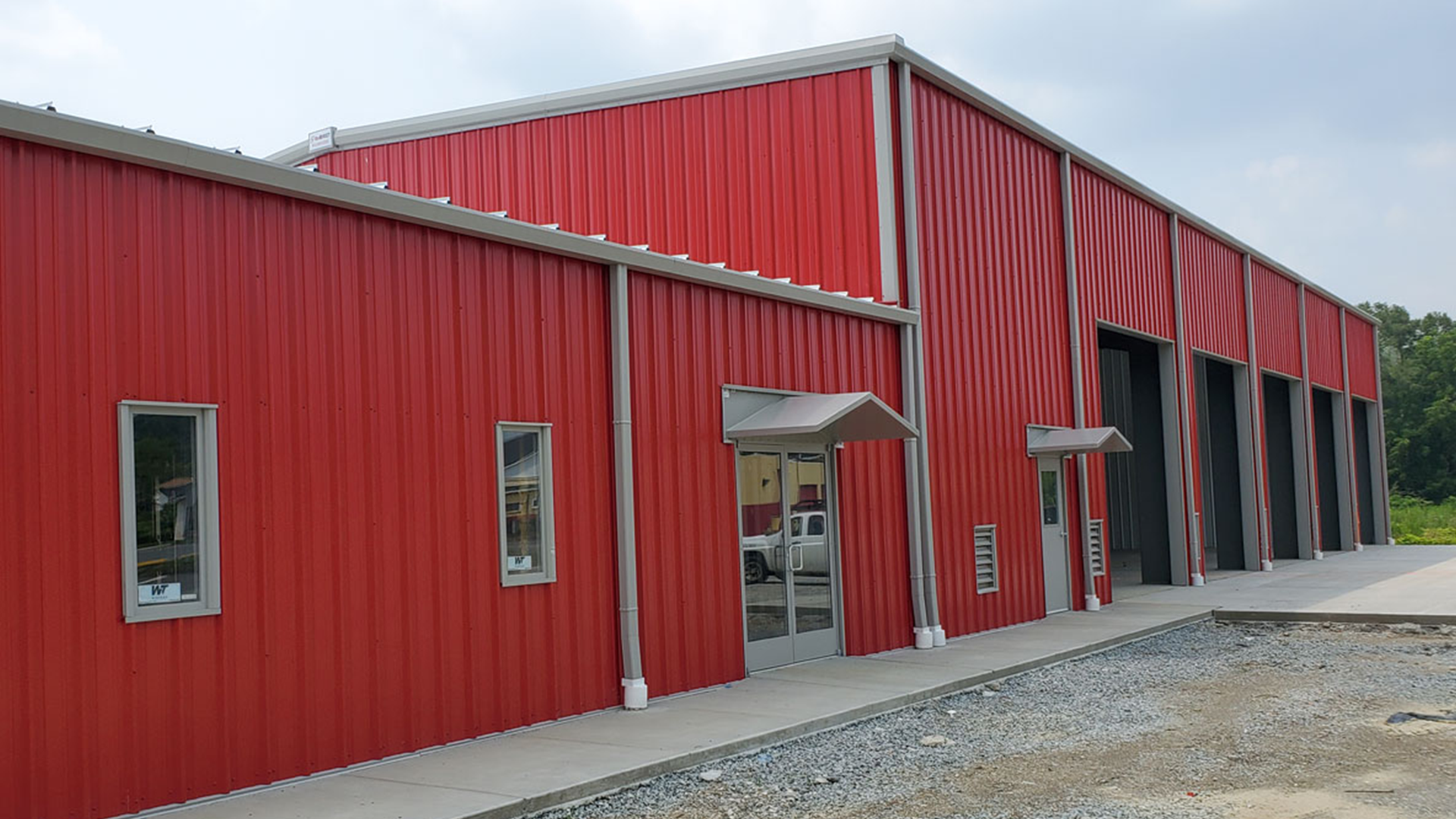
Choosing the Steel Building System That Fits the Work Two projects can use structural steel and still follow very different paths from concept to completion. One may use a pre-engineered metal building system in which the primary framing, secondary framing, roof, and wall components are designed to function together. Another may use conventional structural steel designed by the project engineer and assembled from members, connections, deck, walls, and other systems selected for a highly customized building. The right choice is not determined by square footage alone. Building use, clear-span needs, crane loads, architectural goals, future expansion, site access, code requirements, [...]
Pre-Engineered vs. Conventional Steel Buildings: Which Fits Your Project?2026-11-16T21:42:00+00:00

Steel Infrastructure for AI Data Center Expansion

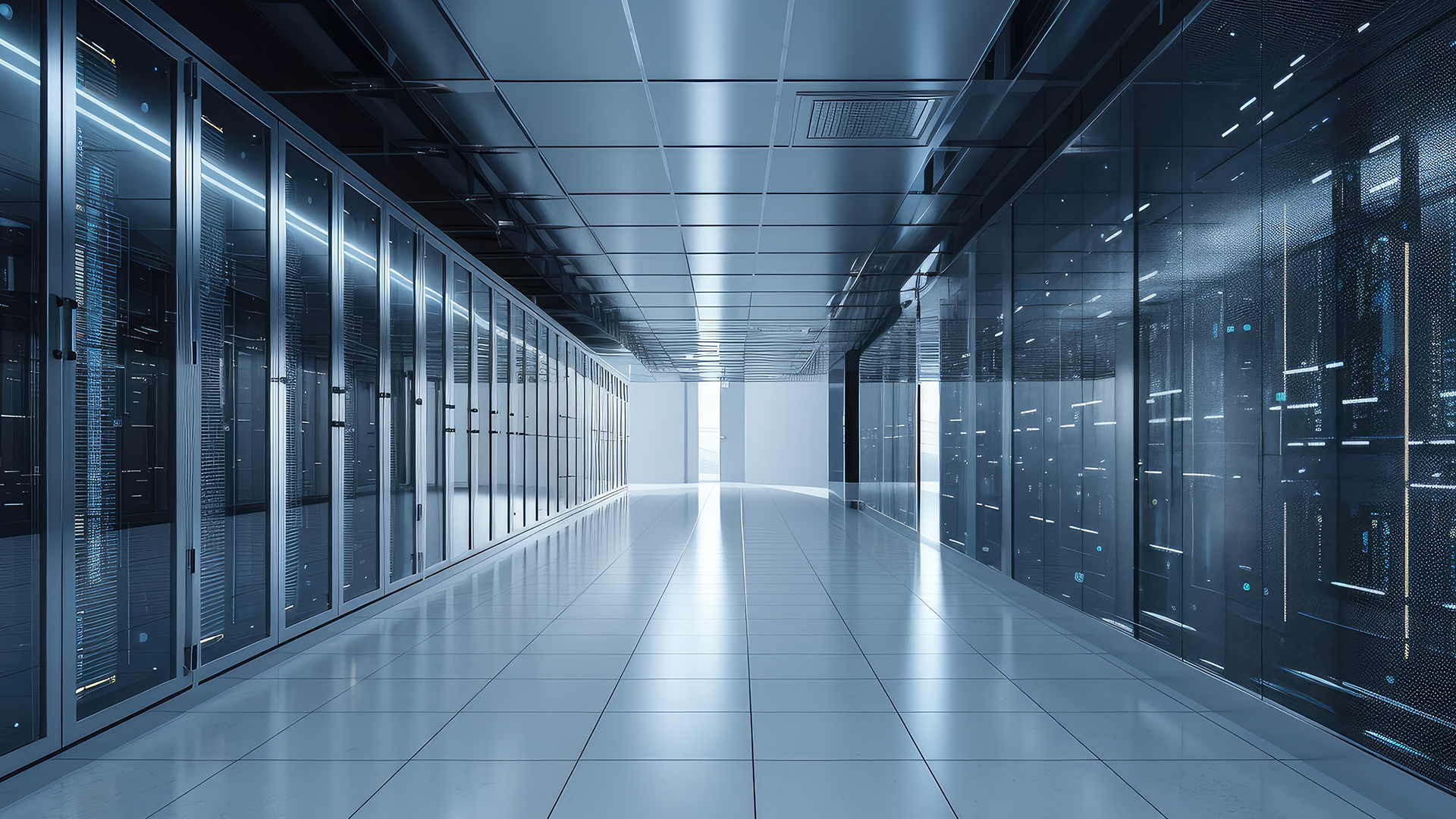
Building the Physical Foundation Behind AI Computing Every AI application depends on physical infrastructure. Model training, inference, data storage, networking, and digital services require processors, electrical systems, cooling equipment, fiber connections, secure facilities, and trained operating teams. As computing demand grows, the buildings supporting that equipment must accommodate higher power concentrations, changing cooling technologies, heavy infrastructure, and expansion plans that may evolve before construction is complete. Steel infrastructure can provide an adaptable structural platform for these facilities. Long spans, coordinated equipment loads, large openings, tall clearances, prefabricated components, and planned additions can help owners organize dense building systems around the [...]

Steel Infrastructure for AI Data Center Expansion2026-11-09T20:56:40+00:00

Future Trends in Steel Infrastructure Development

Separating Today’s Capabilities From Tomorrow’s Possibilities Steel infrastructure is changing through better information, more connected manufacturing, evolving materials, lower-carbon production strategies, and new ways to monitor buildings after construction. Some advances—such as building information modeling, computer-controlled fabrication, prefabricated components, sensors, and environmental product declarations—are already used on real projects. Others, including generative artificial intelligence, large-scale metal additive manufacturing, self-healing coatings, hydrogen-based primary steelmaking, and highly autonomous jobsites, remain at different stages of development and adoption. Understanding that difference matters. An emerging technology can create value when it solves a defined project problem, operates within applicable standards, and is supported by [...]

Future Trends in Steel Infrastructure Development2026-11-03T19:10:57+00:00

Environmental Benefits of Steel in Energy Infrastructure

Building Sustainability Into the Full Infrastructure Lifecycle Environmental performance in energy infrastructure is determined by a chain of decisions. Material production matters, but so do structural efficiency, transportation, site development, construction waste, building operations, maintenance, adaptability, and what happens when a facility is renovated or retired. A responsible strategy evaluates those stages together rather than labeling one material universally sustainable. Steel can support lower-impact energy facilities because it can be engineered efficiently, fabricated with precision, adapted to changing operations, reused in some applications, and recovered for recycling at the end of service. Those potential benefits are especially relevant to buildings [...]

Environmental Benefits of Steel in Energy Infrastructure2026-10-26T14:58:19+00:00

Steel Transit Maintenance Facilities for Reliable Fleets

Designing the Service Infrastructure Behind Reliable Transit Every scheduled trip depends on work the public rarely sees. Before a bus begins its route or a rail vehicle enters service, technicians may inspect safety systems, diagnose faults, replace components, replenish fluids, clean passenger areas, and confirm that the vehicle is ready for operation. Those tasks require more than skilled people and dependable equipment. They require a facility organized around the fleet, its propulsion systems, and the agency’s service plan. Steel transit maintenance facilities can bring vehicle storage, inspection, repair, fueling or charging, washing, parts management, and employee support functions into one [...]

Steel Transit Maintenance Facilities for Reliable Fleets2026-10-19T15:08:31+00:00

Steel Support Facilities for Offshore Energy Operations

Engineering the Facilities Behind Offshore Operations Offshore energy projects operate where wind, waves, salt, humidity, remoteness, and complex logistics place extraordinary demands on people, equipment, and structures. Whether the project involves offshore oil and gas, offshore wind, marine terminals, or the shore-based facilities that support them, infrastructure must be designed for the actual environment and operating mission. Steel support facilities for offshore energy can include equipment enclosures and modules installed on fixed or floating assets, along with onshore warehouses, maintenance shops, control buildings, fabrication areas, logistics bases, and port-side facilities. These are distinct applications. An offshore platform, mobile offshore drilling [...]

Steel Support Facilities for Offshore Energy Operations2026-10-12T19:20:34+00:00

Steel Construction Innovations Advancing Building Performance

From Material Science to Smarter Project Delivery Steel construction continues to evolve through advances in materials, fabrication, digital coordination, prefabrication, automation, and environmental reporting. These developments do not replace sound engineering or experienced construction teams. Instead, they give those teams better ways to coordinate information, manufacture components, manage risk, and tailor buildings to their intended use. Some steel construction innovations are already common in modern practice, including computer-controlled fabrication, three-dimensional coordination, pre-engineered building systems, and digital quality records. Others—such as artificial intelligence, digital twins, metal additive manufacturing, and highly autonomous equipment—are still developing and are not appropriate for every project. [...]

Steel Construction Innovations Advancing Building Performance2026-10-05T07:22:20+00:00

Steel Storage Yards for Midstream Infrastructure

Organizing the Space Behind Continuous Midstream Operations Midstream infrastructure keeps natural gas, crude oil, natural gas liquids (NGLs), and other products moving between production, processing, transmission, storage, and distribution. That movement depends on more than pipelines alone. It also relies on carefully planned sites where operators can receive materials, stage equipment, maintain critical assets, and—when the process requires it—transfer or store products. Steel storage yards for midstream infrastructure can support those activities with durable equipment buildings, covered material bays, maintenance shops, canopies, control enclosures, and other purpose-built structures. However, an equipment yard, a loading area, and a product-storage terminal are not [...]

Steel Storage Yards for Midstream Infrastructure2026-09-28T19:53:11+00:00

Weather-Resistant Steel Buildings for Energy Infrastructure: Engineering Resilience Against Extreme Conditions

Designing Energy Facilities Around the Hazards They Must Face Energy infrastructure operates in environments exposed to high winds, heavy rain, flooding, snow, atmospheric ice, temperature extremes, lightning, wildfire, corrosion, and other hazards. The combination and severity of those threats vary by location, and trends are not identical across every type of weather event. What remains constant is the importance of energy-system reliability. Generation, transmission, distribution, pipeline, storage, and control facilities support services communities and industries rely on every day. When a facility is damaged or inaccessible, the consequences can extend beyond the building to equipment, operations, customers, and interconnected systems. [...]

Weather-Resistant Steel Buildings for Energy Infrastructure: Engineering Resilience Against Extreme Conditions2026-09-21T19:15:17+00:00

Pipeline Metering and Control Buildings: Precision Infrastructure Supporting Financial Accountability

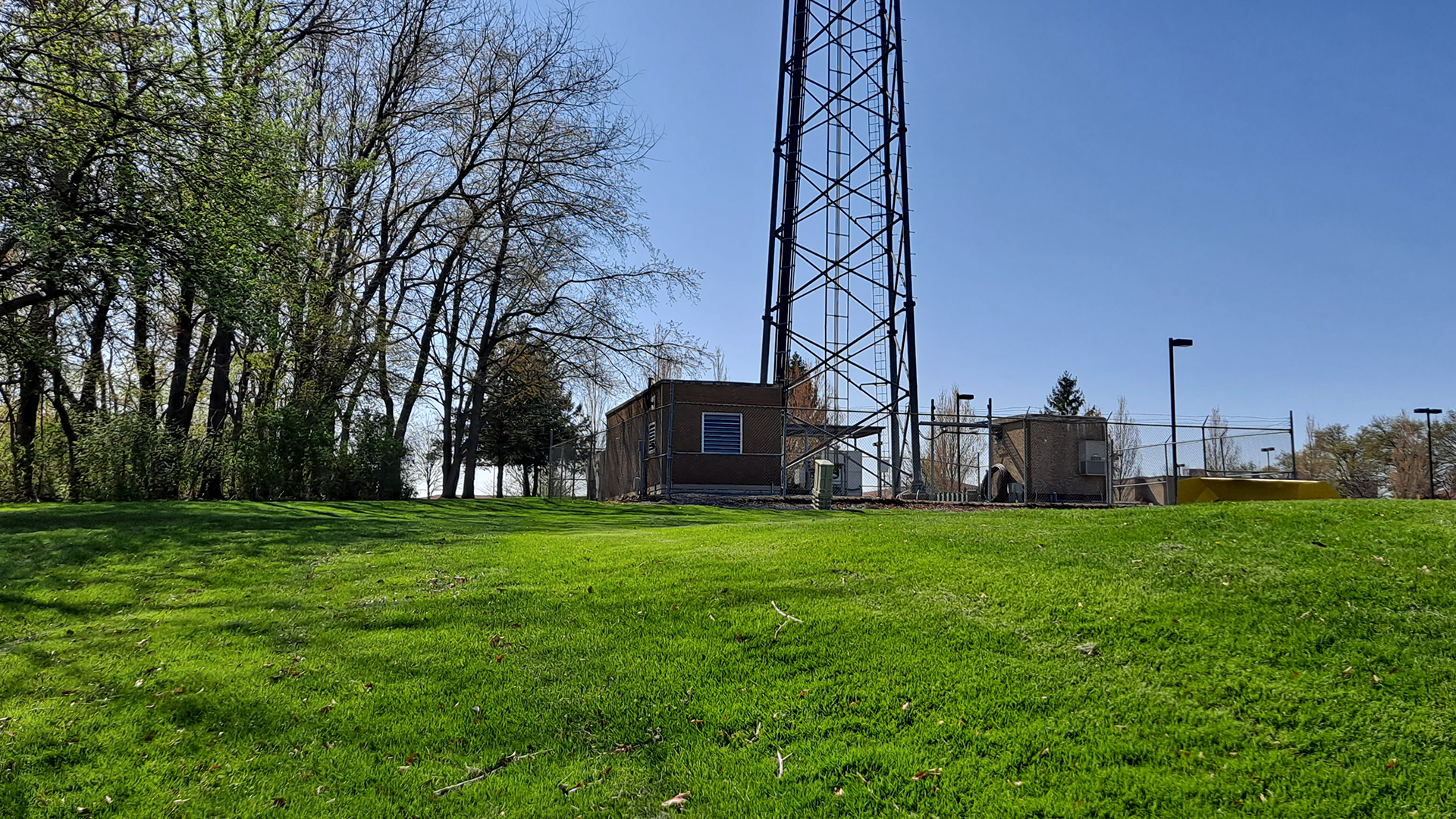
Protecting the Systems Behind Every Measured Transfer Pipeline operations depend on dependable measurement. At receipt, delivery, interconnection, and other designated measurement points, operators use metering systems to determine how much product moved, under what conditions, and—when applicable—how custody-transfer quantities will be calculated. Even a small, sustained measurement bias can have a material financial effect when it is applied to high throughput over time. The actual impact depends on the product, volume, price, contract, duration, and direction of the error, so a universal dollar value cannot be assigned to a one-percent difference. Pipeline metering and control buildings protect selected instruments, flow [...]

Pipeline Metering and Control Buildings: Precision Infrastructure Supporting Financial Accountability2026-09-14T18:25:00+00:00
Go to Top