Engineering the Facilities Behind Offshore Operations
Offshore energy projects operate where wind, waves, salt, humidity, remoteness, and complex logistics place extraordinary demands on people, equipment, and structures. Whether the project involves offshore oil and gas, offshore wind, marine terminals, or the shore-based facilities that support them, infrastructure must be designed for the actual environment and operating mission.
Steel support facilities for offshore energy can include equipment enclosures and modules installed on fixed or floating assets, along with onshore warehouses, maintenance shops, control buildings, fabrication areas, logistics bases, and port-side facilities. These are distinct applications. An offshore platform, mobile offshore drilling unit (MODU), floating production system, and conventional shore-based steel building do not share one universal design or regulatory path.
That distinction matters. Offshore structures and floating units require specialized offshore structural engineering, marine engineering, naval architecture, metocean analysis, process-safety expertise, and regulatory review. Shore-based support buildings require their own site, structural, envelope, fire-protection, environmental, and operational design. Red Direct’s experience with steel buildings for the energy sector can support the onshore and marine-adjacent side of that larger infrastructure network.
The Offshore Operational Imperative
Offshore operations combine environmental exposure with limited access and demanding logistics. Conditions vary greatly by region and facility type, so design criteria cannot be reduced to a universal wind speed, wave height, or service life. Site-specific metocean data, water depth, seabed conditions, temperature, ice where applicable, corrosion zones, operational loads, and regulatory requirements must shape the design basis.
Common challenges include:
- Wind, waves, currents, and storms: Structures and equipment must be evaluated for the environmental conditions and load combinations established for the site and facility.
- Marine corrosion: Salt, moisture, oxygen, temperature, pollutants, and wet-dry cycling create different corrosion risks in atmospheric, splash, tidal, submerged, and buried zones.
- Isolation: Offshore access may be restricted by weather, vessel availability, aviation limits, and distance from shore.
- Personnel protection: Escape, evacuation, rescue, fire and gas detection, emergency power, communications, and temporary refuge requirements depend on the facility and governing rules.
- Equipment reliability: Maintenance strategy, spare parts, monitoring, redundancy, and safe access must reflect the consequences of equipment failure.
- Environmental protection: Spill prevention, discharge controls, waste management, emissions, incident response, and project-specific environmental commitments must be integrated into operations.
- Supply-chain coordination: Port facilities, warehouses, laydown yards, repair shops, and transportation routes must keep offshore crews and assets supplied.
The performance of an offshore project therefore depends on both the asset at sea and the network behind it. Red Direct’s work with industrial steel facilities provides a useful foundation for the warehouses, maintenance buildings, protected workspaces, and operational bases that support this network.
Understanding Offshore and Shore-Based Facility Requirements
Platform Modules, Equipment Enclosures, and Support Buildings
Fixed platforms and floating facilities may incorporate steel modules or enclosures for electrical equipment, controls, workshops, storage, utilities, accommodations, or other functions. These components must be coordinated with the primary offshore structure and cannot be treated as independent conventional buildings.
Project-specific considerations may include:
- Weight, center of gravity, lifting points, transportation, and installation loads
- Global and local structural movement
- Wind, wave, current, seismic, ice, blast, fire, dropped-object, or impact loads where applicable
- Hazardous-area classification and electrical equipment selection
- Fire and gas detection, ventilation, pressurization, and shutdown interfaces
- Escape routes, access, temporary refuge, and emergency-response requirements
- Corrosion allowance, coatings, drainage, material compatibility, and inspection access
- Interfaces with piping, cable trays, equipment supports, cranes, and marine systems
These modules require coordination among the operator, offshore structural engineer, process and safety teams, marine specialists, fabricator, class society where applicable, and regulatory authorities. An integrated project-development process helps expose those interfaces before fabrication begins.
Onshore Processing and Operational Support
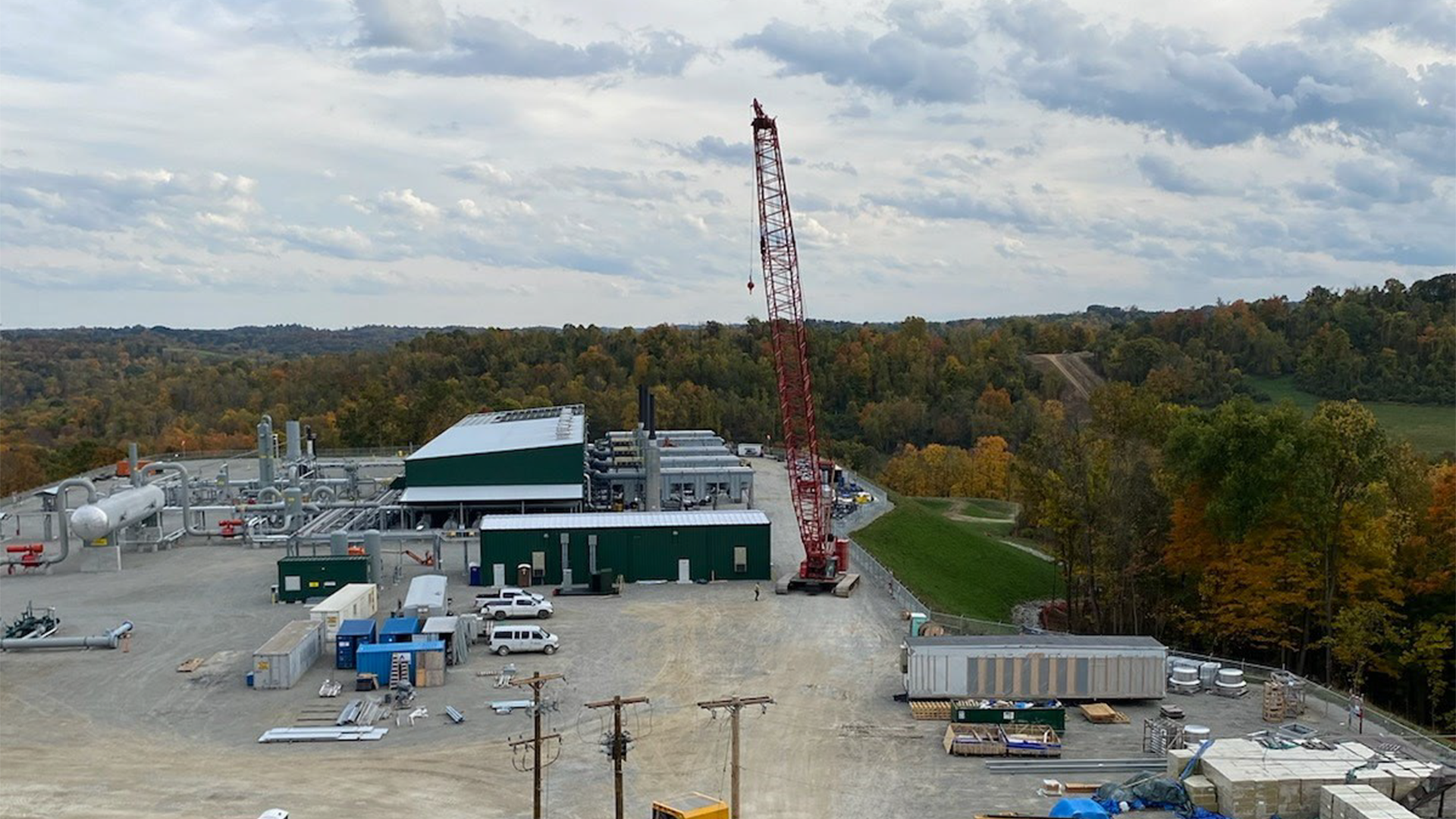
Some offshore production is connected to shore-based processing, metering, electrical, control, storage, or operations facilities. These buildings may protect sensitive equipment, support workers, and provide maintenance or warehouse space. They still require project-specific process-safety and environmental design, but they are governed differently from the offshore asset.
Common shore-based facilities include:
- Control, instrumentation, and electrical buildings
- Equipment warehouses and secure parts storage
- Maintenance shops and repair bays
- Operations offices, training areas, and personnel facilities
- Process-support and utility buildings
- Emergency-response and communications facilities
Experience with steel buildings for energy-processing operations can inform decisions about equipment access, ventilation, maintenance clearance, structural loads, and building-system coordination.
Port, Logistics, and Marine-Adjacent Facilities
Ports and staging bases connect offshore operations with roads, rail, suppliers, fabricators, vessels, and aviation services. Steel warehouses and shops can provide protected storage and maintenance capacity, while outdoor laydown areas accommodate large components and equipment.
Port-side planning may need to address:
- Heavy-haul routes, gates, turning radii, pavement capacity, and crane setup areas
- Quayside load limits and coordination with marine-terminal infrastructure
- Oversized component storage, tie-downs, dunnage, and weather protection
- Warehousing, inventory control, preservation, and quarantine areas
- Vessel loading, personnel movement, security, and restricted zones
- Drainage, spill response, stormwater, and environmental permits
- Future expansion and changing project phases
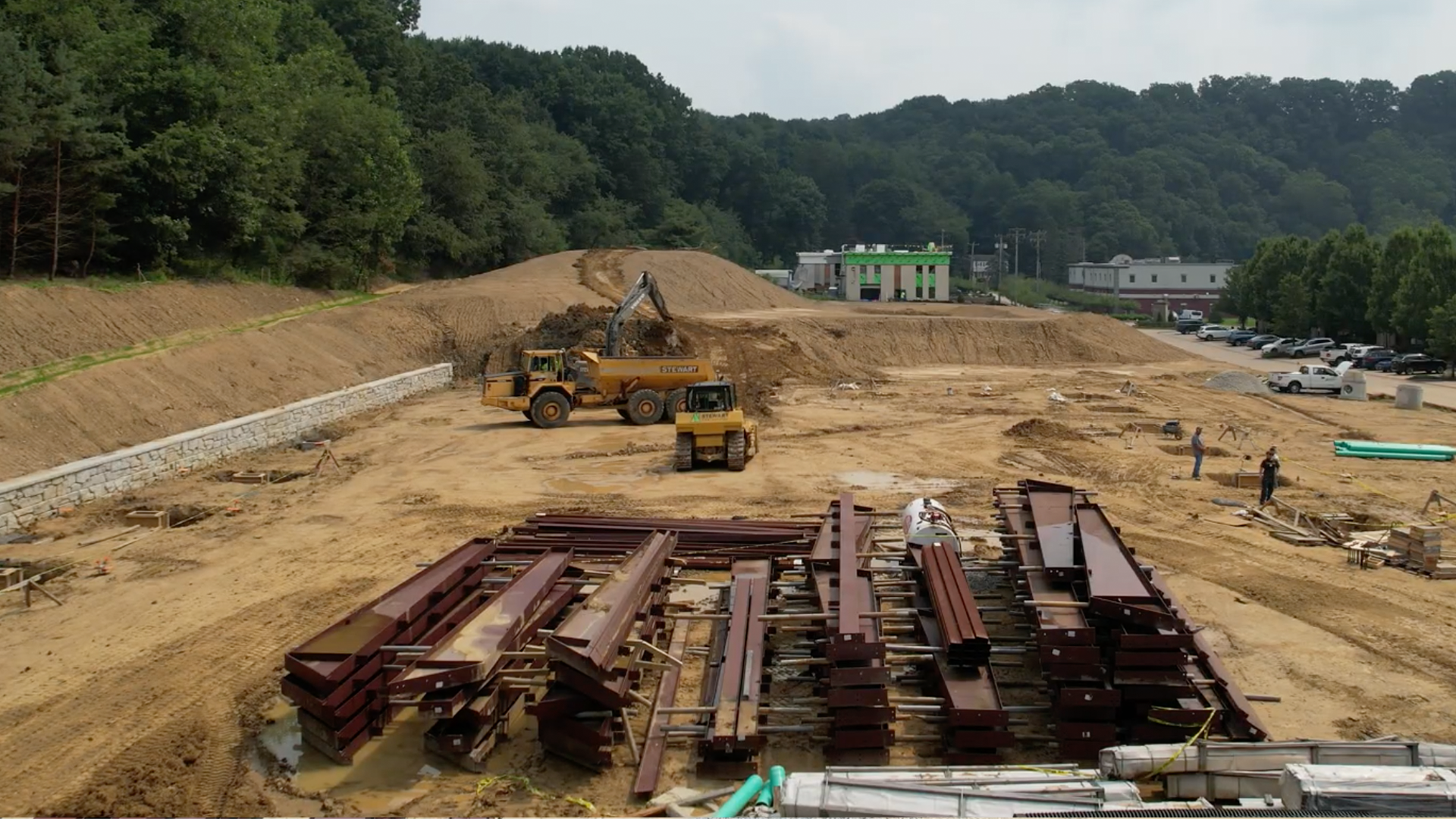
The principles used in steel storage-yard planning are relevant to many shore bases, particularly where vehicles, cranes, materials, covered storage, and emergency access share the same site.
Safety and Emergency Systems
Safety systems must reflect the hazards, occupancy, evacuation strategy, flag or coastal-state requirements, and facility classification. Not every offshore facility uses the same combination of lifeboats, life rafts, fire suppression, temporary refuge, medical capability, emergency power, or redundant communications.
Design and operating teams may need to coordinate:
- Fire and gas detection and alarm systems
- Active and passive fire protection
- Emergency shutdown and isolation
- Escape, evacuation, and rescue arrangements
- Emergency lighting, power, communications, and navigation aids
- First aid, medical response, drills, and emergency procedures
- Hazardous-material storage and spill-response equipment
Building layout supports these systems but does not replace the required process-hazard, fire-protection, marine-safety, or emergency-response analysis.
Why Steel Is Widely Used in Offshore Energy Infrastructure
Strength and Structural Efficiency
Steel can provide high strength relative to structural weight, making it useful for frames, modules, equipment supports, platforms, stairs, walkways, enclosures, and shore-based buildings. Efficient weight is especially important where components must be transported and lifted or where added topside weight affects the supporting structure.
Structural efficiency is not automatic. Member size may be governed by buckling, fatigue, stiffness, vibration, fire, corrosion allowance, connection geometry, transport limits, or fabrication requirements. Early engineering coordination is necessary to balance these demands.
Ductility and Toughness
Properly specified and detailed structural steel can provide ductile behavior and fracture resistance. Offshore material selection must consider temperature, thickness, welding, through-thickness demands, fatigue category, inspection, and the consequences of brittle fracture. A general statement that steel “absorbs impact” is not enough; performance depends on the complete design and fabrication process.
Fabrication and Connection Options
Steel components can be shop-fabricated, assembled into transportable units, and connected through engineered welded or bolted details. Shop conditions can support controlled fit-up, welding, coating, dimensional inspection, and documentation. Effective steel fabrication still depends on qualified procedures, trained personnel, material traceability, inspection, and careful handling.
Repairability and Adaptability
Steel structures may be inspected, reinforced, repaired, or modified when the condition, access, load path, welding constraints, and governing requirements allow. Offshore repairs can be difficult because of corrosion, contamination, fatigue damage, hazardous conditions, weather, access, and production constraints. Any repair must be engineered from verified condition data rather than assumed to restore the original capacity automatically.
Clear Spans and Equipment Access
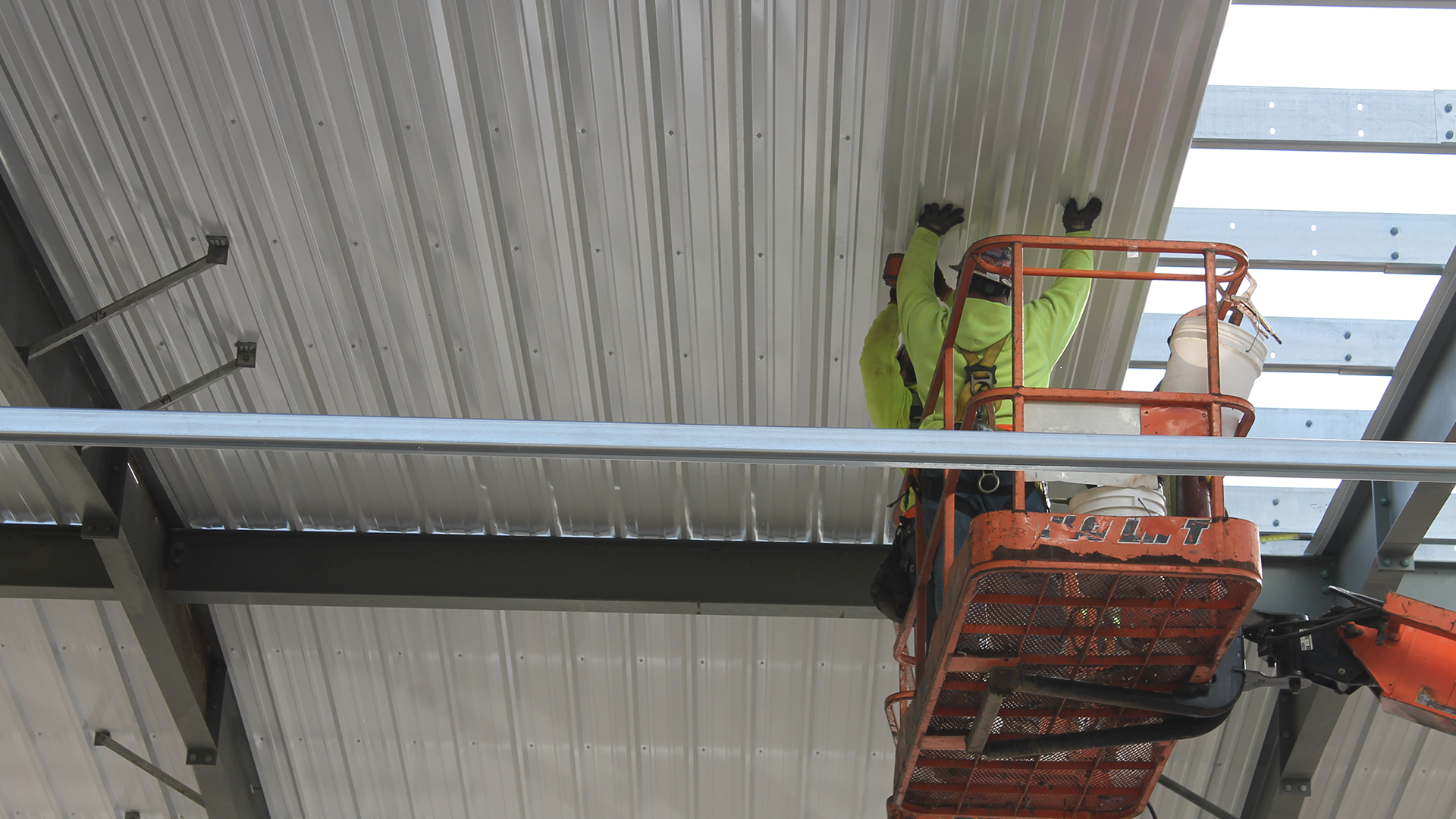
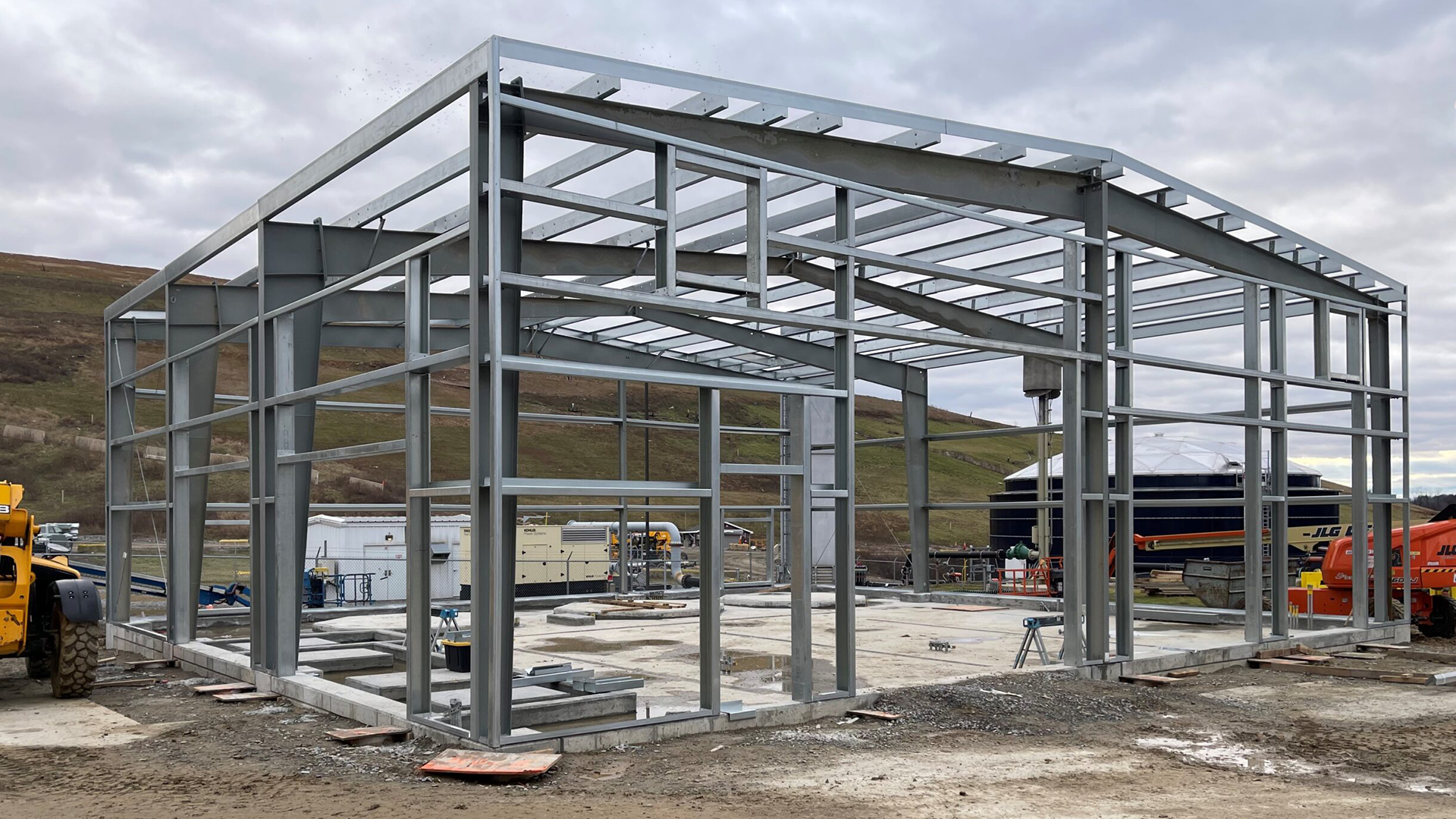
For shore-based warehouses and maintenance buildings, steel framing can provide wide clear areas for component storage, vehicle movement, fabrication, and lifting. A pre-engineered metal building may be appropriate for certain onshore support functions when it is designed for the site, exposure, occupancy, equipment, and building-code requirements.
Marine Corrosion Protection and Durability
Steel is not naturally immune to marine corrosion. Long-term performance depends on identifying exposure zones and combining suitable materials, detailing, coatings, cathodic protection where applicable, corrosion allowance, inspection, cleaning, and maintenance.
Coating Systems
Marine coating systems are selected according to substrate, exposure, service temperature, immersion, ultraviolet exposure, chemical contact, expected maintenance access, and required service interval. Systems may include primers, intermediate coats, and topcoats, but layer count alone does not determine performance.
Critical factors include:
- Surface preparation and soluble-salt control
- Stripe coating at edges, welds, bolts, and difficult details
- Environmental conditions during application and cure
- Specified dry-film thickness and coverage
- Compatibility among coats, substrates, insulation, and service conditions
- Holiday detection or other testing where required
- Protection during transport, lifting, and installation
- Repair procedures for damaged areas
Low-VOC products may help address environmental or worker-exposure goals, but selection must also consider technical performance and applicable regulations. Red Direct’s overview of modern steel construction and protective systems discusses how coatings fit into broader building-performance planning.
Cathodic Protection
Sacrificial-anode or impressed-current cathodic protection may be used for submerged or buried steel when appropriate. The system must be designed for the structure, coating condition, water or soil environment, current demand, interference risks, monitoring approach, and intended life.
Cathodic protection does not protect atmospheric steel above the electrolyte, and it requires inspection and monitoring. Anodes, electrical connections, reference electrodes, cables, and power supplies may require service or replacement.
Material Compatibility
High-strength low-alloy steel is selected primarily for mechanical properties and is not automatically corrosion-resistant. Stainless steels also vary in resistance to pitting, crevice corrosion, stress-corrosion cracking, and seawater exposure. Connecting stainless fasteners to carbon steel can create galvanic concerns if the materials and environment are not evaluated.
Material selection should consider the entire assembly, including fasteners, weld metal, gaskets, electrical continuity, coatings, drainage, and access for inspection.
Designing Out Corrosion Traps
Good detailing can reduce water retention and make inspection easier. Designers should avoid inaccessible crevices, unsealed overlaps, upward-facing pockets, poorly drained hollow sections, and details that trap wet insulation. Drainage paths, ventilation, sealed interfaces, removable panels, washdown access, and inspection clearances should be coordinated early.
Protective systems still require maintenance. Red Direct’s steel-building maintenance guidance reinforces the value of routine observation, coating repair, moisture control, and post-storm inspection for shore-based facilities.
Types of Offshore Energy Facilities
Fixed Offshore Platforms
Fixed platforms may support drilling, production, utilities, accommodations, equipment, or offshore electrical infrastructure. Their foundations and primary structures are specialized marine systems engineered for water depth, seabed conditions, metocean criteria, installation method, fatigue, corrosion, accidental loads, and decommissioning.
Steel modules and enclosures on these platforms must be integrated with the platform’s weight management, hazard layout, lifting strategy, structural movements, utilities, and emergency systems.
Floating Production and Offshore Units
FPSOs and other floating production units combine marine and process functions. Hull structure, stability, stationkeeping, marine systems, topsides, offloading, classification, flag-state rules, and coastal-state requirements form an interconnected design basis. Building-like modules installed on these units must be compatible with global motions, marine interfaces, fire zones, escape arrangements, and weight-control requirements.
Mobile Offshore Drilling Units
MODUs include ship-shaped, semisubmersible, and self-elevating units. Applicable construction, equipment, inspection, and operating requirements depend on the unit, flag, location, build date, and selected compliance pathway. The IMO MODU Code is specifically directed to mobile offshore drilling units; it should not be described as a universal code for every offshore facility.
Offshore Wind Support Infrastructure
Offshore wind projects may include turbine foundations, offshore substations, array and export cables, operations bases, component-storage yards, control facilities, and port infrastructure. Design depends on site-specific water depth, seabed geology, wind, waves, currents, corrosion, installation methods, cable routing, navigation, and environmental commitments.
Onshore buildings supporting these projects may benefit from the same durable, flexible features used in other energy-infrastructure support buildings, while offshore components remain within the specialized offshore engineering scope.
Subsea Systems
Subsea trees, manifolds, pipelines, risers, controls, protection structures, and cables operate under hydrostatic pressure and may be exposed to corrosion, fatigue, seabed movement, fishing activity, dropped objects, installation loads, and limited inspection access. These are engineered equipment systems rather than conventional steel buildings.
Shore bases nevertheless play an important role by storing, testing, preserving, repairing, and mobilizing subsea equipment before deployment.
Design Excellence for Extreme Marine Conditions
Site-Specific Environmental Design
Offshore design begins with a defined basis that addresses the site and facility. Metocean specialists establish wind, wave, current, water-level, temperature, and ice criteria where applicable. Geotechnical investigations address seabed and foundation conditions. Engineers then evaluate operating, extreme, abnormal, installation, transport, fatigue, accidental, and decommissioning conditions as required.
There is no responsible universal promise that every facility must resist the same wind speed or wave height. Return periods, directional effects, joint probability, air gaps, dynamic response, load combinations, and safety formats depend on the governing standard and project.
Fatigue and Structural Integrity
Waves, wind, machinery, vortex shedding, and operational activity can produce repeated loading. Fatigue performance depends on stress range, cycle count, welded-detail category, geometry, fabrication quality, residual stress, corrosion, inspection, and crack-growth behavior. Steel does not possess unlimited fatigue resistance simply because it is ductile.
Structural integrity management connects inspection findings, damage mechanisms, risk assessment, analysis, maintenance, and repair throughout the asset’s life. For shore-based facilities, disciplined steel-building project management provides a similar connection among design requirements, fabrication, site work, construction, and closeout.
Safety, Layout, and Emergency Response
Hazard identification should inform equipment separation, occupied-building location, blast and fire protection, drainage, ventilation, access, escape, muster, evacuation, and emergency response. The correct measures depend on the substances, inventories, process conditions, ignition risks, occupancy, and facility type.
Redundancy can improve availability or safety where systems are sufficiently independent, but duplicate equipment alone does not eliminate common-cause failures. Power, controls, utilities, access, environmental exposure, maintenance, and shared hazards must also be evaluated.
Maintainability and Logistics
Design should provide safe access for inspection, coating work, equipment removal, filter replacement, calibration, lifting, and repair. Equipment that cannot be reached or removed safely may create recurring operational risk.
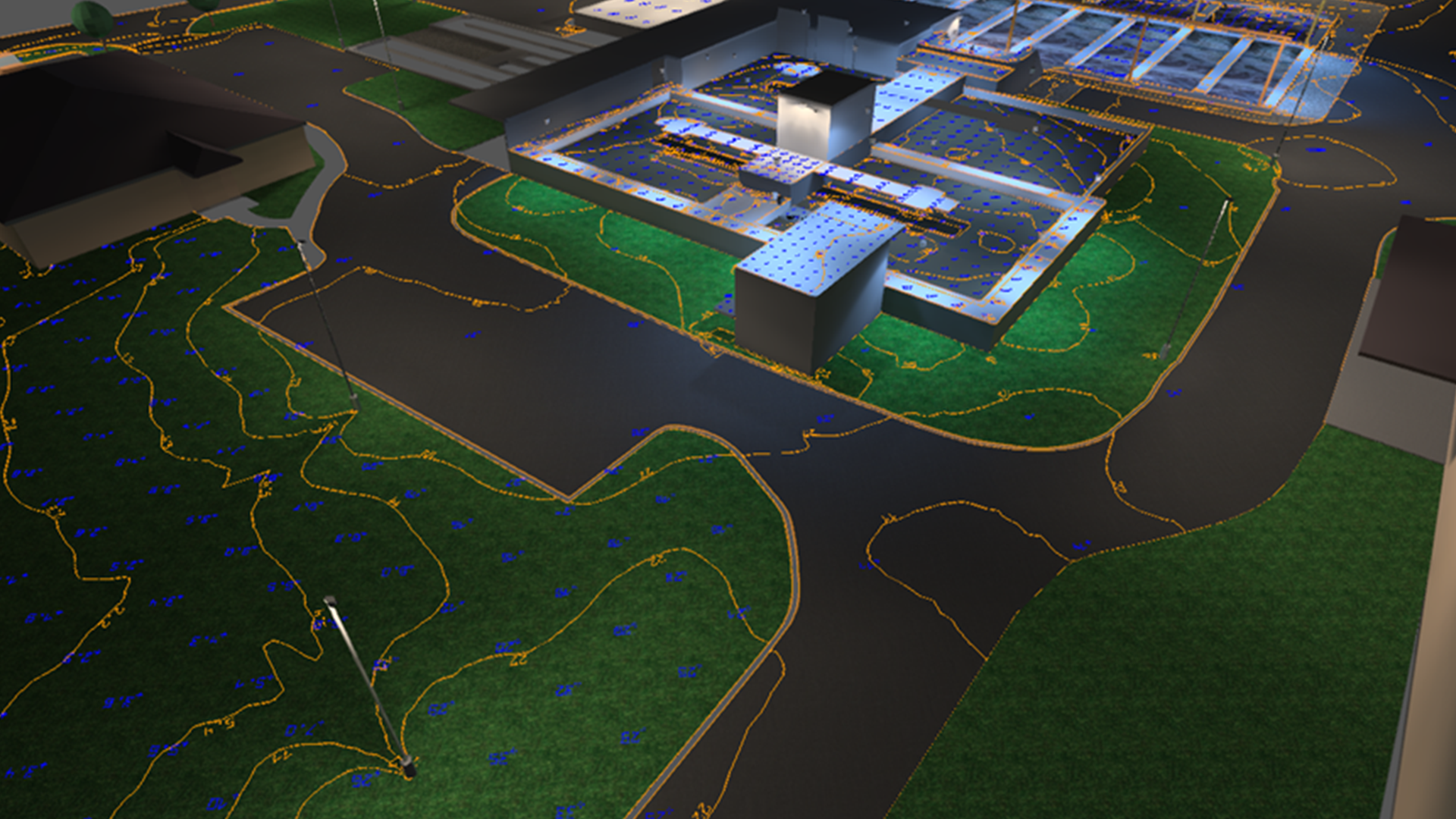
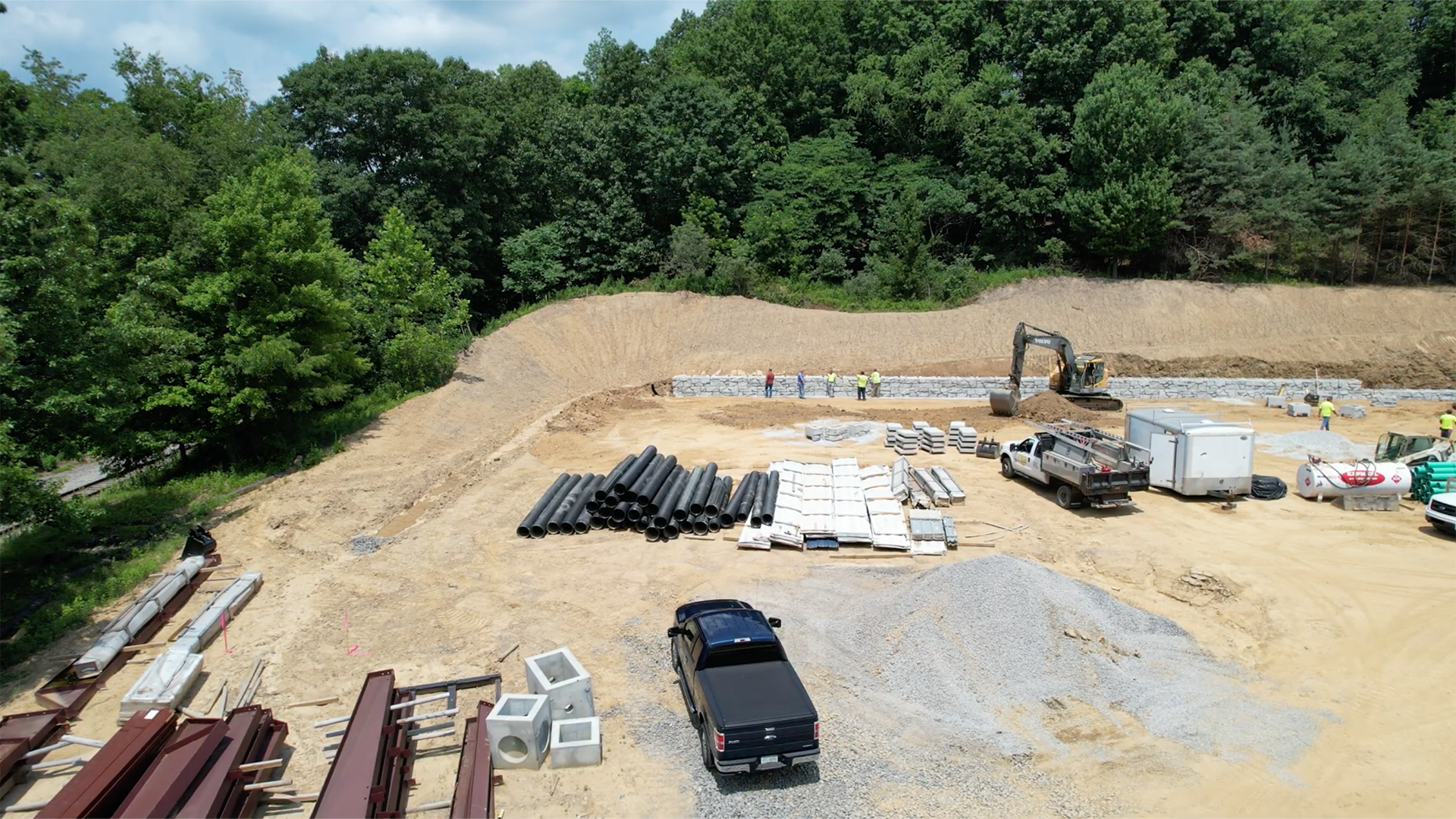
For shore facilities, delivery routes, laydown space, overhead doors, crane coverage, loading areas, and storage should be coordinated with the equipment they support. Red Direct’s guidance on site development for steel buildings addresses access, grading, utilities, and construction logistics.
Operational and Lifecycle Considerations
Quality design can support safe operations, equipment protection, maintainability, and service life, but it cannot guarantee uninterrupted production, lower operating costs, favorable financing, or reduced insurance premiums. Those outcomes depend on the asset, market, operating practices, maintenance, claims history, risk profile, and many other factors.
Potential lifecycle benefits of coordinated facility design include:
- Improved access for inspection and maintenance
- Better protection for sensitive equipment and stored materials
- Clearer separation of personnel, vehicles, lifting, and hazardous operations
- Earlier identification of coating and corrosion-maintenance needs
- More organized spare-parts and equipment logistics
- Greater adaptability for changing shore-base operations
- More complete turnover records for future maintenance and modifications
Lifecycle planning should consider inspection intervals, access, coating renewal, replacement components, obsolescence, operational downtime, future modifications, and decommissioning. A long design life is a project requirement to be engineered and maintained—not an automatic property of steel.
Regulatory and Standards Framework
Offshore requirements are determined by location, activity, facility type, flag, ownership, lease, and jurisdiction. A fixed production platform, MODU, FPSO, offshore wind installation, subsea system, support vessel, port warehouse, and onshore processing building may be governed by different combinations of law, regulation, code, standard, class rules, and permit conditions.
United States Outer Continental Shelf Oversight
For U.S. Outer Continental Shelf oil and gas operations, the Bureau of Safety and Environmental Enforcement administers safety, environmental, production, and structural requirements under 30 CFR Part 250, including Safety and Environmental Management Systems requirements. BSEE incorporates selected industry standards into its regulations.
The U.S. Coast Guard has responsibilities involving marine safety, lifesaving, firefighting, navigation, certain facility and vessel systems, MODUs, floating OCS facilities, and support vessels. The exact division of responsibility must be confirmed for the asset.
OSHA authority on the OCS is limited where the Coast Guard, BSEE, or another federal agency exercises statutory authority over the same working condition. A blanket statement that all offshore operations simply “must comply with OSHA” is therefore incomplete.
API and International Standards
Depending on the facility and jurisdiction, offshore work may reference API documents addressing fixed platforms, metocean criteria, structural integrity management, production safety systems, cranes, risers, mooring, and safety and environmental management. ISO offshore-structure standards and other recognized codes may also apply.
The project team must confirm the applicable document, edition, incorporated provisions, supplements, and regulatory status. A recommended practice becomes legally enforceable only through the applicable contract, regulation, approval, or other governing mechanism.
IMO, Flag-State, and Classification Requirements
IMO instruments apply according to vessel or unit type, flag, voyage, and adoption. The MODU Code is focused on mobile offshore drilling units. SOLAS, MARPOL, load-line, lifesaving, fire-safety, and other maritime requirements may apply to vessels or floating units through the relevant legal framework.
Classification societies publish rules and may review, survey, or class floating units and offshore structures. Class involvement can be required by flag administrations, coastal states, lenders, insurers, owners, or contracts, but it does not replace all regulatory approvals.
Environmental Review and Permitting
Offshore projects may require environmental review, lease or plan approval, protected-species consultation, navigation review, discharge authorization, spill-response planning, air permits, and other federal, state, local, or international approvals. Offshore wind projects on the U.S. OCS involve responsibilities shared among agencies including BOEM, BSEE, and the Coast Guard.
Shore-based facilities have their own land-development, stormwater, wetlands, coastal-zone, building, fire, and operational permits. Early permitting coordination and industrial stormwater planning can help keep those requirements connected to the building and site design.
Selecting the Right Project Team
No single building contractor should be expected to provide every discipline required for an offshore platform, floating production unit, wind installation, port base, and onshore processing facility. Owners should assemble a team whose experience matches the actual scope.
Depending on the project, qualifications may include:
- Offshore structural engineering, marine engineering, or naval architecture
- Site-specific metocean and geotechnical expertise
- Process, fire-protection, electrical, mechanical, and functional-safety capability
- Corrosion, coatings, cathodic protection, and structural-integrity experience
- Module fabrication, weight control, lifting, transport, and installation planning
- Knowledge of the applicable regulatory, class, flag, and environmental framework
- Port, logistics, warehousing, and heavy-component handling experience
- Documented quality and safety systems
- References for work comparable in scope, environment, and complexity
For shore-based and marine-adjacent steel buildings, coordinated construction management and construction services can help connect engineering, fabrication, site preparation, delivery, erection, utilities, and closeout. Red Direct’s safety commitment also supports responsible project execution.
Strengthening the Infrastructure Behind Offshore Energy
Offshore energy depends on far more than the structure visible above the water. It relies on modules, control systems, maintenance capacity, warehouses, fabrication areas, staging yards, port infrastructure, communications, emergency planning, and a disciplined supply chain.
Well-designed steel support facilities for offshore energy can protect equipment, organize logistics, support personnel, and provide adaptable space across the onshore and marine-adjacent portions of that network. Their value comes from project-specific engineering, honest performance criteria, corrosion planning, safe access, and ongoing maintenance—not from steel alone.