
HOW STEEL DATA CENTERS SUPPORT THE RAPID EXPANSION OF AI INFRASTRUCTURE
Artificial intelligence is transforming industries across the global economy. From advanced analytics and autonomous systems to machine learning platforms and generative AI technologies, the computing power required to support these innovations is growing at an unprecedented pace.
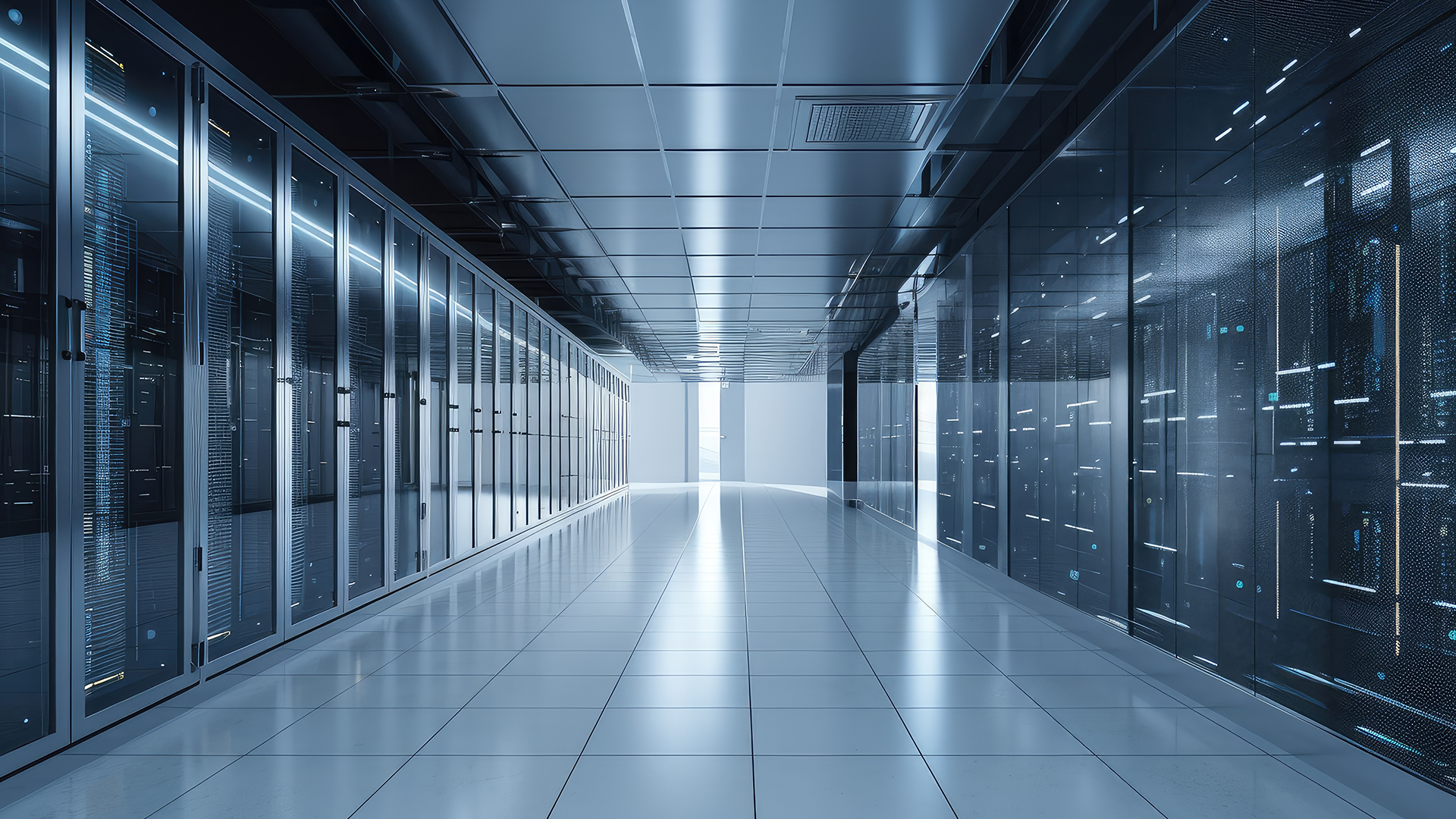
Behind every AI system is a vast network of data centers that process, store, and distribute enormous amounts of information. These facilities serve as the physical backbone of modern AI infrastructure, housing high-performance computing equipment that must operate continuously and reliably.
As demand for AI capabilities continues to surge, the construction of new data centers has accelerated around the world. Technology companies, cloud service providers, and infrastructure investors are building large-scale facilities capable of supporting increasingly powerful computing systems.
These facilities must meet strict performance requirements, including structural durability, operational efficiency, and environmental control. Steel data centers have emerged as a preferred solution for many developers because steel construction offers the strength, flexibility, and scalability required to support advanced computing infrastructure.
By providing adaptable structural systems and efficient building envelopes, steel buildings help power the infrastructure behind the AI revolution.
THE EXPLOSIVE GROWTH OF ARTIFICIAL INTELLIGENCE INFRASTRUCTURE
Artificial intelligence applications rely on vast computing networks capable of processing massive data sets in real time. Training machine learning models and running AI-powered systems requires specialized hardware such as graphics processing units (GPUs), high-performance servers, and advanced networking equipment.
These systems consume large amounts of power and generate significant heat, requiring carefully designed facilities that can maintain stable operating conditions.
Over the past decade, the scale of data center construction has expanded dramatically as companies invest in the infrastructure needed to support AI technologies.
Cloud computing platforms now host many of the services used by businesses, researchers, and developers building AI tools. As these platforms grow, the demand for data center capacity continues to increase.
Large technology firms are investing billions of dollars in new infrastructure projects to ensure that computing resources remain available for emerging applications.
The rapid expansion of AI infrastructure has created a growing need for facilities that can be built quickly while maintaining high levels of performance and reliability.
Steel data centers help meet this need by providing structural systems that allow for efficient construction and scalable facility design.
UNDERSTANDING THE UNIQUE REQUIREMENTS OF AI DATA CENTERS
Data centers designed for AI workloads differ significantly from traditional computing facilities. These buildings must support extremely dense computing environments where large numbers of servers operate simultaneously.
Several key infrastructure requirements influence the design of AI data centers.
Power distribution is one of the most critical factors. AI workloads require substantial electrical capacity to operate high-performance computing hardware. Data centers must include advanced electrical systems capable of delivering consistent power across multiple server clusters.
Cooling systems are equally important. AI servers generate significant heat, and maintaining proper temperatures is essential for equipment performance and longevity. Facilities must incorporate advanced cooling technologies that manage heat while maintaining energy efficiency.
Structural strength is another major consideration. Server racks, electrical equipment, and cooling systems create heavy equipment loads that must be supported by the building’s structural framework.
Steel construction offers advantages in each of these areas, making it well suited for modern data center environments.
WHY STEEL IS IDEAL FOR DATA CENTER CONSTRUCTION
Steel buildings provide several characteristics that align with the operational needs of AI infrastructure facilities.
One of the most significant advantages is structural strength. Steel framing systems are capable of supporting heavy equipment loads while maintaining stability and reliability over long periods of time.
Server racks, cooling systems, power infrastructure, and backup equipment all contribute to the overall weight of a data center facility. Steel structures can accommodate these loads while providing the open interior layouts required for efficient equipment placement.
Another advantage is design flexibility. Data centers often require large interior spaces that allow operators to configure server layouts based on evolving technology requirements.
Steel buildings can be designed with wide clear spans that eliminate interior support columns, creating open floor plans that support flexible equipment arrangements.
This flexibility allows operators to expand or reconfigure infrastructure as technology evolves.
Steel construction also supports rapid project timelines. Many data center projects must be completed quickly to meet growing demand for computing capacity. Prefabricated steel components can be manufactured off-site and assembled efficiently during construction.
This approach can help reduce project timelines while maintaining high standards of structural quality.
ENGINEERING DATA CENTERS FOR HIGH-DENSITY COMPUTING
Designing facilities capable of supporting advanced AI infrastructure requires careful coordination between structural engineers, electrical specialists, and mechanical system designers.
The structural framework of the building must accommodate equipment loads while maintaining stability across large interior spaces.
Steel framing systems allow engineers to design buildings that support heavy server racks and cooling equipment while maintaining efficient structural performance.
These systems also provide the flexibility required to incorporate cable management systems, electrical distribution networks, and mechanical infrastructure throughout the facility.
Floor systems must be engineered to support concentrated loads created by server racks and power equipment. Steel framing allows engineers to distribute these loads effectively while maintaining structural integrity.
In addition to structural considerations, the building envelope must protect equipment from environmental conditions. Data centers must remain operational regardless of external weather conditions.
Steel building systems provide durable exterior walls and roofing assemblies that protect sensitive equipment from moisture, wind, and temperature fluctuations.
ENERGY AND COOLING INFRASTRUCTURE
AI data centers require sophisticated cooling systems to manage the heat generated by high-performance computing equipment.
Several cooling technologies are commonly used in modern facilities, including air cooling, liquid cooling, and hybrid systems that combine multiple approaches.
These systems require space within the building for mechanical equipment, piping systems, and airflow management infrastructure.
Steel buildings provide the structural capacity needed to support this equipment while allowing engineers to design layouts that optimize airflow and cooling performance.
Energy efficiency is also a major consideration in data center design. Operators seek to minimize energy consumption while maintaining stable computing environments.
Steel building systems can support insulation solutions and energy-efficient building envelopes that help improve facility performance.
By reducing energy loss and improving thermal control, these design features help operators manage operational costs.
SCALABILITY FOR FUTURE TECHNOLOGY
The pace of technological change in artificial intelligence means that data center infrastructure must be designed with scalability in mind.
Facilities built today may need to accommodate new hardware technologies, expanded computing capacity, or upgraded cooling systems in the future.
Steel construction supports this adaptability by allowing buildings to be expanded or modified without extensive structural changes.
Additional server halls, equipment rooms, or support facilities can often be added to steel structures more easily than to buildings constructed with other materials.
This scalability allows operators to respond quickly to changing technology requirements while maximizing the lifespan of the facility.
THE ROLE OF STEEL DATA CENTERS IN THE FUTURE OF AI
Artificial intelligence continues to transform industries ranging from healthcare and finance to transportation and manufacturing. As organizations adopt AI technologies, the infrastructure required to support these systems will continue expanding.
Data centers represent the physical foundation of this digital transformation.
Facilities capable of supporting high-performance computing environments will play a critical role in enabling future innovations.
Steel construction provides a reliable and adaptable solution for building these facilities. By combining structural strength, design flexibility, and efficient construction methods, steel buildings help create the infrastructure needed to support the next generation of computing technologies.
As AI continues to evolve, steel data centers will remain an important part of the systems powering modern technology.