Preparing the Ground for Stronger, Smarter Steel Construction
Every successful steel building begins long before the first bolt is tightened. The true foundation of the project starts at ground level — through strategic site development and grading. Whether constructing a warehouse, manufacturing facility, retail building, or AI-ready data center, preparing the land properly ensures safety, stability, drainage, and long-term performance.
Site development is where efficiency, cost savings, and structural integrity are won or lost. In this guide, we break down the core elements of developing, grading, and preparing a site for steel buildings so your project is set up for success from day one.
Why Site Development Matters for Steel Buildings
Steel structures are engineered for precision. But even the best building system cannot compensate for poor site prep.
Proper site development ensures:
- Structural stability and minimal settlement
- Efficient water drainage away from the foundation
- Improved construction timelines
- Clear utility routing and access
- Compliance with zoning and environmental requirements
- Reduced long-term maintenance issues
A steel building is only as strong as the site it’s built on — and smart preparation protects your investment.
Step 1: Land Evaluation & Site Selection
Before development begins, builders must determine whether the land can support a steel building.
Key factors include:
- Topography: Natural slopes affect drainage and grading requirements.
- Soil type: Clay, sand, rock, and mixed soils each behave differently.
- Groundwater levels: High water tables may require drainage systems or raised foundations.
- Access & logistics: Deliveries, equipment staging, and emergency access must be feasible.
- Environmental concerns: Wetlands, protected species, and erosion zones impact planning.
Geotechnical surveys provide data that drives all grading and foundation decisions. For steel buildings — which require a stable, uniform foundation — this step is essential.
Step 2: Clearing & Preparing the Site
Once the land is approved, it must be cleared to create a workable base for construction.
Clearing typically includes:
- Removing vegetation, roots, rocks, and debris
- Demolishing old structures
- Stripping and storing topsoil
- Establishing access roads for construction vehicles
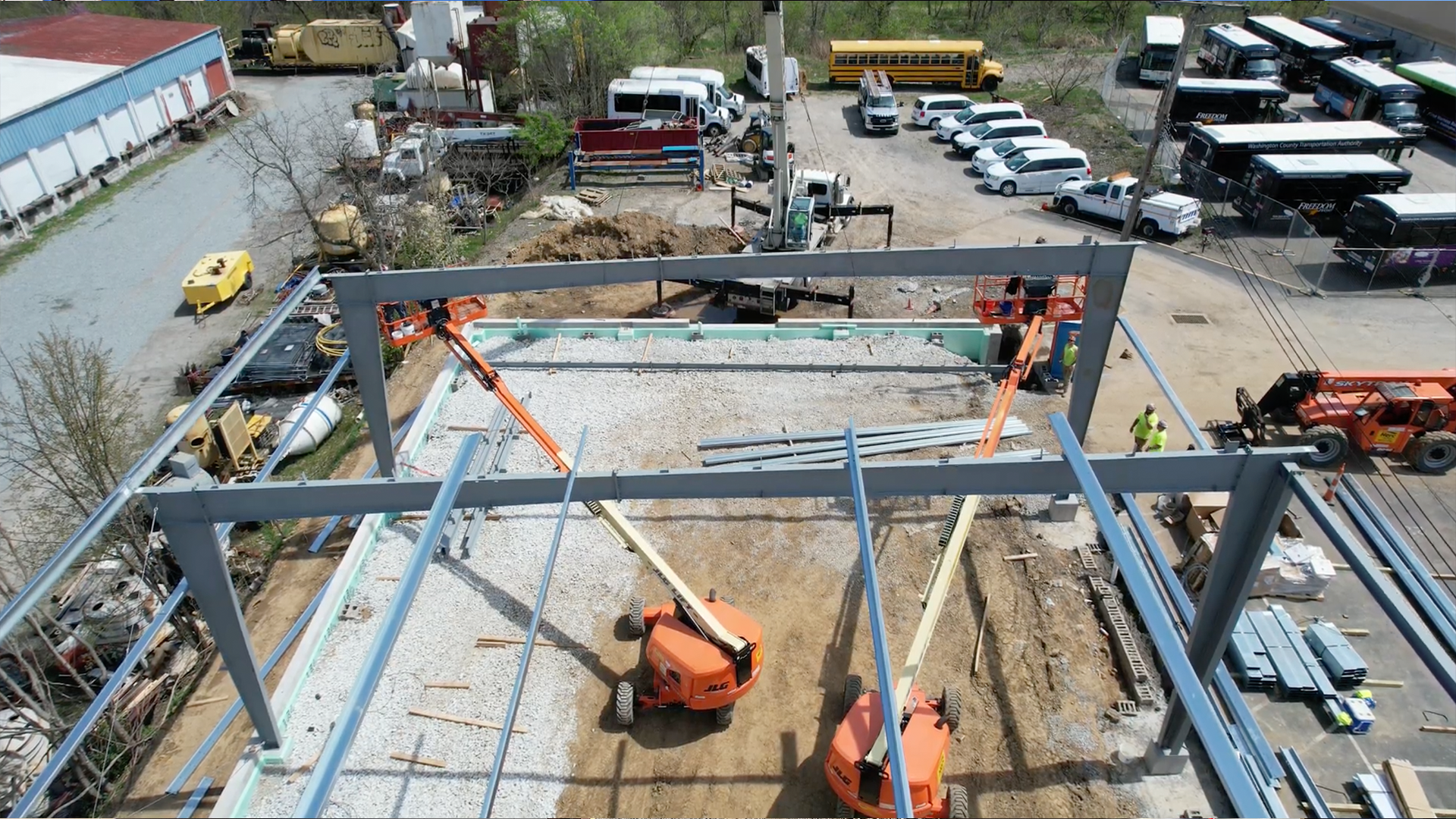
Steel building components arrive pre-engineered, so having a clean, organized site is critical to efficient installation.
Step 3: Rough Grading — Shaping the Land
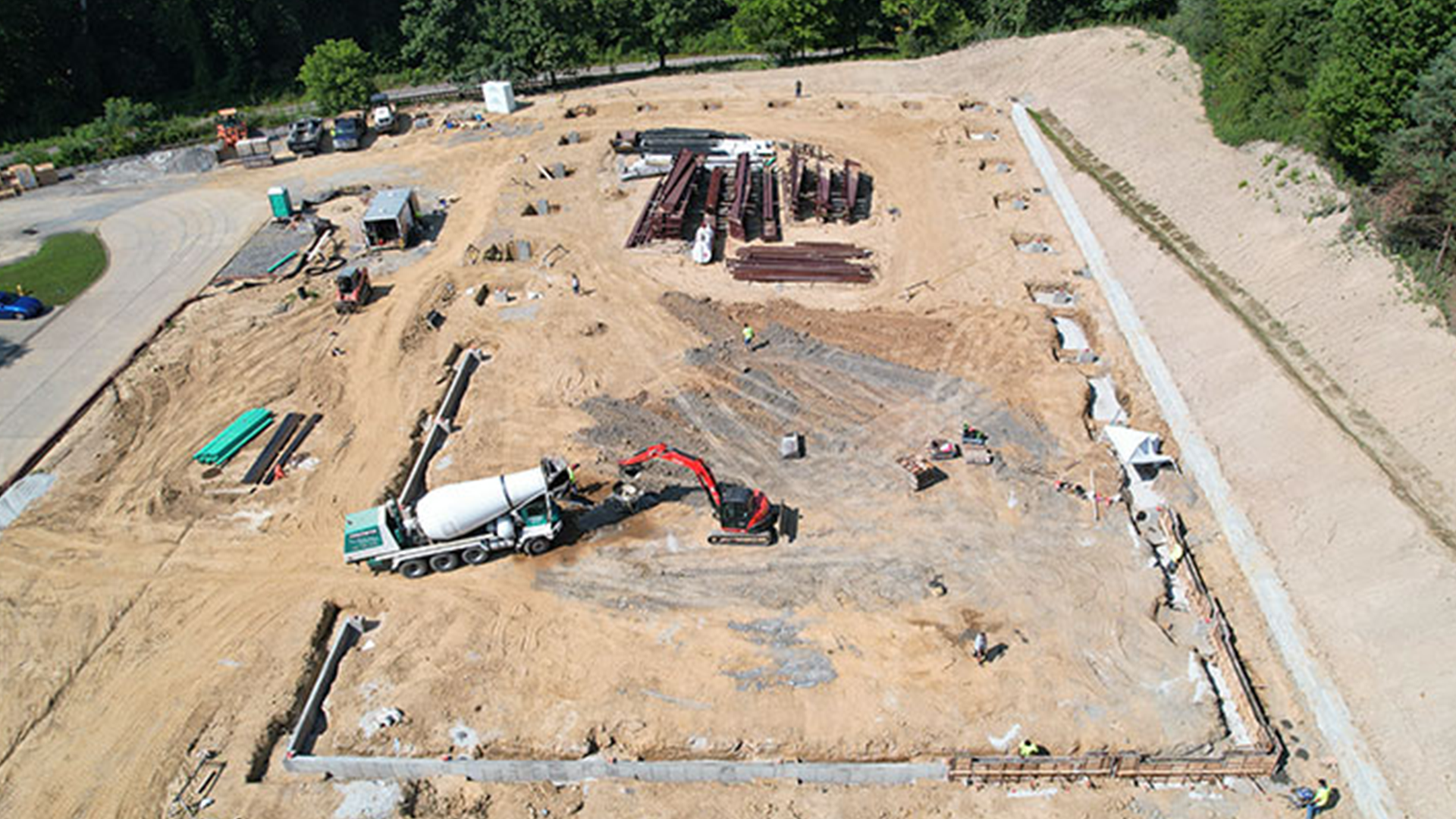
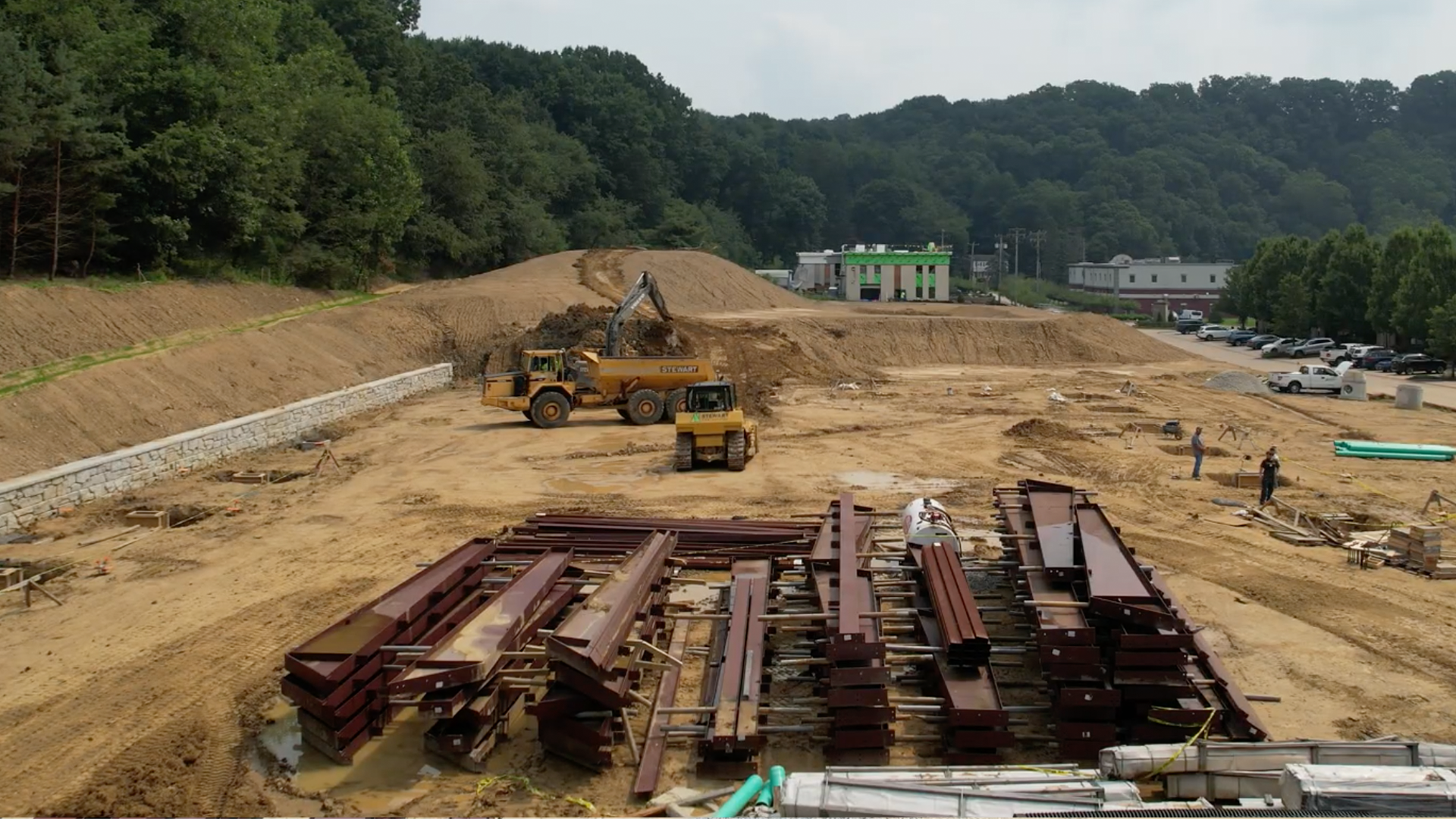
Rough grading shapes the natural terrain to create a level and stable pad for the building.
Goals of rough grading:
- Create the building footprint
- Establish slopes for drainage
- Remove low spots where water could pool
- Build up areas that need additional support
Heavy equipment — bulldozers, scrapers, and excavators — is used to reshape the land according to engineering plans.
A properly graded pad helps prevent:
- Foundation cracking
- Settlement issues
- Water intrusion
- Structural concerns over time
Step 4: Soil Stabilization
Not all soil is ready to support a steel building.
Weak or unstable soils may require stabilization methods such as:
- Compaction: Increasing density to improve load-bearing capacity.
- Lime or cement treatment: Strengthening clay-rich soils.
- Geotextile reinforcement: Adding grid systems beneath the slab.
- Over-excavation and engineered fill: Removing unsuitable soil and replacing it with compacted layers.
Steel buildings rely heavily on consistent support across their entire footprint — making soil stabilization one of the most important prep steps.
Step 5: Fine Grading — Precision for Performance
Fine grading is the final shaping of the site before construction begins.
It ensures:
- The slab area is perfectly level
- Drainage slopes meet engineering specs
- Compaction meets required density
- The building pad matches design elevations
Fine grading uses laser-guided equipment for precision — essential for pre-engineered steel structures where misalignment of even a few inches creates installation challenges.
Step 6: Drainage Planning & Water Management
Steel buildings perform best on well-drained sites. Proper drainage prevents:
- Foundation damage
- Soil erosion
- Moisture intrusion
- Frost heave in colder climates
Drainage solutions may include:
- Swales or ditches to direct water
- French drains or underdrains
- Retention ponds or stormwater basins
- Graded slopes around the building
- Gutters and downspout extensions
The goal is simple — water must always flow away from the foundation.
Step 7: Utility Planning & Trenching
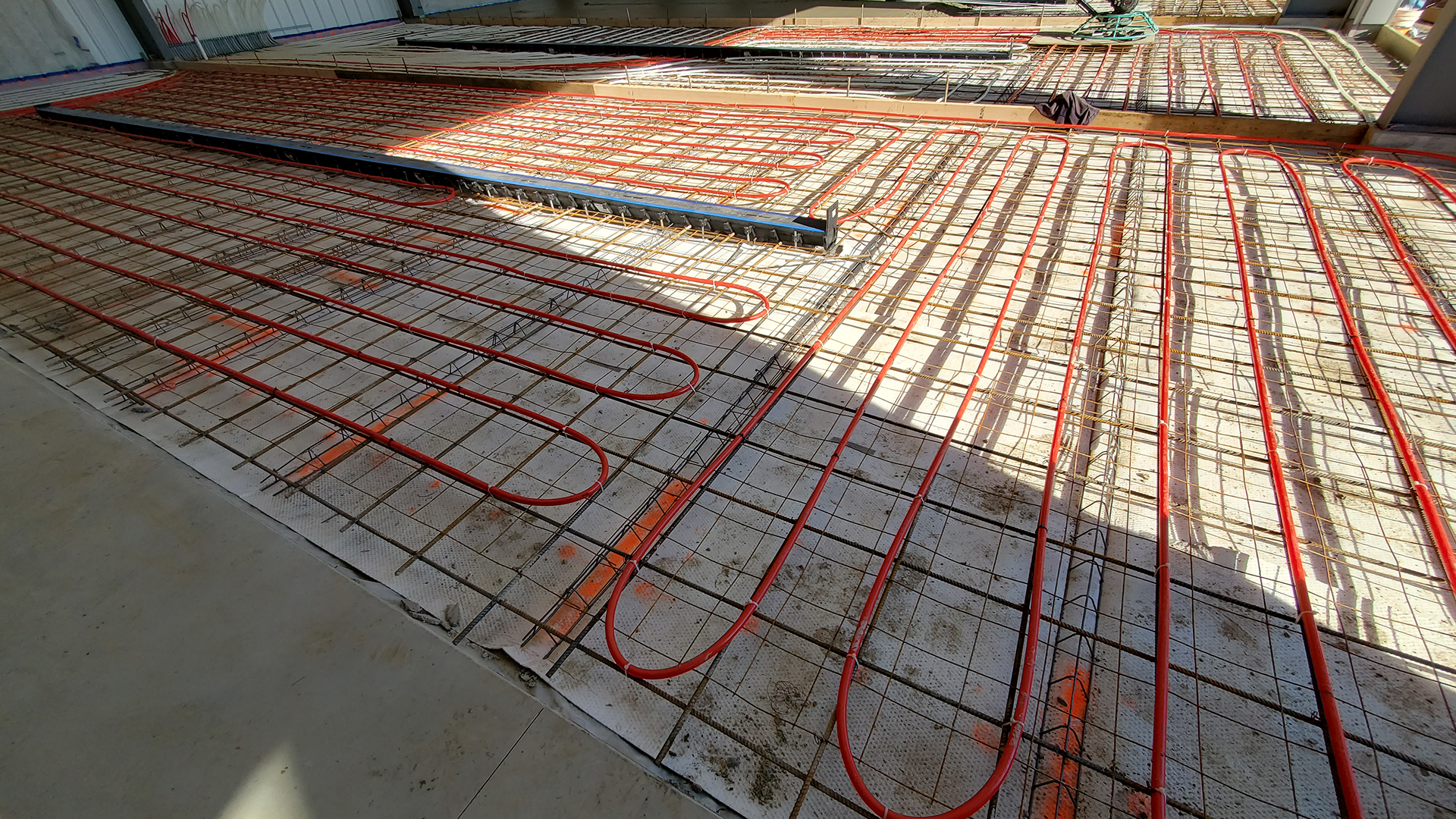
Before the slab is poured, utilities must be coordinated and installed.
Steel building projects often require:
- Electrical service
- Water supply
- Sewer lines
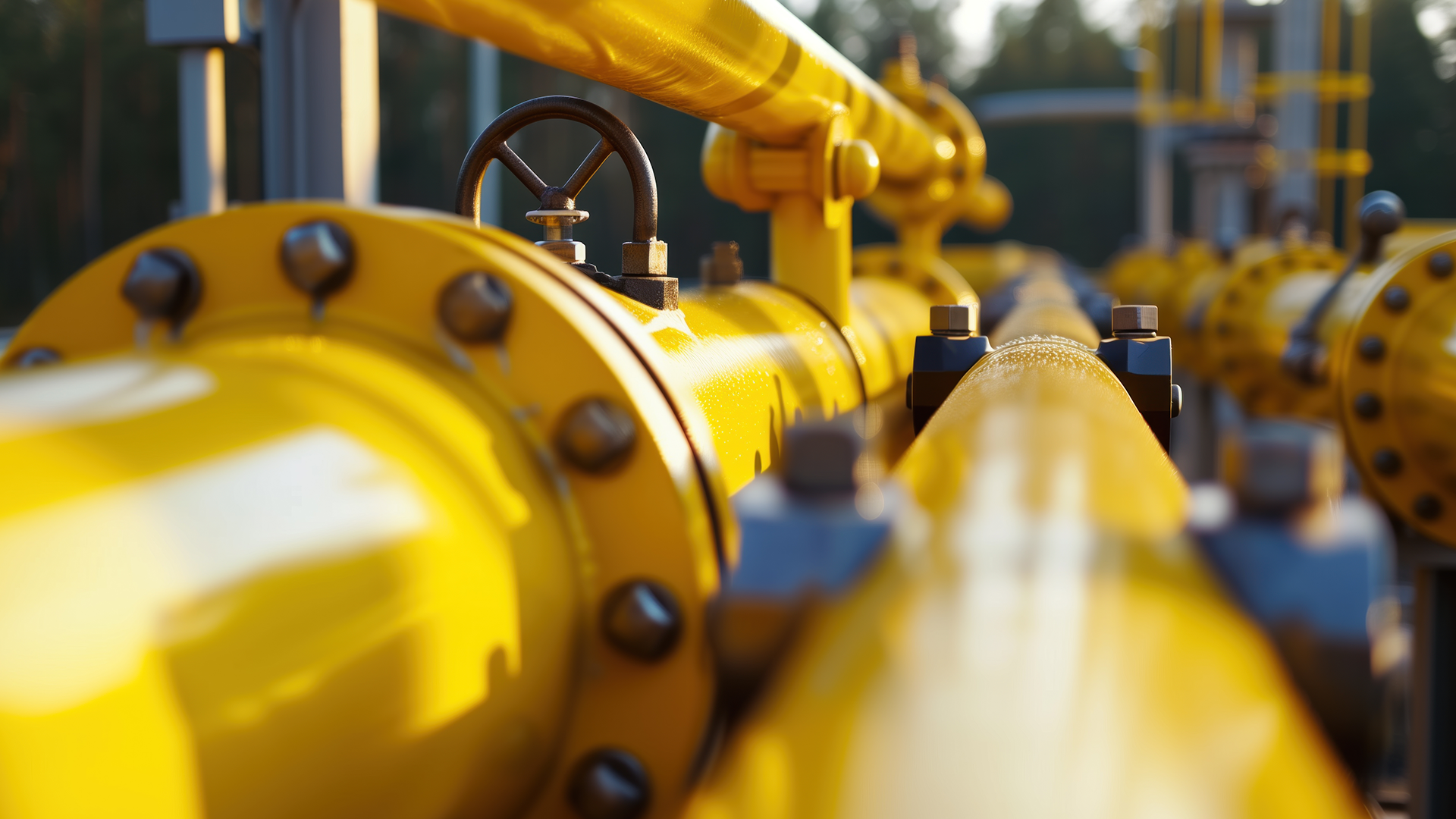
- Gas or propane
- Fiber and communications lines
- HVAC and mechanical connections
Careful trenching prevents conflicts with foundations and avoids costly rework later.
Step 8: Access Roads & Construction Logistics
Even the best site prep won’t matter if materials and equipment can’t reach the project.
Roads must be capable of supporting:
- Heavy steel delivery trucks
- Cranes
- Earthmoving equipment
- Emergency vehicle access
Proper logistics planning keeps timelines tight and crews safe.
Step 9: Environmental & Regulatory Compliance
Every site must meet local, state, and federal guidelines regarding:
- Stormwater management (SWPPP)
- Erosion control
- Wetland protection
- Local zoning and setbacks
- Grading permits
- Noise and dust control
Non-compliance can halt construction, so planning ahead is critical.
Preparing Your Site for Future Expansion
One of the major advantages of steel buildings is expandability. Smart site development includes planning for:
- Additional building wings
- Extended driveways or loading areas
- Utility upgrades
- Future parking lots
- Increased drainage needs
By engineering the site with growth in mind, property owners avoid expensive retrofits down the road.
Success Starts with the Site
Every steel building project — regardless of size — relies on strong, strategic ground preparation. Whether you’re building a warehouse, retail facility, data center, or industrial shop, proper site development ensures faster construction, fewer headaches, and long-term structural performance.
With the right grading, drainage, soil prep, and utility planning, your project begins with confidence.
Build on Solid Ground with Red Direct
We help you prepare a strong, stable site that sets your project up for decades of success.
Starting a steel building project? Red Direct provides expert guidance from the first site evaluation through the final build. Contact our expert steel team today!
Related Posts
Weather-Resistant Steel Buildings for Energy Infrastructure: Engineering Resilience Against Extreme Conditions