
Managing Steel Construction the Smart Way — Faster Builds, Better Results
Steel buildings are known for their speed, strength, and long-term value — but achieving those results takes more than great materials. It takes strategic, well-coordinated project management from the very first concept to the final walk-through.
Whether you’re building a warehouse, industrial facility, retail center, manufacturing plant, or data-driven operation, successful steel construction depends on a structured process, clear communication, and expert oversight.
This guide breaks down how steel construction project management works, the phases you should expect, and what ensures your building is completed on time, on budget, and built to last.
Why Steel Construction Requires Specialized Project Management
Steel buildings differ from traditional construction because so much of the work happens before arriving on-site. Pre-engineered metal buildings (PEMBs) require:
- Detailed upfront design
- Exact engineering and load calculations
- Coordinated scheduling with manufacturers
- Close collaboration between architects, engineers, and builders
- Precise on-site assembly
Because timelines are shortened and tolerances are tight, expert project management ensures each phase flows smoothly with minimal downtime or delays.
Phase 1: Initial Planning & Project Assessment
Every successful project starts with understanding the client’s goals and constraints.
- Identifying building function and size
- Reviewing site location and limitations
- Forecasting required utilities and infrastructure
- Discussing future expansion needs
- Establishing budget expectations
- Determining permitting requirements
This phase sets the foundation for all engineering and scheduling decisions.
Phase 2: Design & Engineering
Steel construction excels due to its pre-engineered systems. This stage translates project goals into a structurally sound, code-compliant design.
- Architectural layout: Floor plan, openings, interior flow
- Structural engineering: Load calculations, wind and snow ratings
- Foundation engineering: Slab thickness, anchor bolt plans
- Building envelope plans: Panels, insulation, roof type, doors, windows
Because PEMBs are pre-fabricated, precision matters — and project managers ensure design decisions stay aligned with cost, schedule, and code requirements.
Phase 3: Permitting & Approvals
Before fabrication can begin, the project must meet local and state regulations. Project managers coordinate:
- Zoning compliance
- Building code review
- Environmental evaluations
- Site plans and civil engineering
- Fire and safety approvals
- Utility and easement coordination
Missing documents or missteps here can add weeks to your schedule — making proactive management essential.
Phase 4: Procurement & Manufacturing Coordination
Once designs are approved, material procurement begins. With steel buildings, much of the “construction” occurs during manufacturing.
- Ordering steel frames, panels, insulation, and accessories
- Scheduling production with manufacturers
- Tracking lead times
- Confirming accuracy of building components
- Coordinating transport and delivery
- Ensuring materials match engineered specifications
Any error upstream can slow down the entire project — which is why management oversight is vital during procurement.
Phase 5: Site Preparation & Foundation Work
Before steel arrives, the site must be ready for installation.
- Clearing and grading
- Soil stabilization
- Utility trenching
- Pouring the concrete foundation
- Setting anchor bolts precisely according to engineering plans
- Preparing staging areas for steel delivery
A well-prepared site ensures installation can progress without interruptions — one of the biggest advantages of steel construction.
Phase 6: Steel Building Erection
When the steel components arrive, the project shifts into high gear.
- Unloading and staging steel safely
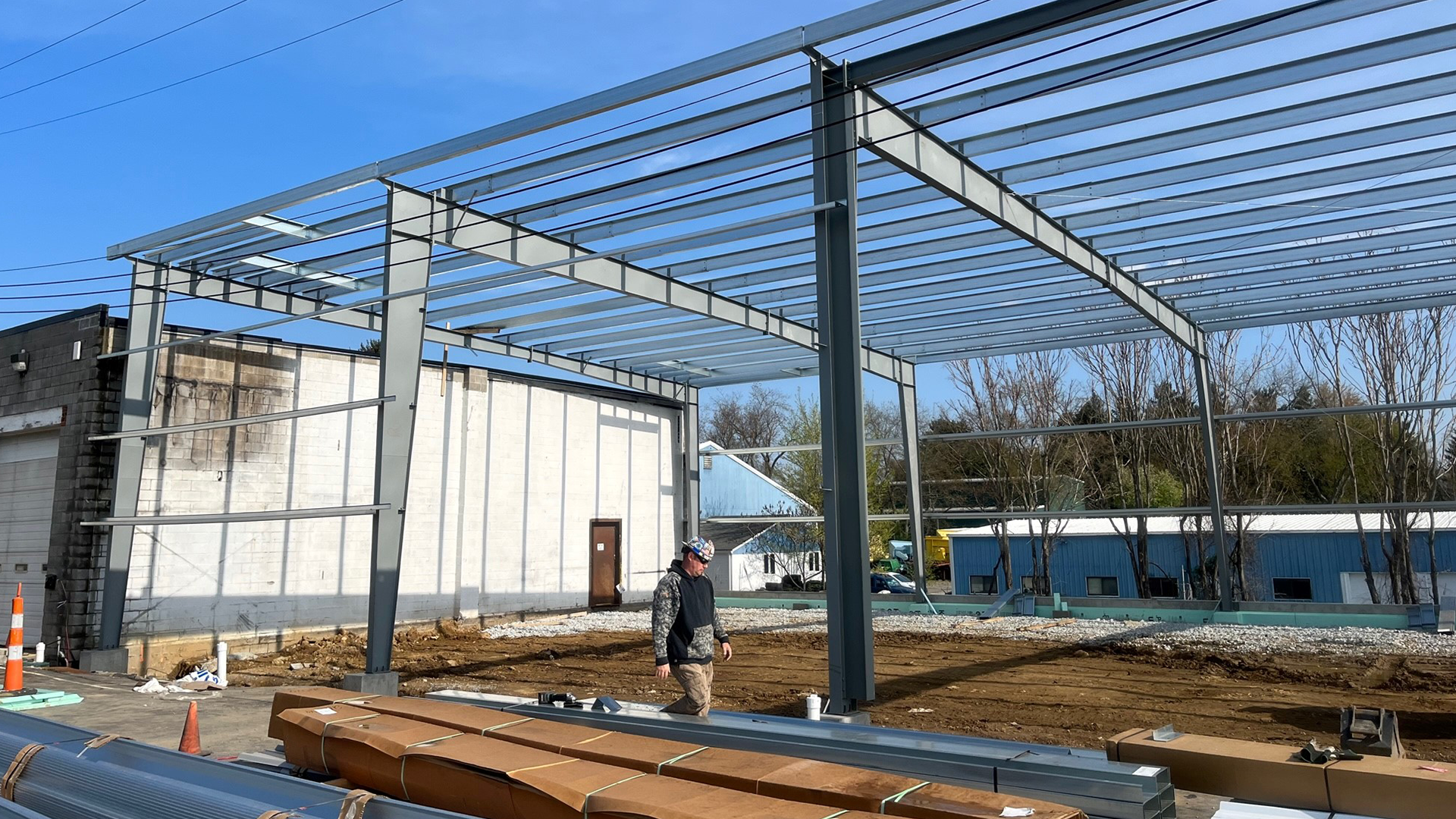
- Assembling primary and secondary framing
- Installing roofing and wall panels
- Securing structural connections
- Adding insulation and weatherproofing
- Installing doors, windows, and accessories
Because PEMBs are essentially giant “kits,” project managers ensure the assembly sequence is efficient and safe, coordinating cranes, installation crews, and equipment.
Phase 7: Interior Build-Out & Systems Integration
After the building envelope is complete, interior systems and finishes are added.
- Electrical and lighting
- HVAC and ventilation
- Plumbing (if applicable)
- Fire protection systems
- Offices, restrooms, or mezzanines
- Flooring and interior walls
- Specialty equipment or storage features
Timing is crucial — project managers ensure that trades do not overlap or interfere with each other.
Phase 8: Quality Control & Inspections
No steel project is complete without thorough quality checks.
- Structural inspections
- Fastener and connection checks
- Safety inspections
- Foundation and slab verification
- Final HVAC, electrical, and plumbing inspections
- Code compliance walk-throughs
Any issues are addressed before handing over the building.
Phase 9: Final Walk-Through & Project Closeout
Once all inspections are complete, the project manager leads the final walkthrough.
- Completing punch list items
- Delivering warranties and documentation
- Confirming building performance
- Training the owner on systems and maintenance
- Finalizing as-built drawings
With steel buildings, closeout is typically faster due to fewer wet materials and on-site adjustments.
Why Steel Building Project Management Drives Better Outcomes
- Faster build times
- Lower labor costs
- Predictable scheduling
- Fewer weather delays
- Highly accurate engineering
- Reduced waste
- Streamlined communication
Every phase is connected — so a strong project manager keeps the entire process moving efficiently.
Your Project, Managed from Start to Finish
Steel buildings deliver outstanding value, but only when planning, engineering, and coordination align. With the right project management team, owners gain a predictable, cost-effective construction experience that results in a building designed to last decades.
Whether you’re building your first steel structure or expanding your property portfolio, smart management ensures your investment pays off.