
Navigating Permits and Zoning Rules for Steel Builds in Pennsylvania, Ohio, and West Virginia
When you build a steel structure — warehouse, commercial facility, agricultural barn, or industrial shop — nothing matters more than nailing the zoning and permitting process before you break ground. In states like Pennsylvania, Ohio, and West Virginia, local and state regulations vary — and mistakes or oversights can lead to costly delays, fines, or even orders to tear-down.
This guide walks you through exactly what to check when building a steel structure in PA, OH, or WV: zoning, code compliance, permit types, engineering drawings, inspections, and local-specific requirements.
Why Permits & Zoning Matter for Steel Buildings
Permits ensure buildings meet safety, structural, and code standards, avoiding liabilities and ensuring compliance.
Steel buildings often exceed the size or structural complexity of standard residential builds, triggering permit requirements more often than small sheds or hobby-type buildings.
Proper permitting protects your investment, ensures insurance validity, and avoids legal/regulatory consequences.
What the Law Says: Overview of Permitting Requirements
✅ Structures over minimum size thresholds need a building permit
Most jurisdictions require a building permit for permanent metal or steel buildings exceeding size thresholds (often 200–200+ sq ft) or possessing permanent foundations.
✅ Additional permits for utilities or site work
Electrical, plumbing, HVAC, and mechanical work typically require separate trade permits, even if the main building permit is obtained.
Also, if the project involves grading, excavation, or major land-disturbing work, a site or grading permit may be required.
✅ Engineered drawings and code compliance often mandatory
Many jurisdictions require professional-engineer (PE) stamped drawings that reflect structural loads (snow, wind, seismic) and compliance under applicable building codes (e.g. the model International Building Code (IBC) or state-adopted amendments).
✅ Local zoning + land-use rules may affect where/how you build
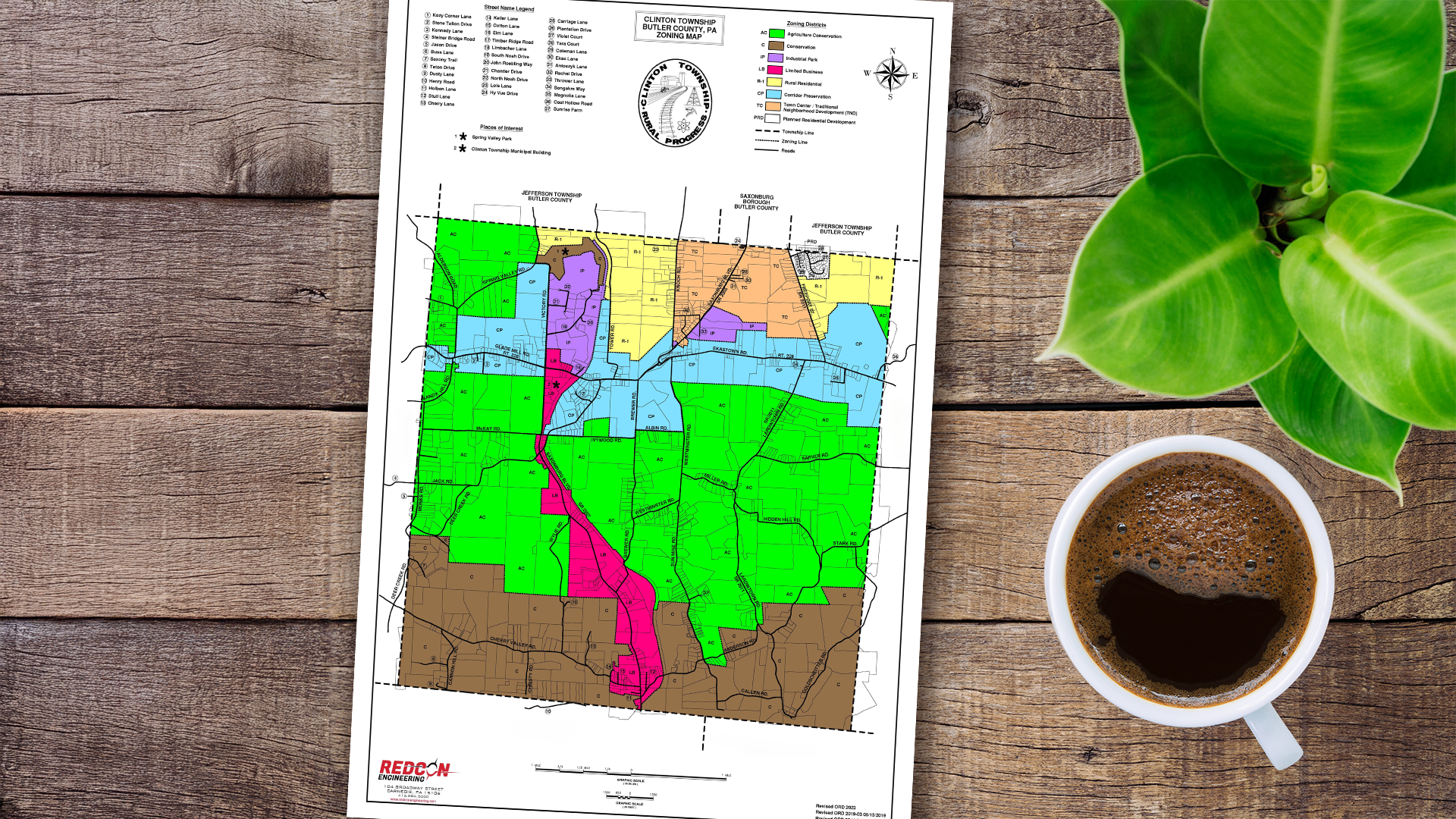
Zoning laws regulate building placement, setbacks, land-use classification (industrial, commercial, agricultural), maximum height, obstacle clearance, and more. These vary significantly between municipalities — so local zoning must be verified before plan submission.
Permitting & Code Systems in Pennsylvania, Ohio, and West Virginia
🏛️ Pennsylvania (PA)
Requires compliance with the state’s Pennsylvania Uniform Construction Code (UCC) — meaning a building or construction permit must be obtained before starting any work.
For steel buildings, expect engineering drawings, foundation plans, and compliance with structural, fire, energy, and occupancy codes.
🛠️ Ohio (OH)
Municipalities and counties manage building and zoning permits. New steel buildings or major structural projects always require permits and inspections.
For smaller or accessory structures, zoning permits may suffice — but always confirm with local code officials.
🌲 West Virginia (WV)
Permitting is handled at city or county level; state-level oversight (e.g. by the West Virginia State Fire Marshal) applies for larger commercial or public buildings.
Permit packages typically require building, trade (electrical, plumbing, mechanical), site and grading permits when applicable, plus compliance with state-adopted building codes (IBC/IRC + energy codes).
Additional scrutiny may apply for floodplains, environmental zones, or special-use land (common in riverside/rural parts of WV).
The Typical Permit & Approval Workflow for Steel Building Projects
- Preliminary site assessment & zoning check — Confirm land-use, setbacks, flood/ environmental restrictions, access roads, utilities.
- Engineering & design documentation — PE-stamped plans including structural specs, foundation, load calculations, load-bearing walls, roofing, etc.
- Application submission — Building permit application plus any required trade permits (electrical, plumbing, mechanical), grading or site-work permits if needed.
- Plan review by local authority — Zoning, building code, environmental and safety reviews.
- Permit issuance & fee payment
- Construction, with required inspections — Foundation, framing/steel erection, mechanical trade rough-ins, final inspection, occupancy certificate.
- Final certificate of occupancy (or equivalent) — Required before building is occupied or used commercially.
Common Challenges & How to Avoid Them
- Overlooking local zoning differences — Zoning ordinances vary even between neighboring municipalities; always verify locally.
- Submitting incomplete documentation, particularly missing engineering drawings or stamped load ratings — cause delays or denials.
- Underestimating trade permits — electrical, plumbing, mechanical systems often require separate permits regardless of size of structure.
- Ignoring site-specific issues (floodplains, wetlands, soil stability) — mitigation may require extra studies or permits.
- Delaying permit application until after fabrication begins — if materials arrive before permit issuance, delays and extra storage costs can hit hard.
Best Practices for Steel Building Permits in PA, OH & WV
- Start permit & zoning research at project kickoff — before ordering materials.
- Work with experienced engineers who understand regional code requirements (snow, wind, seismic, fire, energy).
- Prepare full, stamped drawings and complete application packages to avoid repeated re-submissions.
- Include time buffers — permit review and inspections often take several weeks depending on jurisdiction.
- Use a permit-aware contractor or build partner (like Red Direct) who helps manage submission, tracking, inspections, and close-out documentation.
Building Compliance & Confidence with Red Direct
Permitting and zoning don’t need to be a headache.
With Red Direct — experienced in PA, OH & WV — you get expert guidance on code requirements, documentation prep, and smooth permit navigation. Skip the delays, avoid code pitfalls, and build with confidence.